
REVIEW · CHIANG MAI COOKING CLASSES
Chiang Mai: Traditional Thai Cooking Class with Market Tour
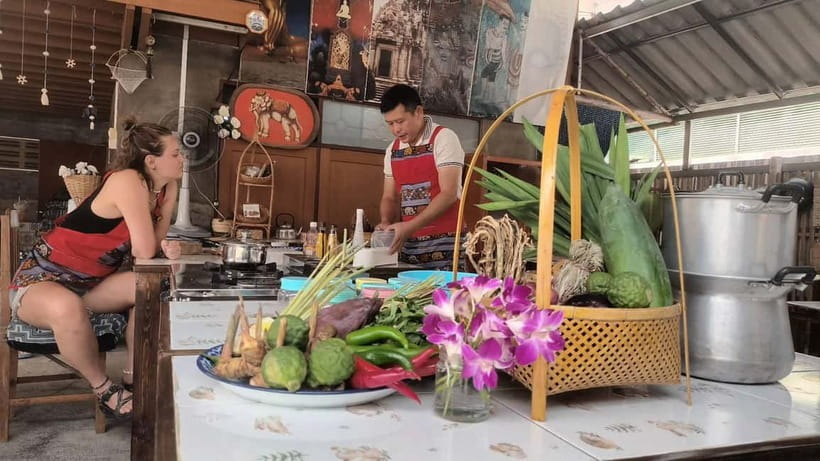
Cooking in a Chiang Mai kitchen starts with real ingredients. I like this experience because it mixes a market tour near Chiang Mai Gate Market with a hands-on class in a traditional Lanna home, then gives you a clear path to actually cook what you just shopped for, including curry paste from scratch. I also like the way the teaching tends to stay practical and friendly, with English-speaking chef-guides such as Tu, Flook, Wave, Balloon, or Mew showing you what to do at each step.
One thing to consider: this is not an all-day food festival, and a couple of people noted they left still a bit hungry. So if you come in starving and expect enough for a full dinner, plan to eat something light first, and bring a realistic appetite.
Key Things to Look Forward To
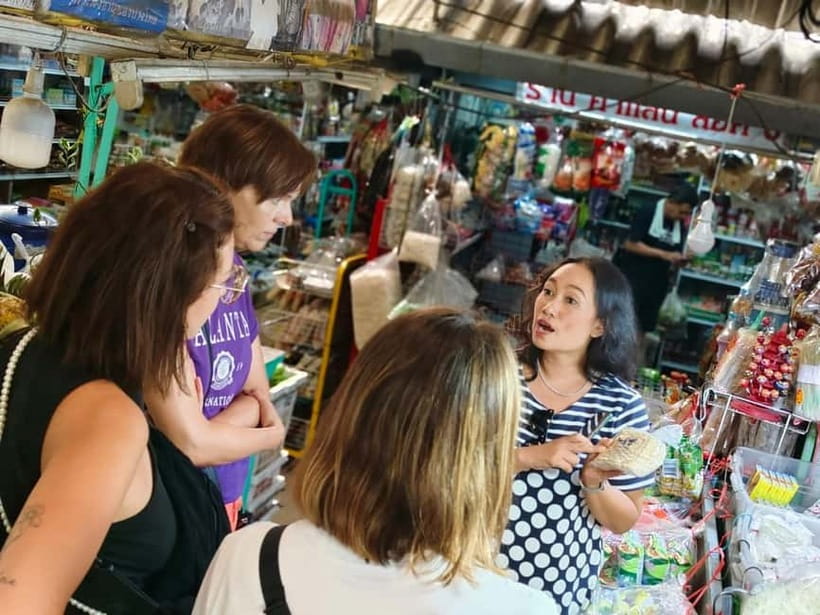
- Market tour for herbs, spices, and vegetables before you touch a wok or mortar
- Curry paste from scratch, so you learn the flavor base instead of copying a shortcut
- Sticky rice with mango paired with learning how sticky rice works in practice
- Cook 6 traditional Thai dishes and then enjoy the meal you made
- Small-group feel that helps you get help when you’re working at your station
From Chiang Mai Gate Market to Your Lanna Kitchen
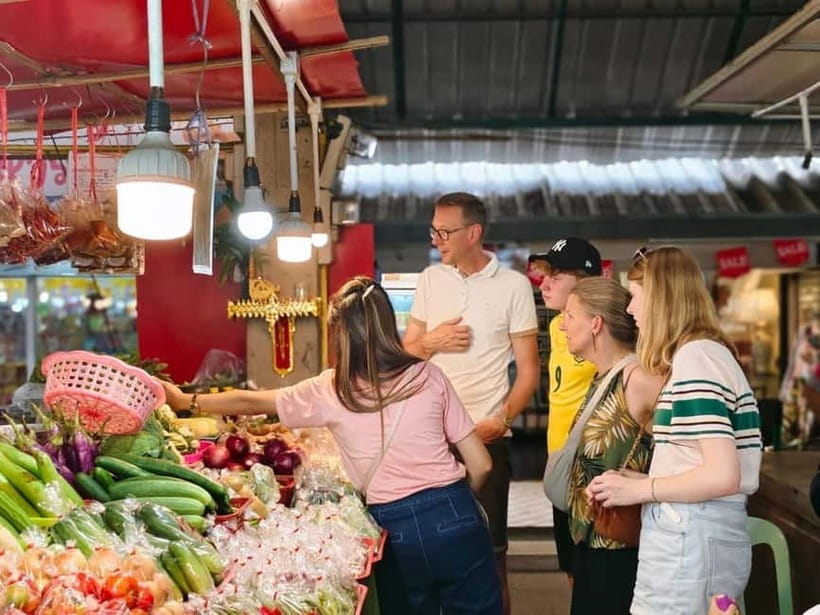
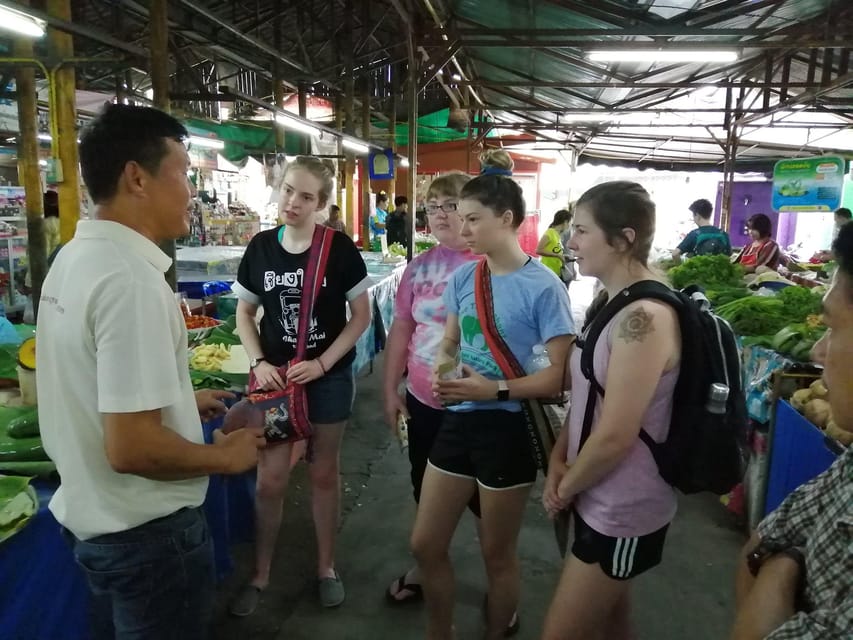
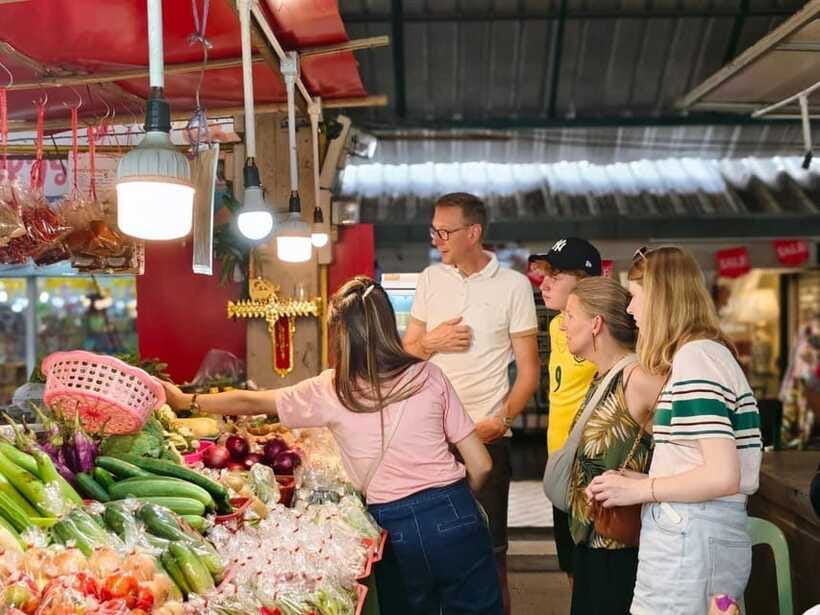
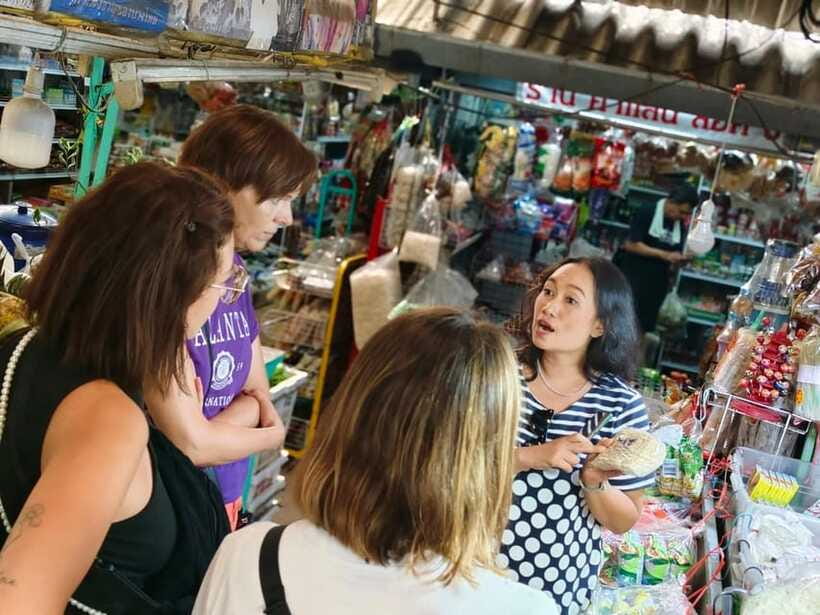
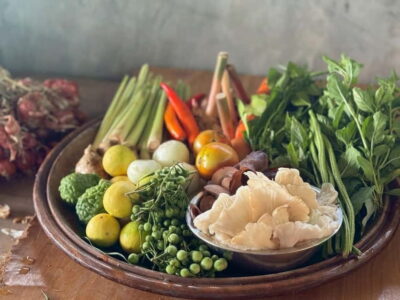
The day starts like the best Thai meals start, at the market. You’ll head out with your English-speaking guide to look at herbs, spices, and vegetables used in Thai cooking. This matters because Thai flavor is built from a mix of aromatics, not from one magic ingredient. Seeing the ingredients in real life helps you understand what makes dishes taste Thai, whether you’re learning to balance salty, sour, sweet, or heat.
Many people love that this isn’t just a photo-stop. It’s a learning walk. You get introduced to how Thai cooks think about produce and herbs, so later, when you’re standing at your station, you’re not guessing what you’re using. The class also takes place in a traditional Lanna home in the old city area, near Chiang Mai Gate Market, which makes the whole thing feel more grounded than a generic cooking studio.
You can also read our reviews of more shopping tours in Chiang Mai
Hotel Pickup, a 4-Hour Clock, and the Heat Factor
This is a 4-hour experience with hotel pickup included. You’ll wait in the lobby about 15 to 30 minutes before pickup, so set expectations with yourself and your hotel front desk. The timing is tight enough that the day stays focused, but long enough to actually cook multiple dishes, not just watch and sample.
Your lunch plan depends on your time slot. The meal you eat at the end can land as brunch, lunch, or dinner depending on when you attend. That’s helpful because it means you can choose the schedule that fits your Chiang Mai day.
One practical note from real experiences: the ride can be hot and a bit bumpy, and in one case it was described as a jeep rather than an AC minivan. So wear comfortable clothes, expect warmth, and if you’re sensitive to heat, plan to hydrate in between stops.
Hands-On Stations, English Instruction, and a Real Chef Dynamic
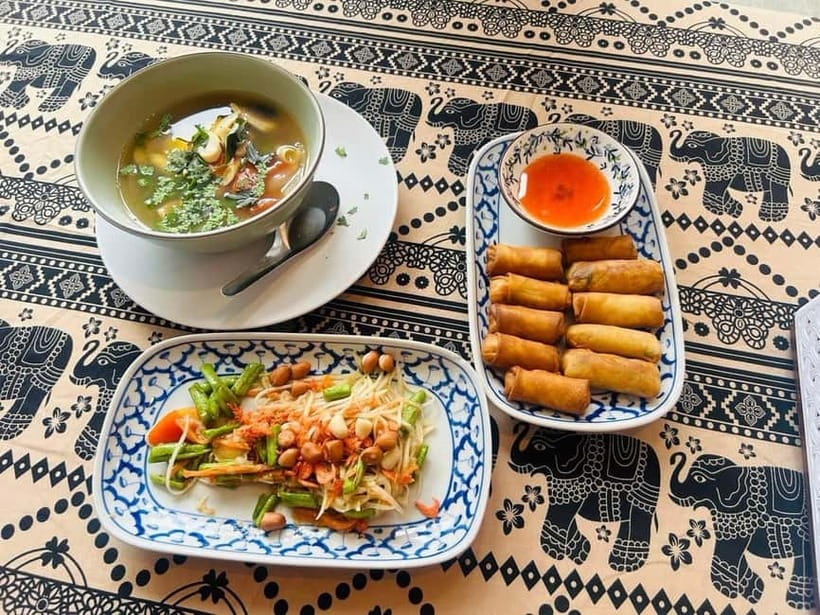
Once you’re at the home kitchen, the class shifts from shopping to doing. The goal is hands-on cooking, with a professional chef teaching you how to make the dishes step by step. A big part of why this style works is that you’re not just learning recipes, you’re learning technique: chopping, mixing, tasting, adjusting, and cooking with the rhythm of Thai home cooking.
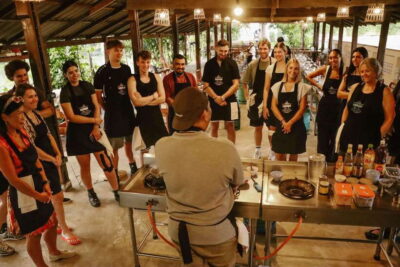
Your group has a size that tends to keep things personal. People specifically liked that the class was organized and that they got support while cooking. Some even mentioned how stations were set up for them, and that dishes were handled for cleanup so they weren’t stuck doing everything themselves.
Language is a plus here. The instruction is English, and multiple guides named in feedback were praised for being funny, patient, and willing to help at each step. If you’re the type who asks questions when you’re cooking, this format usually rewards that.
Also, you’ll receive a recipe book at the end. That is the difference between tasting something great and being able to recreate it later. Thai cooking can feel intimidating when you only get a finished dish. Recipes plus real technique make the learning stick.
Curry Paste From Scratch: The Skill You’ll Actually Use Again
The star of the menu is curry paste made from scratch. This is where a cooking class can either be a gimmick or genuinely useful. Here, the class centers on making the curry paste yourself, which teaches you the flavor base Thai cooks build before anything else goes into the pot.
When you make curry paste from scratch, you’re doing more than following steps. You’re learning how aromatics combine, how textures change while grinding or pounding, and how the paste becomes thicker and more fragrant as the ingredients break down. That’s the foundation for many Thai curries and sauces.
Why this matters to you: later, when you’re cooking at home and you use curry paste from a jar, your brain understands what’s supposed to be in it. You’ll know what the paste should smell like and how it should taste once it’s cooked. You also learn how heat can be controlled, which is important because the class offers enough variety that not every dish has to be ultra-spicy.
This is the part I’d prioritize if you only have time for one Thai cooking class in Chiang Mai. Even if you don’t make curry every week, the technique and flavor logic will carry over.
Sticky Rice With Mango and the Six-Dish Thai Meal
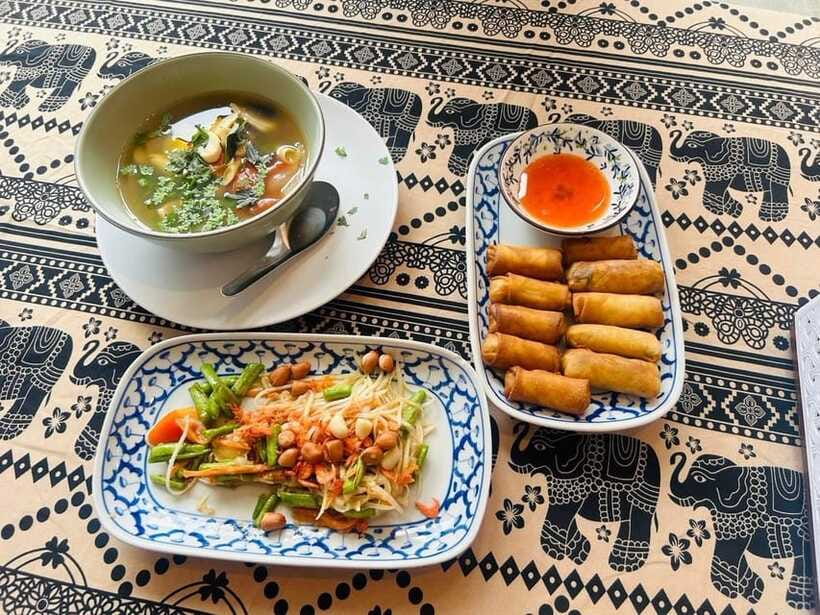
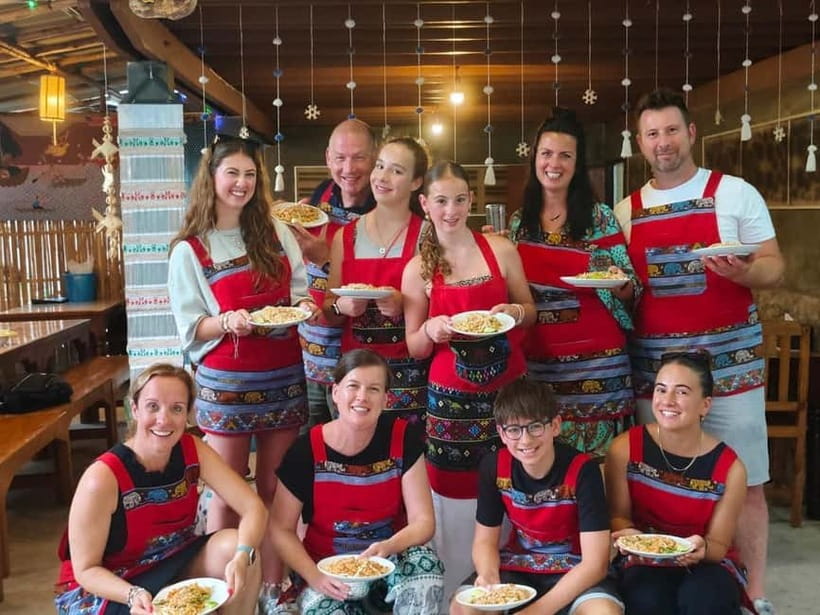
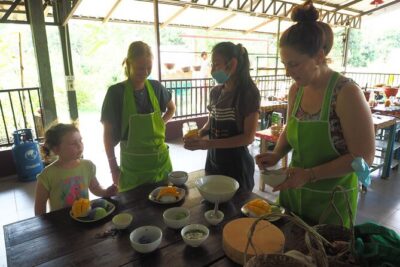
After curry paste, you’ll move through the rest of the dishes. You cook 6 traditional Thai dishes, including sticky rice with mango. Sticky rice is one of those things people think they can recreate until they try. In the class setting, you get hands-on direction on how sticky rice should be cooked and served so it comes out with the right texture to pair with fruit and sauce.
The mango component also helps you see Thai sweets as balanced food, not sugar-only desserts. It’s a familiar pairing, but learning the workflow in a Thai kitchen helps you understand how timing matters: rice needs to be ready, and the sweet elements should complement it, not compete with it.
One more practical takeaway: portions. Most of the experience is meal-based, and people said they left full. Still, a few comments suggested the meal might not feel like a big enough dinner depending on your appetite. So if your day has lots of walking or you tend to eat heavily at night, consider pairing the class meal with a small snack later. Think of this as a food-learning meal, not a guaranteed late-night buffet.
More Chiang Mai temple visits, food walks, elephant experiences, mountain trips, and northern Thailand day tours to compare



What You Eat, How It Tastes, and Why the Market Matters
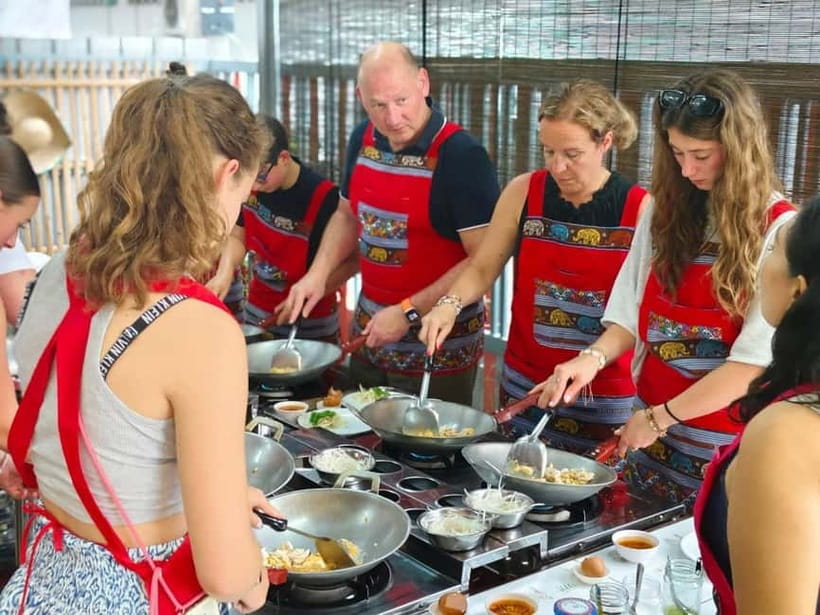
This class is designed so the meal you eat is the meal you prepared. That’s a key difference from experiences where you cook just one dish and spend the rest of the time watching. Here, you do real work, then get to taste the results as a group meal.
Because you start at the market, the tastes make more sense. You’re not only cooking ingredients, you’re connecting flavors to sources. When you recognize an herb or understand why a spice is used, Thai food becomes easier to replicate. You’ll likely leave thinking differently about cooking, more ingredient-led and less sauce-led.
If you like variety, you’re covered. People praised having loads of choices for the dishes, and they noted you can find options that are not all spicy. That matters in a country where heat can be intense. If you’re heat-averse, it’s smart to tell your guide when you arrive so your dish selections can match your comfort level.
Value at About $32: What You Get for Your Money
At $32 per person, this is strong value for Chiang Mai. Here’s what you’re really paying for:
- Hotel pickup, so you’re not managing timing or transport on your own
- A market tour with herbs, spices, and vegetables
- A cooking class for 6 dishes, including curry paste from scratch
- Ingredients, so you don’t have to shop afterward
- A recipe book you can use later
The market component alone usually makes cooking classes worth it. You learn what ingredients look like before you cook with them, and that helps you shop smarter later. Then the curry paste technique is the kind of skill that pays off months afterward if you cook at home.
One small cost note: beer and alcohol are not included. The activity is focused on cooking and eating what you made, so if you want alcohol, you’ll need to plan that separately.
Who Should Book This Class (and Who Might Not Love It)
This works best if you want a Thai cooking experience that’s both practical and cultural. You’ll like it if you enjoy food with a learning angle: herbs, spices, cooking technique, and understanding how Thai flavors come together.
It’s also a good fit if you’re traveling solo or with friends who want an active shared plan. People liked that the class size keeps attention on the cooks, so it’s not chaos.
It’s not suitable for children under 5. Also, if you hate spicy food, it may still work, because the dish selection includes options that are not all spicy. Just make sure you communicate your comfort level when choosing what you’ll cook.
Practical Tips So You Get More From the Class
A few small moves make a big difference on cooking day:
- Wear comfortable clothes that you don’t mind getting a little warm or messy.
- Bring a mindset of hands-on learning. If you taste and ask questions, you’ll get more out of it.
- Expect the day to be warm, especially around transport, and plan accordingly.
- If you’re aiming to use the recipes at home, take a moment at the end to read the recipe book while the flavors are fresh in your mind.
Finally, treat the curry paste lesson as the core skill. Even if one of the dishes feels unfamiliar, that curry paste foundation is your portable takeaway.
Should You Book This Chiang Mai Cooking Class?
I’d book this class if you want a focused, high-value experience that starts at the market and ends with a full meal you cooked yourself. The curry paste from scratch and sticky rice with mango make it feel distinctly Thai, and the hands-on teaching style, often led by guides such as Tu, Flook, Wave, Balloon, or Mew, is repeatedly described as supportive and fun.
Skip or adjust expectations if you usually need a very large dinner to feel satisfied, because some people found the meal a bit small for their appetite. Also, if you dislike heat or hate bumpy rides, be ready for warm transport conditions.
Overall, this is one of those Chiang Mai activities that pays you back later, when you try to recreate Thai flavors at home.
FAQ
How long is the Chiang Mai Thai cooking class with market tour?
The experience runs for 4 hours.
Is hotel pickup included?
Yes, hotel pickup is included. You should wait in the hotel lobby 15 to 30 minutes before the scheduled pickup time.
What does the price include?
The price includes hotel pickup, a local market tour, an introduction to Thai herbs, spices, and vegetables, a cooking class for 6 dishes including curry paste from scratch, ingredients for cooking, and a recipe book.
Is alcohol included?
No. Beer and alcohol are not included, and alcohol and drugs are not allowed.
What language is the instruction in?
The instructor speaks English.
What should I bring, and what is not allowed?
Bring comfortable clothes. Alcohol and drugs are not allowed, and children under 5 years are not suitable for this activity.
More Shopping Tours in Chiang Mai
More Tours in Chiang Mai




More Tour Reviews in Chiang Mai


Not for you? Here's more nearby things to do in Chiang Mai we have reviewed





Chiang Mai Cooking Classes, compared.
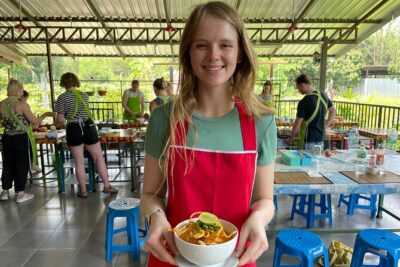 ★ 5.0Half-Day Thai Cooking Class at Organic Farm in Chiang MaiFrom $2919,087 reviews
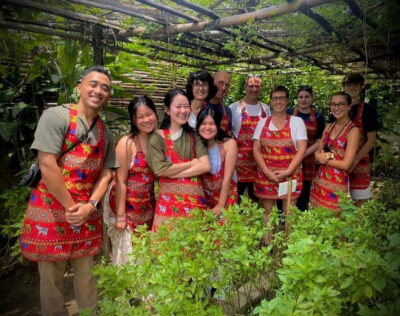 ★ 4.9Cooking Class, Market & Thai Herbs Garden TourFrom $314,824 reviews
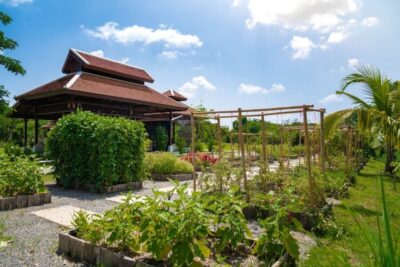 ★ 4.9Authentic Cooking Class with Market & Farm VisitFrom $344,546 reviews
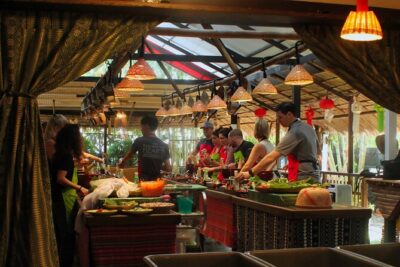 ★ 5.0Thai and Akha Cooking Class in Chiang MaiFrom $424,358 reviews
 ★ 4.9Cooking Class with Market and PickupFrom $251,365 reviews
 ★ 4.9Cooking Class with Organic Farm at Mama NoiFrom $321,151 reviews
 ★ 5.0Full Day Thai Cooking at Farm (Chiang Mai)From $391,127 reviews
 ★ 4.9HALF-DAY COOKING COURSE at a Thai Cooking FarmFrom $28705 reviews
Browse the lists this tour appears in