
REVIEW · CHIANG MAI DAY TOURS
Half-Day Thai Cooking Class at Organic Farm in Chiang Mai
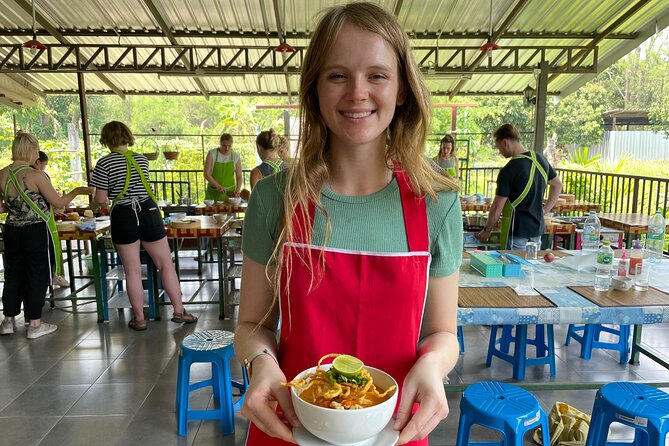
Thai food tastes better when you make it. This half-day Thai cooking class sends you from Chiang Mai into the countryside to cook at Smile Organic Farm Cooking School, with a market stop first. I like the way it turns ingredient shopping and farm produce into real flavor you can reproduce later, and I also love that the menu options can go vegetarian or vegan, with spice kept to your taste.
One thing to plan for: even though it is called half-day, the full experience runs about 6 hours, plus you spend part of it in transit. If you hate being on a schedule, you might feel it, but the pacing is built around hands-on cooking and eating what you made.
Quick take: what makes this cooking class in Chiang Mai work
- Hotel pickup plus round-trip transfers means you spend your energy on cooking, not navigation.
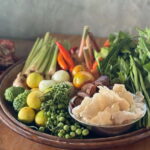
- Market visit for Thai spices and produce helps the ingredients make sense before you chop anything.
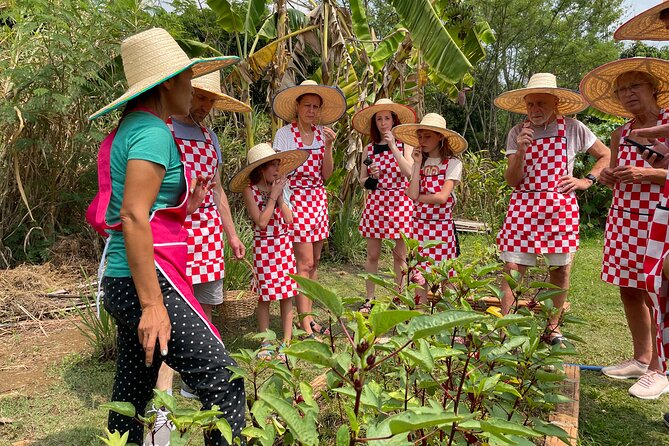
- Organic farm herb garden time gives you a sensory intro, not just a photo stop.
- Choose your own menu across the cooking foundations, with spice level options.
- Five cooking categories are taught, including curry paste, curry, stir-fried dishes, soup, and spring rolls.
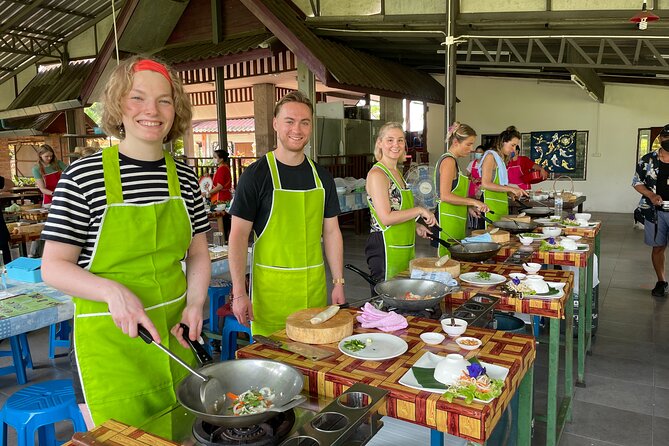
- Small group size (max 12) keeps the instruction hands-on, and guides can circulate.
From hotel pickup to the local market, your Thai cooking starts before the stove
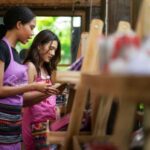
The day begins with pickup from your hotel or accommodation in Chiang Mai city. Then you ride out toward the countryside, with a quick stop at a local market along the way. This market time is short, but it is meant to set you up for what you will actually cook, so you learn to recognize common Thai ingredients and herbs rather than just following a recipe.
You will also notice how Thai flavor building is not mysterious. It is practical. You see spice blends, fresh produce, and typical Thai cooking staples that show up again in your curry paste and stir-fry. That matters because later, when you grind and mix, you will know what you are aiming for: fragrant, balanced, and not just spicy.
One more practical win: many people like that the transfers are handled end-to-end. In a city like Chiang Mai, it is easy to burn half a day just figuring out transport. Here, you do not have to.
You can also read our reviews of more cooking classes in Chiang Mai
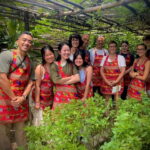
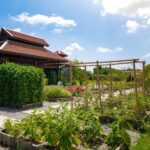
Smile Organic Farm Cooking School, where the food feels tied to the land
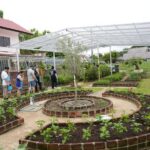
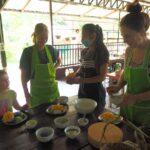
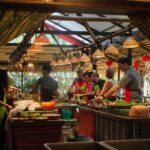
Next comes Smile Organic Farm Cooking School, in Chiang Mai’s countryside. The atmosphere is the point. Instead of a warehouse classroom vibe, you are in a working farm setting, where you can see herbs and vegetables growing and understand why fresh ingredients matter in Thai cooking.
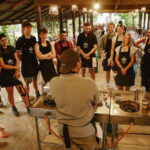
After you arrive, the team explains the menu setup. Then you pick what you want to cook in each category. Many guides are known for high energy and clear teaching, and you may see names like Lilli, Luna, K, Love, Lizzy, Natalie, Natty, Piano, or Cici mentioned often by previous groups. The consistent theme is not just cooking skills, it is good pacing and explanations while you are actively cutting, grinding, and stirring.
A few extra moments can make the visit memorable. Some groups mention farm animals, including a chance to feed a tortoise, plus meeting resident French bulldogs. If that is part of the day you go, it is a sweet bonus that fits the farm theme.
Pick your menu, control your spice, and go vegan or vegetarian
This is one of the smartest parts of the experience, because it protects your appetite. You get to choose what you cook within the structure of Thai cooking foundations. The program is designed so each menu can be made vegetarian or vegan, so you are not forced into one limited option if you have dietary preferences.
Spice control is also in your hands. You can decide how spicy or mild you want your dishes to be. That sounds small, but it changes everything. Thai food can be intense, and lots of cooking classes push you toward the hottest version by default. Here, you get a safer path to learning techniques without guessing your way into something too hot.
In practice, this makes the class feel more personal. If you love curry flavors, you can lean into curry paste and curry. If you prefer lighter dishes, you can aim for stir-fried items and soup. And if spring rolls appeal, you can choose that route too.
Thai herbs and vegetables in the garden, so you learn what to smell for
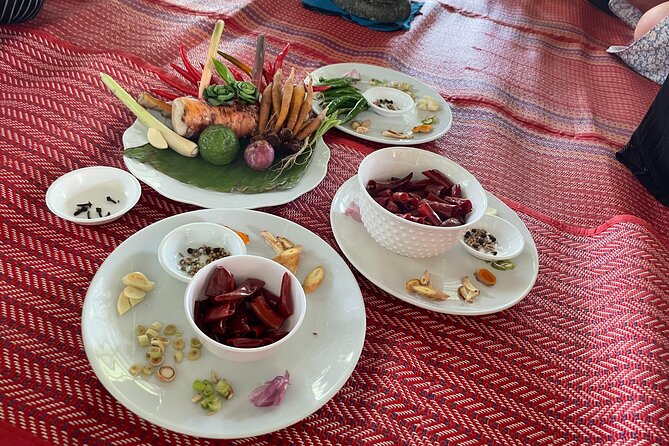
Before the cooking gets full-on, you get an organic garden introduction. This is not just where herbs are grown, it is a quick lesson in how Thai herbs and vegetables contribute to flavor and aroma.
You learn what herbs you are using and what role they play. In reviews, people often mention smelling herbs and getting a practical explanation of how they are used in Thai dishes. That may sound simple, but it is exactly what helps you later when you try to recreate flavors at home. You remember the scent cues, not only the recipe steps.
Also, seeing herbs growing makes the whole farm idea more than a backdrop. It reframes your shopping list. When you go to a Thai grocery later, you will know what you are actually looking for.
The cooking lesson itself: curry paste, curry, stir-fry, soup, spring roll
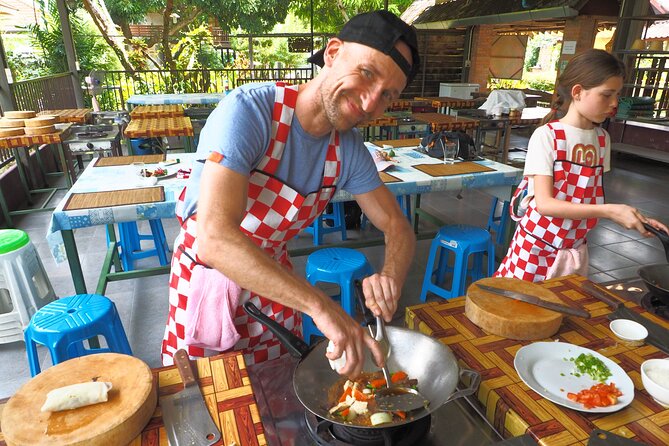
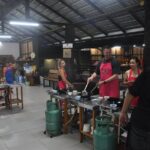
The core of the class is hands-on cooking across five categories: curry paste, curry, stir-fried dishes, soup, and spring rolls. This is where you learn from scratch in a way that actually sticks.
More Chiang Mai temple visits, food walks, elephant experiences, mountain trips, and northern Thailand day tours to compare
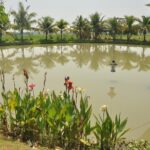
Curry paste: grinding flavors into a foundation
Curry paste is the big skill. This is the part that often feels like magic when you first see it, but it is learnable. You chop ingredients, then grind or mix until you get the texture and aroma that Thai cooks build their dishes on. Once you make curry paste yourself, you stop relying on jarred shortcuts and start understanding how those ingredients interact.
And yes, you can tune your spice level here too, which helps if you want authentic flavor without going into heat overload.
Curry: turning paste into a balanced bowl
After curry paste, you move into curry. You will cook the curry so you learn how paste transforms in hot oil and liquid. Your dish becomes layered, not just spicy. This is where Thai curry flavor becomes clear: it is not only heat, it is balance and fragrance.
Stir-fry: fast cooking, big flavor
For stir-fried dishes, the lesson is about speed and heat control. You cut ingredients, stir-fry, and build flavor without losing freshness. If you have never stir-fried before, it helps to know the order matters. You learn what goes in first, what needs a quick hit, and how Thai seasoning works when cooked quickly.
Soup: comfort with Thai structure
Soup is often a crowd favorite. It is also a great place to learn Thai flavor structure. You get to taste how aromatics and seasonings create depth. Some groups mention specific soups like coconut-based styles, and the key takeaway is that soup is not a throwaway course. It is a technique you can reuse later.
Spring rolls: wrapping made friendlier
Spring rolls can seem fiddly. Here, you learn how to assemble them and what you are aiming for in texture and filling balance. When a dish includes wrapping, you learn by doing, and the small group setting helps because instructors can step in while you work.
One realistic note: you may eat a multi-course meal you choose
The program is structured around five categories, but what you end up cooking and eating is tied to the menu you select for your half-day session. Many groups describe ending with several cooked dishes as their meal, like a combination of stir-fry, curry, and soup, sometimes with spring rolls added depending on the menu.
The big point is this: you will not just watch. You will cook and eat what you make.
The meal part: communal eating, generous portions, and a simple strategy
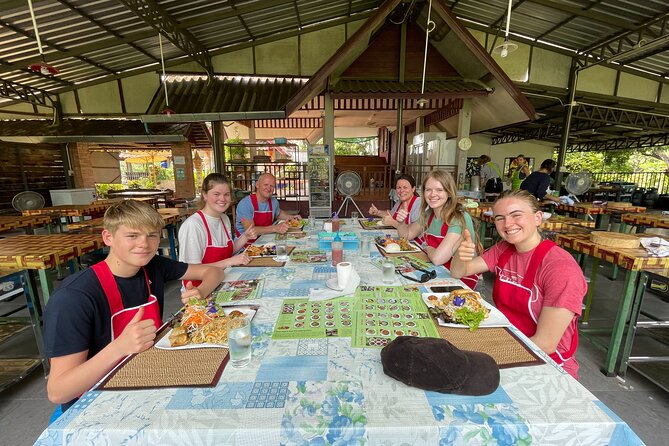
Once you finish cooking, you sit down and enjoy the food in a relaxing atmosphere. The meal is often described as communal, which makes it feel less like a class where everyone rushes through and more like a shared lunch or dinner.
Portion reality matters. The class can be heavy. Even if you are excited, do not cram everything into the first course. One of the most practical tips from past groups is to go slow at the start, because you will want room for the following dishes. If you normally eat fast, try smaller bites early. Your stomach will thank you later.
If you are expecting dessert, keep your expectations flexible. Some feedback points out that a dessert course was not included for the half-day format, and instead you may end up eating soup as the last course. That is not a dealbreaker, but it is good to know if you plan your day around finishing with something sweet.
How long is this really, and what to do with the rest of your day
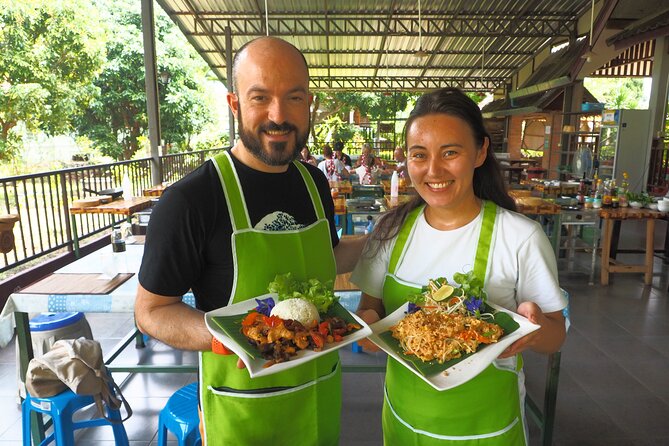
Timing is part of the value. The tour runs about 6 hours. That includes pickup, market time, farm time, cooking, eating, and the return to Chiang Mai city.
This schedule is ideal if:
- you want one big food experience without paying for a full day tour
- you plan to explore Chiang Mai in the morning or late afternoon after lunch or after the class
- you like active learning more than just eating
It can be less ideal if:
- you want a quick activity that fits into a tight schedule
- you dislike traveling to the countryside, even if it is organized for you
- you need a perfectly light meal day
Is it worth $29.35? Here is where the value comes from
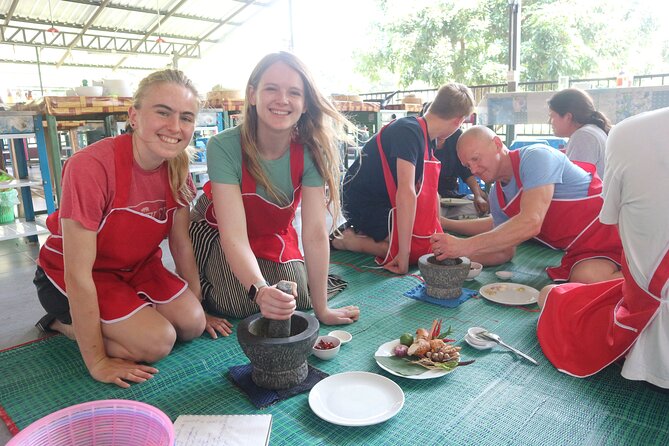
At $29.35 per person, this cooking class can feel like a bargain once you consider what you get bundled in:
- Round-trip transfers from your hotel
- A market visit before cooking
- An organic farm visit with herb and vegetable learning
- Hands-on instruction across major Thai cooking categories
- The meal, made by you, using your chosen menu options
- Vegan or vegetarian flexibility
- Small group size capped at 12
Many cooking classes focus only on the stove. This one adds the ingredient story, and it adds it in the right order: learn the basics at the market and in the garden, then cook with that context. That sequencing is why the class can feel worth it, even for people who cook at home only sometimes. You leave with technique, not just taste.
The only way it feels less worth it is if you are not interested in hands-on cooking at all, or if you already have a cooking routine that matches these techniques. But for most food lovers, it is a solid, budget-friendly way to learn Thai flavors properly.
Who should book, and who might prefer something else
Book this if you want:
- an authentic Thai cooking experience in Chiang Mai that teaches technique
- a farm setting and an organic ingredient approach
- choice, including vegetarian or vegan meals and spice control
- a small-group class where your guide can actually help while you cook
- a fun, social atmosphere with communal eating
Consider another option if:
- you want a very short activity and do not want a full 6-hour block
- you hate courses and prefer lighter tasting instead of a full meal
- you are not interested in cooking steps like grinding curry paste and building flavor from scratch
Should you book Smile Organic Farm Thai Cooking Class in Chiang Mai?
I would book it if you want the practical side of Thai cooking, with real ingredient context. The combination of market stop, organic herb garden time, and hands-on cooking across curry paste, curry, stir-fry, soup, and spring rolls makes it more than a meal. And the small group size helps keep the class personal enough that you actually learn.
If you are going, come hungry but pace yourself once the first dishes hit the table. You will cook a lot, and you will likely eat even more than you expect.
FAQ
Where is this cooking class located?
It takes place in Chiang Mai, Thailand, at Smile Organic Farm Cooking School in the countryside outside the city.
How much does the tour cost?
The price is $29.35 per person (adults 9-75 years). The price for children 4-8 years for visitors is listed, but the specific amount is not included in the information provided.
How long does the experience last?
The duration is about 6 hours.
Do they pick me up from my hotel?
Yes, pickup is offered in Chiang Mai city, and round-trip transfers are included.
Is there a mobile ticket?
Yes, a mobile ticket is provided.
What do I do first, the market or the farm?
You are taken from your hotel to a local market for a brief visit, and then you continue to Smile Organic Farm Cooking School.
What dishes will I cook?
You learn basic Thai cooking in five categories: curry paste, curry, stir-fried dishes, soup, and spring roll. You choose your menu for the categories.
Can the dishes be vegan or vegetarian?
Yes. Every menu option can be cooked as vegetarian or vegan.
Can I choose how spicy my food is?
Yes, you can decide to make your food spicy or mild.
What is the group size limit?
The maximum number of travelers is 12.
Is free cancellation available?
Yes. You can cancel up to 24 hours in advance for a full refund.
More Farms in Chiang Mai
More Cooking Classes in Chiang Mai
More Tour Reviews in Chiang Mai


Not for you? Here's more nearby things to do in Chiang Mai we have reviewed




Chiang Mai Day Tours, compared.
 ★ 4.8Elephant Sanctuary Feeding Program Half-Day TourFrom $274,527 reviews
 ★ 4.6Chiang Rai White Temple and Blue Temple Day TourFrom $273,366 reviews
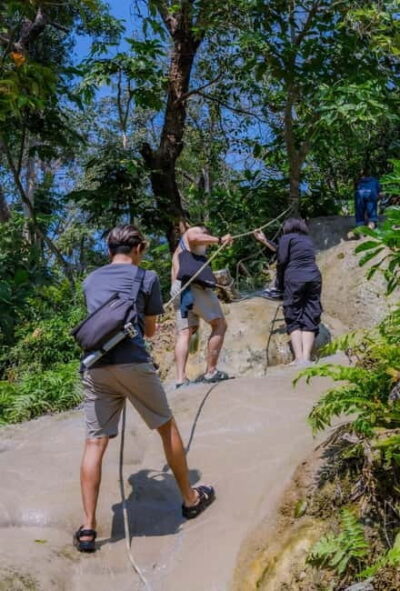 ★ 4.8Sticky Waterfall & Angel Waterfall Park Day TourFrom $411,371 reviews
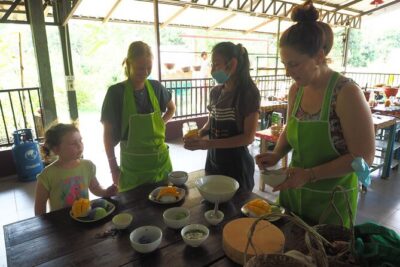 ★ 5.0Full Day Thai Cooking at Farm (Chiang Mai)From $391,127 reviews
 ★ 4.5Chiang Rai’s Temples Exploration Day TripFrom $51871 reviews
 ★ 4.7Doi Inthanon Park with Kew Mae Pan Hike Day TripFrom $62841 reviews
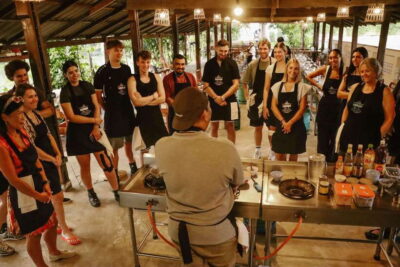 ★ 4.9HALF-DAY COOKING COURSE at a Thai Cooking FarmFrom $28705 reviews
 ★ 5.0Care Pride Elephants: Full-Day Tour ExperienceFrom $91658 reviews
Browse the lists this tour appears in