
REVIEW · CHIANG MAI COOKING CLASSES
Chiang Mai: Cooking Class, Market & Thai Herbs Garden Tour
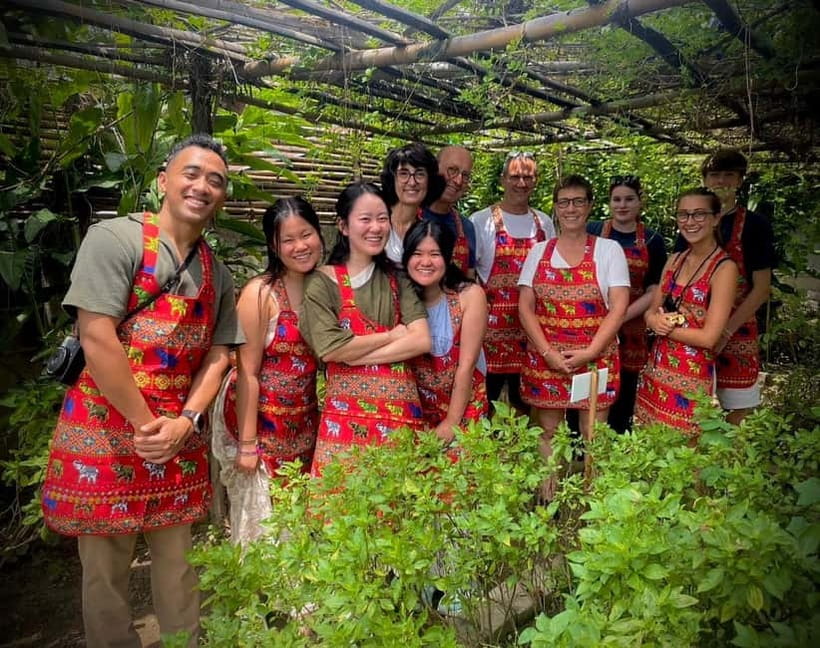
Thai food makes sense when you meet the ingredients first. In this Chiang Mai class, you shop for herbs, grind curry paste, and cook in an organic kitchen garden. Hotel pickup keeps it easy, and the hands-on curry paste part is where the magic really happens.
What I like most is the mix of planning and play. You pick from starter and main options, then you customize curry style (red, green, Phanaeng, Massaman, or Khao Soi) and finish with sweet sticky rice and mango. The one drawback to consider is the schedule, you are out for about 210 minutes and traffic can affect pickup timing, so build in a little buffer.
Key Things That Make This Class Worth Your Time
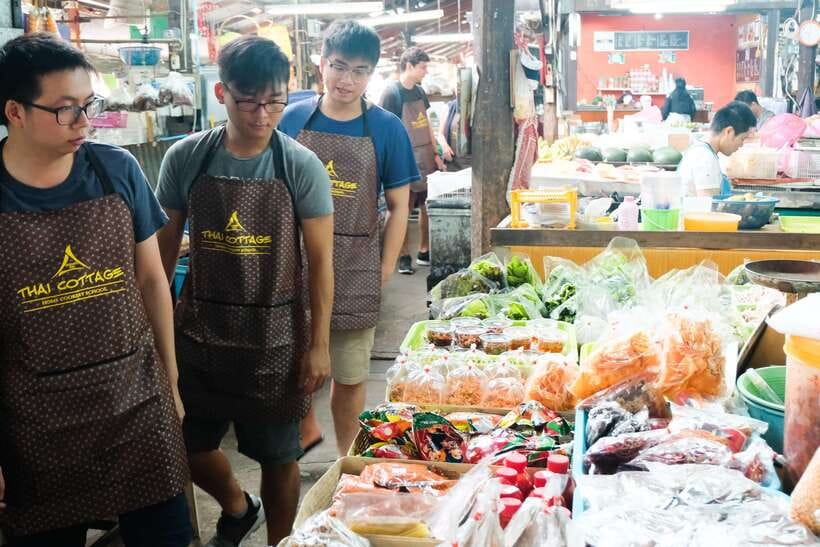
- Market shopping with a purpose, so you learn what goes into Thai flavor, not just how to cook it
- Thai herb garden time, where you connect plants to dishes and aromas
- Mortar-and-pestle curry paste, the hands-on step that changes everything
- Pick your own menu, with choices for starters, mains, curry paste type, and spice level
- English-speaking instruction, with a friendly, funny teaching style from instructors like Wave, Tu, Flook, Kat, Balloon, and Toey
Getting to the School in Chiang Mai Without Losing Your Morning
This experience is built for convenience. You get hotel pickup and drop-off, and the transfer is offered free within 3 km of Chiang Mai Old Town. Plan to wait in your hotel lobby, typically 15 to 30 minutes before class, because pickup windows can shift with traffic.
If your hotel is farther out, you may be asked to meet at a designated meeting point. I treat this as a good sign, it usually means the operator is trying to prevent long waits for the rest of the group. Wear comfortable clothes, you will be moving between the market and the kitchen work area.
The big practical point: 210 minutes sounds like a simple “half-day” on paper, but you should still treat it like an activity with a start time. If you have another plan right after, keep it flexible, especially in peak traffic hours.
You can also read our reviews of more shopping tours in Chiang Mai
The Local Market Stop: Where Thai Flavor Starts
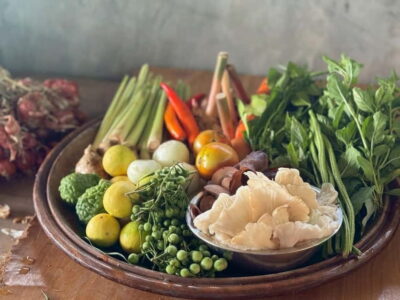
The first major stop is a local market run with a Thai-cooking lens. Instead of only sightseeing, you are looking for ingredients that connect directly to what you will cook later. This is where you learn why Thai cooking is so ingredient-driven, herbs and spices are not background characters, they are the plot.
The class format typically includes some guidance on what to buy and what each ingredient does. You are also paying attention to how fresh Thai produce looks and smells, because the best tips often come from seeing and handling the real thing, not just reading about it later.
One extra value here is price learning. Chiang Mai markets can be a bargain place to browse, and this stop often helps you understand what you are paying for when you buy herbs back at home or in Thai groceries. Even if you are not cooking at home right away, the market visit gives you better instincts for what to look for.
Thai Herb Garden Walk: Plants That Explain the Recipes
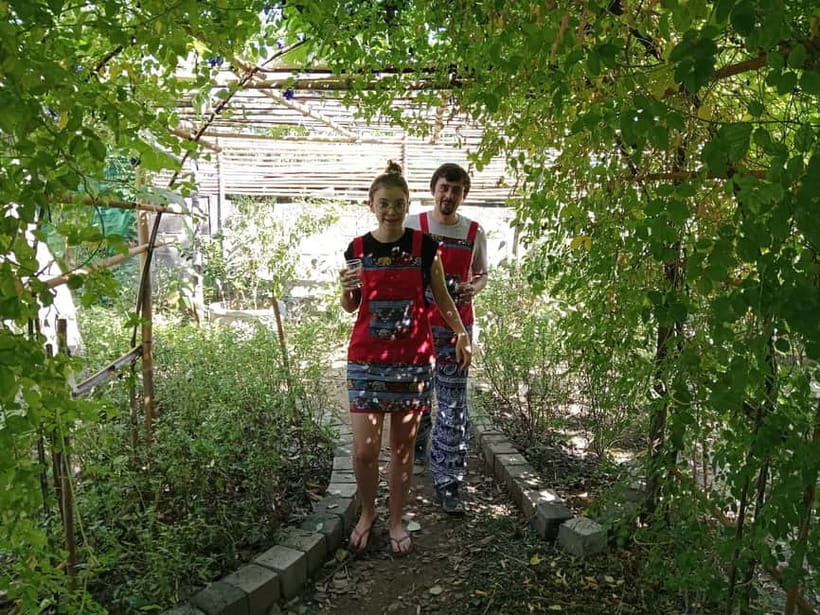
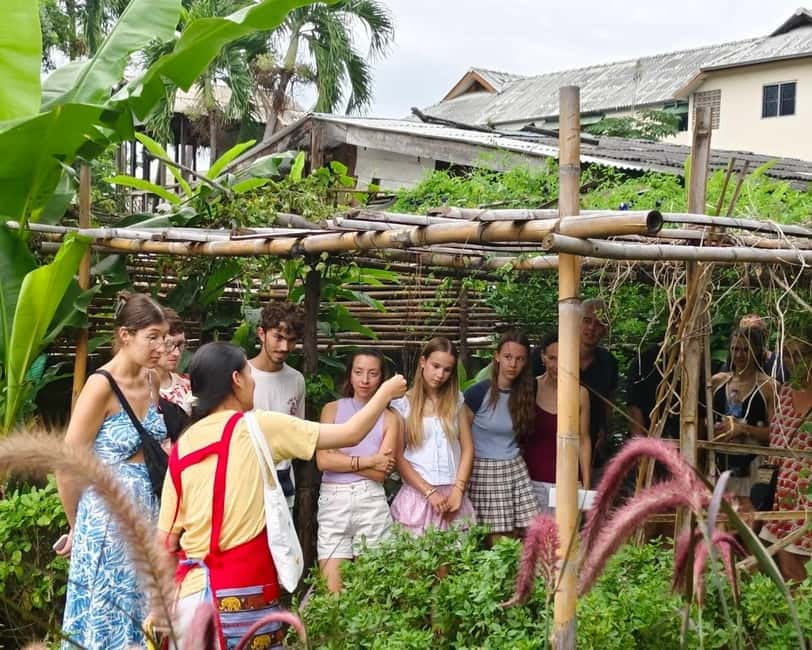
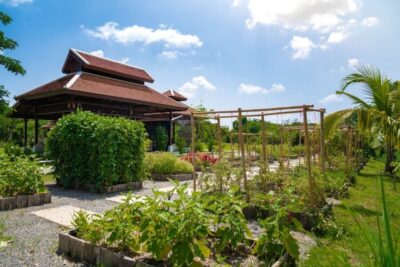
After the market, you head to a Thai Herb Garden. This is not just a photo stop. It helps you connect herbs to flavor compounds and cooking choices. You get a feel for how Thai kitchens build dishes around aromatics, and how an herb garden can act like a living spice rack.
You’ll likely hear which plants go into the kinds of dishes you’re making that day. That matters, because the curry paste step later is easier when you already understand what you are grinding. When you can say to yourself, this smells like that herb, the whole cooking process feels less mysterious and more repeatable.
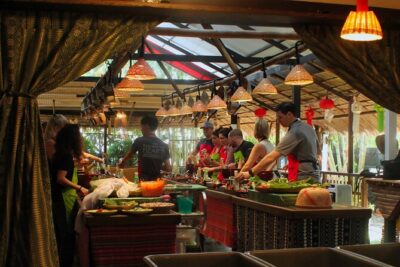
The garden setting also keeps the workshop grounded in real Thai food culture. The broader description even points to an organic kitchen garden where you cook and dine, which signals a calmer, more food-first environment than a generic classroom setup.
In the Kitchen: Building Curry Paste From Scratch
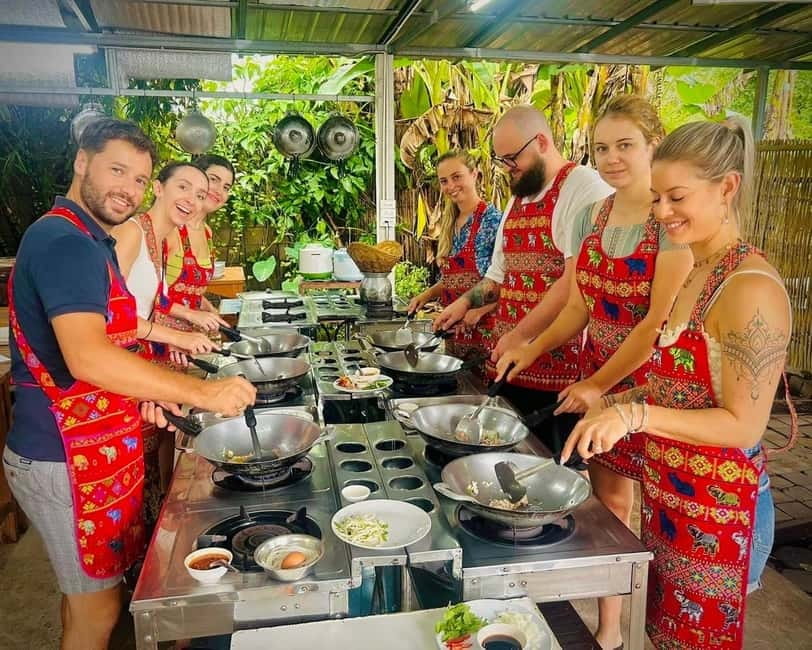
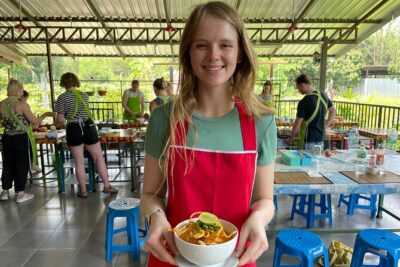
Now for the signature part. You will make your curry paste from scratch using a mortar and pestle. This is the step that turns Thai cooking from a recipe you follow into a technique you understand.
You choose among curry types like red, green, Phanaeng, Massaman, or Khao Soi. Each style comes with a different flavor direction. By doing the paste yourself, you learn that curry is not only about heat, it is about the blend of aromatics, the balance of ingredients, and how grinding releases fragrance.
Expect a lot of chopping, measuring, and then grinding. The mortar-and-pestle process also changes texture. Paste made by hand tends to be chunkier at first, then more cohesive as you work, which can affect how the curry cooks. It is one of those practical skills that pays off the next time you cook at home.
Choosing Your Dishes: Starters, Mains, Curry, and Dessert
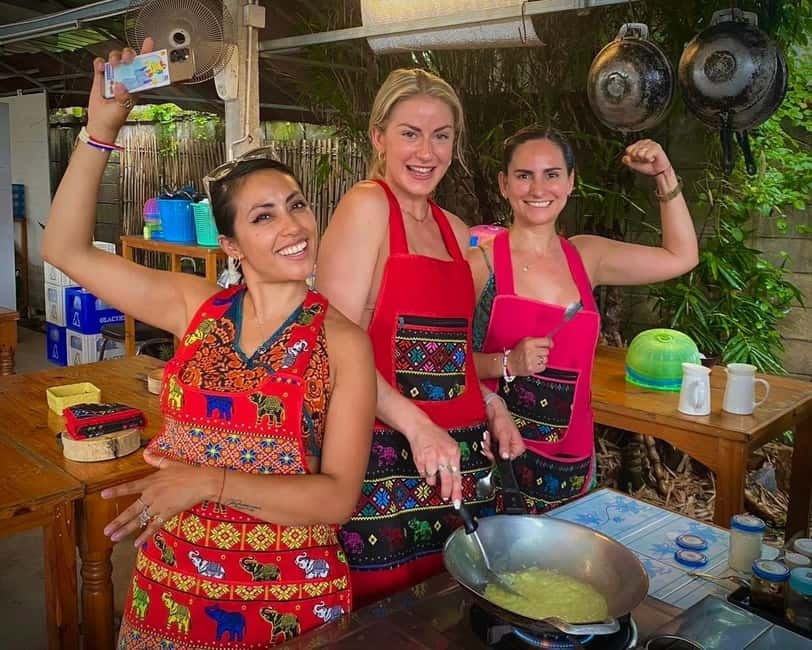
A big reason people love this format is choice. You can select your starter and main course from options provided, then you build a curry using the paste you made.
More Chiang Mai temple visits, food walks, elephant experiences, mountain trips, and northern Thailand day tours to compare



Starters you might choose
You can opt for dishes such as:
- hot and sour prawn
- local chicken soup
- chicken in coconut milk
- turmeric chicken soup
This variety is smart. Hot and sour tends to teach you balance, coconut milk dishes teach you how Thai cooking smooths out spice and adds body, and turmeric-forward soups make you pay attention to grounding flavors.
Mains you might cook
For the main course, you may choose:
- Pad Thai
- chicken fried rice
- fried chicken with cashew nuts
- Pad Kra Pao
Pad Thai and fried rice both help you understand stir-fry timing. Pad Kra Pao usually brings strong aromatics and a punchy finish. Cashew chicken teaches texture and how Thai cooking keeps food crisp while still coating it with sauce.
Your curry and how the paste matters
Once your paste is ready, you use it to make a chicken and coconut milk curry. This is where you get to see your paste transform in heat and liquid. The paste is the flavor engine, and the coconut milk helps round it out, making it less sharp while keeping it deeply aromatic.
Dessert: sticky rice with mango
You finish with sweet sticky rice with mango. This is an important counterpoint to the savory dishes. Even if you prefer spicy food, the mango sticky rice gives your meal structure and helps you end on a Thai sweetness that does not feel like an afterthought.
Spice Levels and Dietary Needs: Practical Customization
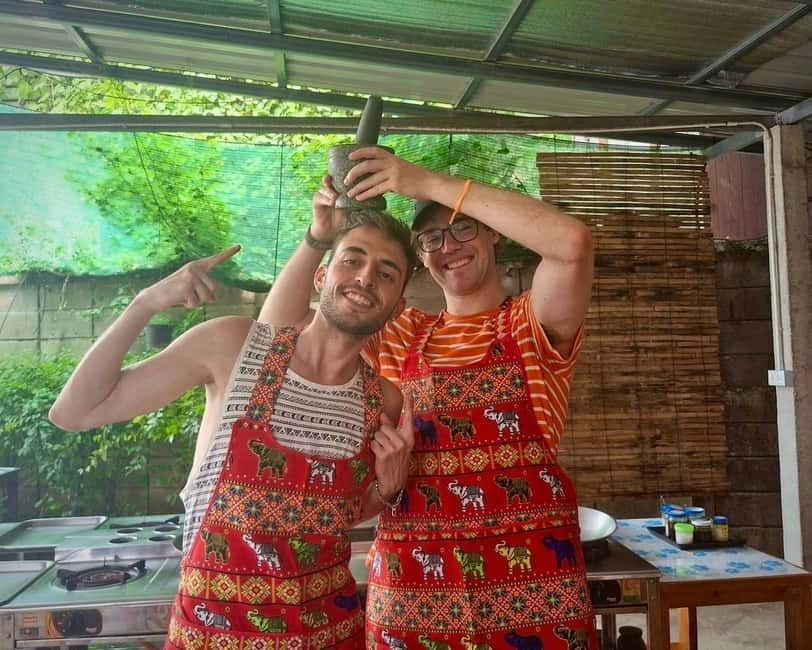
Thai food does not have to mean one heat level for everyone. The class explicitly allows you to make it spicy or non-spicy to match your preference.
It also supports dietary needs. If you are vegan, vegetarian, gluten free, halal, or managing allergies, alternative ingredients are available. That’s not a small point. Many cooking classes can say they can modify, but the real test is whether the kitchen can actually work with your needs without turning the menu into an apology plate. Here, the workshop structure is clearly set up to handle different requirements.
My advice: tell your instructor early what you need and what you dislike. You want to focus on the technique and flavors that matter, not spend your time asking for workarounds mid-cooking.
Eating Thai Style in the Organic Kitchen Garden
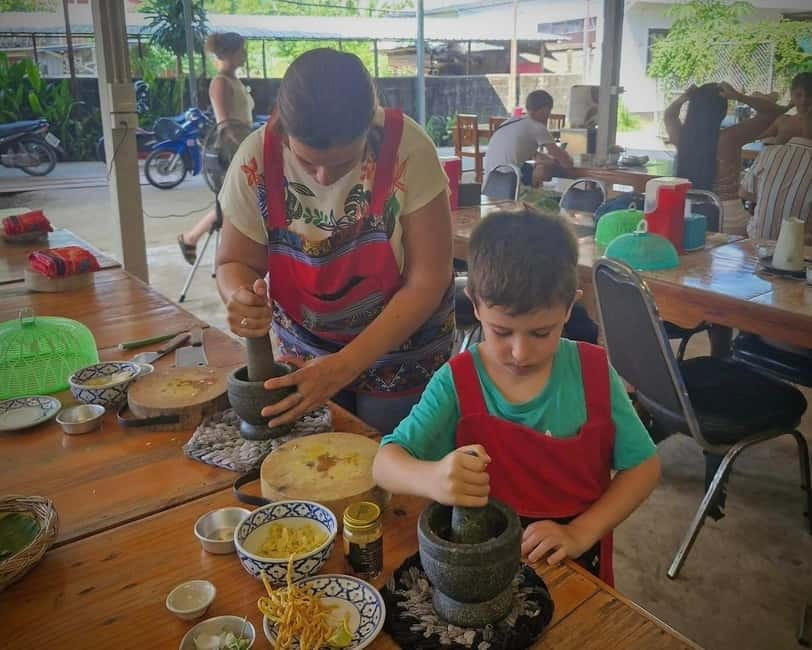
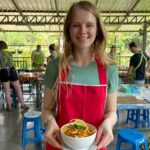
After cooking, you eat in traditional Thai style in the organic kitchen garden. This is one of the best parts of the whole experience because it connects learning to eating, you are not just tasting sauces in isolation. You sit down with the dishes you made and experience how Thai meals come together as a set.
Garden dining also changes the pace. The air tends to feel cooler than inside a kitchen, and the setting keeps the meal from feeling rushed. It is a simple payoff, but it makes the cooking feel complete.
Also, portion and satisfaction matter. You’re working for a while, grinding paste, stirring, frying, and simmering. The meal afterward feels proportional to the effort, not like a small snack to keep you polite.
The PDF Recipe Book: How You Actually Recreate It Later
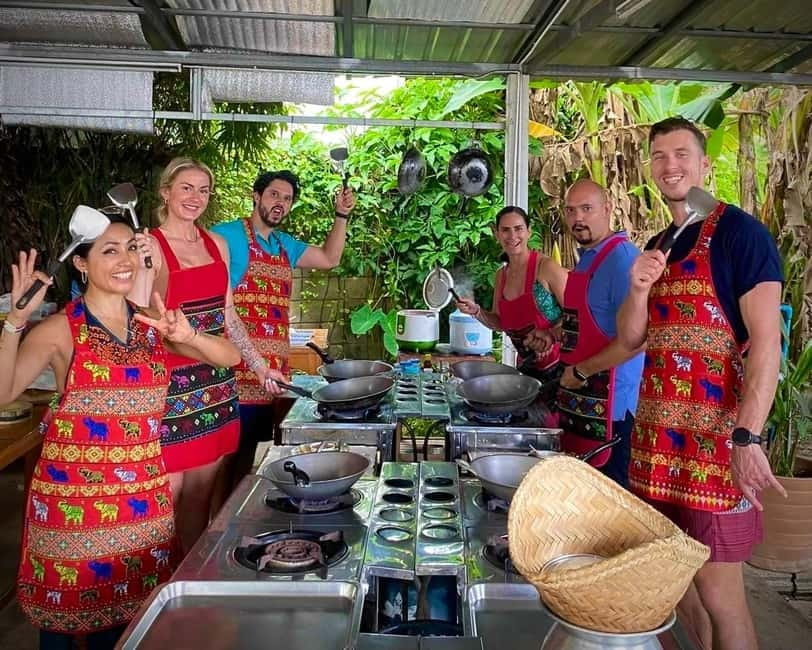
You get a digital recipe book in PDF form online. This is a big part of the value equation. Cooking classes can be fun, then quickly fade once you go home. A usable recipe reference is what turns your experience into something you can repeat.
Even if you do not cook everything exactly, the PDF should help you remember ratios, ingredient names, and which curry style you picked. If you are building a Thai cooking routine, having the curry paste base and dessert steps written clearly is especially helpful.
Value Check: Is $31 a Good Deal?
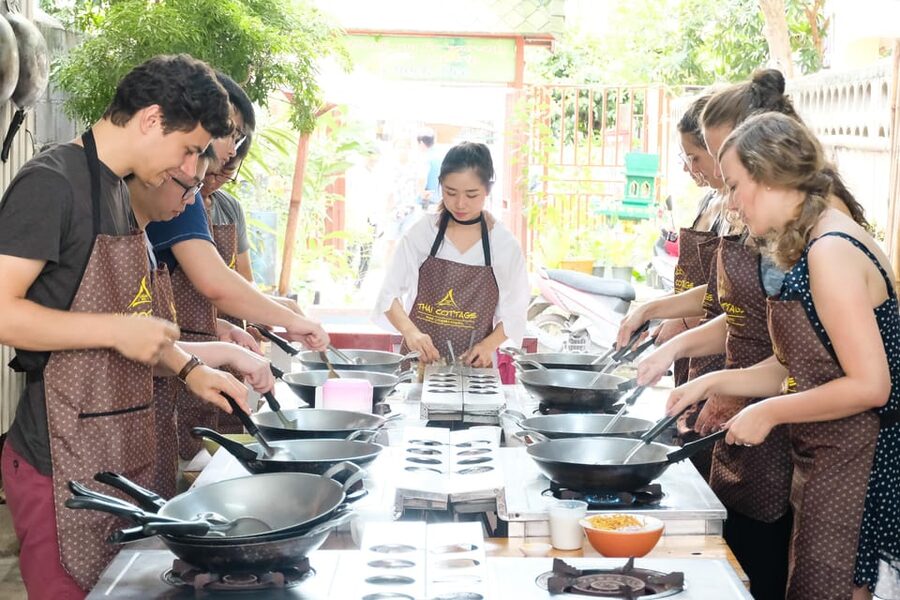
At $31 per person for 210 minutes, this is priced like a true local workshop rather than a luxury food tour. The value comes from the parts that cost real money in ingredients and labor: market sourcing, herb garden time, hands-on curry paste grinding, and a full meal with multiple dishes.
The included hotel pickup and drop-off also adds value if your hotel is within the 3 km Old Town area. If you have to travel across town on your own, the practical value drops. But within the pickup zone, the pricing feels fair for the amount of food work and instructor time you get.
What is not included is alcohol, which is available for purchase. I like that the class stays focused on cooking and eating, not on turning it into a drinking event.
What to Expect From Your Instructor, and Why It Matters
Instruction quality is the difference between a class that feels like a show and one that helps you learn. This workshop is run by an English-speaking instructor, and the atmosphere often lands as friendly and humorous.
Instructors you might meet include Wave, Tu, Kat, Flook, Balloon, and Toey. Even when the teaching style differs, the shared goal is consistent: clear guidance, help as you cook, and support when you ask questions.
My tip: ask one or two technique questions rather than trying to micromanage every step. Something like asking how to adjust spice, or how to know curry paste is ready, tends to pay off more than asking for a full recipe walkthrough while your hands are already busy.
Who This Cooking Class Is Best For
This fits best if you want real Thai flavor learning, not just a restaurant meal with a cooking demo. You’ll likely enjoy it if:
- you want to shop for ingredients and understand what they do
- you care about curry paste technique
- you like hands-on cooking and then eating the results
- you want dietary flexibility, including vegan, gluten free, halal, and allergy support
It is less ideal if you hate spice and prefer very plain food, though you can choose non-spicy options. It also may be tough if you struggle with hands-on kitchen tasks or if long time in a workshop environment does not sit well for you.
When You Might Skip It
Consider skipping if:
- you need a super short activity, because 210 minutes adds up
- you are tightly scheduled and cannot handle pickup shifts due to traffic
- you want a mostly passive experience, because the core value is hands-on cooking
The activity is not suitable for children under 5, and it is also not designed for people over 95. If you are within the allowed age range, it can still be a good group activity, and at least some families have had kids cooking alongside adults.
Should You Book This Chiang Mai Class?
I’d book it if you want a Thai cooking experience with real technique, especially the mortar-and-pestle curry paste and the structured meal afterward. For the money, the mix of market learning, herb garden context, and a full dinner format makes it feel like more than a one-off tasting.
I would hold off if you are mainly looking for a quick cultural walk with minimal kitchen time. This is not that. It is an activity where you work, taste, adjust, and then sit down to eat what you made.
If you do book, do two things that make your day smoother: tell your instructor about spice and dietary needs upfront, and keep your timing flexible in case pickup runs later due to traffic. Then you can focus on the fun part, learning Thai flavors from the source, and bringing home a paste and a dish plan you can actually recreate.
FAQ
What is the duration of the Chiang Mai Cooking Class, Market & Thai Herbs Garden Tour?
The experience lasts 210 minutes.
How much does it cost per person?
The price is $31 per person.
Is hotel pickup and drop-off included?
Yes, hotel pickup and drop-off are included. Pickup is free within 3 km of Chiang Mai Old Town.
What should I bring?
Wear comfortable clothes.
Is the instructor available in English?
Yes, the instructor speaks English.
Can I choose how spicy my food is?
Yes, you can make your food spicy or non-spicy to suit your preference.
Are dietary needs like vegan, gluten free, or halal supported?
Yes. Vegan, vegetarian, gluten free, halal, and allergies are welcome, and alternative ingredients are available.
Is alcohol included in the price?
No. Alcoholic beverages are not included, but they are available for purchase.
More Shopping Tours in Chiang Mai
More Tours in Chiang Mai





More Tour Reviews in Chiang Mai


Not for you? Here's more nearby things to do in Chiang Mai we have reviewed





Chiang Mai Cooking Classes, compared.
 ★ 5.0Half-Day Thai Cooking Class at Organic Farm in Chiang MaiFrom $2919,087 reviews
 ★ 4.9Authentic Cooking Class with Market & Farm VisitFrom $344,546 reviews
 ★ 5.0Thai and Akha Cooking Class in Chiang MaiFrom $424,358 reviews
 ★ 4.9Cooking Class with Market and PickupFrom $251,365 reviews
 ★ 4.9Cooking Class with Organic Farm at Mama NoiFrom $321,151 reviews
 ★ 5.0Full Day Thai Cooking at Farm (Chiang Mai)From $391,127 reviews
 ★ 4.9HALF-DAY COOKING COURSE at a Thai Cooking FarmFrom $28705 reviews
 ★ 4.9Evening Cooking Class and Local Market VisitFrom $28648 reviews
Browse the lists this tour appears in