
REVIEW · CHIANG MAI COOKING CLASSES
Chiang Mai: Evening Cooking Class and Local Market Visit
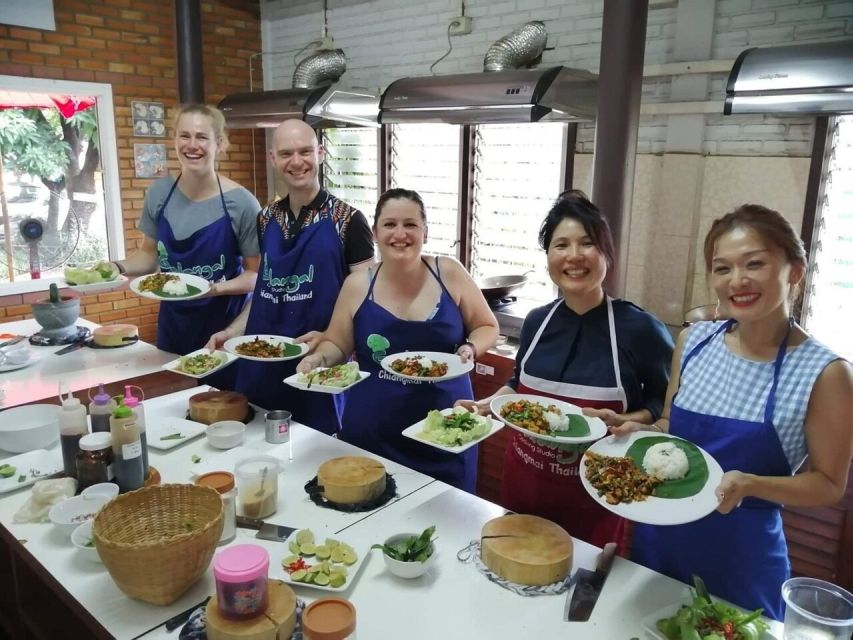
Five hours in Chiang Mai, and you go home able to cook it. This evening class blends a market ingredient hunt with a hands-on Thai cooking session at Galangal Cooking Studio, led in English. You also finish by eating what you made, not some sad sample portion.
I especially like the way you choose your menu from real Thai options, then get guided step by step through stir-fries, soups, an appetizer, and curry work. Another big win is the ingredient experience, because you see vegetables and herbs grown in an organic garden before you start chopping, grinding, and tasting. The one thing to plan around is the timing, pickup runs in the 3:15 to 3:45 PM window and the driver waits only 5 minutes, so you cannot wander off and come back late.
Key points at a glance
- Market and organic garden first, so your cooking makes more sense.
- Menu choice across Thai categories, including dishes like Pad Thai, Tom Yum, Som Tam, and curries.
- English instruction from teachers such as New and Aoy, with lots of attention to the group.
- You leave with a recipe book (PDF) so you can recreate the dishes at home.
- Smooth hotel pickup and drop-off in central areas, with clear guidance for where they will collect you.
Evening Chiang Mai Dinner You Cook From Scratch
This is the kind of night activity that turns Chiang Mai food into something you can actually repeat at home. You start with shopping for ingredients like a local, then move into an air-conditioned kitchen where you cook your dinner with an instructor. At the end, you eat the dishes you made together, which is the whole point.
The most practical part is that the class is structured around specific Thai dishes and techniques. You are not just learning a single recipe. You learn the flavor building blocks, like how soups balance sour and spicy, how salads get their sweet-sour-lime punch, and how curry pastes set the tone for the curry itself.
And yes, there is real choice. You can pick from a list for stir-fried dishes, soups, appetizers, and curry-style options, with vegetarian, vegan, halal, and gluten-free adjustments possible. That matters because Thai cooking has strong flavor rules, so you want teaching that can bend without breaking the dish.
You can also read our reviews of more shopping tours in Chiang Mai
Hotel Pickup and the 4 pm Dinner Timing
The day is built around evening food time, and the schedule reflects that. Plan for pickup from central Chiang Mai in the 3:15 to 3:45 PM range, with the driver aiming to arrive before 3:45 PM, but traffic can shift things. The driver waits no longer than 5 minutes after the scheduled pickup time, so set a quick “leave now” plan when you hear you’re next.
Once you’re at the studio, everything runs toward a dinner rhythm. You are asked to come with an empty stomach because Thai culture starts dinner around 4 or 5 pm. In practice, that means you should skip a heavy early meal and keep room for tasting.
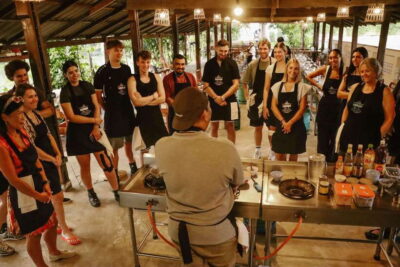
The class setup runs 4:00 pm to 8:30 pm for larger groups of around 10 to 12 people. If the group is smaller, you finish earlier. That flexibility is a nice perk in Chiang Mai, where the evening can otherwise feel like one long waiting game.
Pickup covers hotels in the old city and nearby areas, including Santitham and Huay Keaw Road from Kad Suan Keaw to Maya Shopping Mall, plus some additional roads in parts of Nimmandhaemin, Sirimongkrajan, Wat Ket, and farther areas like Chang Pheuk, Changklan, and Changmoi. They do check your address, and if you’re outside the pickup zone, they will let you know and you may need to get yourself to the cooking school or market.
Market Visit and Organic Garden Ingredient Walk
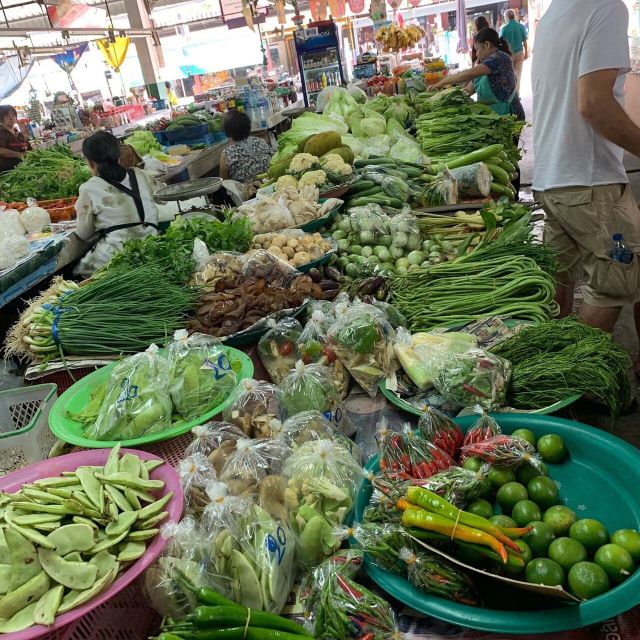
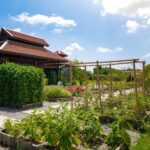
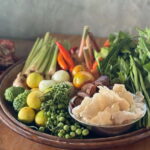
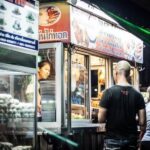
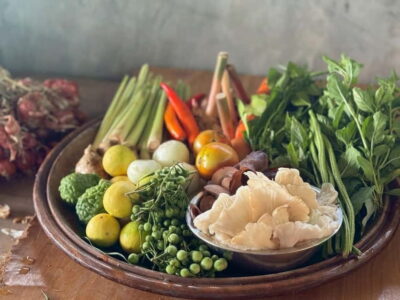
This is one of the most valuable parts, because it makes the cooking teaching click. You start with a market visit to see fresh produce and ingredients, then you visit an organic garden where herbs and vegetables are cultivated in Thailand. Even if you think you know Thai basil, lemongrass, galangal, and kaffir lime, seeing them growing helps you understand how fresh flavor becomes bold flavor.
The market portion is described as depending on interest, but the garden walk is part of the flow. Either way, you are not just observing. The idea is that you choose ingredients for your desired dishes, so you can cook with your selections in mind.
One more good detail: the class includes an audio guide in English, so you can follow along without feeling lost if you miss a quick explanation. This matters in a market setting, where the environment is active and information can come fast.
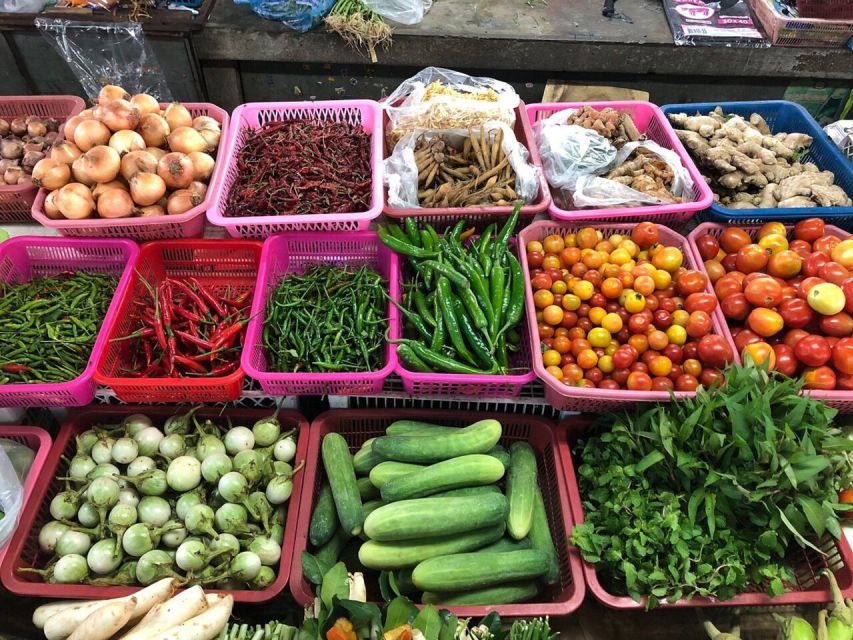
Practical tip for the ingredient walk: bring water and take a second to look at colors and textures. The dishes you choose later, like stir-fries and curries, lean hard on fresh aromatics and the right balance of ingredients. That market moment is where your choices start to define what the food will taste like.
Air-Conditioned Kitchen, English Instructors, and Smooth Flow
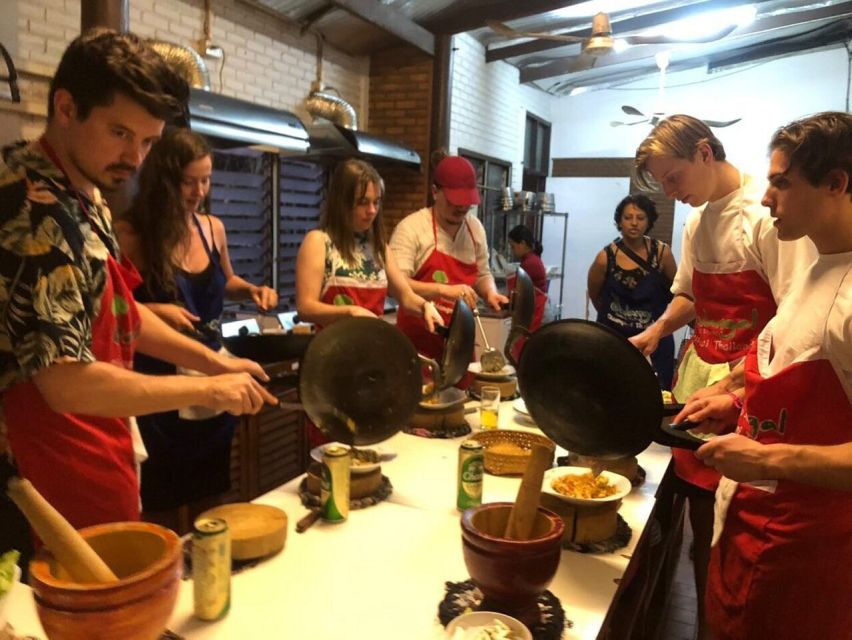
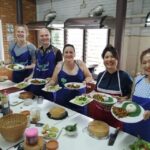
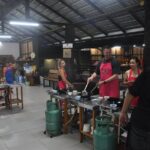
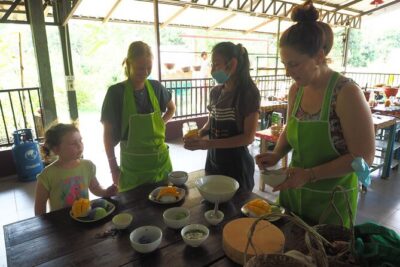
Inside the cooking school, the vibe is relaxed but organized. The dining area is indoor and air-conditioned, so you can cook without cooking yourself. The pace is designed for a 5-hour evening, and the staff keeps things moving while still letting you learn what you’re doing.
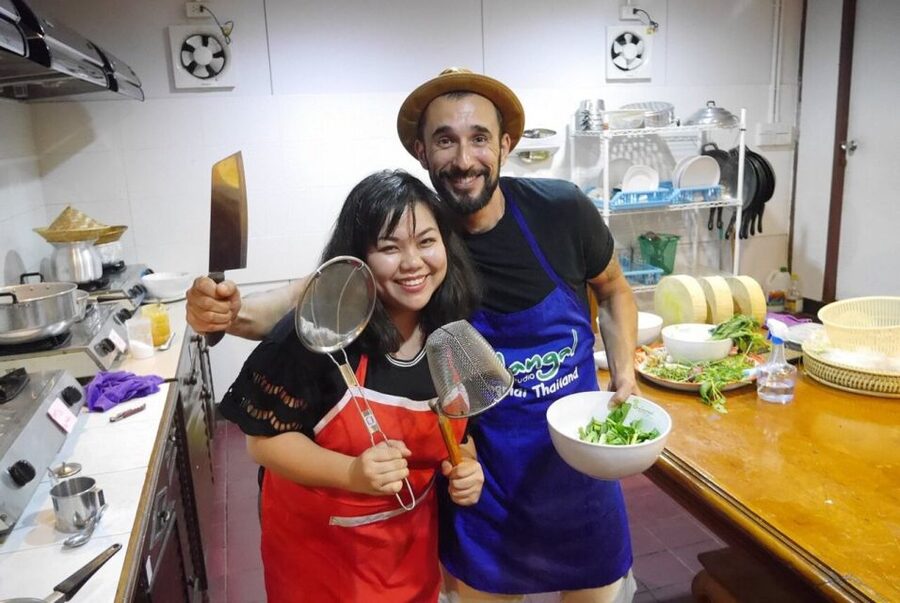
A lot of reviews highlight the instructors, and names like New and Aoy show up repeatedly. What I like about that pattern is consistency. These aren’t random lessons where you hope for a good teacher. The teaching style is described as attentive and clear, with instructors creating a friendly atmosphere while keeping you on track.
You also get a hands-on structure that works even if you are not a confident cook. The class is not built to trick you with complicated steps. It gives you enough direction to build the dish and enough explanation to understand why each ingredient matters.
On the logistics side, you are provided water, tea, and coffee. All ingredients and cooking equipment are included, so you are not hunting for specialty items. You also get a PDF version of a recipe book to take home.
Two rules to remember: smoking indoors is not allowed, and alcohol and drugs are not allowed. Also, come prepared with any personal medication you need, since that’s the only “bring something” item listed.
Pick Your Dishes: Pad Thai, Tom Yum, Som Tam, and Curries
Here’s the fun part: the menu is built around categories, and you choose dishes. The options include popular Chiang Mai staples and regional-friendly Thai classics, so you can steer the cooking toward what you already love.
For stir-fried dishes, you can choose from:
- Pad Thai (fried noodles Thai style)
- Pad See Ew (stir-fried chicken with fresh noodles)
- Kai Pad Med Mamuang Him Ma Pan (chicken cashew nut)
- Pad Kaphao Kai (minced chicken with holy basil)
For soups, the options include:
- Tom Yum Kung (hot and sour prawn)
- Tom Kha Kai (chicken in coconut milk)
- Tom Kha Je (vegetarian or vegan in coconut milk)
- Tom Zap Kai (hot and sour with chicken)
For appetizers, expect choices like:
- Som Tam (papaya salad)
- Por Pia Thod (spring roll)
- Larb Kai (chicken salad)
- Yam Woon Sen (glass noodle salad)
For curry and curry-style cooking, you have options such as:
- Kaeng Massaman (Massaman curry)
- Kaeng Kieaw Wan Kai (green curry)
- Kaeng Panaeng Kai (Panang curry)
- Kaeng Ped (red curry)
- Kaeng Karee (yellow curry)
- Pad Prik Kaeng (dry red curry)
- Khao Soi (Chiangmai noodle with chicken)
A key detail from the class description is that you learn how to cook multiple Thai dishes, including curry paste work. Reviews also repeatedly mention making green curry paste from scratch, which is where Thai cooking skills start to feel transferable.
You should also know the class can adapt to dietary needs. The options explicitly include vegan, vegetarian, halal, and gluten-free support, and instructors are said to make substitutions for allergies and preferences. If you have seafood avoidance, for example, you can ask for alternatives during the class, and the instruction approach is described as flexible.
More Chiang Mai temple visits, food walks, elephant experiences, mountain trips, and northern Thailand day tours to compare



Curry Paste From Scratch: The Skill That Changes Everything
If you want one thing to take home that goes beyond tasting Thai food in restaurants, it’s learning curry paste. This class includes curry paste making as part of the experience, and that is a huge reason the evening feels like more than a cooking demo.
Why curry paste matters: it’s not just flavor, it’s the whole structure of the curry. Once you understand the ingredients in the paste, you start to see why some curries taste earthy and aromatic, while others hit with sharp, bright heat. In reviews, people specifically mention being wowed by learning curry paste steps, including green curry paste from scratch.
In the kitchen, you get guided preparation and cooking so you are not left to guess. You’ll cook a curry alongside or as part of the curry paste workflow, depending on your chosen dishes. Either way, the takeaway skill is the same: you learn how aromatics and spices turn into a paste that can carry a sauce all by itself.
This is also where your ingredient walk pays off. The herbs and vegetables you saw in the market and organic garden stop being random plants and become active cooking components. You notice, for instance, how fresh aromatics behave compared to dried versions, and how the dish’s balance changes when you adjust one element.
What You Leave With: Recipe Book PDF and Often Packed Food
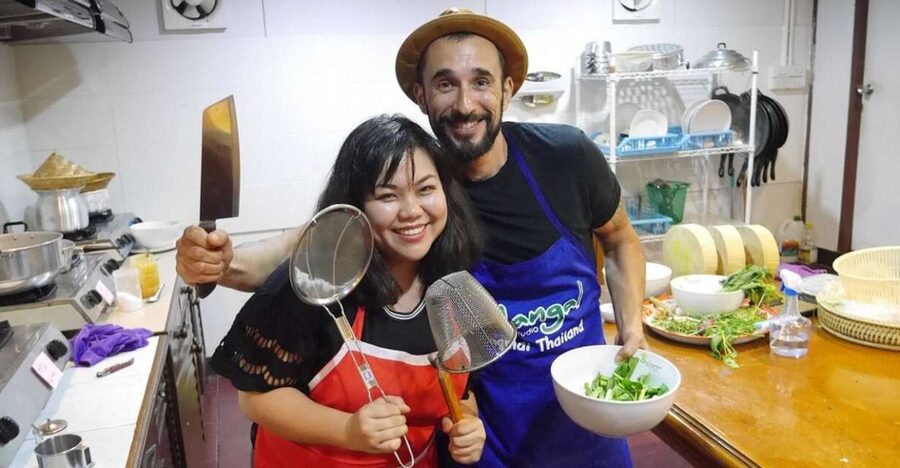
You leave with recipes, and that is not a small detail. The class includes a PDF version of a recipe book, which gives you a clear way to recreate what you made. A number of reviews mention receiving recipes by email as well, so you may get an extra digital handoff after the lesson.
One more practical point: people mention taking food back, not just eating it on the spot. So if the portions feel like a lot, you are set up to enjoy the food that night and again later.
Food wrap-up is helpful because Thai cooking can be flavor rich. If you cook Pad Thai, a soup like Tom Yum, and something spicy like a curry, you can end up with leftovers that keep for a reasonable second meal. That’s a quiet way this class becomes better value, since you are not just paying for a lesson, you’re also getting a full dinner worth of food.
If you want to plan ahead for the home cooking part, take a photo of your finished dishes before you leave. The recipes help, but seeing your plate helps you match the texture and color when you cook later.
Is It Worth $28? Value, Group Feel, and Who It Fits
At about $28 per person for a roughly 5-hour evening, this can feel like a solid deal, especially when you factor in pickup, ingredients, instruction, and the recipe handout. Many cooking schools elsewhere charge more for the teaching plus meal, and this includes round-trip hotel transfer in central Chiang Mai areas.
The value is also in the pacing. You get time to shop, time to cook, and time to eat. That avoids the “watch, then quick cook, then you’re done” feeling that can happen with cheaper classes.
Group feel seems to be a big plus. Multiple reviews describe friendly teachers, clear guidance, and a relaxed atmosphere where you can keep up. In at least some sessions, instructors even run more personalized formats, such as one-on-one when group size is low, which suggests they care about doing it right rather than rushing you through.
Who it’s best for:
- You want an evening activity that teaches real skills, not just a meal.
- You like choosing your own dishes from a Thai menu.
- You care about ingredient context and not only the final flavor.
- You have dietary needs and want substitutions handled during the class.
It’s less ideal if you need a very early dinner, because the class is built around late afternoon pickup and dinner-start timing. It’s also marked as not suitable for people with altitude sickness.
Should You Book This Cooking Class Tonight?
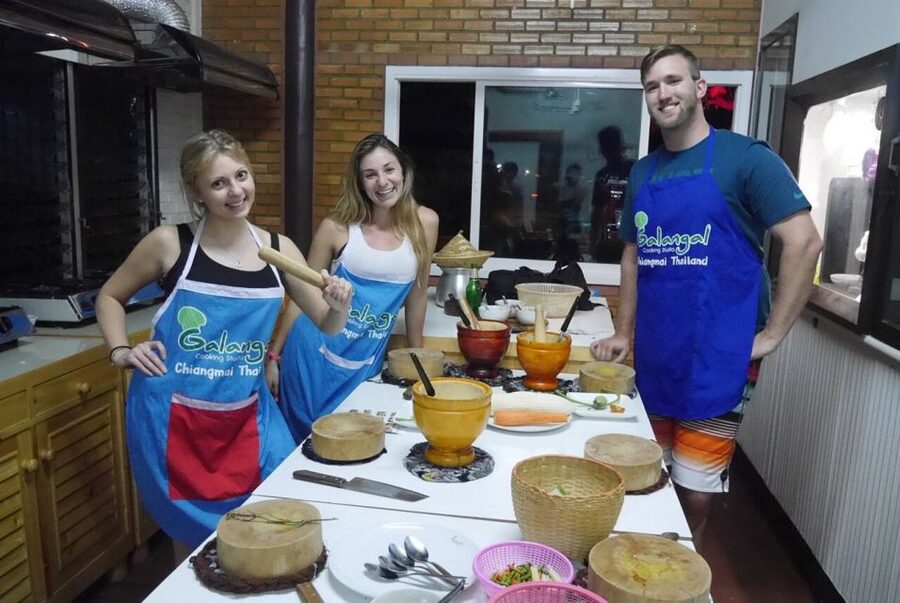
I’d book it if you want the easiest path from Chiang Mai street food cravings to home-cooking confidence. The combination of market and organic garden context, English instruction, menu choice, and curry paste work is exactly what makes this kind of class worth the time and money.
Book it now if your top goal is one or more of these: learning curry paste, cooking a full Thai dinner without stress, and leaving with recipes you can actually follow. Pass if you want a very simple, short class, or if you cannot make the pickup window and dinner timing work for your schedule.
If you’re on the fence, do this quick check: are you willing to come hungry, choose your dishes, and commit to a 5-hour evening with clear instructions? If yes, this is one of the better ways to spend time in Chiang Mai that leaves you with skills, not just photos.
FAQ
How long is the Chiang Mai evening cooking class?
The duration is 5 hours.
What is the price per person?
The price is $28 per person.
Do you get hotel pickup and drop-off?
Yes. Hotel pickup and drop-off are included for hotels in central areas such as the old city, Santitham, Huay Keaw Road up to Maya Shopping Mall, and some additional nearby roads. If your address is outside the pickup area, you will be informed.
What time does pickup happen?
Pickup is offered between 3:15 and 3:45 PM, and the driver may start a bit earlier due to traffic. The driver will wait no longer than 5 minutes after the scheduled pickup time.
What do you do before cooking?
You meet your guide, then go to a local market to see fresh ingredients. You also visit an organic garden where you can walk through and see herbs and vegetables growing.
Can I choose what dishes to cook?
Yes. You can select dishes from categories including stir-fried options, soups, appetizers, and curry/curry paste making.
Are dietary needs handled?
Yes. The class notes options for vegan, vegetarian, halal, and gluten-free needs, and the instructors provide alternatives for allergies and preferences.
Do I get recipes to take home?
Yes. You receive a PDF version of a recipe book.
Can someone observe the class?
Observers are welcome but must pay a fee: 500 THB per person for adults, and 350 THB per child age 6 to 12.
When can I cancel for a full refund?
You can cancel up to 24 hours in advance for a full refund.
More Markets in Chiang Mai
More Shopping Tours in Chiang Mai
More Tour Reviews in Chiang Mai



Not for you? Here's more nearby things to do in Chiang Mai we have reviewed






Chiang Mai Cooking Classes, compared.
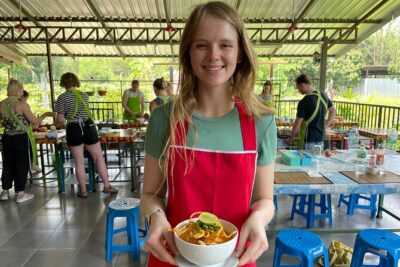 ★ 5.0Half-Day Thai Cooking Class at Organic Farm in Chiang MaiFrom $2919,087 reviews
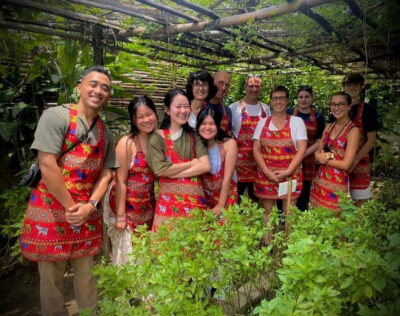 ★ 4.9Cooking Class, Market & Thai Herbs Garden TourFrom $314,824 reviews
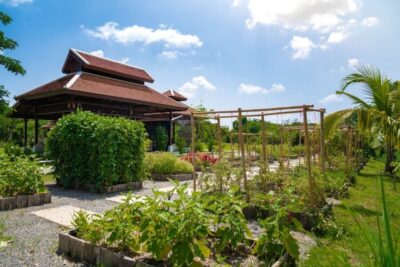 ★ 4.9Authentic Cooking Class with Market & Farm VisitFrom $344,546 reviews
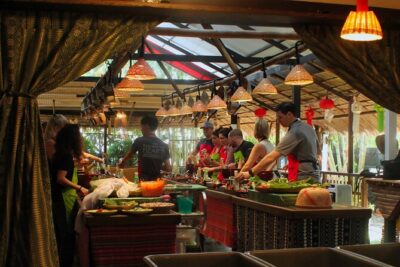 ★ 5.0Thai and Akha Cooking Class in Chiang MaiFrom $424,358 reviews
 ★ 4.9Cooking Class with Market and PickupFrom $251,365 reviews
 ★ 4.9Cooking Class with Organic Farm at Mama NoiFrom $321,151 reviews
 ★ 5.0Full Day Thai Cooking at Farm (Chiang Mai)From $391,127 reviews
 ★ 4.9HALF-DAY COOKING COURSE at a Thai Cooking FarmFrom $28705 reviews
Browse the lists this tour appears in