
REVIEW · CHIANG MAI COOKING CLASSES
Chiang Mai: Cooking Class with Market and Pickup
Your dinner starts at the market. This 210-minute Chiang Mai experience pairs a fresh herb and spice market stop with hands-on Thai cooking at Daddy’s Kitchen, run in a Thai family-style setup with small-group attention. In reviews, guides like Wave and Cha-em are frequently mentioned for keeping the energy high and the steps clear.
I love that you are not just watching. You learn by cooking at your own station, and Daddy’s Kitchen uses fresh herbs and ingredients, so the flavors stay loud and real instead of bland and generic.
One possible drawback: you should come ready to cook and eat, because the class can feel like a mini dinner party. If you are planning a full meal right before, you may find yourself fighting the portions later on.
Key Points You Should Care About
- Market-first learning that helps you understand Thai herbs and vegetables before the stove work begins.
- Your own wok and cooking station, which keeps you active instead of stuck in the back row.
- Small-group format (limited to 10), which makes it easier to get help during timing-heavy steps.
- Menu choice that feels personal, with options across soups, stir fries, and curries.
- Digital recipe e-book (PDF) plus photos, so you can recreate the dishes at home.
- Mango sticky rice included, even if you have to let your taste buds decide how you feel about it.
Market First, Then the Stove: Chiang Mai’s Herb Shopping Lesson
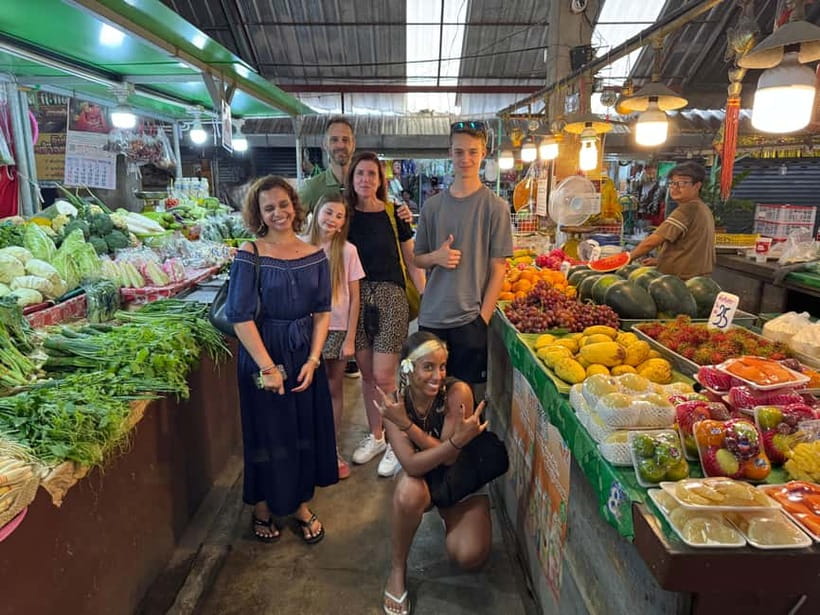
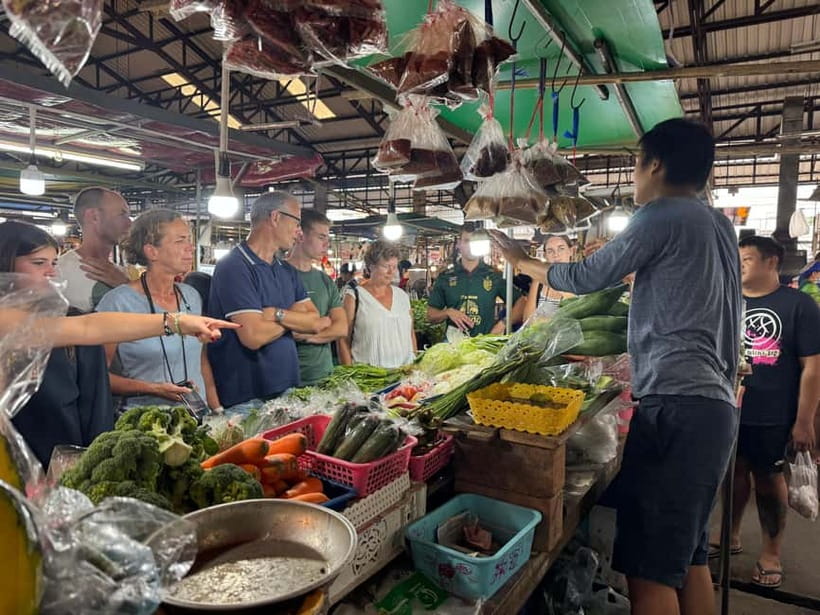
The biggest reason this class works is the order. You start at a local fresh market before you touch a knife. You go to see Thai herbs and vegetables up close, then pick ingredients for the dishes you will cook later. That small sequence change matters, because it turns random grocery shopping into real food knowledge.
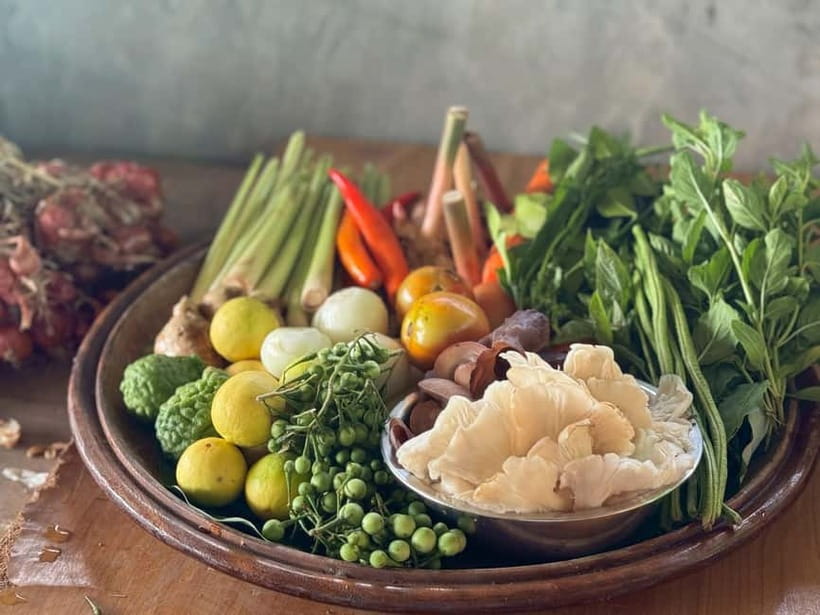
At the market, you get a guided orientation to what people actually use in Thai cooking. One common highlight in the feedback is how the stalls show many varieties of produce, like the surprise of different eggplant types you might not know to look for. Even if you never cook Thai at home, this part helps you spot flavors and textures, not just ingredients.
You also get a practical benefit: you come back to Daddy’s Kitchen with ingredients you recognize. That reduces the guesswork when the chef starts explaining, for example, what goes into a curry paste, or why certain herbs should be added early versus at the end. In other words, the market stop is not sightseeing for its own sake. It is the groundwork for the dishes.
If you are a fan of food travel, you will appreciate the market pace. It is not a rushed drive-by. It is a focused introduction that sets up everything that follows.
You can also read our reviews of more shopping tours in Chiang Mai
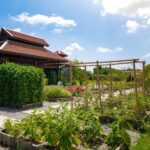
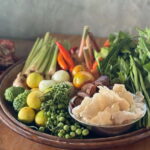
Daddy’s Kitchen Setup: Family-Style Energy, Organized Cooking Stations
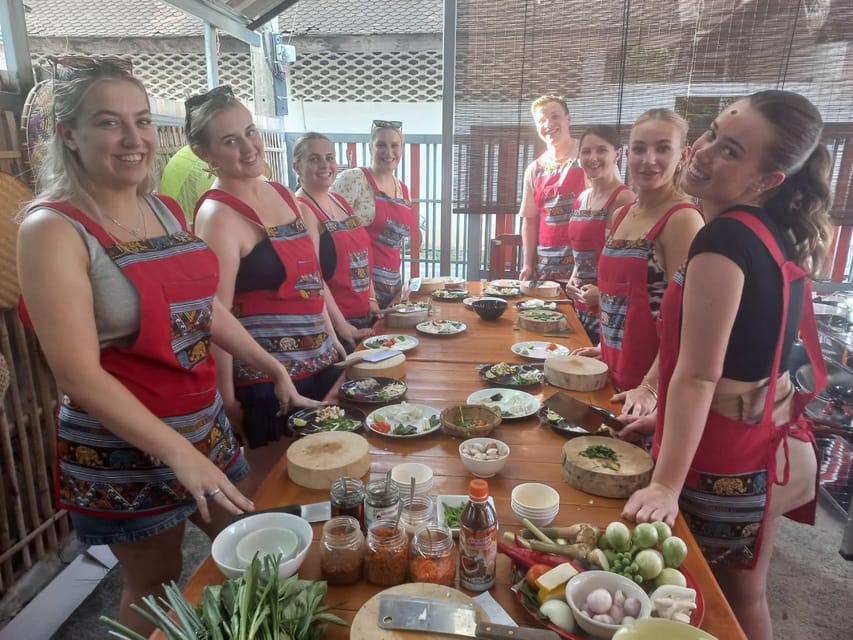
Back at the kitchen, you get a welcome drink and snack. Then the class turns practical fast, because everyone gets their own cooking station and a wok. This is a major detail for cooks and non-cooks alike.
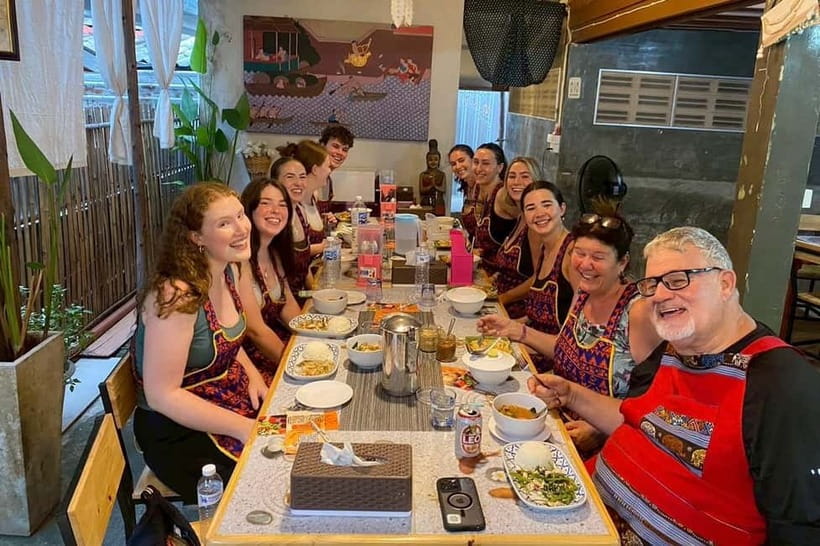
In Thai cooking, timing is everything. Woks heat up quickly, aromatics change fast, and sauces can go from perfect to over-reduced if you drift. Having your own station means you can move at the right speed instead of waiting your turn. Reviews repeatedly call out how smooth and well-run the flow feels, with instructors like New, Pe New, and Tu often credited for keeping people on track.
Daddy’s Kitchen also emphasizes freshness. The info says they use only fresh herbs and ingredients. In plain terms, that means your finished dishes are likely to taste like what you smelled while shopping, not like something that sat too long in a pre-made sauce tub.
Another point that comes up: the kitchen atmosphere is described as Thai family-style, not a sterile classroom. That matters if you are nervous about cooking. A warm home kitchen usually makes it easier to ask dumb questions, adjust techniques, and laugh at the inevitable mistakes.
How the Hands-On Lesson Actually Works
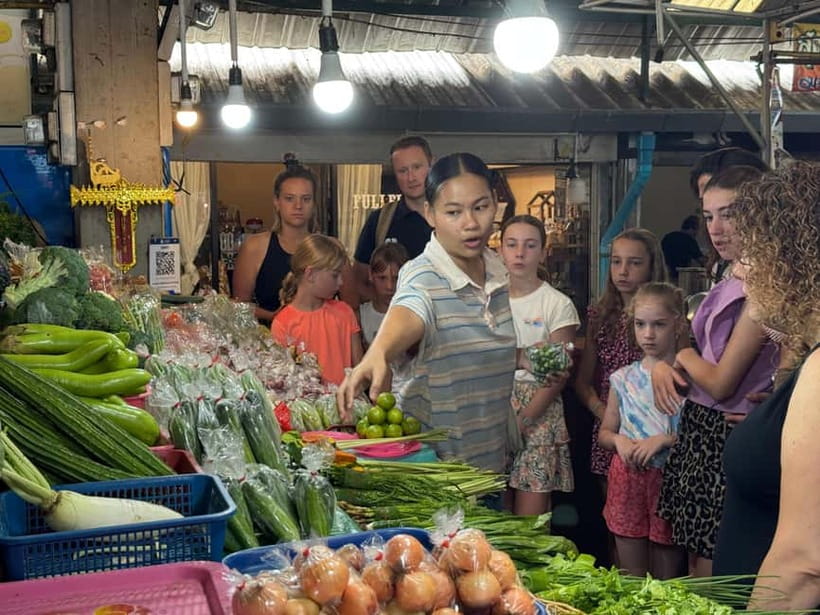
This is a hands-on class, not a show. You use a guided method to prepare and cook your own Thai dishes. The instructor teaches you step-by-step, and you build your menu from what is offered, so you are cooking what you want to eat.
The format is also designed for English speakers. Instruction is in English, which helps a lot if you are traveling with limited Thai language. Reviews highlight that the guides often keep things fun, even with complicated steps. Cha-em, Kimmy, and Emy are repeatedly mentioned as hosts who keep the group engaged with humor while still directing precise actions.
Here is the practical rhythm you can expect:
- Market stop and ingredient selection
- Return to the kitchen for welcome drink and snack
- Cooking begins with a set of dishes you choose from
- You work through prep and cooking with your own wok and station
- You eat what you cook, then take a recipe pack home digitally
The big value is confidence. Even if you start as a total non-cook, the class is structured so you can succeed. Several comments mention that people with zero cooking skills felt comfortable following instructions and still produced great-tasting dishes.
One small consideration: if you are the type who likes very hands-off activities, this may feel busy. You are cooking. You are tasting. You are moving through steps on a schedule.
Choosing Your Menu: Soups, Stir Fries, and Curries
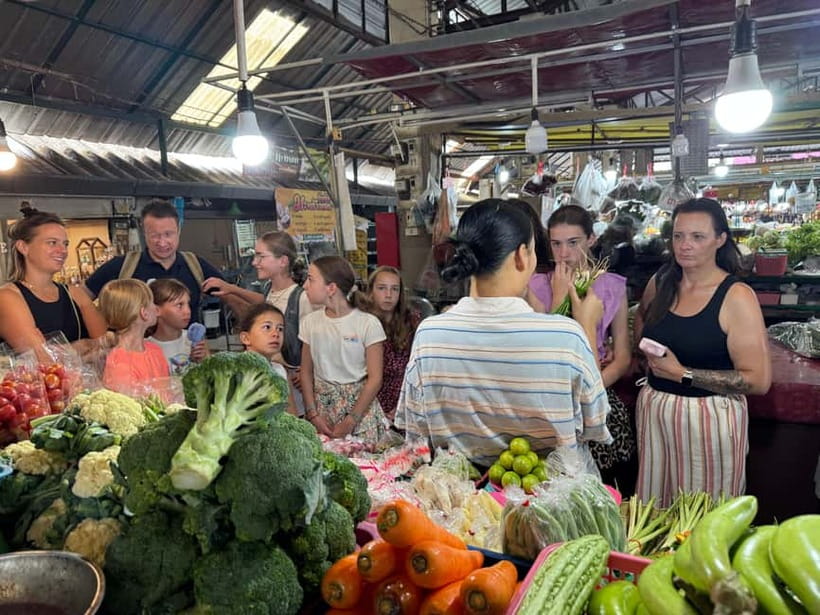
One of the most praised parts is menu choice. Instead of a fixed class menu where everyone eats the same thing, you get options across categories. The info also notes a Thai recipe book in digital form, plus photos, which supports the idea that your dish selection is part of the learning goal.
Based on what people describe, you can expect a menu with multiple picks, such as:
- 3 soup options
- 3 stir-fry options
- 4 curry options
- plus the chance to make curry paste for some dishes
The exact lineup can vary by session, but the structure stays similar: soups, stir fries or mains, and curries. That mix is smart because it teaches you how Thai flavors change across dishes, not just one cooking technique.
A few concrete examples from feedback:
- Pad Thai came up as a standout dish.
- Mango sticky rice is included for dessert, and it is often good even when opinions vary.
- Koh soi appears as a possible curry-style option, depending on what you choose.
One subtle trick: many reviewers mention that you get a lot of food during the class, often more than you expect. You may finish feeling you ate a full dinner. If you are trying to keep the night open for other plans, plan your timing accordingly.
What You’ll Cook and Eat: From Curry Paste to Mango Sticky Rice
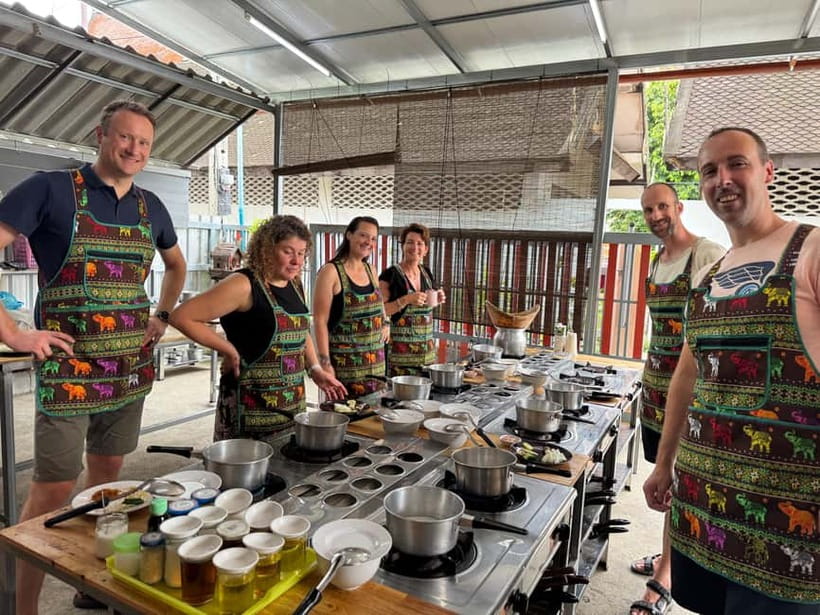
This is the part that turns a cooking class into an actual meal. You will make multiple dishes, then eat them. Reviews give a consistent picture of the dish mix, with some differences depending on whether you come as a solo guest or as part of a couple or group.
If you come solo, you might cook a smaller number of dishes, with certain components like curry paste and mango sticky rice handled as part of team work. If you come as a couple, many people report cooking four dishes each, with the curry paste and sticky rice still tied to group coordination.
Across many sessions, the dish pattern looks something like:
- a soup course
- a main or stir-fry style dish
- a curry or Koh soi dish
- a dessert of mango sticky rice
The learning payoff is that you practice the core Thai building blocks. Curry paste teaches you how aromatics and spices form the base flavor. Stir fries teach you how to manage heat and texture. Soups and curries show how Thai dishes balance salty, sweet, sour, and spicy depending on timing and ingredients.
Dessert is mango sticky rice, and it is included. Some people loved it. Some had mixed feelings. That is normal for any dessert with a bold flavor profile. The key is that you will leave knowing how it is made and why it tastes the way it does.
If you want one practical tip from the feedback, it is this: do not eat a big breakfast right beforehand. More than one person said they made the mistake of eating too much before class and wished they had left more room.
More Chiang Mai temple visits, food walks, elephant experiences, mountain trips, and northern Thailand day tours to compare




English Guidance, Small Group Size, and the Role of the Instructor
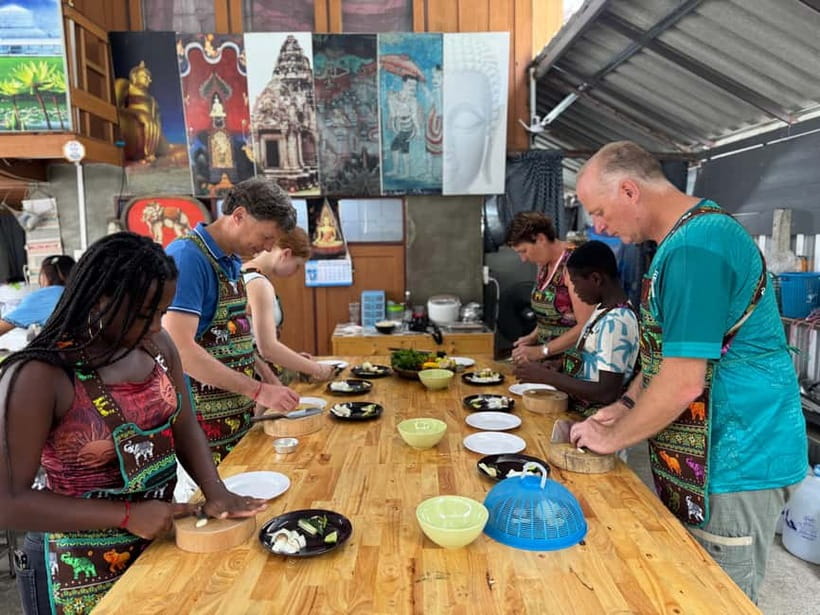
The class runs with a small group capped at 10 participants. That changes the feel in a good way. You are not lost in a crowd. You have your own station, and the guide can spot when someone is rushing, hesitating, or using the wrong timing.
English instruction helps the teaching land. Names that show up again and again in the reviews include Wave, Cha-em, New (and Pe New), Tu, Kimmy, Toey, and Emy. While the names differ, the pattern is consistent: guides are described as funny and engaging, but also structured about what to do next.
That balance is what you want in a cooking class. Humor keeps it relaxed. Clear direction keeps it from becoming chaos.
If you want a confidence boost, look for an instructor noted for keeping people on track. Many reviewers specifically praise that kind of energy, where you feel guided even when you are new to Thai cooking.
Price and Value: Why $25 Feels Like a Steal
At $25 per person for a 210-minute experience, the value is the story here. You are not paying just for recipes. You are paying for:
- hotel pickup and drop-off
- market visit and ingredient selection
- hands-on cooking instruction
- cooking station and wok
- ingredients
- mango sticky rice dessert
- a digital recipe e-book (PDF) and photos
When you compare it to what you might pay for a restaurant dinner plus a market tour plus a cookery workshop, this price structure is hard to beat. The biggest reason is scale. The class is small, but the per-person cost stays low.
You also get a take-home tool. The digital recipe book is designed for repeating the dishes later, so the value stretches beyond the evening. One reviewer specifically mentioned taking the recipes home and using the cookbook plus additional availability after the class, which tells you the support does not end the moment you leave the kitchen.
Also, transport is included. In Chiang Mai, that matters because it saves time and helps you arrive without stress. One review highlights that transport was highly rated, with many people giving it a perfect score.
One caution on value: because the class is popular and the group is capped, sessions fill. If you want the time slot that matches your day, lock it in early.
Alcohol Rules and What’s Included in Your Meal

Alcoholic beverages are not included. The information also states that alcohol and drugs are not allowed. So think of this as a clean, family-style cooking night, even if other dining options around Chiang Mai may feel more social.
What is included is the meal itself, plus the materials that make cooking possible. That includes every ingredient and the setup at your station.
You should plan your appetite accordingly. The class is structured so you end up eating what you cook, and reviews repeatedly say you leave full.
If you have dietary restrictions, the provided data does not spell out special options. In that case, you might want to confirm with the operator before booking so you are not surprised.
Who Should Book This Cooking Class, and Who Might Not
This fits best if you want practical Thai cooking knowledge without needing to be an expert.
You will likely enjoy it if you:
- want to learn by doing, not just watching
- like market food and ingredient education
- want a small-group experience with personal attention
- are happy cooking multiple dishes and eating right away
- want a digital recipe pack you can actually use later
It might feel less ideal if you:
- hate kitchens or quick-paced cooking
- want a very quiet, minimal-activity tour
- prefer a totally fixed menu where you cannot choose what to cook
- are traveling with very small kids, since it is not suitable for children under 5
For older adults, there is also an upper age note: people over 95 years are not suitable. For most adults, it is described as fine even if you are not an experienced cook, because the class is built around hands-on teaching.
Should You Book Chiang Mai Daddy’s Kitchen With Market Pickup?
Yes, I would book it if your goal is a real Thai food lesson you can repeat. The strongest reasons are the combination: fresh market ingredient learning, your own wok and station, and English-guided hands-on cooking in a small group.
It is especially good value if you want more than one dish and a structured experience that runs long enough to feel like a full evening, but short enough to keep your next day flexible. Plus, you get the mango sticky rice dessert included and a digital recipe e-book with photos, so you have a souvenir you can use in your own kitchen.
Skip it only if you want a low-effort tour, or you know you will not enjoy cooking multiple steps in a paced setting.
If you are choosing between cooking classes in Chiang Mai, this one earns a strong recommendation because it does what it promises: you shop for ingredients, you cook with fresh inputs, you eat what you make, and you leave with recipes in hand.
FAQ
How long is the Chiang Mai cooking class with market and pickup?
The duration is 210 minutes, about 3.5 hours.
Do I get hotel pickup and drop-off?
Yes. Hotel pick-up and drop-off are included, and you should wait in the hotel lobby 30 minutes before the class start.
Is the class small group or private?
It is a small group limited to 10 participants.
What language is the instruction in?
The instructor teaches in English.
Do I cook hands-on or just watch?
It is hands-on. You cook using your own cooking station and wok.
What is included in the price?
Included are hotel pickup and drop-off, the hands-on cooking class, all ingredients, cooking station setup, mango sticky rice dessert, and a digital recipe e-book.
Is alcohol included?
No. Alcoholic beverages are not included, and the activity rules state that alcohol and drugs are not allowed.
Is this suitable for beginners or kids?
It is suitable for skilled cooks and also fine for non-skilled cooks because it is taught hands-on. It is not suitable for children under 5, and people over 95 are not suitable.
More Markets in Chiang Mai
More Shopping Tours in Chiang Mai
More Tour Reviews in Chiang Mai



Not for you? Here's more nearby things to do in Chiang Mai we have reviewed







Chiang Mai Cooking Classes, compared.
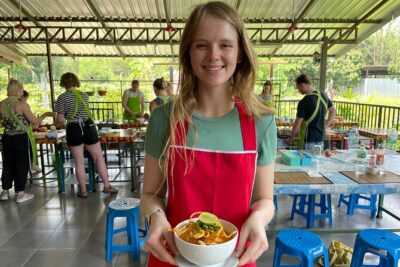 ★ 5.0Half-Day Thai Cooking Class at Organic Farm in Chiang MaiFrom $2919,087 reviews
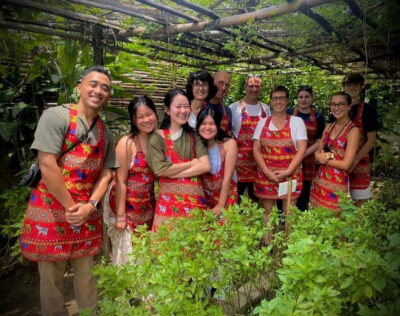 ★ 4.9Cooking Class, Market & Thai Herbs Garden TourFrom $314,824 reviews
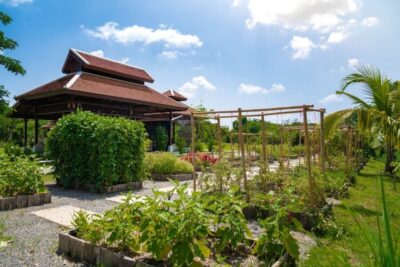 ★ 4.9Authentic Cooking Class with Market & Farm VisitFrom $344,546 reviews
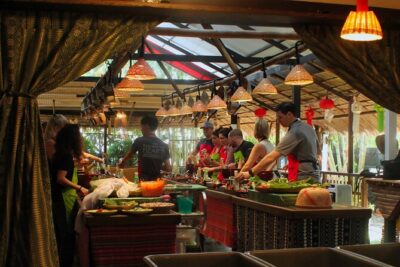 ★ 5.0Thai and Akha Cooking Class in Chiang MaiFrom $424,358 reviews
 ★ 4.9Cooking Class with Organic Farm at Mama NoiFrom $321,151 reviews
 ★ 5.0Full Day Thai Cooking at Farm (Chiang Mai)From $391,127 reviews
 ★ 4.9HALF-DAY COOKING COURSE at a Thai Cooking FarmFrom $28705 reviews
 ★ 4.9Evening Cooking Class and Local Market VisitFrom $28648 reviews
Browse the lists this tour appears in