
REVIEW · CHIANG MAI COOKING CLASSES
Cooking Morning Class Chiang Mai Visit Organic Garden and Market
Cooking in Chiang Mai starts with the ingredients. This morning class pairs a guided market visit with an organic garden walk, then turns it into a hands-on cooking session where you pick your own menu and cook multiple courses. It is the kind of format that helps you understand Thai flavors, not just copy recipes.
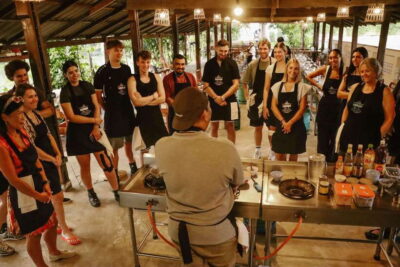
Two things I really like are how direct the learning feels, and how hands-on the cooking is. You cook at your own one-person-per-wok setup, and you also grind curry paste yourself using your own mortar. One consideration: the class is structured and staff may have some prep done ahead of time, so if you are hoping for a super slow, everything-from-scratch experience, you might feel there is less chopping time than you imagined.
Key Highlights You’ll Actually Care About
- Hotel pickup and drop-off from select Chiang Mai Oldtown hotels to keep the morning easy
- Market then garden so you learn ingredients before you cook them
- One person per wok plus hands-on curry paste grinding for real practice
- Six-course menu choice per person, including a dessert and options for vegetarian, vegan, and gluten-free
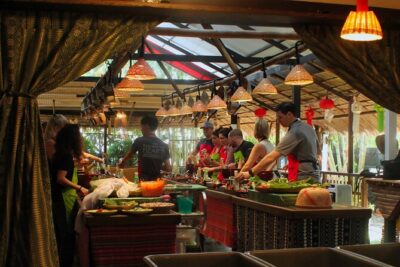
- Both dining styles available, indoor air-conditioning or open-air in the garden pavilion
- English-speaking instruction plus a full color online recipe book and photo albums
Siam Garden Cooking School: A Morning Built Around Ingredients
Siam Garden Cooking School in Chiang Mai is set up for one job: help you understand Thai food by touching the ingredients first. The flow is simple, market at the start, organic garden next, cooking right after. That order matters. When you buy herbs, notice how fruits smell and look, and learn what goes into curry paste, the flavors make more sense once you are at the stove.
The class is also designed for personalization. You do not just get one fixed menu. Each person chooses a menu style that can fit vegetarian, vegan, or gluten-free preferences. You can also adjust how spicy you want your food. That is a big deal in Thai cooking, because spice level can change the feel of the whole dish.
And the training style is very “do it with me.” Several instructors are mentioned in class experiences, including Gift and Cream, with support and step-by-step guidance during cooking. Expect clear direction and a busy kitchen setup that moves on schedule, not a slow cooking lab where everything is optional.
You can also read our reviews of more shopping tours in Chiang Mai
Hotel Pickup and Timing: What the Schedule Feels Like
This experience runs a morning block from 9:00 am to about 2:00 pm, with the exact end time depending on the group. Pickup typically happens 9:00 to 9:30 am. Then you head out to the local market around 10:00 am, followed by arrival at the cooking school at about 10:30 am.
Here is the practical value: you do not waste your morning trying to coordinate transport or find the right local food stops. The tour includes transport from and to the hotel in Chiang Mai Oldtown for select pickup hotels, and it returns you back to the meeting point at the end.
A small reality check. Even though it is a half-day experience, it is active. You will be walking through a market, moving through the school, and cooking multiple dishes. Wear comfortable shoes and plan to stay mentally switched on from the first pickup moment.
Market Visit: Learning Thai Flavors Before the Wok
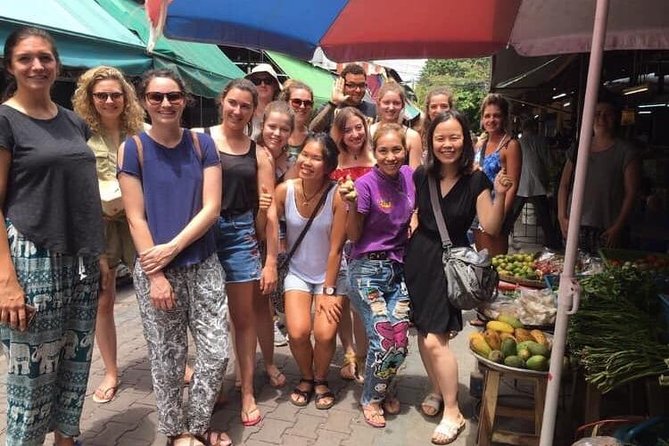
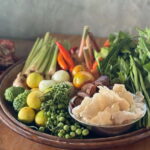
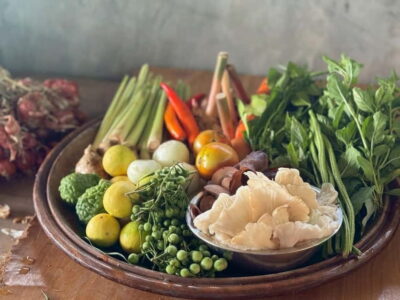
The market stop is where the class earns its credibility. You go with a guide to select fresh seasonal produce and understand how Thai ingredients get used. This is not a quick look at fruit stands. It is about learning what matters in Thai cooking, like which herbs show up in the dishes you will make later.
In particular, the market visit can help you connect Thai ingredients to the dishes on your menu. If you are choosing curry paste, soup, stir-fried dishes, and dessert, you need to know what those flavors taste like in raw form first. This is also where the day often feels fun because you get to see a range of produce up close, including different fruits and staples that you do not always spot in supermarket aisles at home.
One practical tip for yourself: go in with a plan for your spice level and dietary needs before you arrive at the cooking school. That keeps menu changes smooth once you are picking your six dishes.
Organic Garden Stop: Picking Herbs and Understanding Why They Matter
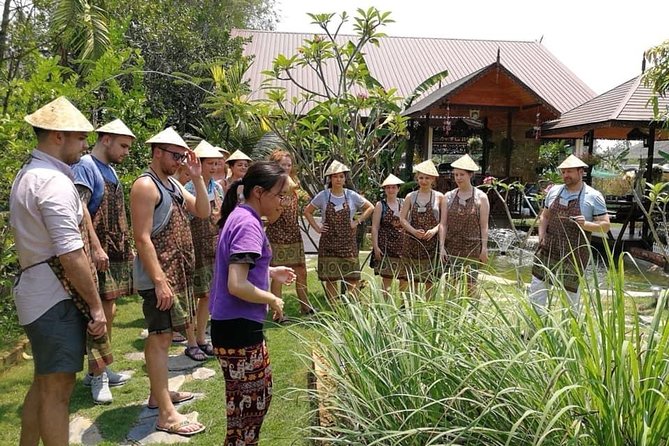
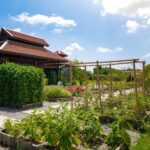
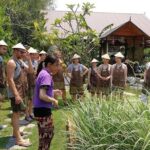
After the market, you arrive at the cooking school and then visit their organic garden. This is where you go from ingredient shopping mode to ingredient meaning mode.
The garden stop matters because Thai cuisine often depends on fresh herbs and aromatic leaves. Seeing them growing, and hearing what each ingredient does, makes it easier to remember in your own kitchen later. You also get a sense of how local the approach is, not just “use a spice mix from a jar.”
If you like science but in a practical way, this garden visit is for you. It shows how greens, leaves, and herbs function as flavor carriers, not just garnish. In the cooking sessions, that knowledge pays off when you start building dishes like curry paste, soup, and stir-fries.
The Cooking Class: Six Courses You Choose, One Person Per Wok
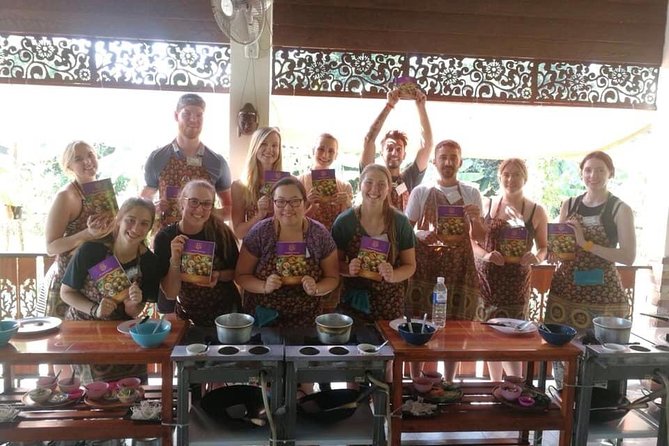
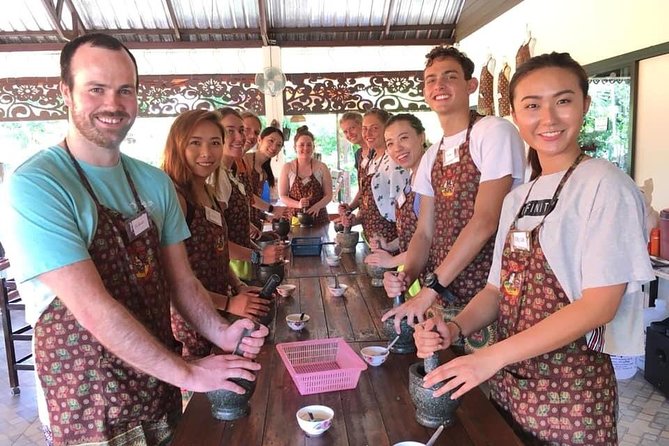
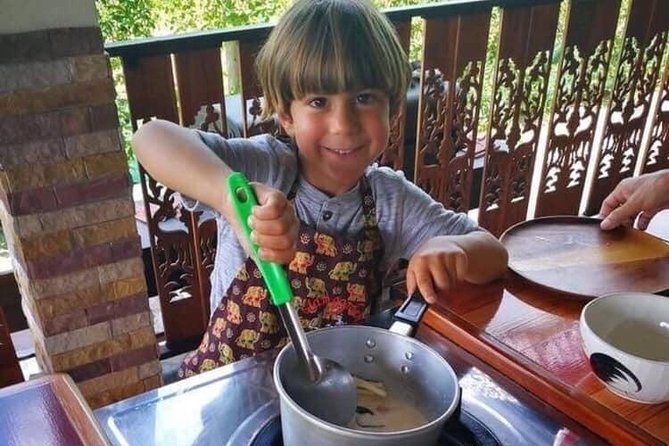
This is the heart of the experience. The class is hands-on, and it is built around a six-course structure. Each person chooses dishes in these categories:
- One appetizer
- One curry paste
- One curry
- One stir-fried dish
- One soup
- One dessert
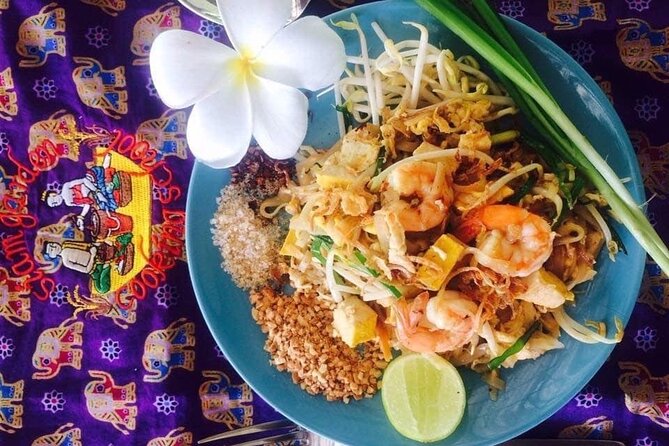
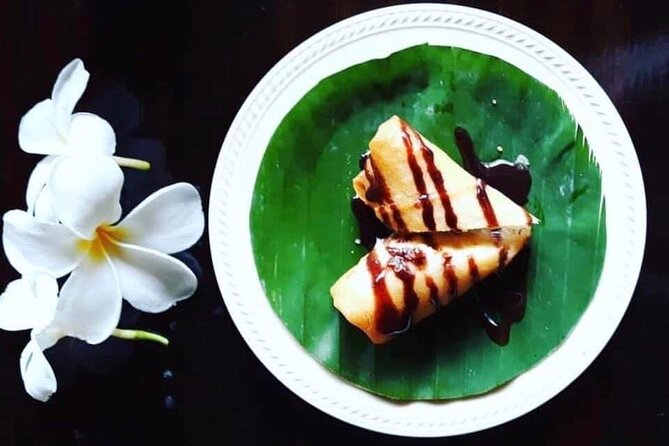
You might see examples like sticky rice with mango, Pad Thai, or tom yum soup named in course ideas. Even if you do not choose those exact dishes, the method learning is the same logic: make curry paste, cook the curry, balance soup flavors, then finish with something sweet.
More Chiang Mai temple visits, food walks, elephant experiences, mountain trips, and northern Thailand day tours to compare



How the instruction works in real life
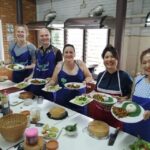
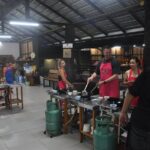
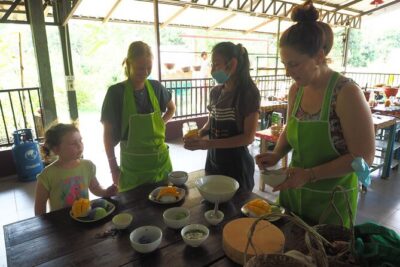
The class is organized so you can cook efficiently, not just watch. You get an individualized station with a one person per wok setup. For curry paste, you also get hands-on grinding experience using a mortar and pestle.
Expect a guided rhythm. Some preparation can be done before you start, which can shorten the time you spend cutting every single ingredient from scratch. If you are the type who loves hours of prep work, you might wish for more time on the chopping board. If you prefer actually learning how to cook, taste, and finish dishes you can eat, this structure is a good match.
Spice control and dietary options
You can make your food spicy or mild. That flexibility is key, especially if your idea of Thai spice is different from what the chef considers mild.
Diet options are also built into the menu selection. You can choose vegan, vegetarian, or gluten-free options, and allergic options are available if you inform the staff during menu selection on the day of the class.
Learning sticky rice the useful way
The experience specifically includes learning how to cook glutinous rice for sticky rice with mango. That is a great practical skill because sticky rice is one of those dishes people struggle with at home. If you nail that once here, you can use the technique again later for other Thai desserts.
Lunch Setup: Air-Conditioned Dining or Open-Air Pavilion
When your dishes are done, you eat them. The experience includes eating all your food or take away. That flexibility is handy if you finish full and want leftovers for later.
Dining options are also a nice touch: you can eat in a Chiang Mai-styled dining room with air conditioning, or in an open-air Thai garden pavilion. Choosing depends on your comfort level. If you want to cool down, the air-conditioned room is the obvious pick. If you want the more atmosphere-forward setting, the garden pavilion is where you feel the place.
You’ll likely get tea, coffee, and drinking water as well. Alcoholic beverages are available to purchase, but they are not included.
What You Get Beyond the Meal: Recipe Book and Photos
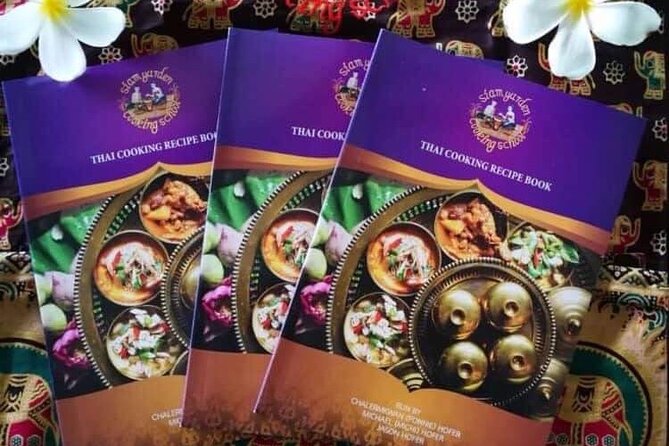
One reason this class stays practical is the follow-through. You receive a full color online recipe book, plus online photo albums. That matters because you will forget some tiny steps after the excitement fades.
The recipe book is especially useful because you made six dishes yourself. It turns the morning into something you can replicate later, not just a nice meal you move on from.
Also, the class includes free Wi-Fi, which can help you save photos or reference recipes on the spot if your phone is your kitchen tool.
Value and Price: Why $13.04 Can Make Sense in Chiang Mai
At $13.04 per person, the value here comes from the combination of experiences. You are not only cooking. You are also paying for guided shopping at a market, an organic garden stop, ingredient selection support, and an English-speaking instructor who helps you cook multiple dishes.
In many cooking classes, the cost covers mostly the kitchen time. Here, a big part of what you pay for is the ingredient education: market guidance plus garden learning. That is the difference between a fun cooking session and a class that gives you usable context.
You also get meaningful structure. The six-course format and menu choice mean you are not just making one dish and calling it a day. You leave with several different flavor profiles you can recreate, from curry elements to soup to dessert.
So the price feels low, but the format is not low-effort. The learning is built into the flow.
Who Should Book This Cooking Morning in Chiang Mai
This class is a strong fit if you want:
- A hands-on Chiang Mai cooking class where you cook multiple dishes yourself
- Clear instructions, with staff support and an English-speaking instructor
- Ingredient learning that starts at a local market and continues in an organic garden
- Menu flexibility, including vegan, vegetarian, and gluten-free choices
- Hotel pickup and drop-off for a stress-light morning
It may be less ideal if you want a slow, leisurely cooking experience where you do every prep task yourself with no shortcuts. The kitchen here is run with structure and speed, and some prep may be done ahead of time.
Quick Decision Checklist: Should You Book It?
Book this if you like the idea of learning Thai cooking from the inside out, market first, garden next, then your own wok for six courses. The mix of ingredient education, personalization, and hands-on cooking makes it a good value pick.
Skip it if you mainly want a casual meal with minimal structure. This is a working class kitchen day, not a passive tasting tour.
If you are the kind of person who wants to come home with recipes you can actually cook, this is the type of Chiang Mai morning that pays off later.
FAQ
How long is the cooking morning class in Chiang Mai?
The experience runs about 4 hours 30 minutes. It is scheduled from 9:00 am to about 2:00 pm, and the exact finish time can vary based on the group.
What is the typical schedule for the day?
Pickup is usually 9:00 to 9:30 am, then you go to the local market around 10:00 am. You arrive at the cooking school at about 10:30 am for the organic garden visit, then you cook and eat until the class ends around 2:00 pm.
Is hotel pickup and drop-off included?
Yes. The tour includes transport from and to the hotel in Chiang Mai Oldtown for select pickup hotels, and it ends back at the meeting point.
How does the menu choice work?
Each person can choose dishes for a six-course menu: one appetizer, one curry paste, one curry, one stir fried dish, one soup, and one dessert.
Can I choose vegan, vegetarian, or gluten-free options?
Yes. The class offers meat, vegetarian, vegan, and gluten-free menu options, plus allergic options. You should inform staff during the menu selection on the day of the class.
Will I be eating what I cook?
Yes. The experience includes eating all your food. If you prefer, you can also request take away.
Is alcohol included?
No. Alcoholic beverages are available to purchase, but they are not included in the price.
Final Thought: Book or Skip
If you want a Chiang Mai morning that teaches you ingredients, structure, and technique, this class is a good bet. The market plus organic garden approach, combined with hands-on cooking at your own station, makes it more than a one-meal activity. If you fit those goals, I would book it.
More Markets in Chiang Mai
More Shopping Tours in Chiang Mai
More Tour Reviews in Chiang Mai



Not for you? Here's more nearby things to do in Chiang Mai we have reviewed






Chiang Mai Cooking Classes, compared.
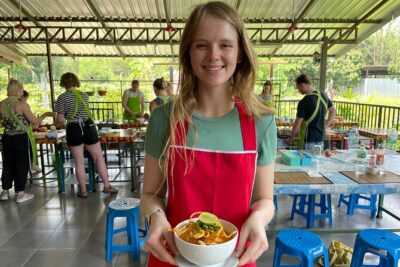 ★ 5.0Half-Day Thai Cooking Class at Organic Farm in Chiang MaiFrom $2919,087 reviews
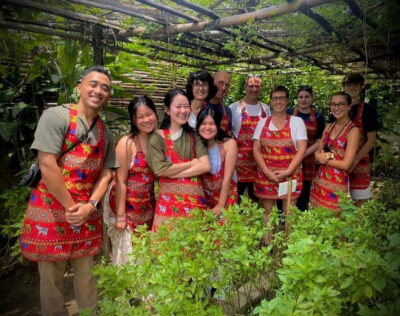 ★ 4.9Cooking Class, Market & Thai Herbs Garden TourFrom $314,824 reviews
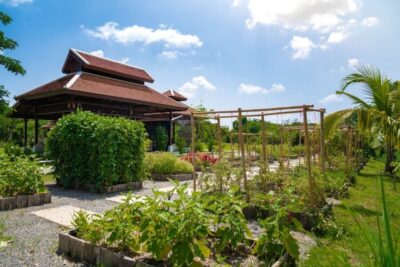 ★ 4.9Authentic Cooking Class with Market & Farm VisitFrom $344,546 reviews
 ★ 5.0Thai and Akha Cooking Class in Chiang MaiFrom $424,358 reviews
 ★ 4.9Cooking Class with Market and PickupFrom $251,365 reviews
 ★ 4.9Cooking Class with Organic Farm at Mama NoiFrom $321,151 reviews
 ★ 5.0Full Day Thai Cooking at Farm (Chiang Mai)From $391,127 reviews
 ★ 4.9HALF-DAY COOKING COURSE at a Thai Cooking FarmFrom $28705 reviews
Browse the lists this tour appears in