
REVIEW · CHIANG MAI CITY HIGHLIGHTS TOURS
Chiang Mai: 3 Hour Old City and Temples Guided Walking Tour
Three temples in three hours, with context.
This guided Old City walk in Chiang Mai is a fast way to understand Lanna beliefs and temple design without getting lost in a maze of courtyards. You’ll start at Wat Chedi Luang, move through a smaller teak-wood highlight, then end at the famous Wat Phra Singh complex with big-photo energy.
I especially like how the guide turns stone and wood into stories you can remember. Wat Chedi Luang’s largest stupa theme gives you a clear anchor, and Wat Phan Tao’s intricately carved teak facades reward you for slowing down and looking closely.
One consideration: you’ll pay extra for entry at some stops, and the dress code is strict (covered shoulders and knees), so plan your outfit before you go.
Key Things You’ll Notice on This Walk
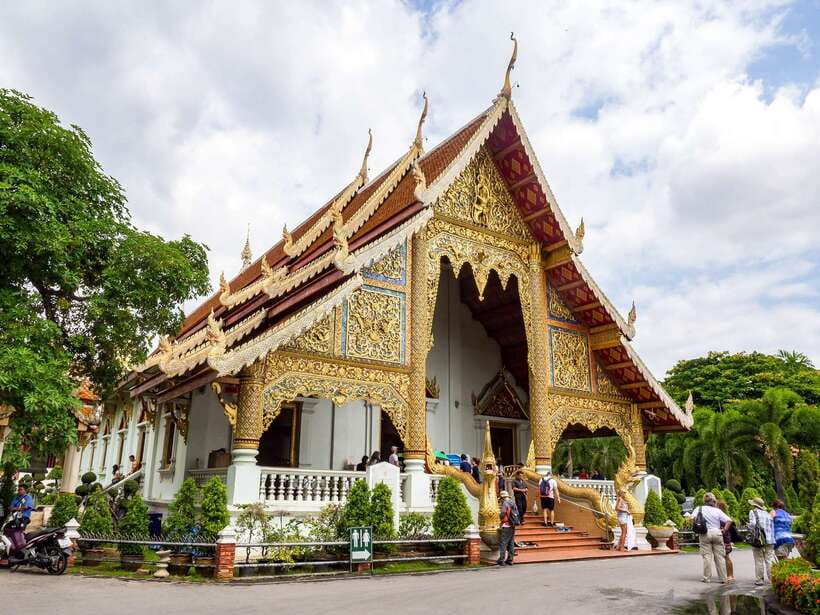
- Wat Chedi Luang: a 14th to 15th century temple vibe with the biggest stupa in Chiang Mai
- Teak wood carvings at Wat Phan Tao: smaller in scale, but made to stop you in your tracks
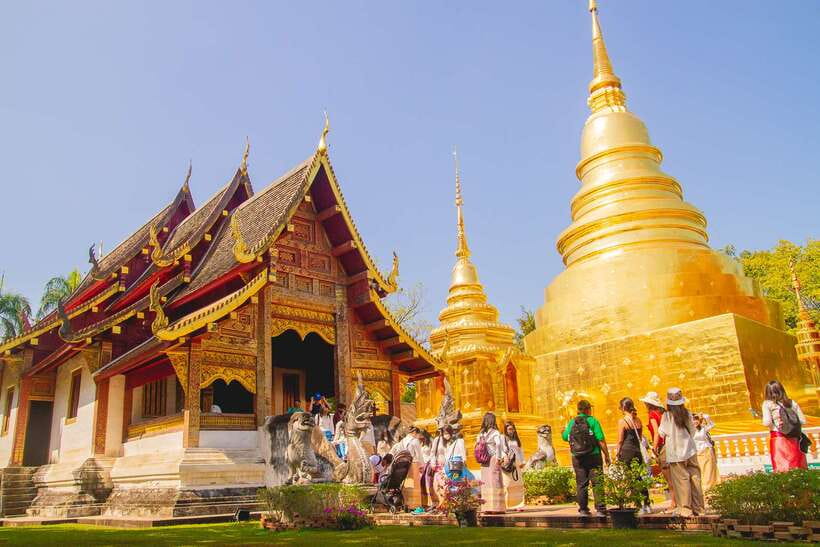
- Wat Phra Singh’s mosaic sanctuary and Lion Buddha: details that feel made for close-up photos
- Shoe-off temple routine: you may remove footwear more than once, so wear easy slip-on options
- English guide storytelling: expect explanations about Buddhism that connect to what you’re seeing
- GSTC-style low-impact approach: carbon offsetting is built into how the tour runs
Chiang Mai Old City Temples, Packed Into a Clear 3 Hours
This is a practical, focused route. You get a guided circuit that hits major Old City landmarks while still leaving you enough energy to explore on your own afterward.
I like that the pacing is structured. Each temple gets its own time block with a guide, so you’re not just wandering from one signpost to the next while trying to figure out what you’re looking at.
You can also read our reviews of more walking tours in Chiang Mai

Wat Chedi Luang: Chiang Mai’s Largest Stupa and Lanna-Style Details
You begin at the entrance of Wat Chedi Luang, and the first guided stop runs about an hour. The star here is the temple’s stupa, built between the 14th and 15th centuries, and described as the largest stupa in Chiang Mai.
What I love about this start is how it frames the whole day. Once you understand what the stupa represents and why this temple is so central to the city’s religious life, the other stops feel less random and more connected.
In the compound, you’ll get a close look at Lanna-style design. It’s the kind of detail you might miss if you only take photos, so this is where a good guide earns their keep by pointing out design choices you can’t “guess.”
Practical note: this first site is also where you’ll likely feel the heat most, so keep water handy even if it’s not peak summer. One common tip from past participants is that it can still feel warm even in cooler months.
Wat Phan Tao: Small Temple Energy, Teak Wood That Demands Attention
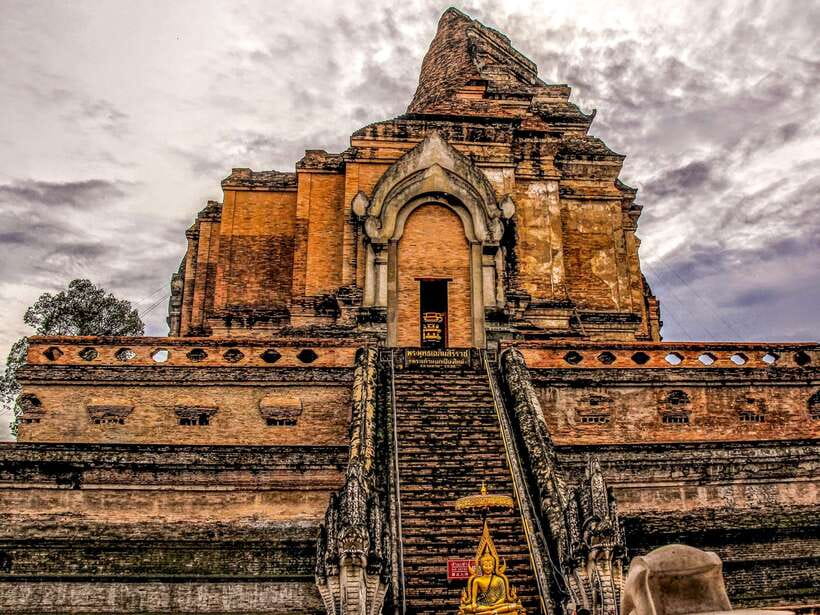
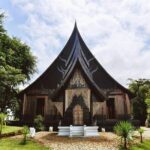
After Chedi Luang, the tour moves to the smaller, more intimate side of the Old City. The program highlights Wat Phan Tao, known for teak wood facades carved with careful detail.
Yes, it can seem smaller at first glance. But that’s exactly the point, the design is meant for close viewing, not big-distance admiration.
This stop also has an extra historical hook. The teak carvings and structure connect to the temple’s past as a throne hall for King Mahotara Prateth before it became a dedicated house of prayer. That context matters because it helps you interpret the architecture as a living space with changing roles, not just an artifact behind a fence.
If you’re the type who likes to look for craftsmanship, you’ll probably spend more time here than you expected. The best approach is to slow down, let the guide describe what you’re seeing, then circle to see it from different angles.
Wat Phra Singh: Mosaic Sanctuary, Lion Buddha, and Gold-Trimmed Grandeur
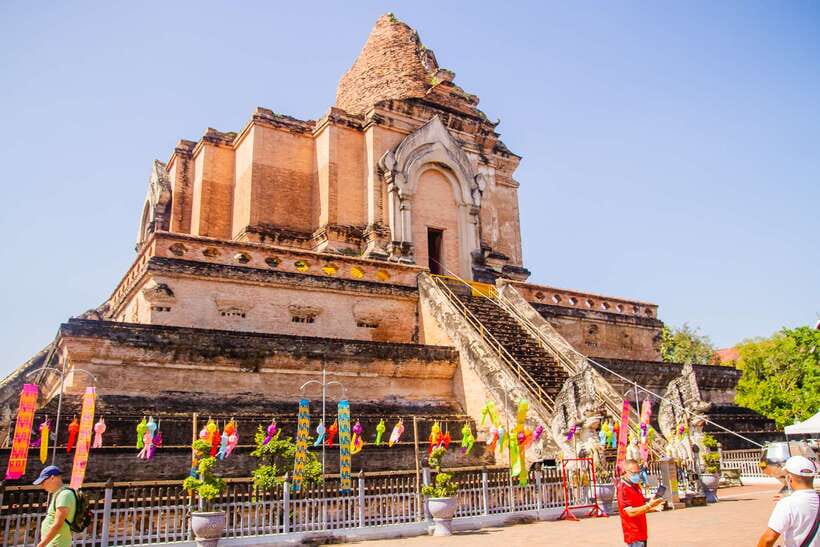
The final temple is Wat Phra Singh, and this is where the Old City tour turns visually dramatic. This 14th century complex is described as one of Chiang Mai’s finest temples, with lush grounds and multiple standout features.
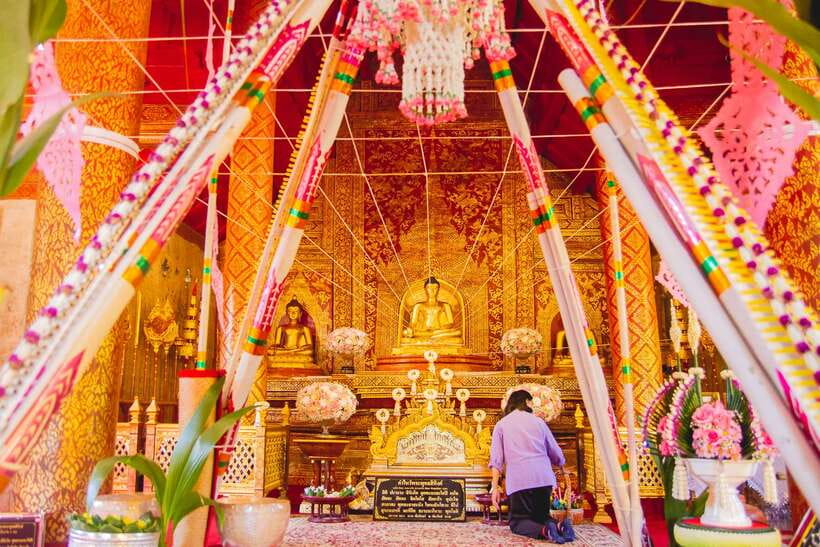
The mosaic-inlaid sanctuary is the big draw. Expect intricate surface decoration that changes how the light hits the space, so photos can look flat if you stand too far away. Give yourself time to step closer, then let the guide explain what you’re looking at.
You’ll also spot a large Lion Buddha statue and gilded pagodas, plus plenty of “turn your head, there’s another detail” moments. This is the stop that rewards curiosity, because the architecture is layered and the best views tend to come from walking a little off your default path.
The walk ends at Wat Phra Singh Woramahawihan, so you’ll finish right in the heart of the temple area. That’s convenient if you want to keep going independently after the tour, since you’re already set up for more Old City exploring.
Temple Visits 101: Shoes, Scarf, Heat, and What Counts as Proper Dress
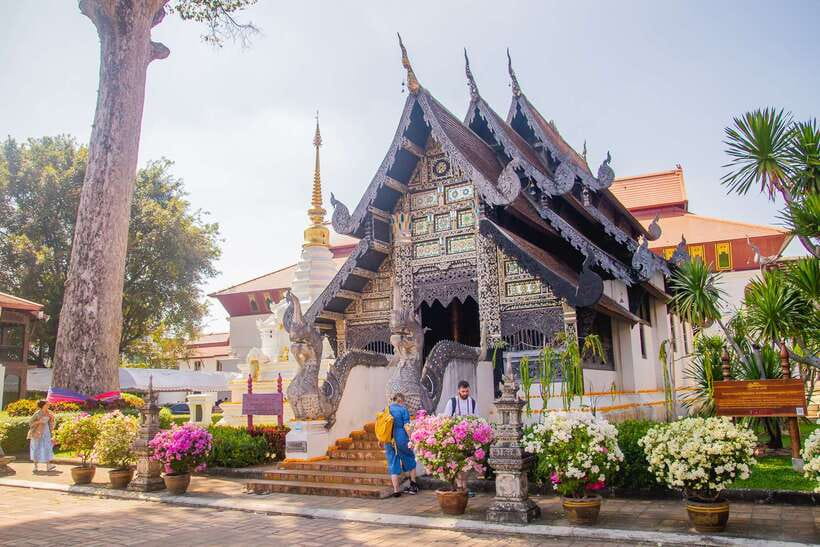
This tour is listed for moderate walking, and the sites have strict dress rules. Clothes that reveal shoulders, underarm, back, or knees are not permitted, so plan for coverage even if Chiang Mai feels warm.
Bring a scarf or light layer you can adapt quickly. I also recommend comfortable shoes you can remove fast, because temple footwear rules can mean repeated shoe-offs during a short period.
One practical tip that comes up often is to wear slip-on shoes or sandals that are easy to take on and off. If you’re wearing footwear that takes forever to remove, the “shoe routine” can turn into an unplanned time sink.
And don’t forget the heat management basics: sunglasses, sunscreen, and insect repellent are all on the bring list for a reason. Even in months people assume are cooler, shade doesn’t mean you won’t feel it.
You can also read our reviews of more guided tours in Chiang Mai


The Best Part Is the Guide, Especially for Buddhism Context
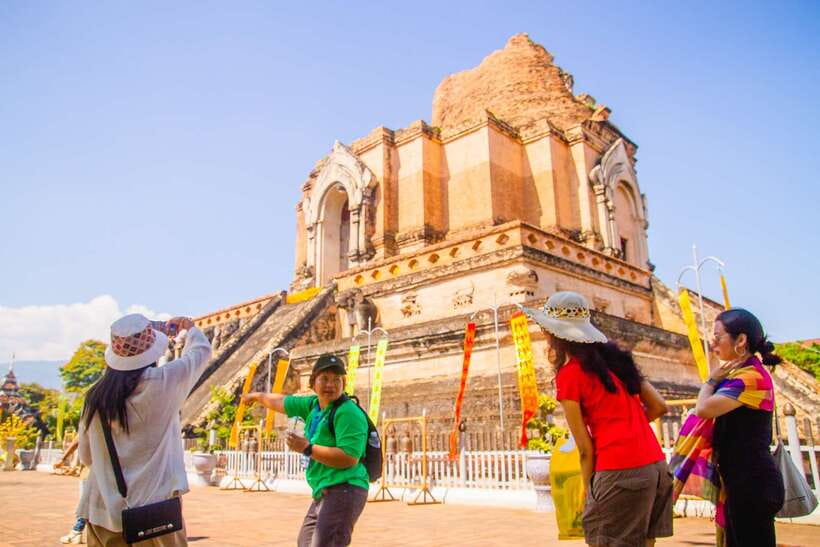
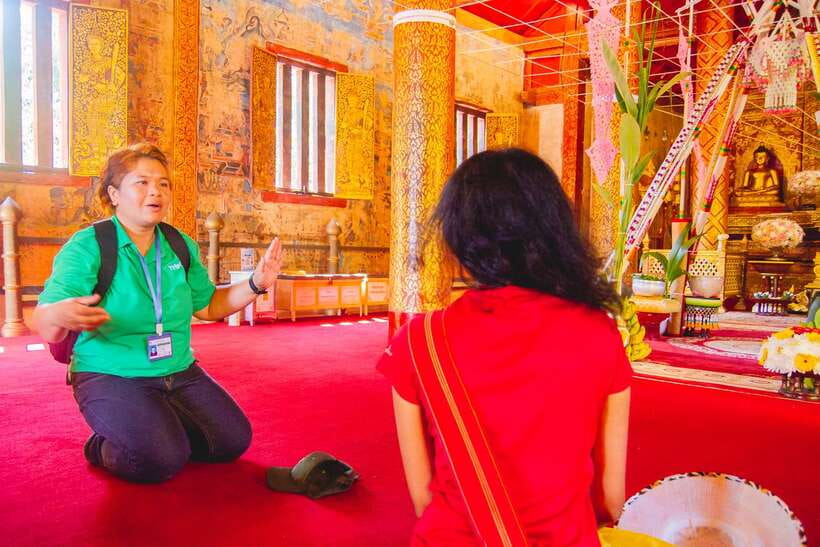
The inclusion that actually changes the experience is the local English guide. You’re not just ticking off landmarks, you’re learning how Buddhism and Thai beliefs show up in what you see, where you stand, and how spaces are meant to be used.
This is where the tour tends to score big. Across the tour’s guide lineup, people often mention clear explanations and strong English, plus guides who take time for questions. Names that show up in past experiences include Nana, TomTam, Boon, and Popcorn, and they’re repeatedly connected with the same theme: they make religious context feel understandable, not intimidating.
You’ll also get helpful behavior guidance. For example, knowing what to look for in Lanna-style design or teak carving patterns makes the architecture feel less like “random ornament” and more like meaningful form.
If you want extra value, ask the guide questions early, not at the end. You’ll get more out of each temple if you know what your guide is aiming to explain by the time you reach the main highlights.
Low-Impact Travel: Carbon Offsets and GSTC-Style Responsibility
This is marketed as a low-impact way to explore, with a GSTC-certified approach and carbon offsetting built into the tour model. In practical terms, it means the tour isn’t only about sightseeing, it’s also trying to reduce its environmental footprint.
I appreciate this because it nudges you toward responsible travel without making you do extra busywork. You still get the same walk, the same temple access, and a guide, but there’s an added layer of accountability around emissions.
If you care about sustainability and you still want a high-value cultural experience, this is one reason the tour earns a spot on the shortlist.
Price and Value: $16 Plus Entry Fees You Should Budget For
At $16 per person, the headline value is strong. You’re paying for a guided walk with an English-speaking local guide, and the route is built around three major temple stops.
One catch: entrance fees are not included. You should budget cash on hand for:
- Wat Chedi Luang: 50 THB
- Wat Phan Tao: 20 THB
- Wat Phra Singh: 50 THB
That puts the total temple entry costs at 120 THB across the listed sites. With a guided route and English interpretation, that added cost still tends to feel reasonable compared with paying for similar guided time inside Chiang Mai independently.
Also, the tour is flexible in how you book, including reserve now and pay later options. If your Chiang Mai plan is still changing, that can lower stress.
Who This Walking Tour Fits Best
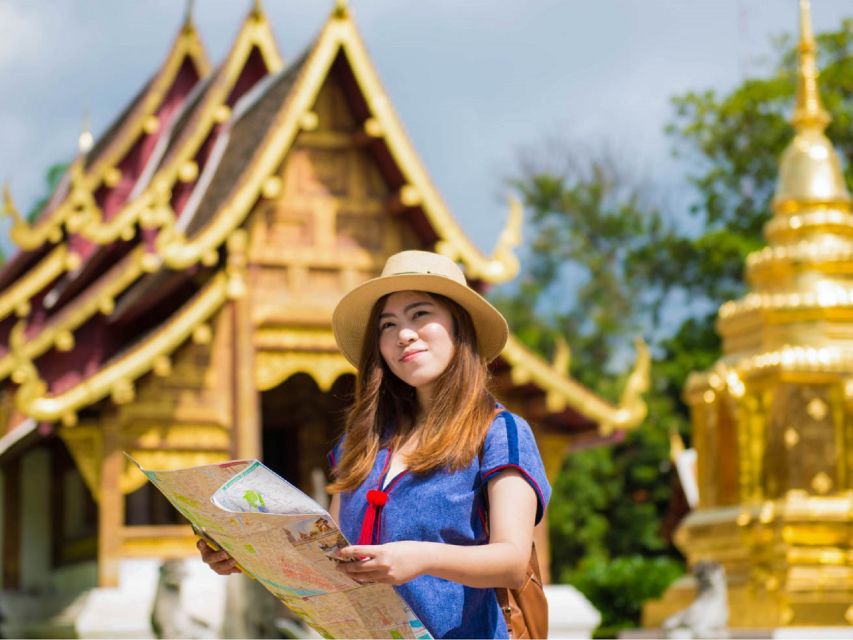
This tour is a good fit if you want:
- a guided Old City orientation without doing research all day
- temple architecture plus Buddhism context
- a compact route that ends in a spot where you can keep exploring
It’s not a fit for everyone. The tour isn’t suitable for pregnant women, people with mobility impairments, people with heart problems, or people with respiratory issues. The walking and temple conditions matter here, so it’s worth choosing a different pace if you’re in any of those categories.
Moderate fitness is recommended. If you know you handle walking but need frequent shade breaks, you can usually manage this, especially if you come prepared with water and sun protection.
Should You Book This Chiang Mai 3-Hour Old City Temples Tour?
I’d book it if you want a clean, guided introduction to Chiang Mai’s most important temple stops without turning the day into a logistics puzzle. The structure is tight, the sights are real winners, and the guide component is where you get the most payoff.
Skip it or rethink it if you’re looking for a freeform wander where you spend long hours at one temple, or if you cannot meet the dress rules. Also, if you prefer minimal shoe-off situations and minimal walking, consider a different format.
If you want a reliable cultural start to your Old City time, this one is easy to recommend.
FAQ
How long is the Chiang Mai Old City and Temples guided walking tour?
The duration is 3 hours.
What is included in the price?
The tour includes a local guide and the walking tour. Entrance fees and food are not included.
Where do I meet the guide?
Meet at the entrance of Wat Chedi Luang. Your guide will be holding a TripGuru sign.
What entrance fees should I plan for?
Entrance fees listed for the stops are: Wat Chedi Luang 50 THB, Wat Phan Tao 20 THB, and Wat Pha Singh 50 THB.
What language is the tour guide?
The tour is in English.
What should I bring for the tour?
Bring comfortable shoes, sunglasses, a hat, a camera, sunscreen, insect repellent, cash, and a scarf.
Is there a dress code?
Yes. Some sights have strict dress rules. Clothes revealing shoulders, underarm, back, or knees are not permitted.
Who is this tour not suitable for?
It is not suitable for pregnant women, people with mobility impairments, people with heart problems, or people with respiratory issues.
More Walking Tours in Chiang Mai


More Tours in Chiang Mai



More Tour Reviews in Chiang Mai


Not for you? Here's more nearby things to do in Chiang Mai we have reviewed


Chiang Mai City Highlights Tours, compared.
 ★ 5.0Best of Chiang Mai: Private Tour in a DayFrom $49196 reviews
 ★ 5.0Highlights & Hidden Gems With Locals: Best of Chiang Mai Private TourFrom $83177 reviews
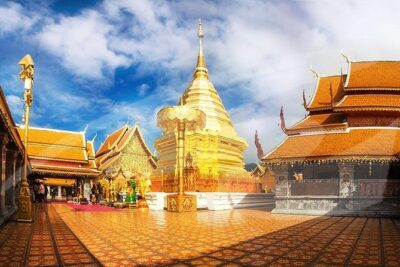 ★ 4.5Chiang Mai City and Temples Half-Day TourFrom $38136 reviews
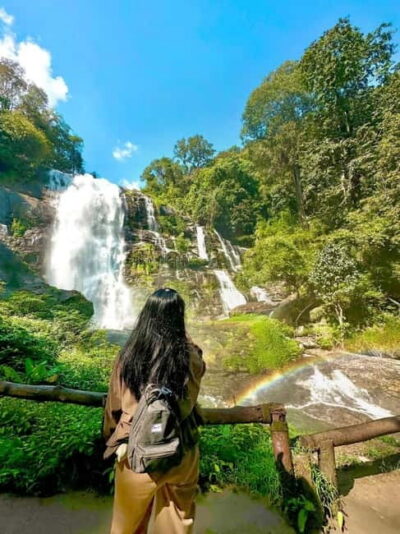 ★ 4.6Chiang Mai Doi Inthanon Park Waterfall Pure Sightseeing TourFrom $40119 reviews
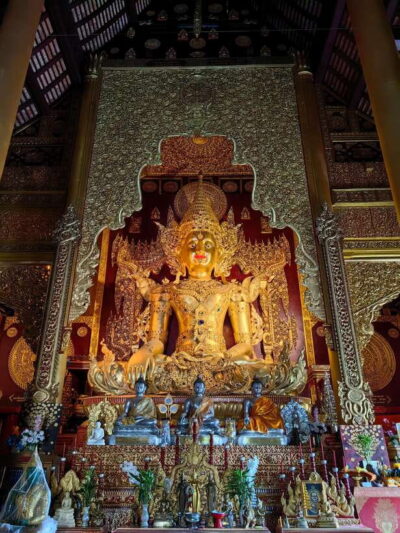 ★ 4.9Temple & City Tour Part IIFrom $3170 reviews
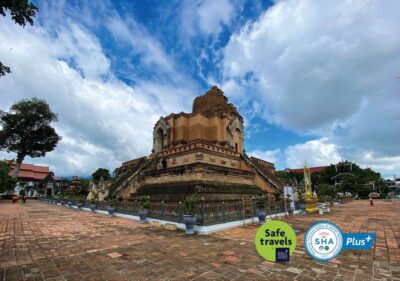 ★ 4.7Temples & Culture TourFrom $3664 reviews
 ★ 4.9Evening Sightseeing and Local Food Guided TourFrom $4546 reviews
 ★ 5.0Full-Day Trekking and Sightseeing Tour in Mae KampongFrom $8146 reviews
Browse the lists this tour appears in