
REVIEW · CHIANG MAI CITY HIGHLIGHTS TOURS
Chiang Mai: Temple & City Tour Part II
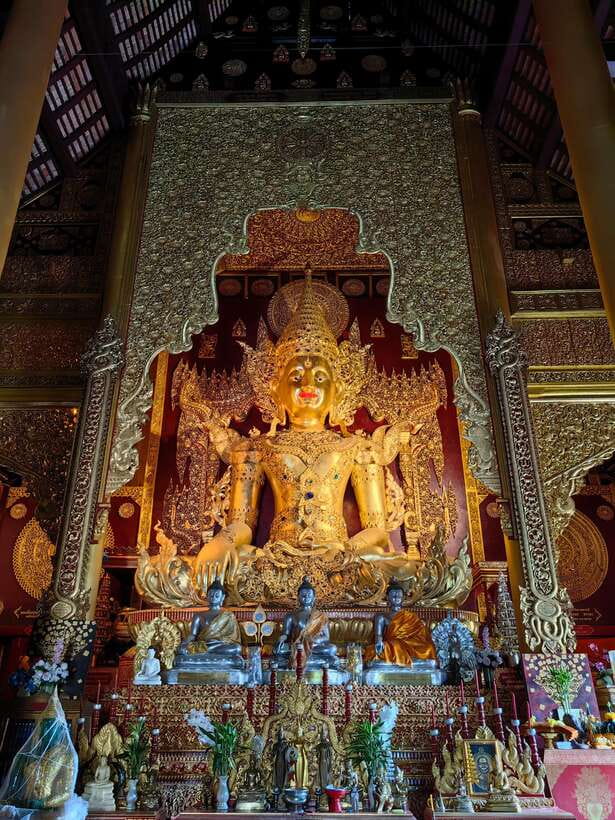
Temple time, but with real context. This Chiang Mai walking tour strings together four storied sites in a way that feels more like history class with a view than a checklist. I especially love starting at Wat Chiang Man and hearing how King Mengrai shaped the city, and I love how guides like Eddy, Son, and Katoon explain Buddhism in plain, practical terms, including how to enter temples and how people traditionally pray.
The other thing I like is the variety of styles and origins, especially the Shan and Shan-Burmese connections at Wat Chiang Yuen and Wat Pa Pao, which you just do not get on the usual “biggest temples only” circuits. One drawback to plan for: it is a walking day in Chiang Mai heat, and some folks find their feet tired if they are not used to several hours on foot.
Key Highlights You Should Plan Around
- Wat Chiang Man (1296): built by King Mengrai, centered on the crystal Buddha statue story
- Wat Chiang Yuen: a 16th-century temple tied to the Shan people’s residential past
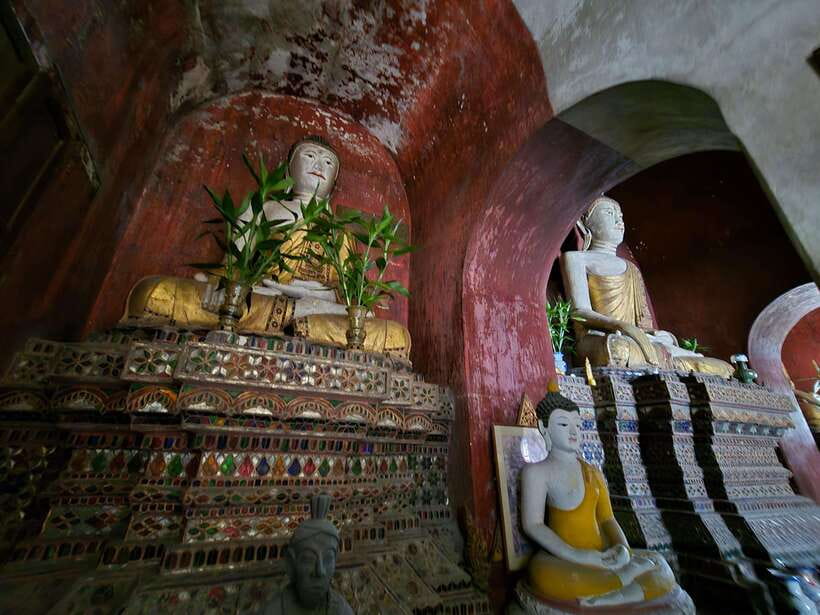
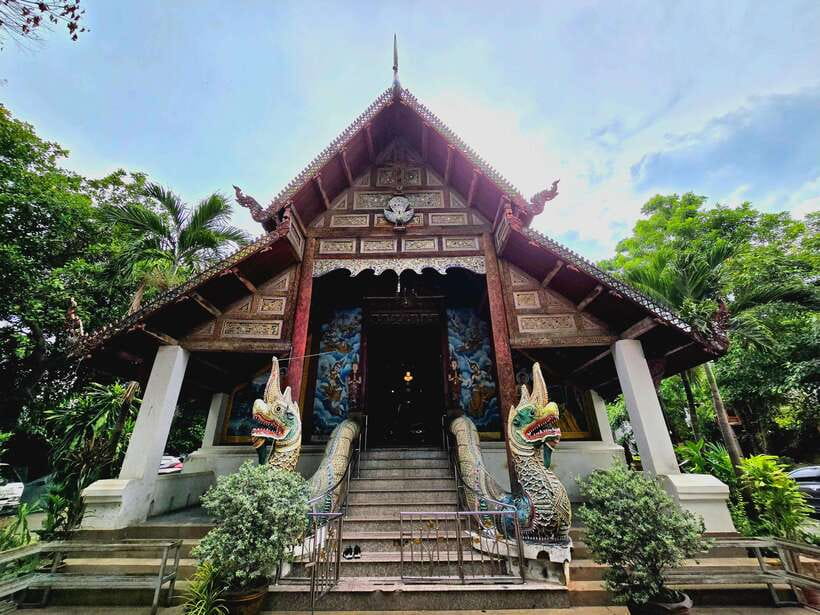
- Wat Pa Pao: Shan-Burmese style, outside the old walls and moats
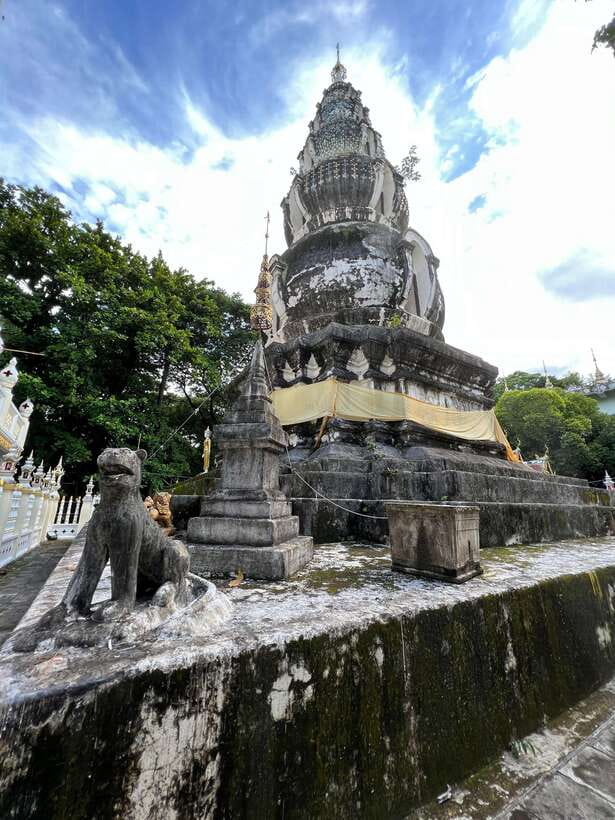
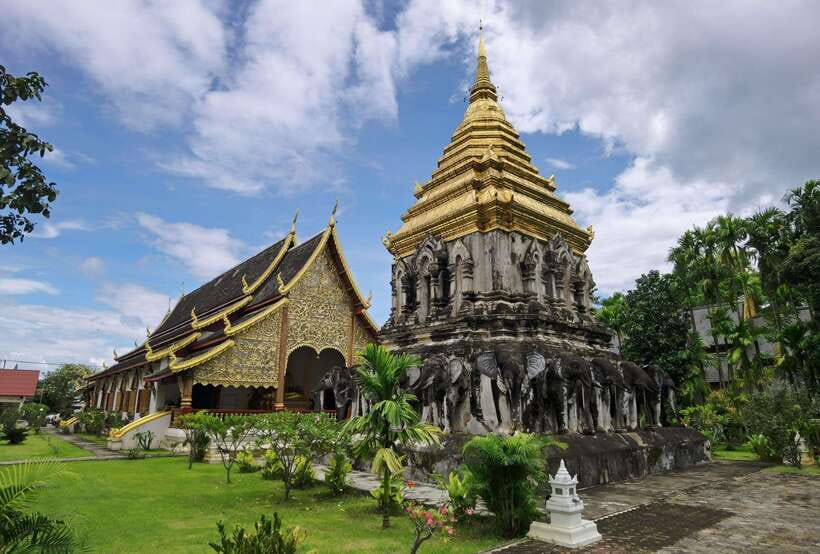
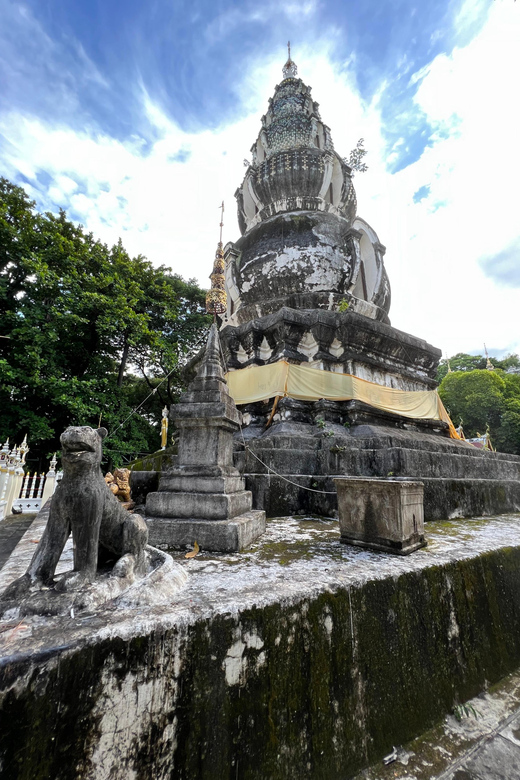
- Wat Ku Tao chedi: an unusual 1613 structure associated with Prince Saravadi’s ashes
- Photo-friendly pacing: guides help with timing, questions, and taking pictures along the way
Getting Started at 8:20 and Walking Chiang Mai Like a Local
Your day starts at 08.20 am, which is smart in Chiang Mai. You get cooler air first, then you are not fighting the hottest part of the day for temple etiquette and photos. The tour is designed as a beautiful walking route, and most people should be fine if you are comfortable walking steadily for hours.
You have a choice between private or small groups. If you go private, the tour includes hotel pickup and drop-off, which can save you time and hassle before you even start walking. In the group format, you will still get a guide and a focused route, not a vague “good luck” situation.
Heat is the main reality check. Even with an easy pace, you should expect warm weather, sun, and occasional walking stretches with little shade. Your best move is to take the guide’s breaks seriously and keep sipping water.
You can also read our reviews of more city tours in Chiang Mai

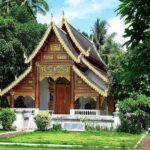
Wat Chiang Man and the Crystal Buddha Thread from King Mengrai
Wat Chiang Man is the anchor stop, and for good reason. It is considered the oldest temple in Chiang Mai town, built in 1296 by King Mengrai, and it is tied to the crystal Buddha statue. That alone makes it more than a pretty building, because it links the city’s early story to a specific religious artifact.
What you should pay attention to is how the temple sets the tone for everything else you will see. Early temples like this often feel slightly different from newer ones, partly because they carry stronger “origin story” energy. You will usually want to pause, look around, and notice how people move through the space.
Practical tip: go in with a calm mindset, and be ready to follow temple rules your guide points out. Guides on this tour often explain basic etiquette and how to pray, which helps you avoid the awkward moment of not knowing what you are “supposed” to do.
Potential drawback: this is an iconic site, so it can feel busy at certain moments. If your guide offers timing tweaks or asks you to watch for quieter corners, take them. That is where the temple starts to feel personal instead of crowded.
Wat Chiang Yuen, Shan Roots, and a 16th-Century Residential Past
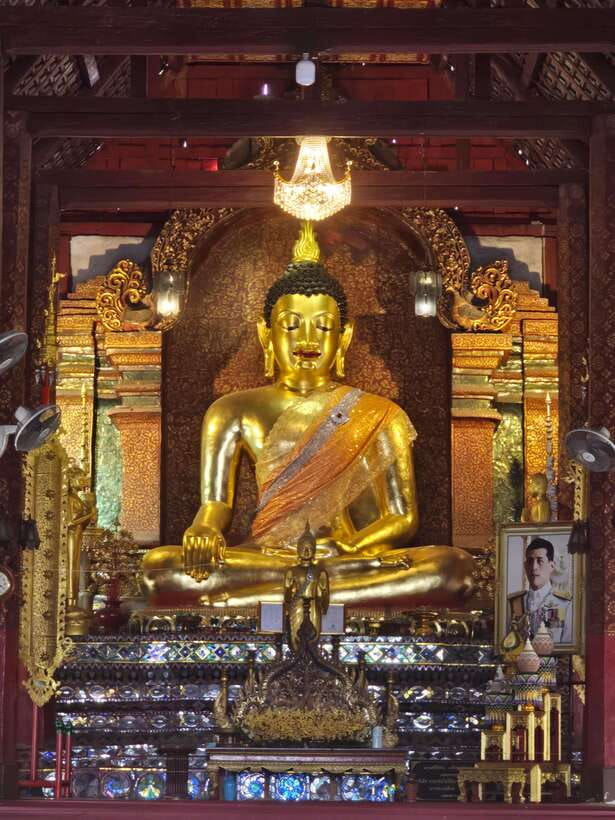
After Chiang Man, the tour shifts to Wat Chiang Yuen, and the change is worth it. This is a unique 16th-century temple connected to the Shan people, specifically as a former residential area. In other words, you are not just looking at religious architecture, you are stepping into a cultural footprint tied to everyday living in the past.
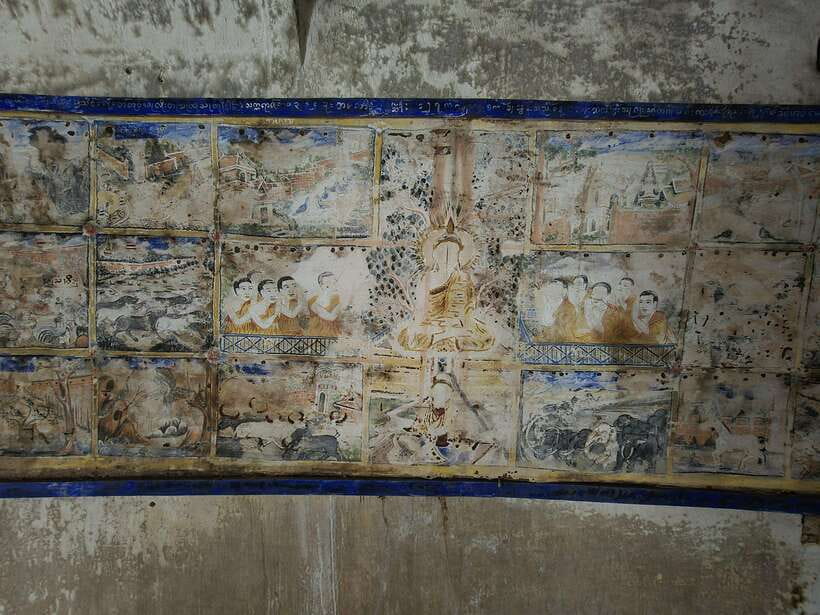
This stop is great if you like details that go beyond “where the Buddha statue is.” You will get a sense of how different ethnic groups influenced northern Thailand’s spiritual landscape. The more your guide talks, the more you will see the temple as part of a community history, not just a landmark.
If you care about photos, go slow here. The temple experience is better when you take time to notice textures, layouts, and the small moments where the setting feels lived-in. And because the tour is walking-based, your guide can also steer you toward viewpoints you might otherwise miss.
One consideration: Wat Chiang Yuen is not the “one postcard angle” temple. If you want fast, dramatic photo shots only, you might get impatient. If you like atmosphere and understanding, you will enjoy this stop more.
Wat Pa Pao, Shan-Burmese Style Beyond the Old Walls
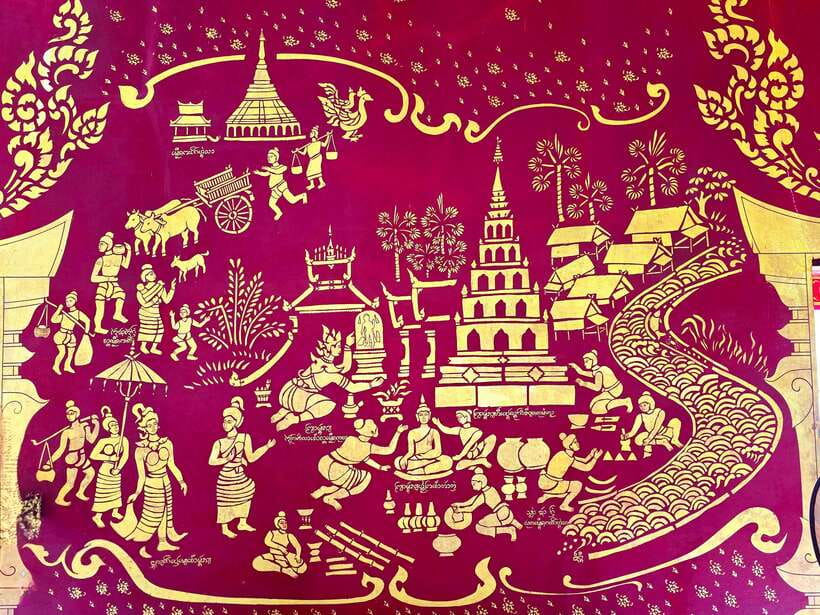
Wat Pa Pao brings a different architectural flavor. It is described as a Shan Burmese style temple, located outside Chiang Mai’s old city walls and moats. That location matters because it reminds you the story of the city is not confined to one boundary. People and belief systems moved, grew, and adapted beyond the walls.
This is the kind of temple stop where a good guide changes everything. A former monk background comes up often in guides on this tour, and you can feel the difference when someone explains the meaning behind details, not just the dates. You will likely hear how Buddhism fits into daily life, what people expect visitors to know, and why certain design choices exist.
Practical tip: wear footwear you can walk in for a long day, and dress so you can comfortably cover up when needed. You will see “short skirts not allowed” in the rules, and temple spaces typically require modesty. A light, breathable layer is a smart idea because you will be hot, but you also need to respect the spaces.
If you are traveling with someone who wants a quick “see and go,” this stop is still workable. Just ask your guide to set expectations early, so everyone knows it will be more explanatory than photo-only.
Wat Ku Tao Chedi, Built in 1613 for Prince Saravadi
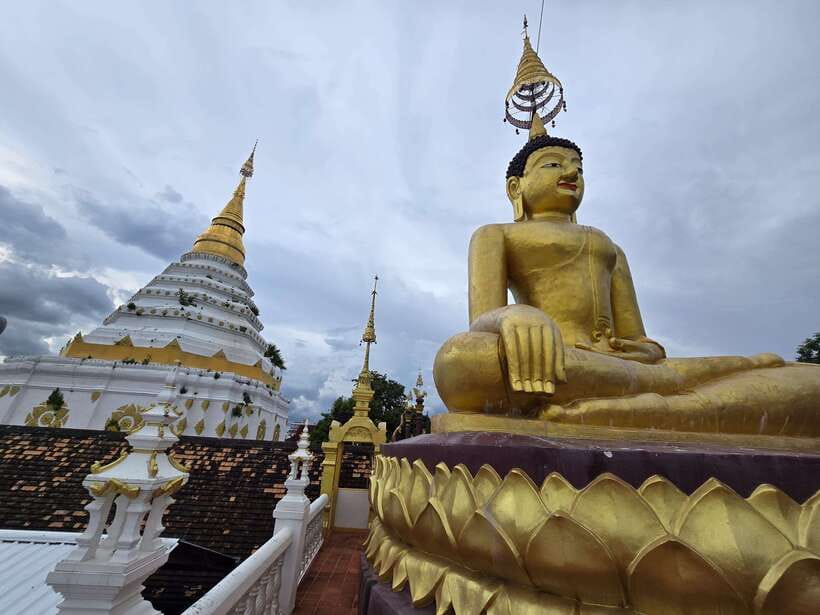
The final temple stop is Wat Ku Tao, and it is wonderfully unusual. The chedi here is thought to have been built in 1613 to hold the ashes of Prince Saravadi, who lived from 1578 to 1607 and is described as the first Burmese overlord of Chiang Mai. That background gives the place a layered feel, because it ties local northern Thai history to wider regional power shifts.
This is a strong stop for anyone who wants to understand how Chiang Mai history is not isolated. You get a concrete story about political change and how it shows up in religious spaces. The result is that the architecture feels less random. It feels like it has a reason to exist.
What to watch for: since the chedi is the centerpiece, take a moment to look at its form and how it sits in the temple setting. Your guide can point out what makes it distinct and explain how such structures function as memorials in Buddhist contexts.
Reality check: the last stop can also be when energy dips. If you arrive later in the session, keep your attention on the story you just learned. Even a short pause and a few photos can help it land emotionally, not just visually.



Why the Guides Matter More Than the Temple List
The biggest “wow” factor in this tour is the guide. People come away praising how much they learn, and that learning is practical. Guides explain Buddhism beliefs and practice, and they often share what monk life is like, including day-to-day routines and what monks eat. That kind of context helps you understand what you see in the temples without needing to be a scholar first.
The other thing I consistently like is how the guide handles questions. From Eddy to Son to Big to Katoon, the theme is patience. If you ask about meditation, how to behave inside temples, or why certain symbols show up, the guide tends to answer in a way you can actually use.
Photography also improves with the right guide. Multiple guides are noted for helping with pictures and taking time at stops. That matters because temple photography is not just about finding a pretty angle. It is about timing, respecting people and spaces, and not rushing past the details that make the place meaningful.
My advice: use your questions as the “second itinerary.” Ask about what you are seeing right now, not just what happened 500 years ago. You will get more out of every minute.
What You Should Bring (And What Can Get You Stopped)
This tour is not complicated, but it does have rules. Bring an umbrella for sun or rain, and bring drinks. Cash is also listed, so have some on hand for small needs along the way.
Dress matters. Short skirts are not allowed, so plan modest clothing that covers your comfort zone. If you are wearing something borderline, swap it for lightweight pants or a longer skirt. You will likely be inside temple areas where your guide expects you to follow norms.
Behavior rules are strict in the standard ways: no intoxication, no smoking indoors, and no making loud noise. You should also avoid anything sharp, and the tour specifically says no pets and no weapons. Drones are not permitted.
One more practical note: the tour is not suitable for children under 2 years, babies under 1 year, pregnant women, wheelchair users. That means it is really designed as a walking day for adults and older kids who can handle temple pacing and rules.
Price and Value: What $31 Buys You Here
At $31 per person for a full day with four major temples, you are paying for time, guidance, and smoother navigation. This is not a “pay cheap, walk alone” situation. You get a live English Chinese Thai speaking guide, plus the structure to see multiple sites in one day without losing hours on logistics.
Food and additional drinks are not included. That is normal for this type of walking tour, but it means you should plan a snack strategy and hydration. If you only budget for the tour price, you might end up stressed. A simple approach works well: plan to buy water as needed, and eat outside the tour if it feels right.
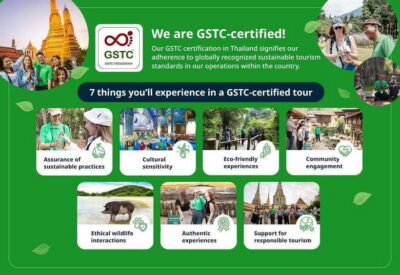
Also, the tour is described as prioritizing offsetting carbon emission and reducing environmental impact. You may not feel that immediately while you are walking, but it is a meaningful choice if you care about how your trip affects the planet.
Where the value really shows is at the guide level. When someone is a former monk or has deep lived experience, the temples stop being static. You start understanding why people behave a certain way, and that makes the experience last longer after you leave the site.
Who Should Book This Temple Walking Day?
Book this tour if you want a temple day with context, not just pictures. It fits well if you care about Buddhism, want temple etiquette explained, and like history that connects places to real people and real events. It is especially strong for visitors who did part one already and want the deeper, more diverse follow-up.
You might also love it if you enjoy slower moments, asking questions, and sitting for quiet pauses. Many guides on this kind of route are praised for taking time and not rushing. That style suits people who prefer quality over speed.
Skip it or think twice if you hate walking in heat, or if you need accessibility support not offered here. And if you want a very short, casual sightseeing spin, this full-day walking format might feel like more than you want.
Should You Book Chiang Mai Temple and City Tour Part II?
I think you should book it if you want the best kind of Chiang Mai temple experience: meaningful stops, a real guide, and a route that shows more than the usual highlights. The four temples are a smart mix of origin, community history, cross-cultural influence, and memorial storytelling.
If you are prepared for the walking and the modest dress expectations, this is one of those tours that turns a list of temples into a coherent picture of northern Thai life and belief. And if you are the type who asks questions, you will likely leave with answers that make the next temple you visit easier to understand.
You are paying for guidance, not just access. For $31, that is a value I would happily recommend.
FAQ
What time does the tour start?
The tour starts at 08.20 am.
How long is the Chiang Mai Temple and City Tour Part II?
It runs for 1 day.
Which temples are included?
You visit Wat Chiang Man, Wat Chiang Yuen, Wat Pa Pao, and Wat Ku Tao.
Is food included in the price?
No. Food and additional drinks are not included.
What is the group size like?
You can book private or small groups.
What languages are offered for the live guide?
The live guide speaks English, Chinese, and Thai.
What should I bring?
Bring an umbrella, drinks, and cash.
Are there age or mobility restrictions?
Yes. It is not suitable for children under 2 years, babies under 1 year, wheelchair users, and pregnant women.
More City Tours in Chiang Mai
More Tours in Chiang Mai

More Tour Reviews in Chiang Mai
Not for you? Here's more nearby things to do in Chiang Mai we have reviewed


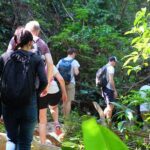
Chiang Mai City Highlights Tours, compared.
 ★ 4.63 Hour Old City and Temples Guided Walking TourFrom $161,568 reviews
 ★ 5.0Best of Chiang Mai: Private Tour in a DayFrom $49196 reviews
 ★ 5.0Highlights & Hidden Gems With Locals: Best of Chiang Mai Private TourFrom $83177 reviews
 ★ 4.5Chiang Mai City and Temples Half-Day TourFrom $38136 reviews
 ★ 4.6Chiang Mai Doi Inthanon Park Waterfall Pure Sightseeing TourFrom $40119 reviews
 ★ 4.7Temples & Culture TourFrom $3664 reviews
 ★ 5.0Full-Day Trekking and Sightseeing Tour in Mae KampongFrom $8146 reviews
 ★ 4.9Evening Sightseeing and Local Food Guided TourFrom $4546 reviews
Browse the lists this tour appears in