REVIEW · CHIANG MAI DAY TOURS
Chiang Mai: Day for Elephant Observation Only Half-day Trip
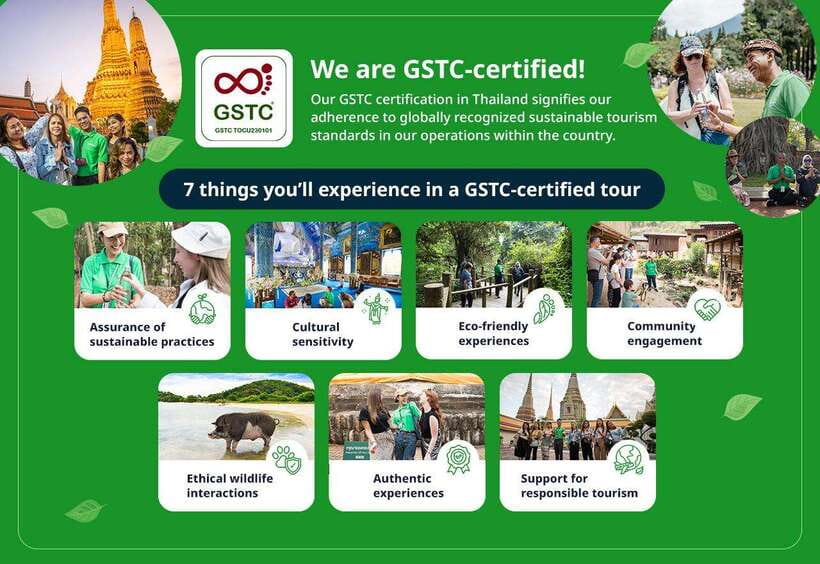
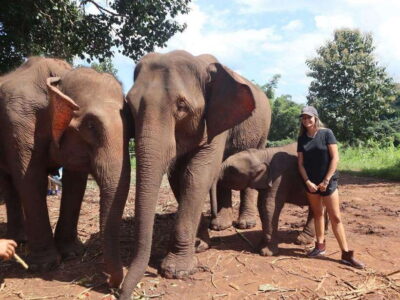
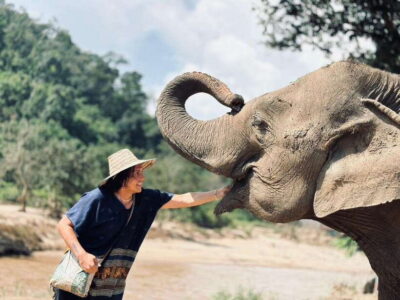
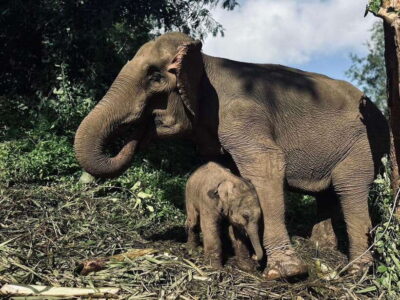
Elephants, minus the circus tricks. At Big Boy Elephant Sanctuary near Doi Inthanon National Park, you watch elephants live as families, not performers, with a strict no-control policy. You also get a friendly education session with a guide named Su, plus hands-on time that feels respectful, not scripted.
What I love most is how the day balances close-up observation with real care work. You help prepare food and then feed the elephants using natural materials, plus you take part in vitamin preparation and feeding. The other standout is the Pad Thai workshop, where you cook lunch yourself under local guidance.
One consideration: this is not an all-access elephant experience. You cannot ride, control their movement, or force contact, and the day is outdoors, so it is not ideal if you have back issues, mobility limits, or if you are pregnant, since the program includes walking and time outside.
Key highlights you should care about

- No riding, no controlled walking, no forced bathing: elephants keep their own pace and preferences.
- You feed, you do care activities, you do not boss elephants around: it feels genuinely respectful.
- Vitamin workshop and vitamin ball feeding: practical conservation support, not just photo time.
- Pad Thai cooking workshop with lunch included: a real Thai meal, not a rushed snack.
- Su, the guide, adds context with humor: you get behavior and health explanations, in plain English.
Elephants, minus the circus tricks: Big Boy’s no-control policy

Big Boy’s main idea is simple, and it matters: humans do not control the elephants. The sanctuary follows a clear set of rules that many elephant experiences skip. There is no elephant riding, no controlled walking, no mandatory bathing, and no commanding elephants to follow orders.
That changes the vibe fast. Instead of you trying to make an elephant do something, you watch how they naturally move, eat, and interact. The goal is to keep daily life as normal as possible, because elephants are not props. You also get the reassurance of a strict approach to interaction. From what you are told and what you practice during the visit, you’re meant to be present, not intrusive.
Also, the setting is close to Doi Inthanon National Park, in Northern Thailand. That matters because the sanctuary is working with a more natural environment for the elephants. You’re not stuck in a cramped stage. You’re in a place where the animals can choose distance and movement.
If you came to Chiang Mai expecting the classic elephant show, this will feel like a different category. Think: watching, feeding, and learning, with boundaries that protect the elephants and keep the day ethical.
More Chiang Mai temple visits, food walks, elephant experiences, mountain trips, and northern Thailand day tours to compare
Chiang Mai hotel pickup to Doi Inthanon area: how the timing really works

This is sold as a half-day trip, but plan for a full morning or afternoon out. The program runs about 6-7 hours, because the timing includes transportation from your Chiang Mai hotel. The schedule is split into two sessions: a morning run (07:00-14:30) or an afternoon run (11:00-18:30).
Here’s the practical part: the exact pickup time is confirmed 1 day before, based on hotel location and the guest count. Your voucher time is a reference point. That means you should be ready for an earlier pickup than you planned, or a slightly later one, depending on routing and traffic.
One more useful reality check. Reviews for this area often describe the drive as a couple of hours each way, so your day is as much about travel as it is about the sanctuary time. Bring patience. Bring water. And wear shoes that can handle uneven outdoor ground.
If you want the more comfortable version of the day, the morning session often works well for cooler temperatures and fewer heat headaches. If you prefer a slower start, the afternoon session can be easier on your morning routine. Either way, you’ll be outside and active enough that you should plan like it’s an outdoor class with an ethical wildlife stop, not a quick sightseeing shuttle.
What you see at Big Boy: roaming elephants and respectful distance

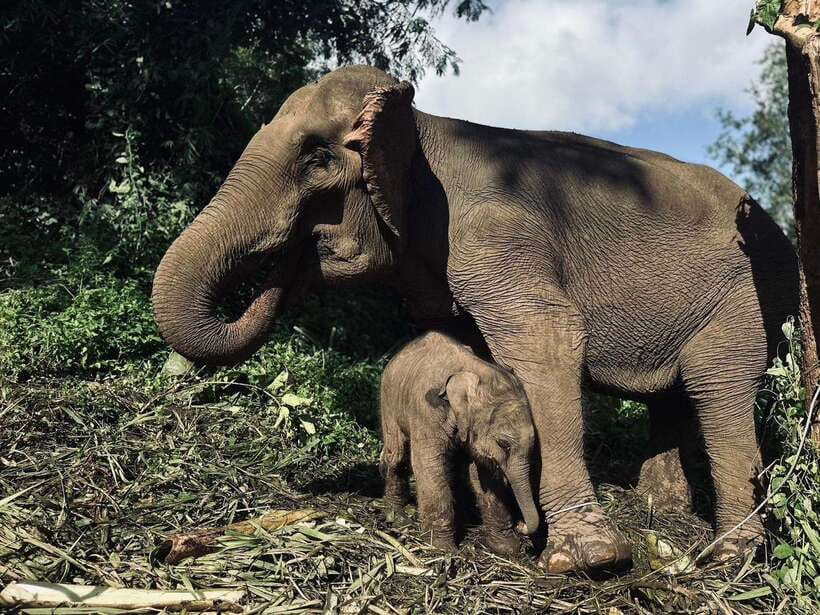
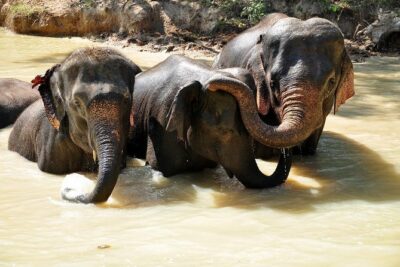
Your core experience is elephant observation in a natural setting. The sanctuary is designed so elephants can stay together as a family group, eat, play, and move freely rather than being pushed into set routines for visitors.
You’ll spend time watching them in ways that feel quiet and natural. You can get close enough for photos, but the emphasis is on space and consent of the animals. You should expect that the experience will not include touching or forcing contact. In fact, you’re guided to keep your distance and follow the sanctuary rules, which is exactly what you want from an ethical operation.
The best part of this setup is that it trains your eyes. Once you stop waiting for a trick, you start noticing the normal elephant stuff: eating rhythms, social behavior, and how the group responds to people being nearby without interacting too aggressively.
The program also includes an elephant education briefing with conversations led by the team. You’re not just watching; you’re learning what you’re seeing. Expect explanations about behavior and practical care, including what matters most for their wellbeing.
If you’re the type who hates gimmicks, you’ll likely appreciate how this is built around observation and care. It’s not about spectacle. It’s about understanding.
Feeding time: elephant food prep, vitamin workshop, and habitat care

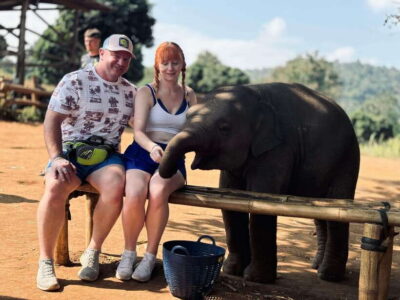
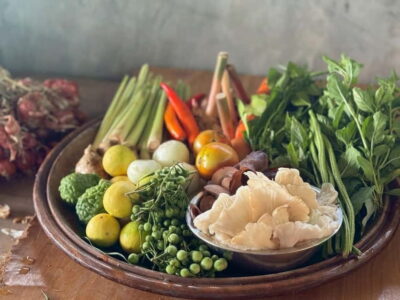
This is where the day stops being passive and turns into meaningful participation. You help prepare food for the elephants using natural materials, then you feed them as part of the ethical process.
The sanctuary also runs a vitamin ball workshop and related feeding activities. You’ll learn what the vitamin balls are for, then help with vitamin feeding. The point is not just to hand over treats. It’s structured support for health needs, explained in a way that helps you understand why the work matters.
You’ll also do what’s described as habitat care activities. That can feel abstract at first, but the overall lesson is clear: wildlife care is not only about feeding, it’s also about maintaining the environment that supports their daily life.
One subtle but important detail: you feed up close, but the sanctuary’s rules keep things controlled in the ethical direction. You’re not climbing on, leading, or commanding. You participate, then step back. That makes the experience calmer for the elephants and less chaotic for you.
Also, you’re in a friendly atmosphere where the work feels collaborative. You’re part of a small group and guided by the staff. Small-group pacing helps you stay focused instead of getting rushed through a checklist.
Bamboo shoots and medicine balls: why the details matter

During the care and feeding portion, you may also prepare specific items such as bamboo shoots and medicine or vitamin balls, depending on what the day’s routine looks like. Even if you don’t remember every ingredient, the pattern is useful to understand.
Natural feeding matters because it supports the elephants’ digestive needs and daily behavior. Instead of strange snacks designed for photos, you’re working with foods that fit what elephants do in their environment.
The medicine or vitamin ball part is also about transparency. You’re learning what’s inside and why it’s offered. That matters because you’re not just doing a feel-good act. You’re supporting health needs in a supervised, planned way.
This is a key reason many people rate the trip so highly. It feels hands-on, but not careless. You’re helping, not hijacking the animals’ lives.
More Chiang Mai temple visits, food walks, elephant experiences, mountain trips, and northern Thailand day tours to compare
Pad Thai workshop and lunch: cooking with local experts

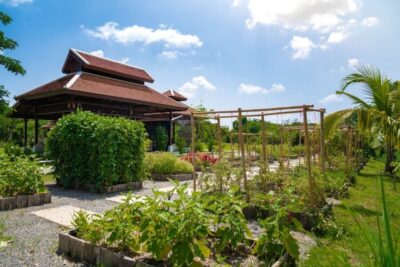
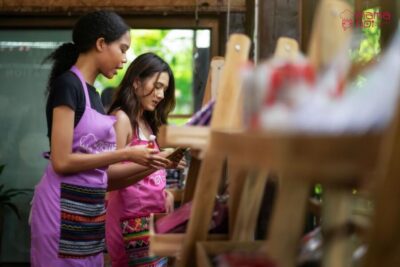
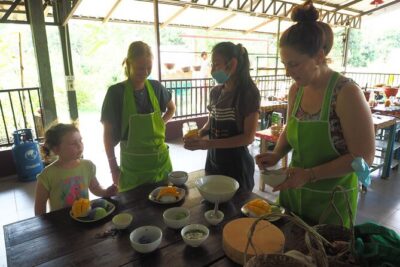
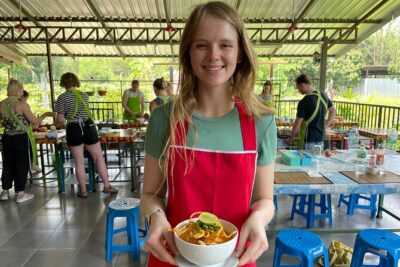
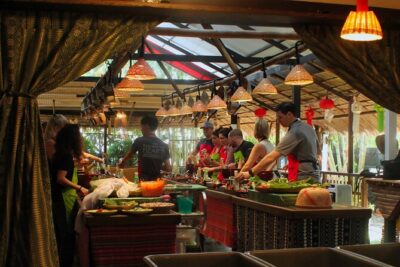
After the elephant work, the day switches gears to food, Thai style. You’ll enjoy an authentic Pad Thai cooking workshop guided by local culinary experts, and then you eat what you made for lunch.
This isn’t treated like a filler activity. The way it’s framed, you learn an authentic method, including a family-style approach passed down through generations. That means your Pad Thai tastes like it should, not like a tourist version.
The setting also helps. Cooking right after you’ve been thinking about animal care makes the meal feel like a complete cultural day, not a separate add-on. You’ll likely notice ingredients and techniques you don’t get when you only eat Pad Thai from a street stall.
A small practical tip: with an outdoor morning or afternoon, you’ll be hungry. Your lunch is part of the program, so don’t plan to snack heavily right before it. Also, keep an eye on spice level and tell your instructor if you want it milder.
And yes, you’ll probably talk about the elephants while you cook. That’s normal. Thai food and elephant ethics are both the kind of subjects that stick with you.
What the guides explain, especially about elephant care

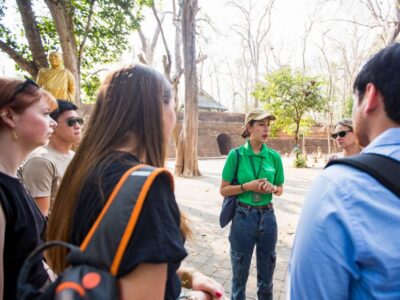
A big part of the value is the education piece. You get stories and insights shared by people with real experience around elephants, including guidance on behavior and health.
One common theme in the explanations is the care required for elderly and sick elephants. That’s important because it reframes what you think an elephant sanctuary is. It’s not only a retirement home with a scenic background. It’s a long-term care commitment.
You’ll also hear about how elephants use social bonds and how their health is tied to everyday routines. When the guide, Su, talks with humor and clarity, the day feels less like a lecture and more like a conversation you can actually use.
This is also why the no-control policy matters. When you understand the philosophy, it’s easier to appreciate why certain actions are off-limits and why distance is part of ethical care.
If you’re curious about elephants beyond the Instagram moments, this is the section that can make your brain click.
Practical packing list: shoes, water, repellent, and photo rules

Do a little prep, and the day will feel smooth.
Bring:
- Comfortable shoes for outdoor ground
- Sun hat
- Camera
- Insect repellent
- A refillable water bottle (this is specifically recommended)
Dress for the weather and the fact that you’re outdoors for hours. Lightweight clothing helps, and shoes with grip keep your confidence high.
Not allowed:
- Smoking
- Flash photography
That last rule matters because it affects your camera settings. If you plan to photograph, turn off flash in advance and expect natural light conditions.
Also arrive on time. This matters because the day runs on a schedule with a pickup window and a sequence of care activities.
Who should book this, and who should pass

This tour fits best if you want:
- Ethical wildlife experiences with clear no-control rules
- A day that mixes observation, feeding, and real conservation education
- A hands-on Thai cooking workshop with lunch
You may not love it if you’re mainly chasing elephant rides, forced performances, or any setup that feels too showy. Big Boy is the opposite of that.
Also check suitability. The program is not suitable for:
- Pregnant women
- People with back problems
- People with mobility impairments
This isn’t meant to be cruel, it’s about safety. The day includes time outdoors and active elements connected to care activities.
If you fit the recommended physical profile, you’ll likely appreciate the small-group pacing and the fact that you’re doing focused tasks instead of being herded.
Price and value: is $46 actually a good deal?
At $46 per person, this trip can look like a budget entry point for an elephant sanctuary. The real value is not just the price tag. It’s the mix of things included.
You’re getting:
- Elephant observation in a natural environment
- Conversations and education from the team
- Elephant food prep and ethical feeding
- Vitamin ball feeding and related workshop activities
- The Pad Thai cooking workshop and lunch
A big part of what you are paying for is ethical practice. A no-control policy, trained staff, and health-focused care systems cost real money. Also, the Pad Thai class is not an extra paid add-on. It is part of the package, and it replaces one more meal out on the town.
So the value calculation is pretty straightforward: you get conservation education plus a real cooking experience plus lunch, while staying within an ethical framework. If you want a quick, low-effort tourist shortcut, this won’t match. If you want a meaningful half-day, it’s priced like a fair deal.
Should you book Big Boy’s half-day elephant day?
If you care about elephants living with dignity and you don’t need rides or forced interactions, I think this is an easy yes. The sanctuary’s no riding, no controlled walking, no forced bathing policy is the backbone of the experience, and the feeding plus vitamin workshop makes your time feel useful.
Book it if:
- You want a calm, respectful elephant encounter
- You enjoy learning from someone who explains behavior and care
- You like the idea of cooking Pad Thai as part of lunch
Skip it if:
- You need an interaction level that includes touching or controlling elephants
- You have mobility or back limitations, or you are pregnant
- You want a very short experience with minimal outdoor time
If you want an elephant day that feels like conservation work and Thai culture in the same half-day block, this is a strong pick.
FAQ
Where is the Big Boy Elephant Sanctuary located?
Big Boy Elephant Sanctuary is in Chiang Mai Province, near Doi Inthanon National Park.
How much does the Chiang Mai elephant observation day cost?
The price is $46 per person.
How long is the trip, and what are the pickup session times?
The program runs about 6-7 hours including transportation. There are two sessions, morning 07:00-14:30 and afternoon 11:00-18:30.
What ethical rules does the sanctuary follow?
The sanctuary follows a no-control policy, including no elephant riding, no controlled walking, no mandatory bathing, and no commanding elephants to follow orders.
What activities do you do with the elephants?
You observe elephants in their natural environment, help prepare elephant food, take part in ethical feeding, and join vitamin-related care activities.
Do you cook Pad Thai and eat lunch on this trip?
Yes. You take part in an authentic Pad Thai cooking workshop under guidance and then enjoy your Pad Thai for lunch.
What should you bring for the experience?
Bring comfortable shoes, a sun hat, a camera, and insect repellent. A refillable water bottle is also recommended.
What is not allowed during the trip?
Smoking and flash photography are not allowed.
Who should not book, and can you cancel for a refund?
This trip is not suitable for pregnant women and people with back problems or mobility impairments. You can cancel up to 24 hours in advance for a full refund.
More 1-Day Tours in Chiang Mai
More Half-Day in Chiang Mai
More Tour Reviews in Chiang Mai
Not for you? Here's more nearby things to do in Chiang Mai we have reviewed
Chiang Mai Day Tours, compared.
★ 5.0Half-Day Thai Cooking Class at Organic Farm in Chiang MaiFrom $2919,087 reviews
★ 4.8Elephant Sanctuary Feeding Program Half-Day TourFrom $274,527 reviews
★ 4.6Chiang Rai White Temple and Blue Temple Day TourFrom $273,366 reviews
★ 4.8Sticky Waterfall & Angel Waterfall Park Day TourFrom $411,371 reviews
★ 5.0Full Day Thai Cooking at Farm (Chiang Mai)From $391,127 reviews
★ 4.5Chiang Rai’s Temples Exploration Day TripFrom $51871 reviews
★ 4.7Doi Inthanon Park with Kew Mae Pan Hike Day TripFrom $62841 reviews
★ 4.9HALF-DAY COOKING COURSE at a Thai Cooking FarmFrom $28705 reviews
Browse the lists this tour appears in