
REVIEW · DOI SUTHEP & MOUNTAIN TEMPLE TOURS
Spiritual Sunrise Wat Doi Suthep, Pha Lat, Alms & Meditation
Waking at 5am gets spiritual fast. This half-day tour takes you up to Wat Phra That Doi Suthep at first light, then follows the rhythm of monk life with chanting, basic meditation, and alms giving. You also visit Wat Pha Lat and Wat U-Mong, both in quieter, more unusual settings than the main temple crowds.
I really like the way this tour balances calm ritual with real explanation. Your ex-monk guide (ordained for 8 to 20 years) helps you understand what you are doing and why, not just where to stand for photos. I also love the timing: you reach Doi Suthep early enough to feel the morning before it becomes a spectacle.
One thing to consider: it is an early start, and the day includes a walk up 306 steps (you can take the tram if you prefer). Also, while meditation is part of the program, it can shift on certain monk holy days, so don’t build your whole trip around one minute of silence.
Key things that make this morning different
- Ex-monk guide, TAT licensed, with real context for chants, offerings, and temple etiquette
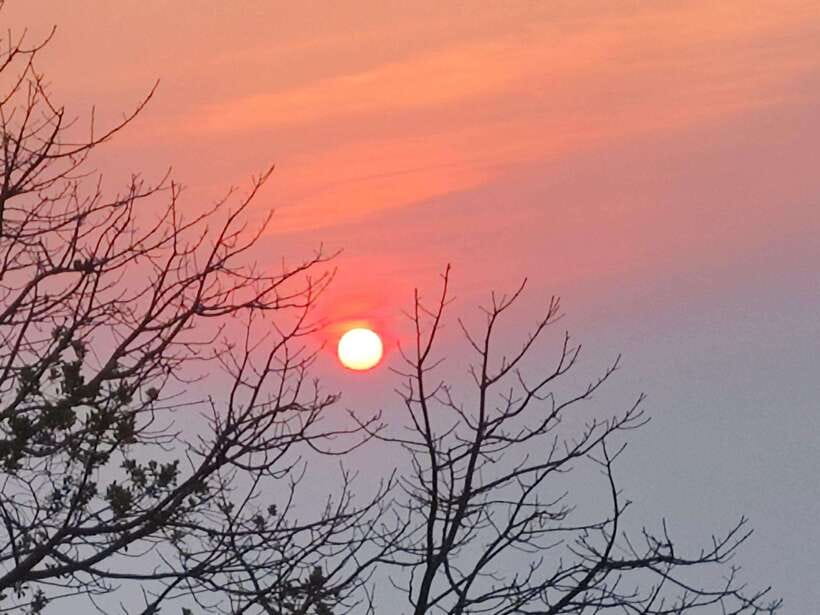
- Doi Suthep at dawn, with quiet bells, golden pagoda views, and that first-light panorama
- Chanting and basic meditation, led by someone who lived the routine
- Alms giving in the Thai way, plus a blessing moment for prosperity and good luck
- Two offbeat temple stops, Wat Pha Lat in the jungle setting and Wat U-Mong’s underground tunnels
5:00am Pickup and an Ex-Monk Guide Who Explains the Ritual
Your morning starts before the city fully wakes up. Pickup is around 5:00 am from one of three spots: Hotel M Chiang Mai (opposite Tha Pae Gate), Wat Chedi Luang (main entrance by a 7-Eleven), or Chang Phueak Gate on the north side of the old city. After you book, you confirm the exact pickup time by email or text, and you are asked to leave your WhatsApp number so they can reach you quickly.
What you get here is not just a driver and a checklist. The guide is an experienced ex-monk, ordained for at least 8 to 20 years, and ready to answer questions. That matters because the tour asks you to participate in religious acts, like chanting and alms giving, where tone and timing are part of the experience.
You ride in an air-conditioned SUV (5 to 7 seats) or a larger VIP van (10 to 14), and you get unlimited bottled water. Small group size is capped at 9 participants, which means you can actually hear, ask questions, and keep moving without feeling herded.
More Chiang Mai temple visits, food walks, elephant experiences, mountain trips, and northern Thailand day tours to compare

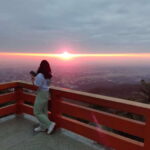
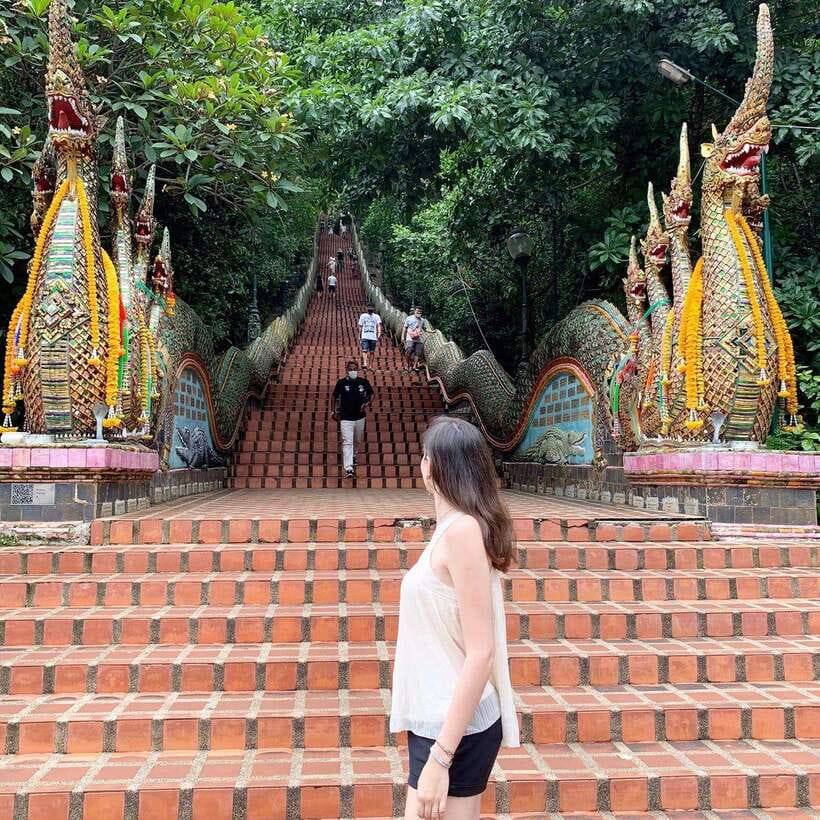
Doi Suthep Steps, Tram Choice, and the Golden Pagoda at Sunrise
The drive up to Doi Suthep takes about 45 minutes. Once you arrive, the guided portion is about 1.5 hours, with a break after (about 45 minutes) so you can catch your breath and take in the views.
Then comes the practical part: the walk is 306 steps. The good news is it is described as pretty easy, and you get a choice, you can walk or take the tram. Either way, the goal is the same, get you up before most of the world arrives so you can experience the temple in a calmer state.
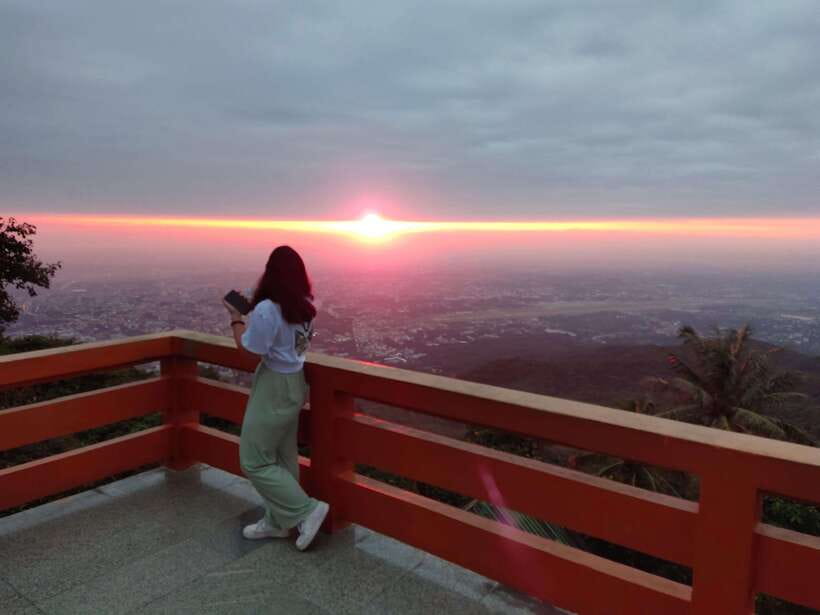
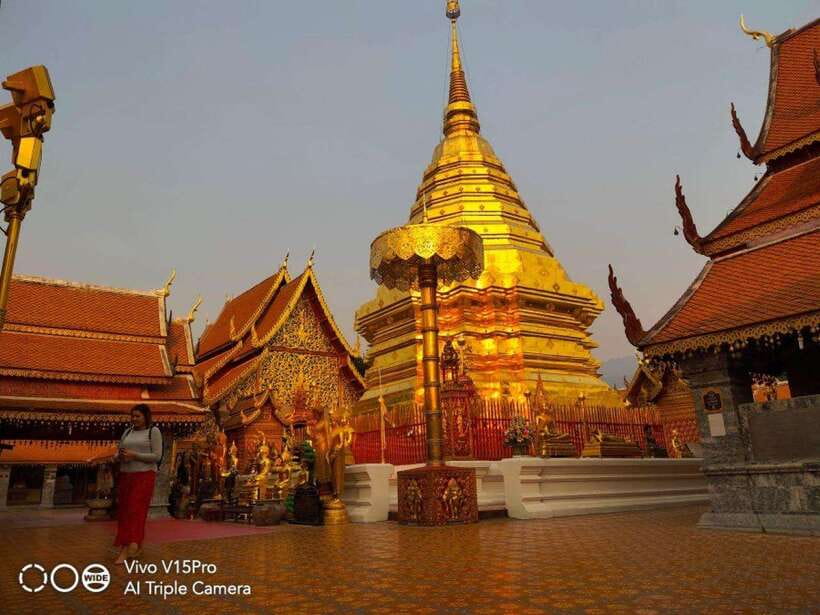
Doi Suthep sits on the mountain peak and is Chiang Mai’s top landmark. You will see the pagoda shining with real gold, and you get a viewing platform with panoramic views over the city and surrounding hills. The sunrise here is the payoff, the sky shifts behind the city and mountains, and the scene is the kind of thing you can photograph without even trying too hard.
The downside is the early hour and the stairs option, so you should wear grippy shoes and dress for cool morning air. Also, plan for some walking even if you take the tram, because temple grounds are still uneven in spots.
Chanting and Basic Meditation With Monks, Respectfully
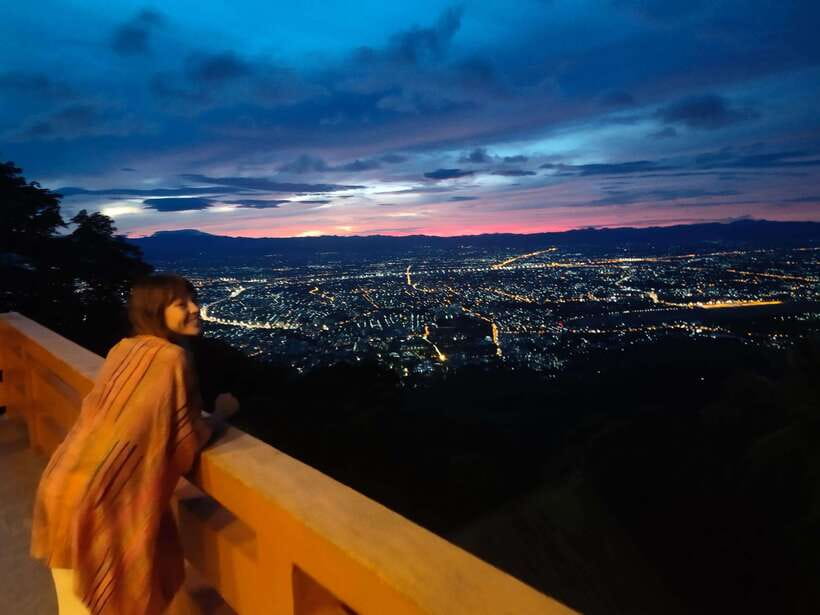
After the main arrival and orientation, you step into the heart of the morning. The program includes holy morning monks chanting and then basic meditation to help you settle your body and mind.
In simple terms, your guide sets expectations so you know what is happening and how to participate respectfully. That guidance is a big part of why this tour feels spiritual instead of just scenic. When you understand the rhythm of the chants and the reason behind the calm, you do less guessing and feel more connected.
You also get the benefit of being there early. The temple is still quiet, monks are rousing and going out for alms, and the morning light makes everything feel slower. One review noted that meditation time can be affected on certain monk holy days, so the exact minute-by-minute flow may vary. Even when it does, the chanting and explanations usually remain the core focus.
If you are new to meditation, this is the friendly version. You are not being asked to do anything extreme. Think of it as a guided introduction, with a former monk explaining how to hold the moment and breathe with less fuss.
Alms Giving in the Thai Way, Plus the Blessing Moment
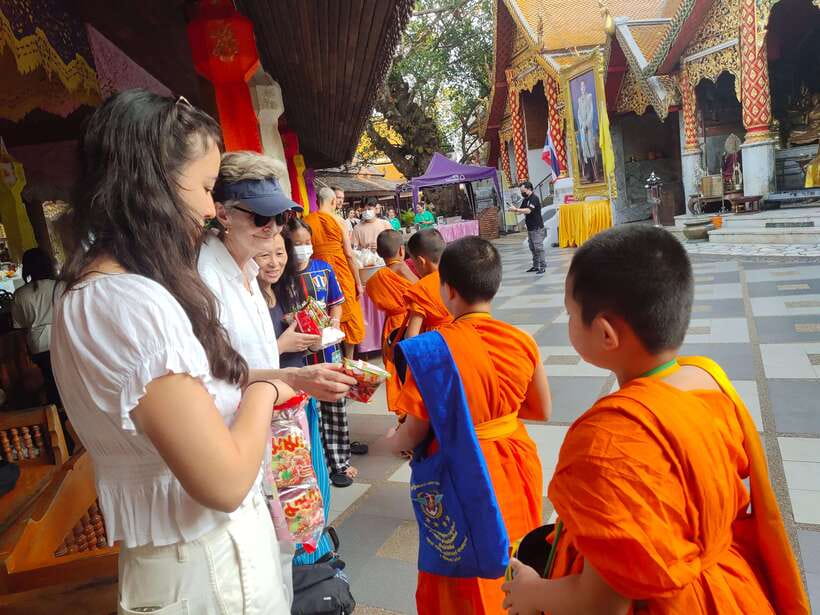
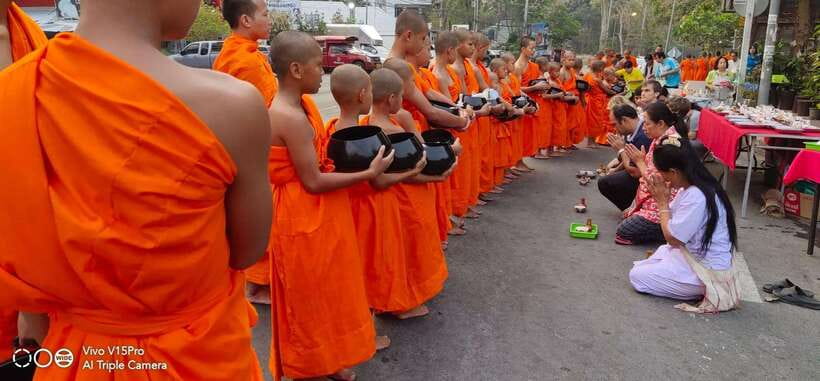
Then you move into the ritual most people remember. After sunrise, the tour includes an offering alms giving ceremony directed toward monks, in a Thai way your guide explains.
You are provided with food for the alms offering, so you are not scrambling to figure out what to bring. Your guide also helps you with respectful posture and timing, which is important because this is not a casual photo op. The idea is that offering with the right intention supports both the monks and the laypeople practicing generosity.
After the alms giving, you receive a blessing back from the monks, described as help for prosperity, good luck, and staying safe from dangers. This is one of those moments where it helps to be present rather than perform. If you treat it like a checklist, it will feel flat. If you slow down for a minute, it can feel personal.
Culturally, it is valuable because you get to see the everyday practice of monk life in the early morning. You are not just visiting a temple, you are witnessing a living routine that still matters in Chiang Mai.
Wat Pha Lat Jungle Temple and Wat U-Mong Underground Tunnels
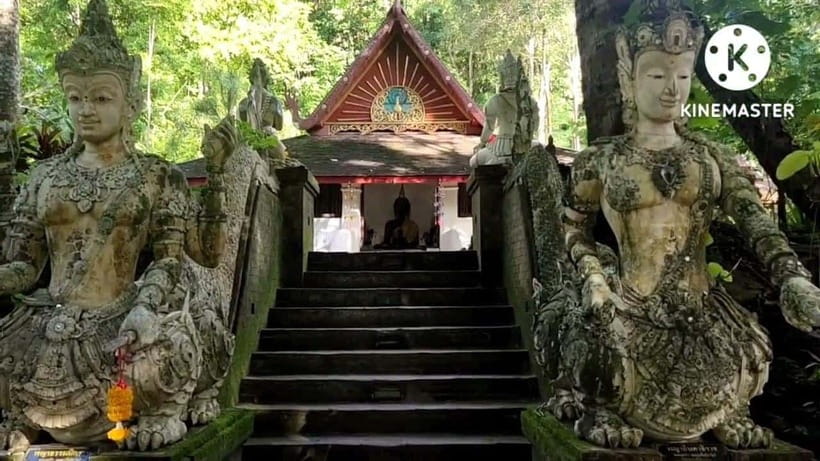
The tour doesn’t end at Doi Suthep. You then visit two additional temples designed to show Chiang Mai beyond the main postcard stops.
First is Wat Pha Lat, reached after your Doi Suthep time and break. The focus here is peace and setting. It is described as a quieter jungle temple, with a mix of Lanna and Myanmar architecture styles. It feels different from the main mountain temples, more atmospheric, with an outdoor, ancient feel rather than just a top-of-the-hill view.
You also get a bit more roaming room at this stop, and some mornings you may notice how the area stays alive with birds or temple animals around the grounds. That adds to the sense that you are in the real temple world, not a stage set.
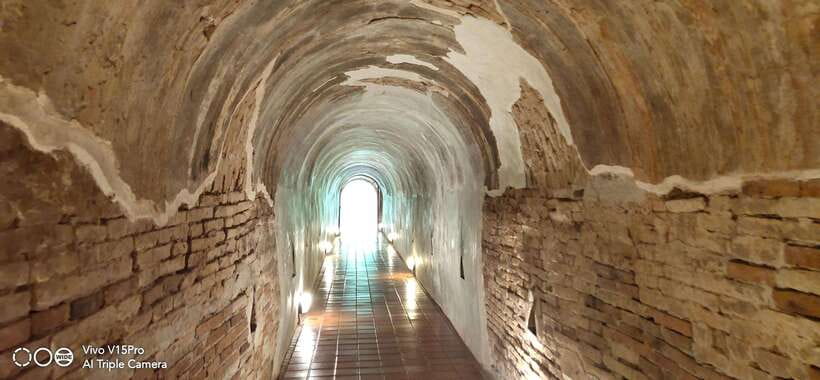
Your last temple is Wat U-Mong, often called the underground temple. The emphasis is on serenity and tunnels. One description notes these tunnels were used by jungle monks to take cover during rainy season, which gives the place a practical, lived-in history rather than only a decorative one.
These two stops can feel like the calm after the sunrise peak. They are shorter than Doi Suthep, but they change the mood, and that contrast is part of the value of the itinerary.





Price, Small-Group Value, and How to Plan Your Morning
At $59 per person for about 330 minutes (roughly 5.5 hours), you are paying for a lot more than transportation. The price includes pickup and drop-off, temple admissions, guided time at all three temple sites, and transport in an air-conditioned SUV or van. You also get unlimited bottled water and local breakfast.
It also includes the stuff that usually adds cost later. You get food for alms offering, and you get a breakfast stop with local dishes such as Khoi Soy or other Thai options. So you do not need to buy a meal on top of the tour price unless you want extra snacks or drinks.
The small group size, limited to 9 participants, is a big part of the value. Sunrise experiences can get chaotic with large groups. Here, you have more room to hear your guide, ask questions, and move at a reasonable pace.
The main planning tip is sleep. A 5:00am start means you should go to bed early the night before and expect to feel groggy. If you are traveling with a strict schedule later in the day, build in a buffer for rest.
What to Wear and Bring for a Smooth Dawn (and a Photo Win)
Dawn in Chiang Mai can be cool. The tour is built around standing, walking temple steps, and spending time outdoors, so dress for comfort and respect.
Bring:
- Camera (you will want it for sunrise views)
- Long-sleeved shirt and long pants
- Cash
- An umbrella in rainy season (July to October)
- A jacket in winter months (December to February)
Don’t wear shorts. Temples require covered legs, and this tour includes participation in ceremonies where correct attire matters.
For photos, I suggest you arrive mentally ready to shoot in changing light. The sunrise shifts quickly, and the best pictures tend to be the ones you take while you are also looking with your eyes, not only through a lens. Your guide can help with timing and where to stand, and some experiences include plenty of photo support so you are not left guessing angles.
Also, wear shoes you trust. Even if you choose the tram, temple paths are not smooth floor material, and you will be stepping up and down in uneven spots.
Should You Book This Spiritual Sunrise Tour?
Book this tour if you want a meaningful Chiang Mai morning, not just a temple checklist. I think it is a great fit for people who enjoy guided cultural context, want to witness monk life early in the day, and are interested in the alms giving ritual and meditation basics. The early arrival timing is a huge part of why this experience works.
Skip or reconsider if you hate very early starts, have mobility limits, or need wheelchair access. It is not set up for wheelchair users, and the day includes stairs at Doi Suthep even though there is a tram option. It is also listed as not suitable for people with diabetes and babies under 1.
If you can handle the timing and you dress appropriately, this is one of the more direct ways to connect with Buddhist morning life in Chiang Mai, while also seeing two additional temple settings that feel quieter and more distinct.
FAQ
What time does the tour start and when does it end?
Pickup is around 5:00 am and the tour finishes around 10:30 am, based on the approximate schedule.
How long is the tour?
The duration is about 330 minutes, roughly 5.5 hours.
How many people are in the group?
It is a small-group experience with a maximum of 9 participants.
What is included in the price?
Pickup and drop-off, local dish breakfast, food for alms offering, admission fees, an experienced English-speaking ex-monk guide, transport by air-conditioned SUV or VIP van, and unlimited bottled water.
What should I wear and bring?
Wear long pants and a long-sleeved shirt, bring a camera and cash, and avoid shorts. In rainy season bring an umbrella, and in winter bring a jacket.
Is meditation guaranteed?
Meditation is part of the program, with monks chanting and basic meditation included. On some monk holy days the schedule can shift, so you may see chanting and guidance even if the meditation slot changes.
More Morning in Chiang Mai
More Tour Reviews in Chiang Mai

Not for you? Here's more nearby things to do in Chiang Mai we have reviewed



Doi Suthep & Mountain Temple Tours, compared.
 ★ 4.6Doi Suthep and Wat Umong Enchanting Evening TourFrom $271,811 reviews
 ★ 4.7Doi Suthep, Wat Umong, and Pha Lat Sunrise TourFrom $321,425 reviews
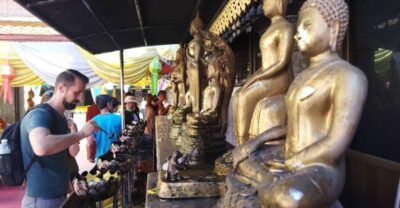 ★ 4.8Wat Pha Lat & Wat Phra That Doi Suthep TourFrom $241,207 reviews
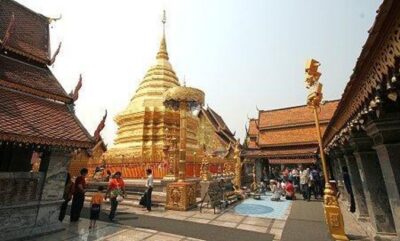 ★ 5.0Wat Phra That Doi Suthep spiritual Sunrise Tour with an Ex-monkFrom $64798 reviews
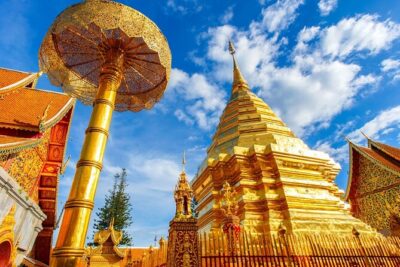 ★ 4.6Chiang Mai – Doi Suthep Temple & Wat Pha Lat HikeFrom $25740 reviews
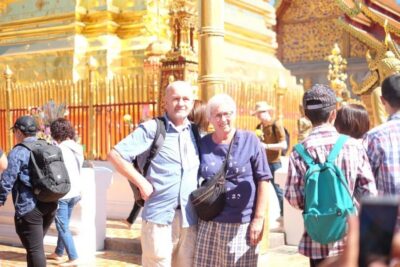 ★ 4.74-Hour Doi Suthep & Hmong Hill Tribe Village from Chiang MaiFrom $36696 reviews
★ 5.0Chiang Mai – Doi Suthep Temple & Wat Pha Lat HikeFrom $26657 reviews
★ 4.74-Hour Doi Suthep & Hmong Hill Tribe Village from Chiang MaiFrom $36696 reviews
★ 5.0Chiang Mai – Doi Suthep Temple & Wat Pha Lat HikeFrom $26657 reviews
 ★ 4.9Elephant Sanctuary, Monk Trail & Doi Suthep TourFrom $57563 reviews
Browse the lists this tour appears in