REVIEW · DOI SUTHEP & MOUNTAIN TEMPLE TOURS
4-Hour Doi Suthep & Hmong Hill Tribe Village from Chiang Mai
If you want Chiang Mai in one half-day, start with the mountain. This tour pairs Wat Phra That Doi Suthep with Doi Pui Hmong Hill Tribe Village, so you get temple meaning, hill-village daily life, and big-city views all in one tight route. I especially like that the schedule is focused, not rushed, with guided time to see what matters and ask questions.
The main thing to consider is physical. The temple is reached by a hilltop walk that includes 309 steps, with a cable car option, but you still need to handle some walking. If you have a back issue, mobility limitations, or heart problems, you may want to skip this one.
Key highlights at a glance

- Wat Phra That Doi Suthep with a guided visit and temple explanations
- 309 steps or cable car for the climb to the stupa area
- Doi Pui Hmong Hill Tribe Village museum stop plus time to walk around
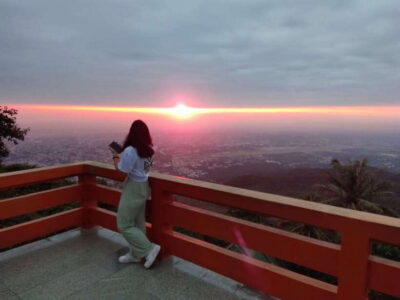
- Viewpoints over Chiang Mai City from the temple terrace
- Small group up to 9 in a 9-seat air-conditioned minivan
- Entry fees + cable car included, plus bottled water and a refreshing towel
A half-day that pairs temple spirituality with hill-village life

This is one of those Chiang Mai tours that makes sense on a time crunch. In just about four hours, you leave the city, climb into Doi Suthep-Pui National Park, and visit two very different cultural stops that still connect through northern Thailand’s spiritual and everyday rhythms.
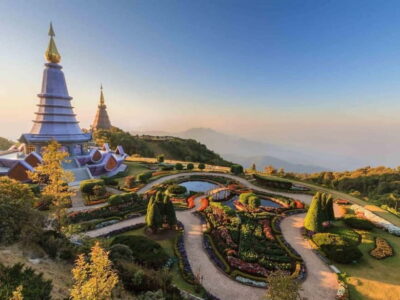
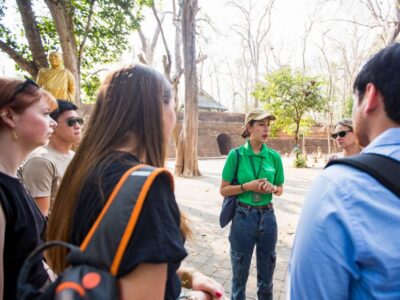
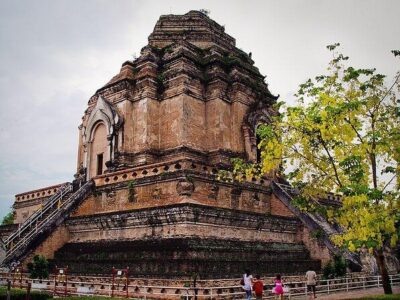
The temple visit is the big anchor. Wat Phra That Doi Suthep is one of the most recognizable landmarks around Chiang Mai, and it has more going on than just pretty buildings. Your guide talks through what you’re seeing, including the temple’s connection to a Buddha relic, so you know where to look and what the symbolism means.
Then you shift gears to the Doi Pui Hmong Hill Tribe Village area. The focus here is learning through a museum and village walking time, not just shopping. You also get a chance to try small treats at stalls while you’re there, and some people specifically mention enjoying snacks like dried mango and sugared fruit during the market browsing.
One smart aspect for value is what’s included. You’re not only paying for views, you’re paying for transportation, a guide, and entry fees for both stops, plus the cable car. For $36, that’s a practical deal if you’d otherwise have to stitch together multiple tickets and rides on your own.
You can also read our reviews of more tours and experiences in Chiang Mai.
Getting there: pickup timing, ride style, and what to wear

You’ll get picked up right from your hotel lobby in Chiang Mai (within 6 km of the 3 Kings Monument). There are two departure windows depending on which slot you book: a morning pickup around 08:00 to 08:30 or an afternoon pickup around 13:00 to 13:30.
From there, it’s about a 45-minute drive up into the park area. The minivan is air-conditioned and designed for small groups, limited to 9 participants, which matters more than people think. In a bigger bus, you’re stuck with the loudest schedule. In a small vehicle, your guide can keep the day moving and still give you time to stop, ask, and take photos.
For clothing, plan for temple rules and a bit of hiking. Bring comfortable shoes, long pants, and a long-sleeved shirt. Shorts and sleeveless tops are not allowed, and shoulders and knees must be covered for entering temple areas. If you hate the idea of long pants in Chiang Mai heat, treat this as a moment to dress lightly but correctly, like breathable long sleeves.
Also, remember that this tour is not a great match if you use a wheelchair or have serious mobility limits. Even with the cable car, there’s still walking involved, and the temple area is built for pilgrims, not for wheel-based movement.
Wat Phra That Doi Suthep: the 309-step pilgrimage and the payoff

Wat Phra That Doi Suthep is the part of this tour most people will remember. The reason is simple: it feels like a pilgrimage. Your guide has you follow the traditional route toward the hilltop stupa area, where you’ll reach it by climbing 309 steps.
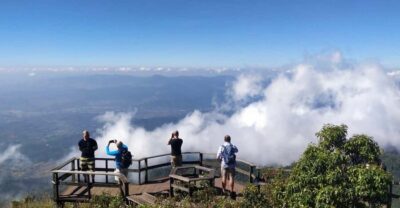
There’s also a cable car option included, which is a big deal if you want the hilltop experience without grinding every step. Either way, the important thing is that you’re going up into a temple complex where the view is part of the ritual. When you reach the terrace area, you get breathtaking views across Chiang Mai City and the surrounding area.
What your guide adds makes the visit more useful. The temple isn’t just a place to wander and point. With an English-speaking guide, you’ll learn what you’re looking at as you explore, including the temple’s religious significance and the meaning behind key features.
A practical note: views can depend on weather and haze. One person mentioned fog impacting the scenery during rainy season, and another noted that the view can be affected by smoky conditions at times. You cannot control air quality, but you can control your expectations. If you’re there on a clearer day, you’ll feel like you hit the jackpot.
The village stop at Doi Pui: museum time, village walking, and real daily life

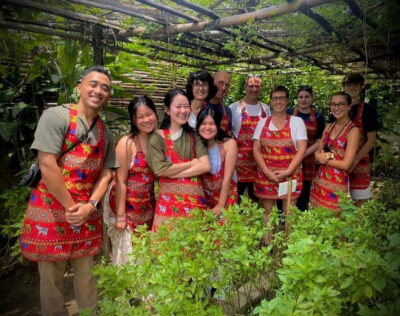
After the mountain temple, the tour shifts to Doi Pui Hmong Hill Tribe Village. This is where the day gets more human and less ceremonial. Instead of focusing on temples and relics, you focus on daily life, culture, and how people live in this part of northern Thailand.
You start with the Doi Pui hill tribe museum, then you move into village walking time. The museum helps you frame what you’ll see outside, so you’re not just guessing at what different crafts, clothing styles, or village scenes mean.
When you’re walking around, you’ll likely encounter stalls selling crafts and textiles, plus snack options. Several people highlight small food moments during the market browsing, including local fruit and sweets. You might also see items related to coffee, since some comments connect the stop with coffee plantation area insights.
That said, this is also a place with shops. One reviewer noted there are quite a few stalls, and the mix can include both locally made items and more standard souvenir-style goods. My advice: treat shopping as optional. If you want to buy something, look for what genuinely feels handmade to you and set a spending limit before you enter bargaining mode. A couple of people also warned about certain high-priced silver jewelry sales attempts, so keep your guard up and don’t feel pressured into quick decisions.
What the best guides do with a small-group day

This tour stands or falls on the guide, and the strongest feedback here is consistent: the day works because your guide is good at explaining what you see and guiding the timing without rushing you.
You may notice in the tour experience that different guides bring different strengths. Names that come up often include Pae, Kai, Poonkie (spelled Poonkie or similar in the feedback), Paul, Nut, Tui, and Lily. The common thread is clear English, calm handling of questions, and a willingness to slow down when people want to look closely or take photos.
Small-group format makes that easier. With a maximum of 9 people, you’re less likely to get lost in the crowd. One person said they ended up with just two guests plus the guide and driver, and the day felt almost private. That can happen when group sizes are small, and it usually means more flexibility, including extra time for browsing and more chances for photos.
If you care about understanding religion and culture (not only taking pictures), pay attention to the explanations you’re given while you’re walking. That’s the difference between seeing a temple and learning how symbols, rules, and spaces fit together.
Timing and pacing: how to fit this into your Chiang Mai itinerary

The official structure is simple and easy to follow. You’re picked up, driven to the mountain area, spend guided time at Doi Suthep, then you head to Doi Pui, and finally you return to the city with a hotel drop-off.
The key benefit of this pacing is that you don’t end up exhausted. Each main stop gets about one hour of guided time, plus driving time between them. For many people, that’s the right balance: enough time to feel the place, not enough time to hate the day.
That said, you should plan your afternoon or evening carefully. Some days run slightly behind when people linger on stairs, at viewpoints, or at market stalls. If you have dinner reservations close to drop-off, build in a buffer. You’ll have a smoother experience.
Choosing the morning slot can help if you want better chances at clear views, but the tour itself is the same. Morning vs afternoon is mostly about what else you want to do in Chiang Mai that day. If your evenings are free and you want a slower pace later, take the morning. If you want to sleep in and do other activities in the morning, the afternoon slot makes it easy.
Price and value: why $36 makes sense for this route

At $36 per person for a four-hour outing, the main question is what you’re actually buying. Here’s the value logic:
- Transport is included in a 9-seat air-conditioned minivan, plus hotel pickup and drop-off.
- An English-speaking guide is included, and that guide covers both sites.
- Entry fees are included for the Doi Pui hill tribe museum, the Doi Suthep Temple, and the cable car.
- Basic comfort extras are included, like drinking water and a refreshing towel.
- Travel accident insurance is included.
If you tried to assemble this yourself, you’d likely spend more once you add tickets, rides, and the convenience of not figuring out timing between distant stops. This tour is also short enough that you’re not paying for a full day just to get two points on your list.
Where value can shift for you is interest level. If you love temples and want cultural context, you’ll feel the money is well spent. If you mainly want views and shopping, the experience may feel more structured than you want, especially during the village stop where the museum sets a learning tone.
Who should book this tour, and who might skip it

Book this if you want:
- A guided Wat Phra That Doi Suthep experience with temple context
- A visit that goes beyond temples into the Doi Pui Hmong Hill Tribe Village museum and walking time
- A small-group day that does not drag on
- Included entry fees and cable car, so you avoid ticket hassle
Skip it (or choose another option) if:
- You have a back problem, mobility impairment, heart issues, or need wheelchair access
- Stairs are a dealbreaker, even with the cable car option
- You dislike guided structure and prefer total freedom, since this day is planned around two main stops
If you’re visiting Chiang Mai for the first time and want a best-of mix of sacred site and northern hill culture, this tour hits a sweet spot.
Should you book this 4-hour Doi Suthep and Hmong tour?

I think you should book it if your priority is meaningful sightseeing in a short time. The combination of Wat Phra That Doi Suthep, a guided explanation of what you’re seeing, and a Doi Pui village stop with museum context is a strong way to understand Chiang Mai beyond the city streets.
Choose it with a little strategy. Wear the right clothes for temples, pack comfortable shoes, and plan some flexibility in your schedule in case you linger at viewpoints or market stalls. If you’re physically able to do hilltop walking and you want cultural depth, this is a solid value day in northern Thailand.
FAQ
What time does pickup happen for the 4-hour tour?
You can book either a morning pickup around 08:00 to 08:30 or an afternoon pickup around 13:00 to 13:30. Your tour ends with a return and hotel drop-off.
Where is the hotel pickup location?
Pickup is included from your hotel lobby in Chiang Mai, within 6 km of the 3 Kings Monument.
How big is the group?
This is a small group tour limited to 9 participants.
What do I do at Wat Phra That Doi Suthep?
You visit the temple with a guide and explore the sacred area. You can climb 309 steps to the stupa hilltop area or take the included cable car.
Is the cable car included?
Yes. Cable car entry is included in the tour price.
What’s included in the price besides transportation?
Entry fees for Doi Pui hill tribe museum, Doi Suthep Temple, and the cable car are included, along with an English-speaking guide, drinking water, a refreshing towel, and travel accident insurance.
What should I wear or bring?
Bring comfortable shoes, long pants, and a long-sleeved shirt. Casual dress is fine, but shoulders and knees must be covered for temple areas.
Is there anything I can’t bring?
Pets are not allowed.
Who shouldn’t take this tour?
It is not suitable for people with back problems, mobility impairments, heart problems, or wheelchair users.
What is the cancellation policy?
Free cancellation is available up to 24 hours in advance for a full refund.
Is reserve now, pay later available?
Yes. You can reserve now and pay later, keeping your plans flexible.
More Tour Reviews in Chiang Mai
Not for you? Here's more nearby things to do in Chiang Mai we have reviewed
Doi Suthep & Mountain Temple Tours, compared.
★ 4.6Doi Suthep and Wat Umong Enchanting Evening TourFrom $271,811 reviews
★ 4.7Doi Suthep, Wat Umong, and Pha Lat Sunrise TourFrom $321,425 reviews
★ 4.8Wat Pha Lat & Wat Phra That Doi Suthep TourFrom $241,207 reviews
★ 5.0Wat Phra That Doi Suthep spiritual Sunrise Tour with an Ex-monkFrom $64798 reviews
★ 4.6Chiang Mai – Doi Suthep Temple & Wat Pha Lat HikeFrom $25740 reviews
★ 4.9Spiritual Sunrise Wat Doi Suthep, Pha Lat, Alms & MeditationFrom $59674 reviews
★ 5.0Chiang Mai – Doi Suthep Temple & Wat Pha Lat HikeFrom $26657 reviews
★ 4.9Elephant Sanctuary, Monk Trail & Doi Suthep TourFrom $57563 reviews
Browse the lists this tour appears in