REVIEW · CHIANG MAI FOOD & MARKET TOURS
Taste of Chiang Mai: Michelin Guide & Street Food Tour
Michelin meets street food in two hours. I love that you eat Michelin Guide-selected dishes, not a grab-bag of random snacks, and I also love the way the guide ties each plate to Chiang Mai and Northern Thailand food history. One catch: this tour is not a fit for many dietary needs, including vegetarians, vegans, gluten intolerance, and people with food allergies.
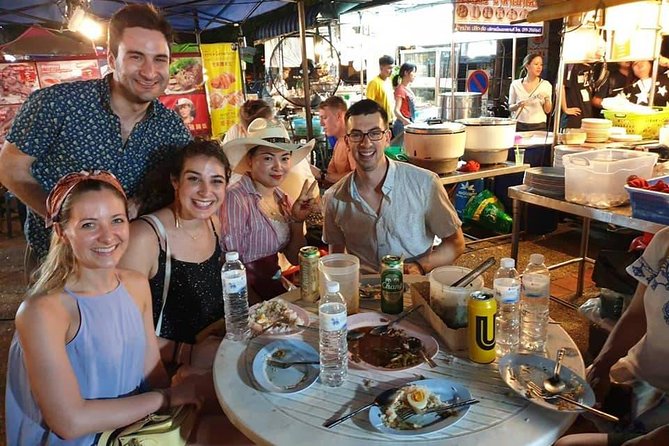
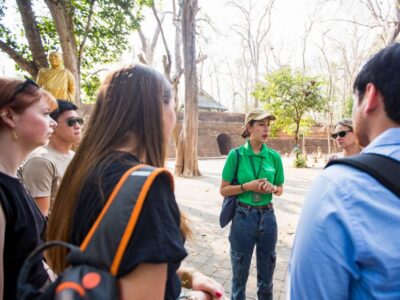
What makes this one work is the flow. You start near Wat Saen Fang, walk a bit, then sit down to taste properly, with time to ask questions and slow down. The guide, Natt, runs the kind of tour where you get food plus context, and you feel cared for from the first minute.
If you book the Lunch option, you’ll spend time in Warorot Market. If you book the Dinner option, it’s Nimmanhaemin instead, with no market visit, and you still get three Michelin Guide dishes in the same 2-hour window.
Key highlights worth planning for

- Three Michelin Guide-selected dishes with full flavor, not tiny samples
- Warorot Market (Kad Luang) for a lunch-focused market walk and food tasting
- Natt’s food-and-history approach, with plenty of chances to ask questions
- Yen Ta Fo, Dinosaur Fried Dough, and steamed rice skin dumplings for Lunch
- Khao Soi, roast chicken, and papaya salad for Dinner, without the market stop
Entering Chiang Mai through Michelin picks and real streets

Chiang Mai food can feel overwhelming at first, especially if you have one day and a dozen snack ideas. This tour solves that problem by giving you a short list of must-try dishes that come from Michelin Guide selections, then pairing them with places that local food shoppers actually use.
I like how this is not a sprint. The pace is relaxed enough that you can taste, listen, and still take a few photos. You also walk enough to feel the neighborhood, but not so much that the tour turns into a leg workout.
And because you are eating at only a few stops, each dish gets meaning. You learn what it is, what style of cooking it represents, and why it shows up in Chiang Mai.
You can also read our reviews of more food & drink experiences in Chiang Mai
Wat Saen Fang start: easy meeting point and a smart warm-up

For the Lunch option, you meet at Wat Saen Fang (Entrance Gate next to The Story 106 Co-Working Space & Cafe on Thapae Road), about 600 m from Tha Pae Gate. It is a simple start area that makes it easier to arrive calm, instead of doing a scavenger hunt.
Plan on doing this with comfortable shoes and sun protection. You are walking short distances between tastings, and Chiang Mai can be hot even when your plans feel “small.”
Bring cash. The tour includes a bottle of drinking water, but you may want extra snacks or drinks on your own as the market draws you in.
Stop 1 at Thana Ocha: Hakka pink noodles (Yen Ta Fo)

Your first main tasting is at Thana Ocha Noodle. This is where you get Hakka pink noodle (Yen Ta Fo), and you also get a guided look at what you are eating, not just a handoff to a table.
Yen Ta Fo stands out because the pink color is part of the identity, and the style is tied to Northern Thai and Chinese culinary influence. That matters because Chiang Mai’s food story is not one origin. It is trade routes, migration, and adaptation, all showing up on menus today.
You spend about 40 minutes here, including street food, guided tour, and tasting. That timing is good. You get a real bite, you have time to finish it, and you are not rushed into the next stop while your stomach is still figuring things out.
Tip for your first noodle bite: take a moment before you start eating to watch how people at the stall or shop order and garnish. The guide’s job is to make sense of that, so you can enjoy the dish the right way instead of guessing.
Warorot Market walks at Kad Luang: the stage before the second meal

After Thana Ocha, you head back into Warorot Market. You get multiple short segments here, including walks, a guided market visit, and sightseeing.
What I love about this layout is that you are not dumped into the market with zero context. You see what is around, the guide points out what to look for, and you get a sense of how the market supports daily food life in Chiang Mai.
The market stop includes guided tour time (about 20 minutes) and extra walking segments (multiple short walks). That structure keeps it from feeling like a long march through aisles. It also gives you a chance to notice smells, herbs, and snack culture that you would otherwise miss.
If you have been to a lot of markets in Asia, you’ll still pick up something here. Warorot is big, but the tour helps you see it as a working food system, not just a place to take photos.
Stop 2 at Lung Khajohn Wat Ket: rice-skin dumplings that feel homey

Next up is Lung Khajohn Wat Ket for another street food tasting and guided time (about 20 minutes). This is where the Lunch option includes Khao Kriab Pak Moh (steamed rice skin dumplings).
Dumplings here are more than filler. Rice-skin dumplings in Northern Thailand tend to feel lighter than many dumpling styles, and the texture is part of the satisfaction. The guide helps you understand the dish as a local specialty, so it lands as a Chiang Mai choice, not just “another dumpling.”
You also get time to taste in a setting that makes sense for the dish, which matters because street dumplings can be tricky if you do not know what to expect. The tour closes the loop between the market walk and what you are actually eating, so it feels connected.
More Chiang Mai temple visits, food walks, elephant experiences, mountain trips, and northern Thailand day tours to compare
Lunch option recap: the three-dish Michelin trio

If you choose Lunch, the tour focuses on three Michelin Guide-selected dishes:
- Thana Ocha’s Hakka pink noodle (Yen Ta Fo)
- Patongo Ko Neng’s Dinosaur Fried Dough
- Lung Khajohn Wat Ket’s Khao Kriab Pak Moh (steamed rice skin dumplings)
This is a smart mix because you get variety in texture and style. Noodles first, then a fried dough option, then dumplings. You are not eating one category of food over and over.
Also, the tour is built around the idea that you should leave full. Many food tours in tourist areas give you bites that feel more like proof of concept. Here, the structure is closer to an actual meal, spread across three stops.
Dinosaur Fried Dough: why this stop is more than a gimmick

The dinosaur fried dough sounds like a novelty name, but it is a real Northern-style street-food personality. You are looking at a dish that has strong identity by shape, texture, and flavor.
This is the kind of stop where the guide’s job is valuable. Fried dough can be easy to misunderstand if you expect it to taste like something else you know. With the tour, you get the explanation before you commit to each bite, so the flavors make sense as you taste.
It also helps that you are eating it as one part of a Michelin-selected set. That pushes you to take it seriously, even if the name makes you smile.
Dinner option on Nimmanhaemin Road: same Michelin idea, different route

If you pick the Dinner option, you meet at McDonald’s Nimmanhaemin. There is no market visit, and the tour takes place on Nimmanhaemin Road, finishing there as well.
You still get three Michelin Guide-selected dishes:
- Khao Soi Michelin
- Roast Chicken
- Papaya Salad
This option is a good choice if you want Michelin picks but you do not want a second market walk. Nimmanhaemin is more spread out and more modern-feeling than the market area, so dinner feels different even though the format is similar.
Khao Soi is the anchor here. It is one of the dishes people come to Chiang Mai for, and it is also a dish where the details matter, from toppings to broth style. Pairing it with roast chicken and papaya salad gives you a balance of richness and acidity.
The tour also ends in an easy area to continue the night. You can visit one Nimman after the tour, which is a handy way to keep plans simple.
Is $31 good value? What you are buying with this tour

At $31 per person for about 2 hours, the big value is not just the Michelin labels. It is the fact that the tour bundles:
1) guided selection of dishes you might not find on your own, and
2) time to eat real portions, and
3) a guide who connects food to the place.
Food tours can be pricey when you pay for ten tiny tastings. Here, you pay for a small number of high-impact dishes that fill you up. That is why so many people rate it highly, because the math works for your stomach.
Also, Natt adds practical value. In the conversations on the tour, you get tips for where to go next in Chiang Mai and how to navigate the food scene without wasting meals on guesses. If you are only in town a few days, that kind of local advice is worth a lot.
One more value point: water is included. It sounds small, but staying hydrated during street-food eating is not a luxury.
Pace, portions, and what to expect between stops
The Lunch itinerary is built around short walks and a couple of longer tasting blocks:
- Walk from the start area to Warorot Market (about 10 minutes)
- Thana Ocha Noodle tasting and guidance (about 40 minutes)
- Back to Warorot Market (about 10 minutes)
- Guided market and sightseeing time (about 20 minutes)
- More market walking segments (about 10 minutes, repeated)
- Lung Khajohn Wat Ket tasting and guidance (about 20 minutes)
- Final walk back through Warorot Market to Kad Luang (about 10 minutes)
That rhythm matters. You get digestion time between heavy bites, and you do not spend the whole tour in motion. You also get enough market time to feel the atmosphere, without exhausting yourself before the best food.
You should also understand the tour’s limitations. This is not designed for people who need strict accessibility support. It is also not suitable for people with food allergies, lactose intolerance, gluten intolerance, and many medical or health conditions listed in the activity info.
If that applies to you, it is better to skip this one and find a specialized tour that can guarantee safe choices.
Practical tips so you enjoy every bite
A few things will make your experience smoother:
- Wear comfy shoes, because you will do multiple short walks on uneven market paths.
- Bring sunscreen and a hat. You will be outside between stops.
- Come with some appetite. This is built around three Michelin Guide dishes, so you should not eat a heavy breakfast first.
- Have cash. The tour includes water, but you might want additional purchases in the market.
- If you are traveling light, avoid bringing items that are not allowed. Backpacks and baby carriages are listed as not permitted.
On the tour itself, ask questions. Natt clearly enjoys explaining how dishes connect to the city. In previous tours, he has also given extra ways to handle Chiang Mai logistics, like simple guidance such as how to cross the road safely in busy areas.
That kind of calm, practical help is one reason the experience feels more than a checklist of foods.
Who should book this Michelin street food tour
This works best if:
- you want Michelin-selected street food in a short timeframe
- you enjoy guided explanations, not just eating
- you like market atmosphere, especially Warorot Market for Lunch
- you want a tour that is relaxed and structured around sitting to eat
It might not be your best match if:
- you are vegan or vegetarian, or you have dietary needs listed as not suitable
- you need allergy-safe food handling
- you have mobility limits or health concerns listed as not suitable for this activity
If you fall into the “I eat everything, I want good guidance” camp, you are going to have a very satisfying couple of hours.
Should you book Taste of Chiang Mai: Michelin Guide & Street Food Tour?
Book it if you want a straightforward plan for Chiang Mai that still feels local. You get three Michelin Guide dishes, you spend meaningful time at Warorot Market for Lunch, and you have a guide who connects food to what you’re seeing and tasting.
Skip it if you need strict dietary safety or allergy accommodations, because this tour is not designed around those constraints. Also skip it if you dislike markets or longish sitting tastings, since the format is part walking, part eating.
For most food-focused travelers, this is a strong value. You leave with full stomach satisfaction and a better sense of how Chiang Mai’s food culture fits together, one dish at a time.
FAQ
What is the duration of the tour?
The tour lasts 2 hours.
How much does the tour cost?
The price is $31 per person.
What dishes are included if I choose the Lunch option?
The Lunch option includes three Michelin Guide selected dishes: Hakka pink noodle (Yen Ta Fo), Thai Fried dough (Dinosaur Fried Dough), and steamed rice skin dumplings (Khao Kriab Pak Moh).
What dishes are included if I choose the Dinner option?
The Dinner option includes three Michelin Guide selected dishes: Khao Soi Michelin, roast chicken, and papaya salad.
Where do I meet for the Lunch option?
For Lunch, meet at Wat Saen Fang (Entrance Gate next to The Story 106 Co-Working Space & Cafe on Thapae Road).
Where do I meet for the Dinner option?
For Dinner, meet at McDonald’s Nimmanhaemin.
Is it free to cancel?
Yes. You can cancel up to 24 hours in advance for a full refund.
More Food & Drink Experiences in Chiang Mai
More Tours in Chiang Mai
More Tour Reviews in Chiang Mai
Not for you? Here's more nearby things to do in Chiang Mai we have reviewed
Chiang Mai Food & Market Tours, compared.
★ 4.5Small-Group Chiang Mai Evening Street Food TourFrom $42826 reviews
★ 4.9Evening Cooking Class and Local Market VisitFrom $28648 reviews
★ 4.8Evening Local Street Food Market TourFrom $40604 reviews
★ 5.0Northern Flavours Chiang Mai Food Tour with 15+ TastingsFrom $59513 reviews
★ 4.7Kalare Night Bazaar Boxing Stadium Muay ThaiFrom $19507 reviews
★ 5.0Evening Cooking Class in Organic Farm with Local Market TourFrom $29394 reviews
★ 5.0The 10 Tastings of Chiang Mai With Locals: Private Street Food TourFrom $78216 reviews
★ 4.3Local Food and Markets Guided Walking TourFrom $48175 reviews
Browse the lists this tour appears in