Rantong elephant sanctuary Chiangmai

REVIEW · CHIANG MAI ELEPHANT SANCTUARY TOURS

Rantong elephant sanctuary Chiangmai

4.4 · 21 reviews 4 hours From $57 Operated by Rantong elephant sanctuary · Bookable on GetYourGuide
Book on GetYourGuide →

Walking among elephants changes your day.

This 4-hour program in Chiang Mai Province lets you get close to rescued elephants through feeding, interaction, and bathing, with no horseback riding. I like that the camp frames its mission around rescued abused, injured, and maltreated elephants and a calmer, gentler way of spending time with them, not a show. One thing to consider: like any elephant experience, you should go in with your eyes open and be ready to ask what the elephants’ daily care and interaction rules look like, since one past participant had an ethical concern about tourist contact.

If you want a Thailand animal day that feels personal and not staged, this is a strong option.

I also like the practical setup, including transportation from Old City and a meal plan that fits the time slot (lunch for a morning program or dinner for an afternoon program). Still, it is hands-on. You’ll be around big animals at close range, so if you are uncomfortable with bath time or messy contact, think twice.

Key things to know before you go

Rantong elephant sanctuary Chiangmai - Key things to know before you go

  • Rescue-focused camp approach aimed at rehabilitation and long-term care for abused, injured, and maltreated elephants
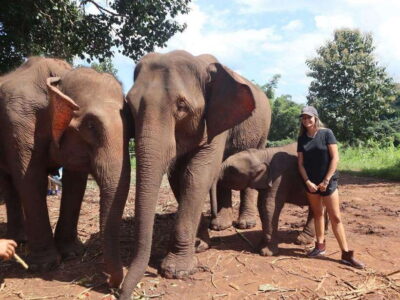
  • Hands-on time including feeding, walking among the elephants, and bathing
  • No horseback riding, which keeps the day centered on respectful interaction instead of riding
  • Old City pickup within 3 km, plus included transportation across Chiang Mai
  • Lunch or dinner included depending on the half-day slot, with drinking water provided
  • Clothes to change are included, plus a live guide in English or Chinese

Why Rantong Elephant Sanctuary feels grounded, not touristy

Rantong elephant sanctuary Chiangmai - Why Rantong Elephant Sanctuary feels grounded, not touristy
Elephants have a way of making everything quieter, even when there is a crowd behind the fence. What I like about Rantong is that it does not sell you a fantasy. It describes a camp that rescues elephants and works toward giving them a life they deserve, with your time designed around love and understanding.

That matters because elephant “sanctuary” can mean very different things in Thailand. Some places focus on entertainment. Here, the program positioning is clear: you’re not training or riding. You’re feeding, interacting, walking among them, and bathing as part of day-to-day care and connection.

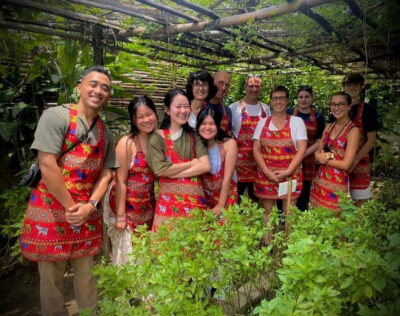
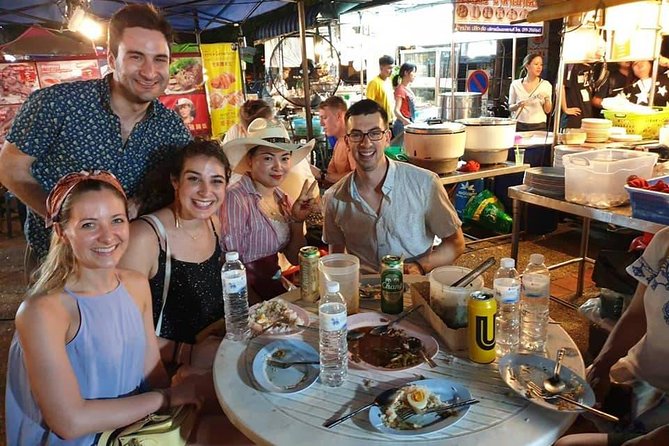
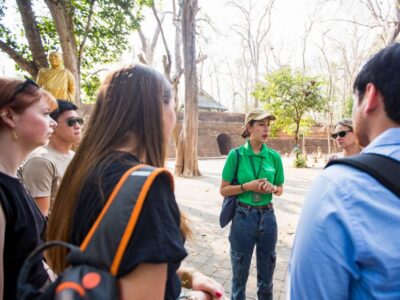
Also, the location choice helps. You’re based around Chiang Mai, and the itinerary includes a short Chiang Mai visit with coffee and tea, plus a guided part and a walk, before you head to camp activities. That gives the day a Thai feel, not just a transfer to an animal enclosure.

You can also read our reviews of more tours and experiences in Chiang Mai.

Price and time: does $57 feel worth it in Chiang Mai?

Rantong elephant sanctuary Chiangmai - Price and time: does $57 feel worth it in Chiang Mai?
At $57 per person for a 4-hour outing, you’re paying for time, access, and organization. You’re not just buying a ticket to see elephants in the distance. You get transportation, a guide, meals, and the supplies for elephant feeding and your comfort during messy moments.

Here’s how I’d judge the value. This package includes:

  • Insurance
  • Transportation from the Old City area (pickup within 3 km)
  • Lunch or dinner depending on the program time
  • Drinking water and clothes to change
  • Food for feeding the elephants

For many visitors, the big cost you would otherwise face is getting transport and paying separately for a guided, structured elephant day. Bundling those pieces into one short, half-day window makes the math work, especially if you want to stay flexible and not lose half a day to logistics.

One more practical point: a 4-hour format is helpful in Chiang Mai. Days here can stack fast with temple visits, markets, and massages. This gives you a meaningful animal encounter without swallowing your entire day.

Getting there from Old City: how the day starts

Rantong elephant sanctuary Chiangmai - Getting there from Old City: how the day starts
Pickup is from the Chiang Mai Old City area, and they pick you up at your hotel or accommodation within 3 kilometers. That reduces stress. No scrambling for a meeting point, and you’re not spending your time budgeting for tuk-tuks just to get started.

The program also includes transportation and mentions that the ride offers an amazing cultural view of Chiang Mai. That sounds simple, but it changes the feel. You’re not bouncing straight to camp with nothing in between. You’re on a guided half-day flow, and the city time helps you settle into the rhythm of Chiang Mai before you meet the elephants.

Depending on your time slot, the day’s earlier portion includes a visit and coffee and tea, plus lunch for the morning program or dinner for the afternoon program. In other words, you won’t arrive at the camp hungry, and you’re not stuck guessing where to eat.

Entering camp life: rescue mission meets real elephant behavior

Rantong elephant sanctuary Chiangmai - Entering camp life: rescue mission meets real elephant behavior
The camp describes its focus in plain terms: they rescue abused, injured, and maltreated elephants, then aim to provide a life shaped by love and understanding. They also make an important promise about the format: no special training is required. You’re guided, not instructed to perform tricks.

Once you arrive, the core of the experience is time with elephants, including:

  • Feeding
  • Interacting
  • Walking among the elephants
  • Bathing activities

And this is where your expectations should shift. The elephants aren’t there to entertain you. Your presence is part of the day, and you’ll learn how gentle and intelligent they are through close, controlled contact. You may feel small next to them, but that’s also the point. Elephants are strong, and you’ll notice that strength in quiet, everyday ways, not in a circus way.

The included guide is part of this. The tour includes a live tour guide in English and Chinese, and that matters because reading elephant body language is not something you should guess at. A good guide makes you safer and more respectful, which also makes the whole experience better.

The feeding and walking part: what respect looks like up close

Rantong elephant sanctuary Chiangmai - The feeding and walking part: what respect looks like up close
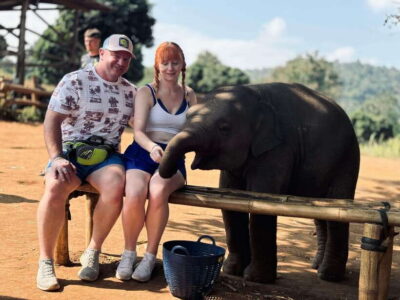
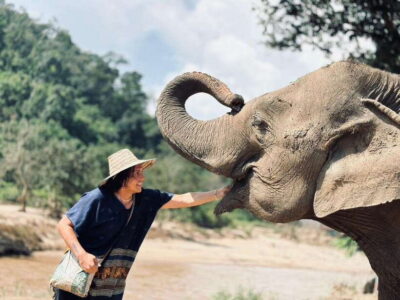
This is the highlight for many people, and it’s easy to see why. The program includes the rare combination of walking among elephants and hand-feeding them. That is not the same as standing in a viewing spot.

What you’ll get out of this section is a new sense of scale and calm. Elephants move like they have time. If you can stay patient and follow your guide’s cues, feeding turns into an education moment, not just a photo moment.

A few tips I’d give you based on how the program is described:

  • Keep your pace slow. You’re walking with animals, not around them.
  • Use the feeding time to pay attention to guidance, not to rush.
  • Expect that the elephants will behave like elephants, not like pets.

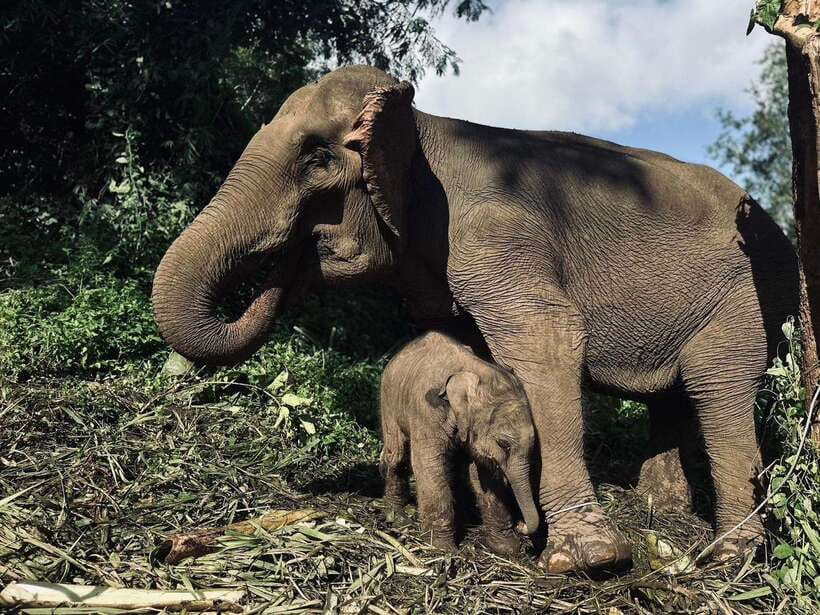
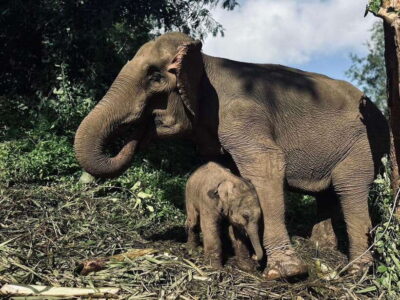
Also, one review specifically praised a sense of spaciousness, describing elephants that roam and that even baby elephants can be part of the day. That lines up with what you hope for: more natural movement and less “performing.” Still, baby elephants or any particular group is not something you can control, so come ready for what the camp has on that day.

Bath time: why it can be the most memorable part

Rantong elephant sanctuary Chiangmai - Bath time: why it can be the most memorable part
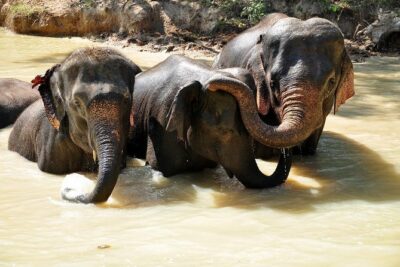
Bathing is one of the defining activities here, and it’s included in the program. You’ll be part of the bathing process during the camp activities, with clothes to change provided and drinking water for the human side of the day.

In the best cases, bathing does two things at once:

  1. It feels deeply hands-on in a way that feeding alone can’t.
  2. It gives you a close look at how elephants care for themselves and respond to human presence.

One past participant mentioned that after bathing they were offered towels and even shower gel, which suggests the camp tries to make the end of the day feel more comfortable. Even if your setup is slightly different, plan on getting wet and plan on smelling a little like elephant water afterward.

If you hate mess, bring a calm attitude. You’re paying for an interaction day, not a dry, clothes-unchanged city tour.

Lunch or dinner: simple Thai comfort without extra planning

Rantong elephant sanctuary Chiangmai - Lunch or dinner: simple Thai comfort without extra planning
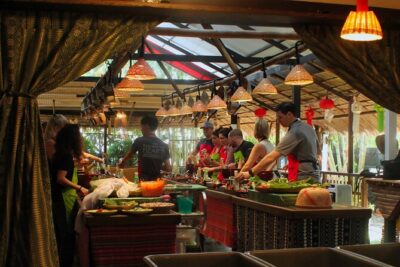
Food is built into the experience in a smart way. The program includes meals based on the half-day slot:

  • Lunch for the morning program
  • Dinner for the afternoon program

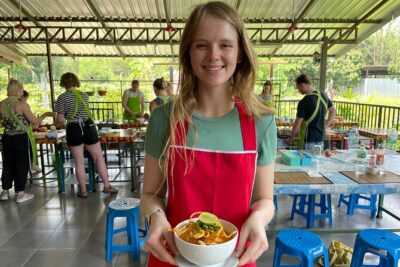
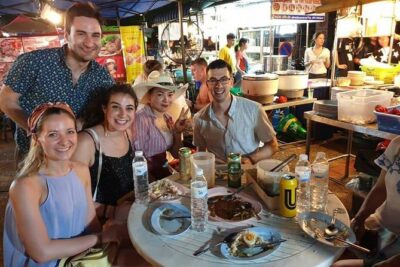
That’s a big deal for value. Many “elephant” days skip food, or they toss you into a random restaurant after a long drive. Here, the meal is part of the plan, and the tour description also mentions traditional Thai lunch as included.

For your comfort, this reduces one of the most common travel annoyances: you don’t have to figure out where to eat right before elephant contact. You can eat earlier, then focus on the day.

No horseback riding: the practical ethical difference

Rantong elephant sanctuary Chiangmai - No horseback riding: the practical ethical difference
The camp highlight is clear: no horseback riding. That matters because riding changes the whole nature of the interaction. It turns the elephant into transport equipment, and it shapes what the animals do during the day.

Instead, this program stays focused on:

  • feeding
  • walking among
  • bathing
  • guided contact

Even if you care about animals and you still want photos, you’ll likely feel less uncomfortable with this format because you’re not “using” the elephant to carry you. You’re engaging in care-oriented contact, guided by camp staff.

Who should book this elephant sanctuary day

Rantong elephant sanctuary Chiangmai - Who should book this elephant sanctuary day
This is a strong fit if you want:

  • a short, half-day commitment (4 hours) rather than an all-day excursion
  • a close-up experience that includes walking and hand-feeding
  • a program that does not require riding
  • a guide-led day with English or Chinese support

It also works well for people who want both city time and camp time. The day starts with pickup from Old City and includes a Chiang Mai visit segment with coffee and tea, then transitions into camp activities.

But it might not be for you if you:

  • feel uneasy with bath time and messy contact
  • want strictly passive animal viewing (this is hands-on)
  • have very specific ethical boundaries about any tourist interaction with captive animals

One important nuance: the ethical question is personal. One past participant expressed internal conflict about the label and what they felt should or shouldn’t be done for tourist experiences. That tells me you should take the “sanctuary” promise seriously and check details before you go.

How to judge the ethics yourself before you hand over your booking

You don’t need to be an expert to ask good questions. Since the camp describes rescue work and a gentle program, ask for clarity so your visit matches your values.

Here are smart questions you can ask the camp or your guide (in English or Chinese if offered):

  • What does a typical day look like for the elephants, beyond visitor interactions?
  • How do you ensure interactions are safe and respectful for both people and elephants?
  • How much of the elephants’ time is spent in natural roaming versus structured activities?
  • What does the bath activity involve, and what is your role during it?
  • How do you handle feeding so it supports the elephants and doesn’t encourage harmful habits?
  • Are there rules for how close visitors can get, and what happens if an elephant chooses not to engage?

If you’re comfortable with the answers, you’ll likely enjoy the experience in the way this camp aims for, with calm and gentle contact. If you’re not, you’ll have saved yourself a lot of regret.

What to bring so you enjoy the wet and the walk

Even with clothes to change included, I’d still plan for comfort like this:

  • Wear quick-dry clothing and shoes you can get wet
  • Bring a small dry bag for your phone and wallet
  • Expect muddy or wet surfaces during walking and bathing
  • If you’re sensitive to cold, consider a light layer, since wet weather plus shade can feel cooler

The program includes drinking water and clothes to change, so you’re not going in empty-handed. But your best experience will come from being prepared for the parts that are intentionally physical, especially bathing.

Also note that the tour is wheelchair accessible. If you use a wheelchair, ask about on-the-ground terrain and how the bathing and walking are managed for different mobility needs. The listing says it is accessible, but your on-site reality can still depend on surfaces and elephant placement.

Overall rating and what it says about your odds

This tour has an average rating of 4.4 out of 5 based on 21 bookings. That’s a good sign, especially for an experience that depends on both animal behavior and staff guidance.

From what you can expect, the strongest repeated appeal is the chance for walking among elephants and hand-feeding, plus bathing. The happiest moments seem to come from feeling close to elephants that appear to roam more freely rather than staying stuck in a small staging area.

The single biggest caution sign is not a deal-breaker, it’s a reminder: not everyone feels good about the ethical framing of any tourist elephant contact. If ethics are your deciding factor, use the questions above and trust your instincts.

Should you book Rantong Elephant Sanctuary in Chiang Mai?

Book it if you want a short, guided, hands-on elephant day with feeding, walking, and bathing, and you like the fact that no horseback riding is part of the experience. At $57 with meals, transport, insurance, and supplies included, it is strong value for what you get.

Don’t book it if you want a mostly hands-off visit, or if you know you’ll struggle with bath-time mess and close contact. Also, if your ethical line is strict, take the time to ask the camp how daily care works when visitors are not around.

If you fall somewhere in the middle, here’s my practical advice. Treat it like a guided care experience, not a show. Bring a respectful attitude, follow the guide closely, and focus on connection over photos. That approach is how this kind of day turns into a meaningful memory instead of a confusing one.