REVIEW · CHIANG MAI ELEPHANT SANCTUARY TOURS
From Chiang Mai: Living Green Elephant Sanctuary Tour
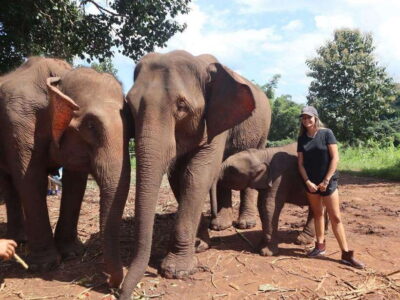
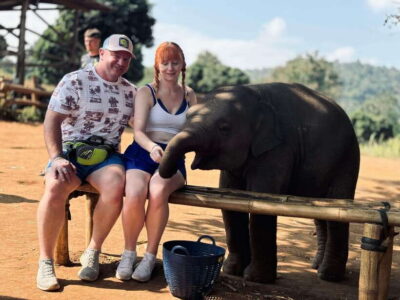
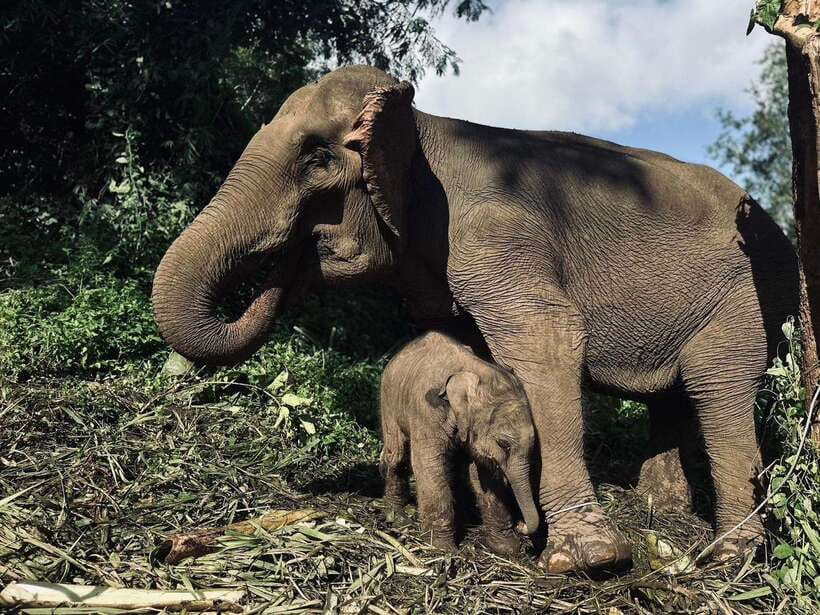
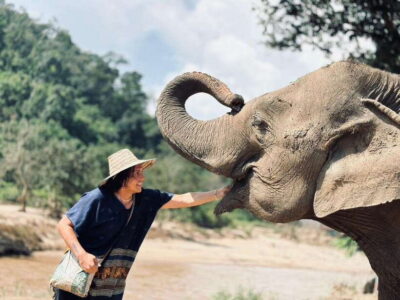
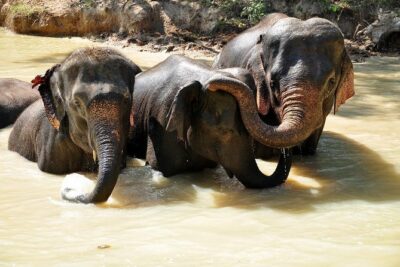
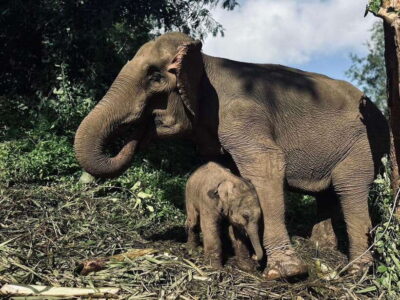
Elephants free in the jungle. Living Green Elephant Sanctuary in Chiang Mai brings you face to face with elephants in an open-air ethical sanctuary setting, with no riding, no chains, and no performances, plus guides like Rainbow and Pao who explain what you are seeing as you go. I especially love the chance to watch river and mud bath moments that feel natural, not staged, and I also love the hands-on care part, like feeding and walking with the elephants through the woods.
One consideration: plan for wet weather, and don’t assume you will always get lots of river time. In cold weather, elephants are never forced into the water, so your bathing moments may be shorter depending on conditions.
Key Things I’d Plan Around

- No riding, no chains, no shows: Your interactions are focused on welfare and observation, not performance.
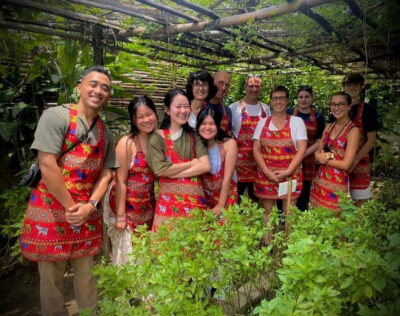
- Mo Hom clothing and elephant context: You change into traditional northern outfits and learn each elephant’s behavior cues.
- Feeding and forest walking: You walk with caretakers as elephants choose their pace and route.
- River bathing is weather-dependent: You should bring swimwear, a towel, and a full change of clothes.
- Full-day extras are purpose-driven: Herbal medicine balls, planting seedlings for elephant food, and a vegetarian Pad Thai workshop.
Why This Chiang Mai Elephant Sanctuary Feels Different

If your idea of an elephant day is sitting on a chair, holding a pole, and taking quick photos, this tour will feel like a hard reset. Living Green Elephant Sanctuary is designed so elephants move freely, while you interact in ways that support animal welfare. The big headline is simple: no riding, no chains, no performances.
What I like most is that the day is built around real elephant behavior. Instead of rushing through a set sequence for the camera, you spend time watching how elephants approach, pause, play, and interact with their environment. That makes the whole experience calmer, and it also means you get more meaningful moments.
You can also read our reviews of more tours and experiences in Chiang Mai.
Ethics First: What You Actually Do With Elephants

The ethical setup is not just marketing language here. You are not pushed into unsafe behaviors, and you are not asked to treat elephants like attractions. Your role is more like a respectful guest who participates in care routines under guidance.
You can expect three main interaction types:
- Hand-feeding the elephants while caretakers guide you on safe distance and timing.
- Walking with the elephants through the forest, with staff focused on keeping everyone comfortable.
- Observing bathing in the river and mud area, when conditions allow it.
Guides like John, Mr Su, and Rainbow are often the ones leading the experience in English, and they keep things practical, not preachy. In the full-day program, there is also a Chinese guide available (named Nim in some experiences), which can help if you want extra clarification.
Half-Day vs Full-Day: Choosing the Right Time Block

You can do this two ways, and the choice matters.
Half-day program (morning or afternoon)
Plan for roughly 6 to 7 hours, including time on the road. This is the smarter pick if you want the elephant time but still want energy for Chiang Mai evenings like the night market.
You typically get:
- Hotel pickup
- A scenic drive through rural areas
- A welcome briefing plus Mo Hom clothing
- Feeding and walking with the elephants
- Watching them head to the river for bathing moments
- A meal and return to Chiang Mai
Full-day program
Plan for about 9 to 10 hours total. I think this is the better choice if you want deeper involvement beyond the elephant interaction, because it adds activities that connect food, digestion, and long-term feeding.
In addition to feeding, forest walking, and river bathing, you may get:
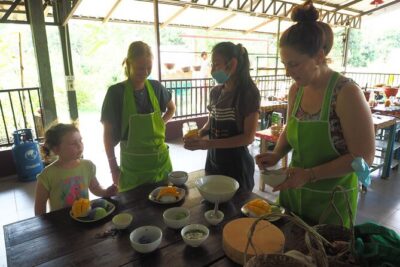
- A vegetarian Pad Thai cooking workshop
- Making herbal medicine balls for digestion support
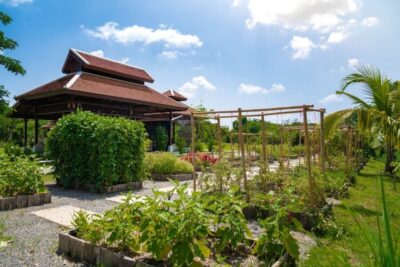
- Planting seedlings that will grow into natural elephant food
- More time for elephant observation with a slower pace
One practical note: Pad Thai cooking availability starts from 2 December, so if you are traveling earlier in the year, you will want to confirm what the full-day day plan looks like.
Getting There: The 1.5-Hour Drive and Viewpoint Stop

Most days start with a hotel pickup in Chiang Mai, then a drive that is part transit and part warm-up. You pass rivers, rice fields, and plantation areas, which helps you shift your mindset from city to countryside.
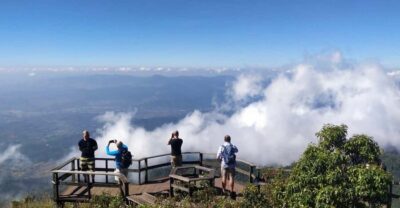
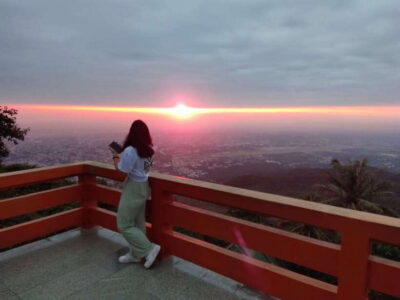
There is also a viewpoint stop along the way. It is not the main event, but it’s useful because it gives you a quick break to stretch and reset before you go into the sanctuary area.
The drive is about 1.5 hours each way, but timing can shift with traffic. That matters because your elephant interaction is scheduled around the day’s flow, so you do not want to stack tight plans right before or after.
Mo Hom Clothing and Elephant Stories Before You Meet Them
Before you get close, you will do a welcome briefing and change into traditional northern clothing, Mo Hom. For many people, this is a memorable part of the day, not because it is fancy, but because it sets a respectful tone.
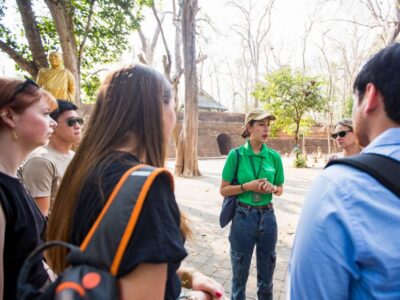
Then the guide helps you understand what you are about to see. You learn basic behavior cues so the day feels less like random animal watching and more like reading the elephants’ body language. This is where you start to realize elephants communicate constantly through movement, ears, and posture, not just big obvious actions.
Guides such as John and Mr Su are known for being both friendly and information-focused, and Rainbow is also praised for helping people feel safe around the elephants.
Feeding and Forest Walking With Caretakers

This is the core of the experience, and it is where you should slow down mentally.
Feeding: calm, controlled, and sensory
You hand-feed the elephants with guidance from caretakers. You are not just grabbing food and tossing it. You learn when to offer, how close to stay, and what kind of behavior signals that it is time to pause.
The best moments are when an elephant approaches at its own pace. You feel the scale, you smell the forest, and you notice the way the elephants move like they are simply doing what they do, not acting for you.
Walking: watch the route, not the clock
Walking with the elephants through the forest is not a hike where you keep a steady treadmill pace. The elephants choose the path, and you follow within the boundaries set by the team.
This works well if you like quiet, slow travel. It is also a good fit if you are an observant person, because you get time to notice smaller behaviors like social interactions and playful moments.
River Bathing: Getting Wet Without Getting Freaked Out

Bathing is one of the big visual highlights, but it comes with real-world planning.
You will likely get wet while elephants bathe in the river and mud area. The tour team also uses a welfare-first approach, meaning elephants are never forced into the water during cold weather. So if you are visiting in cooler months, you should expect river time might be limited.
What to do:
- Bring swimwear and a towel
- Pack a full change of clothes
- Wear comfortable clothes you can get damp
- Use sandals that dry fairly quickly
Also, use sunscreen and insect repellent. You are outdoors for hours, and you want to enjoy it, not itch your way through the day.
If you want to be extra comfortable, bring a dry bag or a small waterproof pouch for your phone and camera. The day includes water time, and you will be happier if you are not constantly worrying about electronics.
Pad Thai Cooking Workshop and Full-Day Extras That Feel Purposeful

If you choose the full-day option and your dates line up with the Pad Thai workshop, you get something clever: you go from learning elephant care to making food yourself.
Vegetarian Pad Thai workshop
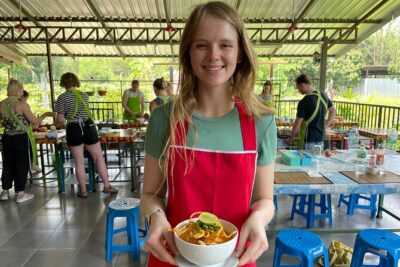
You cook and then eat your own vegetarian Pad Thai, using local ingredients. This is a nice change from the usual tour lunch where you just eat and move on. Here, the cooking becomes part of the cultural rhythm of the day.
Herbal medicine balls for elephant digestion
This is a behind-the-scenes activity focused on digestion support. It gives you a sense of how much thought goes into day-to-day care, not just the dramatic feeding and bathing moments.
Planting seedlings for elephant food
You also plant seedlings that will grow into natural elephant food. Even if you never see the results, it connects your time in the sanctuary to future care planning.
These extra activities are one reason the full-day option can feel more meaningful. You spend less time only watching, and more time understanding the care system.
Food, Photos, and Small Comforts That Make the Day Easier

Food matters on a long day, and the tour does not treat meals like an afterthought. You enjoy a delicious local meal, and in the half-day format you also get time to eat after the elephant portion. If you are doing the full-day program and the workshop is available, your lunch is your own vegetarian Pad Thai.
There is also photography service included. That is handy, because you will be busy paying attention to safety and elephant behavior, not constantly taking selfies. Before you go, I’d ask the team how and when you get the photos so you know what to expect.
One more small comfort: the sanctuary area is described as open air in a jungle setting by the river, which usually means less crowd pressure. You are not stuck in a shop zone or trapped behind barriers. It is more about open observation time.
Price and Value: What $46 Buys You in Chiang Mai Province
At $46 per person, this tour is priced like a serious half-day excursion plus extras, not like a premium luxury day. What makes it feel like value is the number of things bundled in.
You get:
- Hotel pickup and drop-off
- Traditional northern clothing for the visit
- Ethical elephant interaction, including feeding and bathing observation
- A guided experience in English
- A meal (and Pad Thai workshop on full-day dates when available)
- Photography service
- Travel insurance
You also get a long enough block of time that the elephants do not feel like a quick stop. Half-day is enough for most people to meet, feed, and walk, and still have time for Chiang Mai life afterward. Full-day is for people who want the extra care-related activities and cooking.
If you care about ethical treatment, the price becomes less about bargain hunting and more about supporting a welfare-first operation. Just keep your expectations realistic: you are paying for a day with animals in a working sanctuary, not a staged show.
Who Should Book, and Who Should Skip This Day
This is a great fit if you want elephants in a way that feels respectful, quiet, and hands-on. You’ll probably enjoy it most if:
- You are okay with getting wet
- You like nature walks and watching animals behave naturally
- You want an elephant experience that does not revolve around riding
It may not be a good idea if you:
- Have heart problems or serious back problems (the tour lists these as not suitable)
- Are pregnant
- Are traveling with very young children (not suitable for children under 2 years)
Also, the day includes outdoor time in the sun and insects, so pack for that. If you hate bugs and hate heat, you will need to be strategic with repellent, hat, and hydration.
Simple Tips to Get the Best Day Possible
A few practical moves can make a real difference:
- Wear clothes you can get damp, and bring a full change bag.
- Put sunscreen on early, then reapply if you are in the sun for hours.
- Bring a hat and insect repellent so you stay comfortable during the forest and river time.
- If your guide is someone like John or Mr Su, listen closely during safety instructions. The best interactions happen when you follow the cues quickly.
- For photography, ask when you receive the photos so it is not a last-minute surprise.
One last thing: if you care about smooth driving, you should know road travel can vary. Some people note issues like speed or cleanliness in the van. You cannot control that fully, but you can reduce discomfort by using seat comfort basics like motion-sickness prep if you need it, and keeping your essentials organized.
Should You Book Living Green Elephant Sanctuary?
I’d book it if you want the kind of elephant day that respects animal welfare and gives you real observation time. The sanctuary approach is clear, no riding, no chains, no performances, and you spend enough time feeding and walking to feel like you truly met the animals, not just passed them.
Book the half-day if your Chiang Mai schedule is tight but you still want the core experience. Choose the full-day if you want the extra care activities, including herbal medicine balls, planting seedlings, and a vegetarian Pad Thai cooking workshop when it is available for your travel dates.
If you are sensitive to getting wet, or you can’t handle physical walking through uneven outdoor areas, think carefully and consider whether this format matches your comfort. Weather also matters because river bathing follows elephant welfare rules, especially in cold conditions.
FAQ
What is the duration of the Living Green Elephant Sanctuary tour from Chiang Mai?
The duration is listed as 7 to 10 hours including transportation time, depending on whether you choose the half-day or full-day program.
Where is the sanctuary located relative to Chiang Mai?
It is about 1.5 hours from Chiang Mai by van, near the mountains of Inthanon National Park area.
Do you ride the elephants on this tour?
No. Riding is not allowed. The experience is designed to be ethical with no riding, no chains, and no performances.
What do you do during the half-day program?
You get hotel pickup, a scenic drive, a welcome briefing with traditional Mo Hom clothing, feed and interact with elephants, walk with them, observe bathing by the river, have a local meal, and then return to Chiang Mai.
What extra activities are included in the full-day program?
In addition to feeding, walking, and observing bathing, the full-day program can include a vegetarian Pad Thai cooking workshop, making herbal medicine balls for digestion support, and planting seedlings that grow into natural elephant food.
Is the Pad Thai cooking workshop always included?
The Pad Thai Cooking Workshop is available starting from 2 December. If you are traveling earlier, you may want to confirm whether it runs on your dates.
What should I bring for the tour?
Bring a hat, swimwear, a change of clothes, a towel, sandals, a camera, sunscreen, comfortable clothes, and insect repellent.
Will I get wet during the elephant bathing part?
Yes. The tour advises bringing a change of clothes because you will get wet while bathing the elephants.
What is included in the price?
Included items include hotel pick-up and drop-off, traditional northern clothing, interaction with elephants, feeding and bathing elephants, a meal, photography service, and travel insurance, with full-day add-ons depending on your selected option.
Is the tour available in English?
Yes. A live tour guide is listed as English. For the full-day program only, a Chinese guide is also available.
More Tours in Chiang Mai
More Tour Reviews in Chiang Mai
Not for you? Here's more nearby things to do in Chiang Mai we have reviewed
Chiang Mai Elephant Sanctuary Tours, compared.
★ 4.9Elephant Sanctuary, Waterfall & Bamboo RaftingFrom $609,160 reviews
★ 4.9Elephant Sanctuary & Waterfall Group TourFrom $505,780 reviews

★ 4.8Elephant Sanctuary Feeding Program Half-Day TourFrom $274,527 reviews
★ 4.9Elephant Sanctuary, Long Neck & Sticky WaterfallFrom $632,262 reviews
★ 4.8Elephant Care Program and Nursery TourFrom $531,899 reviews
★ 5.03-in-1: Doi Inthanon Tour, Elephant Sanctuary, and Trekking TrailFrom $481,087 reviews
★ 5.0Chiang Mai Elephant Sanctuary, Bamboo Rafting and Waterfall TourFrom $58870 reviews
★ 4.7Kerchor Eco Elephant Park TourFrom $48704 reviews
Browse the lists this tour appears in