REVIEW · CHIANG MAI COOKING CLASSES

Chiang Mai: Thai Cooking and Market Tour with Lanna Smile

5.0 · 44 reviews 5 hours From $31 Operated by Lanna Smile Thai cooking · Bookable on GetYourGuide
Book on GetYourGuide →

Cozy Lanna cooking makes Thai flavors click. This 5-hour class at AC Cooking Studio pairs a fresh market tour with hands-on cooking so you see, smell, and cook the real ingredients behind classic Thai favorites. You also get an English-speaking, friendly team, and the vibe feels warm and personal.

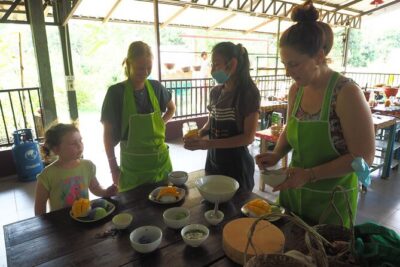
What I like most is that you cook like you are actually on a mini production line, at your own station, not watching from the sidelines. You also choose from a menu of curry pastes, curries, noodles, soups, dessert, and appetizers, so you go home with a full set of recipes that make sense together.

One thing to consider is logistics: free hotel pickup and drop-off are included only within the city area, about 3 km of Chiang Mai Old Town. If you are staying farther out, you will need to meet at a designated town meeting point.

Key points before you go

Chiang Mai: Thai Cooking and Market Tour with Lanna Smile - Key points before you go

  • A real market first: you pick fresh ingredients every day, then cook with them right away
  • Small group, sometimes smaller: the class is limited to 8, and you can even end up with a tiny group
  • You cook 6 dishes from different Thai categories: curry pastes through dessert and snacks
  • Spice control is built in: you can adjust heat to match your tolerance
  • Food setup that feels clean and thoughtful: fresh rice bran oil (not reused) and no MSG used

Chiang Mai cooking done the practical, hands-on way

Chiang Mai: Thai Cooking and Market Tour with Lanna Smile - Chiang Mai cooking done the practical, hands-on way
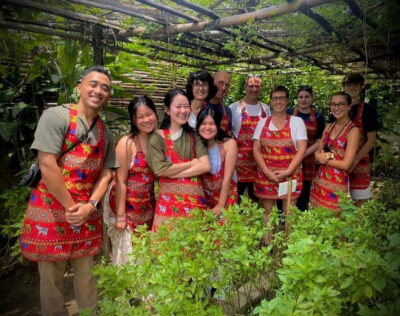
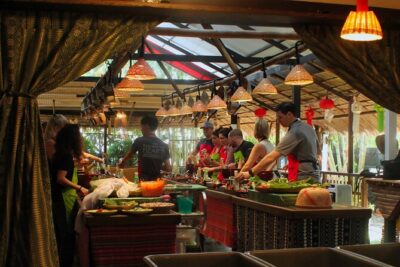
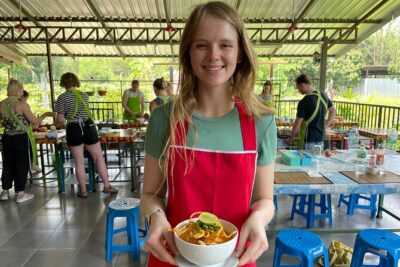
Thai cooking classes can fall into two buckets. Some are mostly performance, and you do a lot of watching. This one keeps you moving, cutting, stirring, and learning by doing, with an instructor guiding at your station.

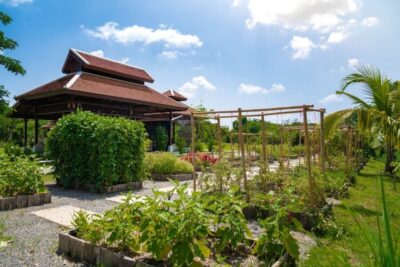
The setting also helps. You cook in a cozy, traditional Lanna-style environment, so it does not feel like an industrial kitchen where everything is rushed. Instead, it feels like a home kitchen that happens to teach real Thai recipes.

And then there is the market part. You start with ingredients, not just a list of spices. That order matters because it helps you understand what Thai cooks are building with each dish.

You can also read our reviews of more tours and experiences in Muang Chiang Mai.

Pickup, first sip, and getting your bearings

Chiang Mai: Thai Cooking and Market Tour with Lanna Smile - Pickup, first sip, and getting your bearings
Your day typically starts with hotel pickup in the Chiang Mai Old Town area. They ask you to wait in the hotel lobby, and they aim to arrive about 15 to 30 minutes before class. Morning pickup is listed around 8:30 to 9:00, and evening pickup around 16:00 to 16:30.

When you get to AC Cooking Studio, you are greeted and offered a welcome drink like coffee, tea, or an herbal drink. It is a small touch, but it sets the tone, especially if you arrive a little hungry after the transfer.

You will want to wear comfortable clothes. The class is hands-on, and you will be standing, working, and tasting along the way.

The fresh market tour that actually teaches flavor

Chiang Mai: Thai Cooking and Market Tour with Lanna Smile - The fresh market tour that actually teaches flavor
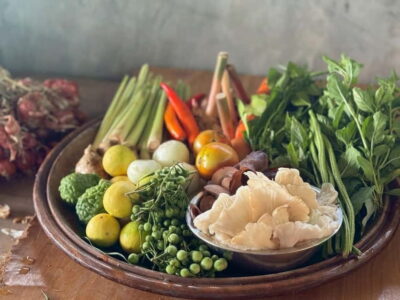
Before the cooking starts, you do a fresh market tour. This is not just shopping for shopping’s sake. You look at key ingredients tied to the dishes you will make later.

You also learn what ingredients matter and how Thai cuisine builds layers of flavor. In a practical cooking sense, that means when you taste your finished dish, you can connect it to what you selected at the stalls.

This is one of the reasons the class works for beginners. Instead of memorizing recipes like they are magic tricks, you learn what each ingredient does for curry, soup, noodles, salads, and desserts.

Choosing your menu, then turning ingredients into 6 dishes

Chiang Mai: Thai Cooking and Market Tour with Lanna Smile - Choosing your menu, then turning ingredients into 6 dishes
The menu structure is simple: you pick one dish from each category, for a total of six dishes. Categories include curry pastes, curries, noodles, soups, dessert, and appetizers. That choice system helps you tailor the class to what you actually want to eat.

Here is the menu set you can choose from:

  • Curry pastes: Green curry paste (Nam Prik Gang Kheaw Wan), Panang curry paste (Nam Prik Gang Pa Naeng), Massaman curry paste (Nam Prik Gang Massaman)
  • Curries: Green curry (Gang Kheaw Wan), Panang curry (Gang Pa Naeng), Massaman curry (Gang Massaman)
  • Noodles: Pad Thai, Drunken Noodle (Pad Khee Moa), Fried thick noodle with soy sauce (Pad See Ew)
  • Soups: Tom Yum Kung, Tom Kha Kai, Tom Sab Kai
  • Dessert: Sweet sticky rice with mango (Khao Niaow Ma Muang), Banana in coconut milk (Kluay Buad Chee), Sago balls in coconut milk (Sa Koo Bua Loi)
  • Appetizers: Fried spring roll (Pow Pia Tod), Papaya salad (Som Tam)

If you are a spice person, you can choose dishes that lean hot and tangy like Tom Yum and Som Tam. If you are not, you can still learn the technique and flavors, just dial back heat during cooking.

Cooking at your own station, with English instruction

Chiang Mai: Thai Cooking and Market Tour with Lanna Smile - Cooking at your own station, with English instruction
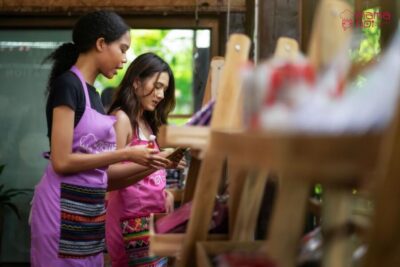
One of the strongest value points here is the way the class is built for participation. You cook at your individual station under a skilled instructor, and the instruction is in English.

With a small group size limited to 8, you are more likely to get real attention instead of generic tips. And from the range of experiences shared by past students, it is possible to have a very small group day where the lesson feels almost private.

You will also get a recipe booklet to take home. That matters more than people think. When you are cooking later, you need a reference you can actually read without trying to remember every step from a photo.

Curry pastes and curries: why Thai cooking tastes layered

Chiang Mai: Thai Cooking and Market Tour with Lanna Smile - Curry pastes and curries: why Thai cooking tastes layered
Curry in Thailand is not just a sauce. It is a system. In your class you can work with a curry paste option like green, panang, or massaman, then follow that with a matching curry.

Learning curry paste alongside curry helps you understand the logic of Thai flavor. If you taste the curry later and wonder why it tastes the way it does, you will remember the paste choices you made at the start.

It is also a good way to learn balance. Thai curries commonly combine heat, saltiness, sweetness, and a fragrant base. Even if your spice level is adjusted, you still learn how those elements move together.

Noodles and soups: the fast, fragrant workhorses

Chiang Mai: Thai Cooking and Market Tour with Lanna Smile - Noodles and soups: the fast, fragrant workhorses
Noodles and soups are where Thai cooking gets practical fast. You can choose:

  • Pad Thai for a classic sweet-salty-tangy noodle profile
  • Drunken Noodle (Pad Khee Moa) if you want something richer and more savory
  • Pad See Ew for thick noodles with soy sauce flavor

Then for soups you can pick between:

  • Tom Yum Kung for hot and sour brightness
  • Tom Kha Kai for creamy coconut milk warmth
  • Tom Sab Kai for another hot and sour chicken option

In a good class, soups teach control. You learn timing, seasoning adjustments, and how Thai cooks manage acidity and heat. Noodles teach texture. You learn how sauce coats, how ingredients integrate, and what makes a noodle dish feel complete rather than sticky or flat.

Dessert time: coconut, mango, and chewy-sweet textures

Thai dessert is not always what Western plates expect, which makes learning it in class a big win. You can choose:

  • Khao Niaow Ma Muang, sweet sticky rice with mango
  • Kluay Buad Chee, banana in coconut milk
  • Sa Koo Bua Loi, sago balls in coconut milk

Even if you do not love dessert in general, this category helps you see Thai cuisine as a full meal experience. It also gives you a chance to practice coconut milk flavors, sweetness balance, and texture.

And yes, it is satisfying to end with something sweet after a hands-on lunch or dinner made from what you cooked.

Appetizers and the spicy-sour lesson of Som Tam

Chiang Mai: Thai Cooking and Market Tour with Lanna Smile - Appetizers and the spicy-sour lesson of Som Tam
Your appetizer choice adds variety and lets you learn a different kind of Thai technique.

You can pick:

  • Fried spring roll (Pow Pia Tod) for crunchy, savory comfort
  • Papaya salad (Som Tam) for sharp, tangy, and spicy flavors

Som Tam is especially useful if you are curious about Thai sourness. It is not just lime juice for brightness. It is also about balance, salt, sweetness, and heat. If you adjust spice levels, you can still learn the flavor framework without making it miserable to eat.

Vegetarian options, spice adjustments, and ingredient standards

Good Thai cooking classes handle dietary needs without making you feel like a second-class student. This one is explicitly vegetarian friendly, and they say vegetarian options are available if you notify them in advance.

They also highlight ingredient standards that matter when you cook at the speed of a class:

  • ingredients sourced fresh from the market every day
  • rice bran oil used, with oil not reused
  • no MSG used
  • cleanliness standards for equipment

You can also adjust spice level to suit your own taste. That is a practical feature, not just a promise. When you have dishes like Tom Yum Kung or Som Tam on the menu, being able to control heat is the difference between enjoying the class and forcing yourself through it.

Lunch or dinner, plus what comes with the meal

Your included lunch or dinner is made from the dishes you prepare. That is part of the value. You are not buying a ticket for cooking alone and then eating something else later. You get to taste your results while the experience is still fresh.

You also get a few extras that make the class easier:

  • photo gallery on their Facebook page
  • limited Lanna Smile souvenir
  • free Wi-Fi

Those might sound minor, but when you are trying to remember a day by the smells you cannot forget, a photo set and a take-home recipe booklet are genuinely useful.

Price and value: why $31 can feel fair here

At $31 per person for a 5-hour experience, the value comes from what is included. You get:

  • cooking class with a skilled instructor
  • all ingredients and equipment
  • recipe booklet to take home
  • lunch or dinner of the dishes you cook
  • fresh market tour
  • welcome drink
  • hotel pickup and drop-off within the city area

Many cooking classes charge more for fewer dishes, less guided tasting, or without pickup. Here, the structure is built around making six dishes and eating them, which is a big part of why the price can feel fair.

Also, the class is capped at 8 people, and some days can run even smaller. When group size shrinks, your attention and your learning time usually go up.

Who this is best for in Chiang Mai

I think this tour is a great fit if:

  • you want real Thai cooking skills, not just a quick snack tutorial
  • you enjoy markets and want ingredient context
  • you want a calmer, cultural day that is food-centered
  • you travel in a small group or even solo and still want personal guidance

It is also a strong choice if you care about dietary options like vegetarian meals and would like them handled with planning.

If you already feel confident cooking Thai food and you are looking for a deeply technical, restaurant-level immersion, you might find a half-day class a bit basic. But for most people who want to go from eating Thai food to cooking it themselves, this hits the sweet spot.

Tips so you get the most out of the 5 hours

A few practical moves can make the whole thing smoother.

First, show up hungry. You will cook multiple categories and you will eat what you make. Second, be honest about spice tolerance early. The class allows you to adjust, so use that.

Third, consider choosing dishes that cover different flavor styles. If you pick only one type of curry and one noodle, you might learn a lot but your home cooking will feel repetitive. The category variety helps you build a broader Thai “menu” for future meals.

Finally, pay attention during the market portion. If you can remember what you selected and why, you will cook better later, even without the instructor in the room.

Should you book Lanna Smile Thai Cooking?

I would book this if your priority is a hands-on Thai cooking class with a market stop, a small group, and recipes you can actually use at home. The combination of fresh ingredient sourcing, clear menu categories, English instruction, and the chance to cook six dishes makes it feel like a complete day, not a short demo.

Skip it only if free pickup location is a dealbreaker for you, or if you prefer a more sightseeing-heavy Chiang Mai plan. For food lovers who want a friendly, traditional Lanna setting and real cooking results, this one is an easy yes.

FAQ

How long is the Chiang Mai Thai Cooking and Market Tour?

The experience lasts 5 hours.

What is included in the price?

It includes the cooking class with a skilled instructor, ingredients and equipment, a recipe booklet, lunch or dinner of the dishes you prepare, pick-up and drop-off within the city, a fresh market tour, a welcome drink, and extras like a photo gallery on Facebook and a limited souvenir.

What should I choose for my dishes?

You choose one dish from each category for a total of six dishes: curry pastes, curries, noodles, soups, dessert, and appetizers. Vegetarian options are available.

Is the class taught in English?

Yes, the instructor teaches in English.

Is hotel pickup included?

Pickup and drop-off are included within the city area, within 3 km of Chiang Mai Old Town. If you stay outside the town, you will need to meet at a designated meeting point in the town.

Is there an extra fee if someone does not cook?

Yes. A visitor who comes but does not cook has a fee of 400 Baht per person.

More Tour Reviews in Muang Chiang Mai

Not for you? Here's more nearby things to do in Muang Chiang Mai we have reviewed