Chiang Mai: Silver Craftwork Temple Tour with Monk Meeting

REVIEW · CHIANG MAI LANNA CULTURE & CRAFT WORKSHOPS

Chiang Mai: Silver Craftwork Temple Tour with Monk Meeting

5.0 · 6 reviews 3 hours From $67 Operated by LJ Tour Cultural and Soft Adventure Tours · Bookable on GetYourGuide
Book on GetYourGuide →

One conversation can change how you see a temple. This 3 hour Chiang Mai tour pairs a monk meeting with the city’s famous silver craftwork. I like that it is small-group paced, so you are not just rushing photos, and you get real cultural context while you walk through Lanna-era temple spaces. You should consider the practical rules though, especially shrine attire and shoe removal, which can take a few minutes to get used to.

The best moments are the monk talk and the silver workshop feel inside the temple complex. In reviews, people even mention chatting with monks by name, like Phra KK, and learning about day-to-day monk life and Buddhist practice. The main drawback is access and etiquette, including that the monk keeps distance with female guests, and at least one silver-temple building can have gendered entry rules, with men only allowed inside.

Key Points You’ll Care About

Chiang Mai: Silver Craftwork Temple Tour with Monk Meeting - Key Points You’ll Care About

  • Monk meeting focused on real daily life, not just a quick greeting
  • Wat Sri Suphan (Silver Temple) shows silver and aluminum craft used for temple decoration
  • Wat Suan Dok gives you a longer guided visit and good photo stops (80 minutes)
  • Small group pacing helps you ask questions and slow down in sacred spaces
  • Clear shrine rules: proper clothing and shoes off before entering buildings
  • English guidance plus local transportation by black cab for a smooth flow

Monk Meeting and Silver Craft, the Two-Story Chiang Mai Experience

Chiang Mai: Silver Craftwork Temple Tour with Monk Meeting - Monk Meeting and Silver Craft, the Two-Story Chiang Mai Experience
This tour has a simple idea: Chiang Mai is not only about temples to look at, it is about people who live those beliefs and crafts every day. You start with the spiritual side through a guided meeting and conversation with a Buddhist monk, then you shift to craft and materials at a temple known for silver work.

I like that the monk component is framed around daily life and choices. The monk can share why he chose monkhood, how the day works, his goals in life, and what he studies and explores. That matters because it turns Buddhism from an abstract topic into something you can actually picture.

On the craft side, the visit is not just about admiring shiny objects. You are meant to observe the workmanship, including silver smith dedication for temple decoration, and you get time to see the results up close at the main chapel where decorative plates and detailing are part of the temple’s visual identity.

One note you should plan for: the monk keeps distance with female guests. That is part of local etiquette and is worth respecting so the conversation stays comfortable for everyone.

You can also read our reviews of more tours and experiences in Chiang Mai.

Meeting at Three Kings Monument and Why the Start Matters

Chiang Mai: Silver Craftwork Temple Tour with Monk Meeting - Meeting at Three Kings Monument and Why the Start Matters
You meet in front of the Three Kings Monument and then you move around by local transportation, including black cab rides. This setup is practical if you do not want to figure out the city buses and temple hopping on your own, especially when you want enough time inside each stop.

The whole tour is about 3 hours. That short duration is a plus if you are squeezing Chiang Mai into a busy schedule. It also means the timing between stops matters, so you will want to show up a few minutes early and be ready to head out when your guide gathers the group.

Your tour also includes sightseeing time on the way between temples. That is a nice touch in Chiang Mai, where quick views and street context help you understand where the temples sit inside the city.

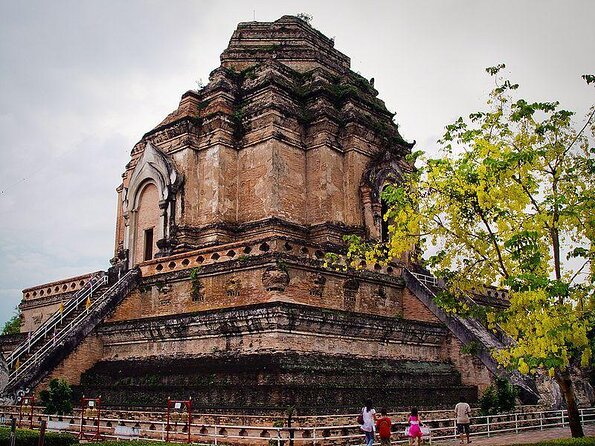
Wat Suan Dok: 80 Minutes of Guided Temple Time and Photo Stops

Chiang Mai: Silver Craftwork Temple Tour with Monk Meeting - Wat Suan Dok: 80 Minutes of Guided Temple Time and Photo Stops
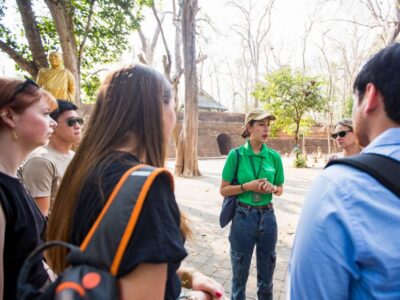
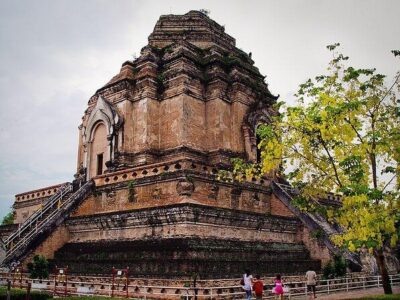
Wat Suan Dok is your first major stop, with photo time plus a guided visit and sightseeing. You get 80 minutes here, which is long enough to do more than pass by the gates and grab one perfect shot.

Why this stop works: a longer temple visit gives you time to actually read the place. Your guide can help connect what you see with what it means, and you are not stuck doing the classic, frantic see it, leave it routine. If you like photography, the built-in photo stop helps, and you get the benefit of the guide’s eye for what is worth photographing.

A practical perk is that you are in a guided flow rather than wandering. When you have questions about what you are looking at, you can ask without feeling like you are slowing down the group.

Possible drawback: because it is sacred space, you need to be ready for clothing and shoe rules. Bring comfortable shoes, and plan your outfit so you do not feel rushed once you arrive at the first building.

Wat Sri Suphan (Silver Temple): Craftwork You Can Actually See

Chiang Mai: Silver Craftwork Temple Tour with Monk Meeting - Wat Sri Suphan (Silver Temple): Craftwork You Can Actually See
Wat Sri Suphan is the silver craft temple highlight in this itinerary. This is where you will spend about an hour, with photo stops, guided tour time, walking, and scenic views on the way.

Here is what makes the experience feel authentic: the silver and aluminum craft is not displayed like a museum showpiece only. It is part of temple decoration, so you can see how materials shape religious spaces visually. The main chapel area is known for incredible masterpieces decorated with silver and aluminum plate details, and the time you spend walking helps you appreciate the scale.

You also get to watch the craft mindset behind the scenes, focusing on silver smith dedication to temple work. That is valuable if you like objects with a story. You are not just looking at shine. You are seeing craft as devotion, and you can understand why the makers put time into fine plate work.

Two important considerations from participant feedback:

  • Access rules can affect what you can see up close. One account notes that only men are allowed inside a silver-temple area. If you are visiting as a woman, plan for the possibility that you may not be able to enter certain inner chapel spaces, even if you can view the temple exterior and other areas.
  • The monk chat has specific etiquette, including distance with female guests. Your guide should set expectations so you know what kind of interaction will feel appropriate.

Despite those factors, this stop is often what people remember most because the craft is tangible. Even if you are not a silver expert, you can tell when something is carefully made.

Black Cab Rides and the 3-Hour Rhythm

Chiang Mai: Silver Craftwork Temple Tour with Monk Meeting - Black Cab Rides and the 3-Hour Rhythm
This tour uses local transportation and black cab legs between the temple stops, with travel time around 20 minutes each leg. The total tour duration stays tight at 3 hours, so the rhythm matters.

The best part of this pacing is that it reduces wasted time. Instead of you trying to route yourself through Chiang Mai and guessing how long each transfer takes, your guide handles the movement. That gives you more reliable time inside the temples, which is where you get value.

The slightly tricky part is that a 3-hour tour does not leave room for major detours. If you are the type who loves extra shopping stops and long snack breaks, you may want to build that time separately. This experience is built around temples and craft observation, not a day-long buffet of activities.

Also plan your energy level. Comfortable shoes are a must since you are walking inside temple areas and strolling through parts of the craft-focused temple complex.

What the Monk Chat Actually Gives You

Chiang Mai: Silver Craftwork Temple Tour with Monk Meeting - What the Monk Chat Actually Gives You
The monk meeting is the emotional centerpiece of the tour. In addition to cultural context, it is designed as a conversation about monkhood life, including:

  • why he chose monkhood
  • what daily life activities look like
  • his goals in life
  • what he explores through practice and study

This is not only about learning facts. It is about getting a feel for how a person lives their values. When a monk explains daily rhythm and personal motivation, you stop seeing temples as static places. They become part of a living path.

In reviews, people mention the conversation can include learning chants and meditations, and that chatting with a specific monk on-site, like Phra KK, helped bring history and practice into focus. Even when you are not studying Buddhist texts, that kind of guided talk helps you ask better questions as you walk.

One more detail that is worth knowing: the tour is designed with a special arrangement for monk conversation. That means you are not just silently observing. You are given a context for respectful questions and a structured way to learn.

As always, keep your attitude humble. Temples run on manners and patience, and your guide will help you navigate what is appropriate.

Silver Smiths, Temple Decoration, and Why This Feels Different

Chiang Mai: Silver Craftwork Temple Tour with Monk Meeting - Silver Smiths, Temple Decoration, and Why This Feels Different
Plenty of Chiang Mai tours show temples. This one adds a craft dimension in a way you can see and understand. Silver and aluminum are featured not as decorative extras, but as part of the temple’s identity. You get to learn how silver work supports the local creation of temple art.

If you enjoy artisan work, you will likely like the slower moments where you can observe how plates and details are used in the main chapel decoration. It helps you connect craftsmanship to devotion and community rather than treating the work as just souvenirs.

One nice part of the tour design is photo permission. Photography is allowed, which helps you capture details of the silver work and temple design without feeling like you must guess what you are allowed to document.

Price and Value: Is $67 Worth It?

Chiang Mai: Silver Craftwork Temple Tour with Monk Meeting - Price and Value: Is $67 Worth It?
At around $67 per person for a 3-hour experience, value depends on what you want from Chiang Mai.

Here is what you are paying for:

  • Temple admission fees
  • Local transportation between stops
  • A Buddhist monk component
  • A professional licensed guide in English
  • The guided timing that gets you in and around two major temple experiences

You are not paying for a long day of activities. You are paying for a curated mix of spiritual conversation and craft observation, with the logistics handled. If you tried to copy this on your own, you would likely spend time figuring out transport and temple access rules, and you would miss the guided context that helps you understand what you are seeing.

What is not included is meals and personal expenses. So you will want to either eat before or after. Because the tour is short, it is better to plan meals outside the activity rather than expecting food to be handled for you.

Overall, I think the price feels fair if monk chat and craft-focused temple decor are at the top of your list. If you only care about broad temple sightseeing, you might find cheaper options, but you would lose the specific conversation and the silver-craft focus.

What to Bring, What to Wear, and Temple Rules That Can Catch You Off Guard

Chiang Mai: Silver Craftwork Temple Tour with Monk Meeting - What to Bring, What to Wear, and Temple Rules That Can Catch You Off Guard
This tour includes shrine rules that you will feel quickly once you start visiting indoor chapel areas. Pack for comfort and respect.

Bring:

  • Comfortable shoes
  • An umbrella, since Chiang Mai weather can shift

Wear and plan for:

  • Proper attire for a national shrine, meaning no bare shoulders and no knees
  • Avoid strapless-heel shoes
  • You must remove shoes before entering temple buildings

Photography:

  • Photography is permitted

Restrooms:

  • Restroom facilities are available

One more etiquette point that matters: the monk keeps distance with female guests. That is not something to test or push. Instead, go with your guide’s guidance and focus on respectful conversation within the boundaries set.

Small-Group Format: When It Works Best

This is a small-group tour, and that is a real advantage. In temple spaces, you do not want a massive crowd where your questions go unanswered. Small group pacing keeps you flexible enough to stop and listen when something matters, and it makes the monk conversation feel more personal.

If you like guided explanations and you want a local voice rather than audio-only wandering, this format fits well. If you prefer total independence, you might find any group structure slightly limiting. But the tradeoff here is strong, since you get guide-led context in both temple design and monkhood life.

Who Should Book, and Who Might Want to Skip

I think this tour is best for:

  • People who want a monk meeting experience, not just temple photos
  • Anyone curious about Lanna-era temple craft, especially silver and aluminum decoration
  • Visitors who appreciate English guidance and a clean 3-hour plan

You might want to skip this tour if:

  • You have mobility impairments, since it is not suitable for people with mobility impairments
  • You are traveling with very young children. It is not suitable for children under 2, and it lists not suitable for under 4, under 6, and under 12 as well.
  • You are hoping for a relaxed, shoes-on, beach-shorts style visit. The shrine clothing and shoe rules are real.

Also keep in mind that access rules and inner chapel entry can vary. If you are specifically hoping to be inside every silver-temple area, you should mentally prepare for the possibility of gendered entry restrictions mentioned in participant feedback.

Should You Book This Chiang Mai Silver Craftwork and Monk Meeting Tour?

If your ideal Chiang Mai day includes one meaningful conversation plus one craft-focused temple you can look at in detail, I would book it.

This tour earns its spot because it does not treat temples as just scenery. You get a monk talk centered on day-to-day life and motivation, then you get the silver craftwork temple experience where materials and decoration are part of worship. The small-group setting makes the learning feel more personal, and the time plan is efficient for a 3-hour window.

I would hesitate only if you know you will struggle with shrine etiquette, especially clothing requirements and shoe removal. If that sounds manageable, you will likely come away feeling you understood Chiang Mai more deeply than a quick temple checklist.

FAQ

How long is the Chiang Mai silver craftwork temple tour with monk meeting?

The tour lasts 3 hours.

Where do I meet for the tour?

You wait in front of the Three Kings Monument.

What is included in the price?

The tour includes admission fees to the temple, local transportation, a Buddhist monk component, a professional licensed guide, and hotel pick up for private tours (using local transport).

Are meals included?

No, meals are not included.

What should I wear and bring for temple visits?

Bring comfortable shoes and an umbrella. You need proper attire for a national shrine, meaning no bare shoulders and knees, and you must remove shoes before entering temple buildings.

Can I take photos during the tour?

Yes, photography is permitted.

Will I be able to chat with the monk?

Yes, there is a monk meeting where you can discuss monkhood life. The monk keeps distance with female guests as part of etiquette.

Is hotel pickup available?

Pickup is optional. The information provided says hotel pick up is included for private tours, with pickup possible from areas in the city center such as the old city, Nimman, or riverside. Otherwise, you meet at the Three Kings Monument.

Is this tour suitable for people with mobility impairments?

No, it is not suitable for people with mobility impairments.