REVIEW · DOI SUTHEP & MOUNTAIN TEMPLE TOURS
Chiang Mai: 7-Hour Doi Suthep National Park Summit Hiking
Steep jungle trails lead to real temple views. I like how Wat Suthep anchors the day with ancient monk paths, and I like the highland finish around Doi Pui. A lot of the fun comes from the guides, like A and Nop, who keep the pacing steady with frequent stops and lots of trail and temple context.
This hike is also a real workout. Expect steep climbs and uneven, rocky, sometimes muddy ground, plus a lunch that can land later than you’d expect, so wear proper shoes and plan to snack.
Key points to know before you go

- Small group (up to 15) means more attention on footing, photos, and questions.
- Temple-to-jungle routing starts with Wat Pha Lat and reaches Wat Phra That Doi Suthep before the summit trek.
- Doi Pui and a Hmong hill-tribe village stop add culture to the physical challenge.
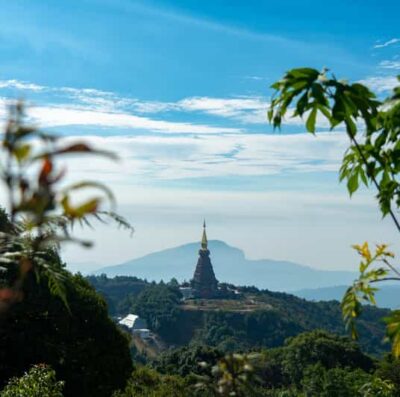
- Big panoramic viewpoints include sweeping views over the Mae Ping Valley.
- Support truck + water at multiple points help you stay on track when the trail gets steep.
- Truly guided safety includes instructors certified in first aid and CPR, plus hydration-gear support.
Entering Doi Suthep: Where the Day Feels Ancient and Active

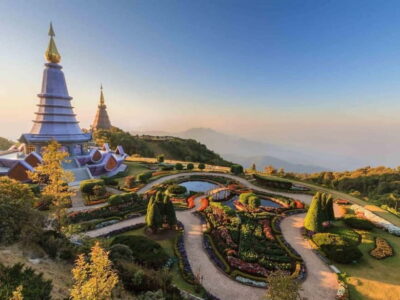
The day starts with a Chiang Mai hotel pickup, then a drive up into the cooler air of the national park area. After the climb by car, the first major temple touch is Wat Phra That Doi Suthep (around 1,100 m). This matters because it sets expectations early: you’re not just hiking for scenery, you’re hiking to connect temple sites with jungle trails and old routes.
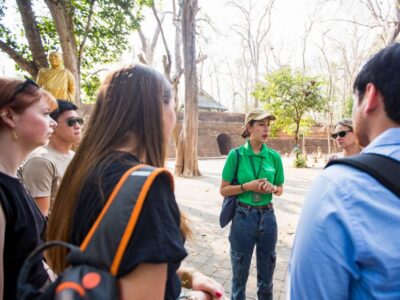
You’ll usually get your orientation before the trekking really begins, and you should expect a steady rhythm of short breaks followed by focused walking. Guides like A and Nop are repeatedly praised for how they handle the steep parts, with encouragement and clear guidance. That’s important on a trail like this because you can’t just brute-force it. Good pacing keeps you moving without frying your legs.
One quick reality check: many people describe the ascent sections as demanding. You’ll sweat. You’ll work your glutes. So if you want a relaxed walk, this isn’t the day to pick.
You can also read our reviews of more hiking tours in Chiang Mai
Wat Pha Lat Monk Trail: The Cool, Green Start

Next comes the Wat Pha Lat section, often described as the start of the “real hiking” phase. The monk trail portion is guided and typically takes about 1.5 hours to cover. This is the part that many active hikers enjoy most because it feels like you’re stepping into older routes, not just tourist corridors.
Here’s what you’re looking for on this first stretch:
- Cooler jungle air compared with the city
- Narrower paths where footing matters
- Regular stops that help you catch your breath and take photos
At Wat Pha Lat, you also get a short break and photo time. Reviews and practical feedback point to this as a useful checkpoint. It’s enough time to drink, reset your legs, and get ready for the temple-and-summit approach.
Drawback to keep in mind: jungle trails are rarely “clean.” You might hit muddy patches, uneven rock, and slick spots after damp weather. This is why firm hiking shoes matter more than stylish shoes.
Wat Phra That Doi Suthep: Temple Photos, Then Higher Trails

After Wat Pha Lat, the next temple touch is Wat Phra That Doi Suthep again, this time more as a scenic stop within the hike flow (with break time and photo opportunities). Think of this stage as a moment to regroup. You get to pause without losing momentum, and you can enjoy views that are already opening up at the higher elevation.
Then it’s back on the trail toward Doi Suthep-Pui National Park hiking sections. The trek here typically takes about 2.5 hours, and this is where the day shifts fully into “summit work.” If you’ve ever done hikes where your legs burn before your lungs do, this is that feeling. You’re climbing and negotiating uneven ground for a sustained period.
The good news is that the guide system is built around support. You’ll be moving with a professional escort, and a support truck is standing by for backup and hydration help along the way. For me, that combo is one of the most practical parts of the experience: you can hike hard without feeling stranded.
Reaching Doi Pui and a Hmong Hill-Tribe Village Pause

The destination phase is the part that turns the hike from scenic into memorable. As you near Doi Pui, you’ll walk ancient monk-trail style routes and eventually reach an authentic Hmong hill-tribe village atop Doi Pui. This is a cultural pause that isn’t just a quick photo stop. You get time to visit, look around, and take in how the highland life connects to the landscape.
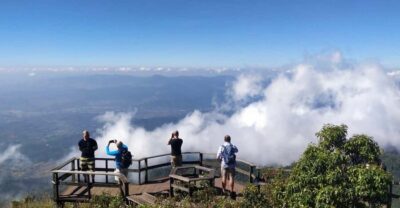
Timing note: the route is designed so you also get sweeping views while you’re up high. One of the most consistent themes is the payoff of the vantage points, including 180-degree views over the Mae Ping Valley. Even if clouds or haze change what you see, the sense of altitude and scale tends to land for people.
This is also where you should be mentally ready for a long day. The listed duration is 7 hours, but in real-world timing many hikers experience pickup-to-drop-off closer to a full-day rhythm, sometimes around 9 hours. Why? Because steep sections take time, and temple stops add breaks.
That said, the pacing is part of the design. You’re not rushing to “check boxes.” You’re hiking, pausing at temple and cultural points, then working back down.
Views Over the Mae Ping Valley: Why the Stops Matter

It’s easy to say you’ll get views. It’s harder to understand when and why they matter. In this trek, the viewpoints work because they happen at logical transition moments:
- After initial climbs, you regain breath and perspective
- During the summit approach, you get photo time and sweeping valley views
- At the lower return point, you see the same area from a different angle
People often talk about the photo stops as the “reward moments.” And they’re right, but there’s more value than photos. Those breaks help you reset your pace and check your hydration and energy. When the trail is steep and uneven, small pauses can be the difference between finishing strong and feeling wrecked halfway.
One more timing detail that affects how you enjoy the day: lunch can be served later than you expect. Some hikers report it landing around the afternoon, even close to 4 pm. If you’re the type who gets grumpy when you’re hungry, bring a small snack for the gaps.
Pace, Footing, and the Stuff Your Legs Will Notice First

Let’s be blunt. This is a strenuous hike. The trail is described as uneven, rocky, muddy in places, and relentlessly sloped. It’s not an all-mountain staircase, but it’s still a climb where your thighs and glutes get the workout.
Expect these “practical discomforts”:
- You’ll sweat. Bring water seriously.
- Mosquitoes can be part of the experience, especially in jungle sections.
- Shoes matter because the surface can be uneven and slippery.
The most consistent advice is simple:
- Wear firm hiking shoes
- Consider bringing a water bladder if you prefer that setup
Water is provided multiple times and during transport, but one review note that stuck with me was how helpful it is to have water ready in the way that fits your comfort. If you like sipping steadily from a bladder, do it. If you use bottles, that’s fine too. Either way, hydrate early, not only when you feel thirsty.
Also, go in with the right fitness expectation. Reviews often describe this as intermediate to challenging. If you hike regularly, you’ll likely enjoy it. If you rarely hike, plan for slower pacing and more fatigue.
Transportation, Hydration, and the Support Truck That Saves Your Day

A lot of the comfort here comes from the logistics behind the scenes. You’re using air-conditioned van as the primary transport, and smaller groups may ride in 4×4 SUVs. That matters because the trail day is demanding enough without adding extra bumpy transfers.
You also get:
- A hydration backpack provided for your excursion
- Bottled water and hydration support during the day
- A secure storage setup in the support truck for valuables
- A support truck standing by in case you need help or hydration along the route
Some hikers also point out that the truck may meet you at a few locations so you can top up water. That’s a big deal on a steep trail, because you can keep your rhythm rather than waiting until a far-off checkpoint.
If you’re worried about orientation or getting lost in the sequence, there’s also a Google Earth style orientation provided at the pro-shop. It won’t replace the guide, but it can help you understand where you are heading, which makes the walking feel more purposeful.
Lunch Time, Energy Gaps, and What to Pack

Lunch is included, with vegetarian and vegan options available. That’s good news because mountain hikes can be tricky for dietary needs, and you don’t want to solve meals mid-trail.
The bigger practical issue is timing. Lunch may be served later in the day, and on some schedules it’s closer to the afternoon rather than midday. So I strongly suggest packing one or two small snacks you can eat while you’re waiting through temple stops or when you arrive at a viewpoint before the meal.
What else to pack based on what the trail tends to demand:
- Firm hiking shoes (non-negotiable)
- A hydration plan you actually want to use, like bottles or a bladder
- Something light and dry to change into afterward, if you’re sensitive to sweat
- Sun protection and basic insect protection, since jungle hiking can bring mosquitoes
You’ll be given water, but you’re still responsible for your personal comfort. Hydration is not just water availability, it’s how fast you can drink in the moment.
Price and Value: Why This Costs Around $60 and What You Get

At $60 per person, this is not a bargain hike, but it also isn’t “tourist markup” territory when you look at what’s included. You’re paying for:
- Professional mountain guides who lead the hike end-to-end
- Instructors certified in first aid and CPR
- Lunch with vegetarian and vegan options
- Hydration support, including a hydration backpack and water
- Transportation from your hotel plus support truck backup
The group size cap of up to 15 people also affects value. You’re not fighting for attention on steep sections, and you get more personalized help with pacing and trail management.
My take: this is good value for active travelers who want a serious workout plus genuine highland culture time. If you’re expecting an easy temple stroll, the value won’t match the effort, and you’ll feel disappointed instead of energized.
Who This Trek Is Best For (and Who Should Skip It)
This tour fits best if you:
- Hike regularly or you’re comfortable with steep, uneven trails
- Want temple stops plus jungle hiking plus a Doi Pui cultural village visit
- Appreciate guided pacing, frequent breaks, and practical safety support
- Like the idea of big panoramic viewpoints over the Mae Ping Valley
It may not be the right pick if you:
- Avoid strenuous climbs
- Have limited mobility on uneven ground
- Want a short, relaxed sightseeing day
For the right person, this hike hits a nice balance. You get physical payoff, cultural context, and views that make the sweat feel worth it.
Should You Book This Doi Suthep Summit Hike?
Book it if you want a guided day in Doi Suthep National Park that goes beyond temple photography. The mix of Wat Pha Lat, temple stops, and the Doi Pui Hmong village turns it into a full-body, full-sense experience. Add the support truck, hydration setup, and first aid training, and it becomes a high-effort day you can actually do safely.
Skip it if you want a gentle walk or you’re not ready for steep, rocky, muddy footing. This is a hike. Treat it like one.
FAQ
How long is the Doi Suthep summit hiking experience?
The duration is listed as 7 hours. Starting times vary by availability, so check the schedule when you book.
Is hotel pickup included?
Yes. Hotel pickup in Chiang Mai is included.
What language will the guide speak?
The live tour guide provides Thai and English.
What is included for food and drinks?
Lunch is included, with vegetarian and vegan options available. Water for hydration packs and bottled water are available throughout the event.
What should I wear or bring for the hike?
Wear firm hiking shoes. You may also want to bring your own water bladder if you prefer that over sipping from bottles, even though hydration support is provided.
Are there any fees not included?
Yes. Doi Suthep National Park and insurance, plus a 250 baht fee, are not included. You are asked to provide passport details at check-in.
Is this hike only for beginners?
It is a challenging hike with steep sections and uneven footing. It’s best for people who have some hiking endurance.
Is cancellation possible if my plans change?
Yes. You can cancel up to 24 hours in advance for a full refund.
More Hiking & Trekking Tours in Chiang Mai
More Tour Reviews in Chiang Mai
Not for you? Here's more nearby things to do in Chiang Mai we have reviewed
Doi Suthep & Mountain Temple Tours, compared.
★ 4.6Doi Suthep and Wat Umong Enchanting Evening TourFrom $271,811 reviews
★ 4.7Doi Suthep, Wat Umong, and Pha Lat Sunrise TourFrom $321,425 reviews
★ 4.8Wat Pha Lat & Wat Phra That Doi Suthep TourFrom $241,207 reviews
★ 5.0Wat Phra That Doi Suthep spiritual Sunrise Tour with an Ex-monkFrom $64798 reviews
★ 4.6Chiang Mai – Doi Suthep Temple & Wat Pha Lat HikeFrom $25740 reviews
★ 4.74-Hour Doi Suthep & Hmong Hill Tribe Village from Chiang MaiFrom $36696 reviews
★ 4.9Spiritual Sunrise Wat Doi Suthep, Pha Lat, Alms & MeditationFrom $59674 reviews
★ 5.0Chiang Mai – Doi Suthep Temple & Wat Pha Lat HikeFrom $26657 reviews
Browse the lists this tour appears in