Thai and Akha Cooking Class in Chiang Mai

REVIEW · CHIANG MAI COOKING CLASSES

Thai and Akha Cooking Class in Chiang Mai

5.0 · 4,358 reviews From $42 Operated by Thai Akha Kitchen · Bookable on Viator
Book on Viator →

Six hours of Thai and Akha cooking joy. This class takes you from a central Chiang Mai hotel to a bright, well run kitchen, with small-group personal attention and a menu that ranges from Thai dishes to Akha signatures.

I especially like the morning market tour, where you shop for the produce, herbs, and flavors that actually show up in the recipes. Instructors such as On and Niti often run the room with step-by-step coaching plus plenty of humor, so you are never guessing what you are doing.

One possible consideration: it is a long, hands-on 6 hour day, and you are expected to come in with empty stomach, so plan your schedule like it is your main meal day.

Key things that make this cooking class worth your time

Thai and Akha Cooking Class in Chiang Mai - Key things that make this cooking class worth your time

  • Small-group size (up to 12) so you get close guidance while you cook, not just a demo to watch
  • Morning market shopping (only for the morning session) to pick ingredients you can track down again at home
  • A big, structured menu that builds skills as you go, with appetizers, soup, curry paste and curry, and desserts
  • Akha specialty dishes including Akha salad, Akha soup, and sapi thuong tomato dipping sauce
  • Coffee plus a full-color souvenir cookbook, so you leave with recipes, not just memories
  • Clean, well set-up stations and an easy flow for a class that moves at a steady pace

How the day starts: pickup, a real kitchen, and a menu that moves

Thai and Akha Cooking Class in Chiang Mai - How the day starts: pickup, a real kitchen, and a menu that moves
The experience begins with hotel pickup from central Chiang Mai (within about 3 km of the city area). If you booked the morning session, you add a market stop first. Either way, you end up at the cooking school ready to work, not just to listen.

What makes this class feel different from the quick tourist cooking shows is the pacing. You do not just cook one dish and call it a day. The menu is large, and the flow is designed so you practice multiple techniques. You mix, chop, simmer, and balance flavors across the Thai and Akha parts of the meal.

You also get that practical “you can do this again” feeling because the course covers core building blocks, not just finished plates. Even if your kitchen at home is smaller than Chiang Mai’s, the skills translate.

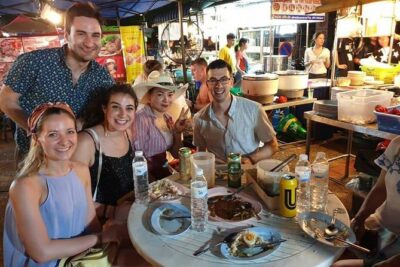
And yes, you will eat what you make. By the end, you sit down to the full home-cooked meal built from everything you’ve prepared during the session.

You can also read our reviews of more cooking classes in Chiang Mai

The 6-hour breakdown: market first (AM) then hands-on cooking

Thai and Akha Cooking Class in Chiang Mai - The 6-hour breakdown: market first (AM) then hands-on cooking
Your day is basically three phases: ingredient shopping (morning only), cooking in stations, and eating your results.

Stop for the morning session: the local market hunt

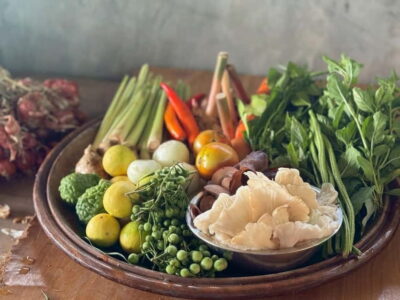
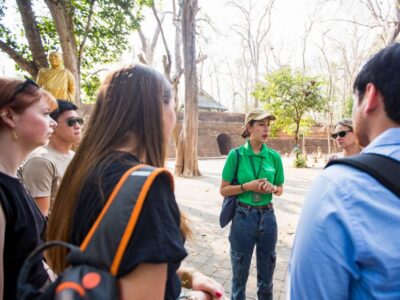
If you choose the morning class, you visit a local Chiang Mai morning market as part of the experience. The point is not just photos. You see, smell, and taste ingredients before you cook with them. You also get a better sense of what you are trying to achieve, because you understand which herbs, fruits, and vegetables are meant to be part of the flavor plan.

This is one of the biggest value boosts of the morning option. Many cooking classes skip the “ingredient literacy” part. Here, you are learning what goes where, and why.

A small practical drawback: because the market is active and the day is long, it helps if you are already set on taking your time with tasting and questions. If you come in rushed, you may not get as much out of the shopping portion.

The main work: cooking in individual stations

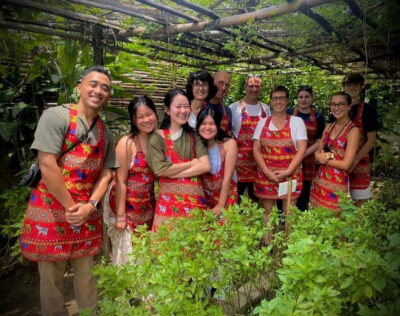
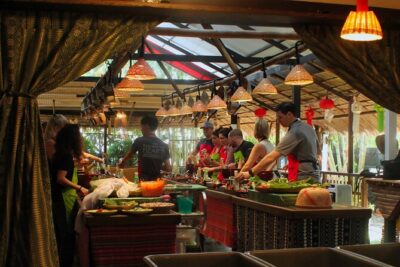
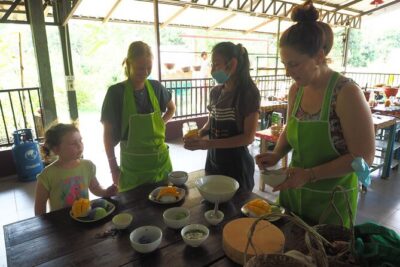
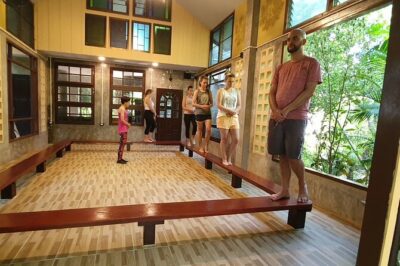
Once you are at the school, you cook in a shared classroom setting but with your own cooking station. The class has a maximum size of 12 travelers, and that matters. In a larger class, instructors can only hover. Here, you are likely to get corrections while your dish is still in progress.

The structure is clear. You are not left floating between stations trying to guess the next step. Across the session, you prepare:

  • Two appetizers
  • Soup
  • Curry paste and curry
  • Two desserts
  • Plus several Akha-style dishes, including Akha salad, Akha soup, and sapi thuong (tomato dipping sauce)

That is a lot of dishes for one day. The tradeoff is that it is busy. You will feel like you are cooking most of the time, and you should come ready to focus.

Ending with the meal you made

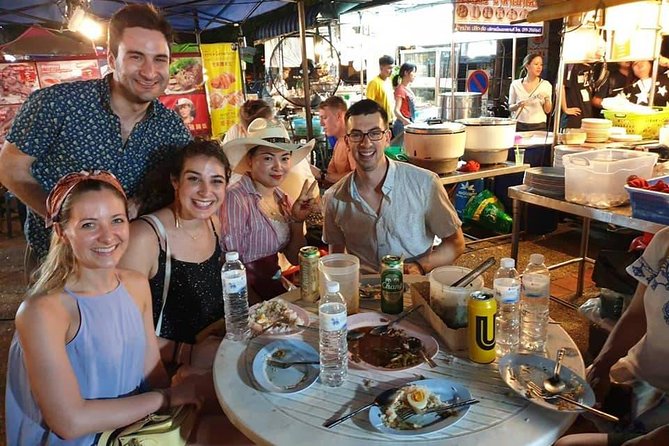
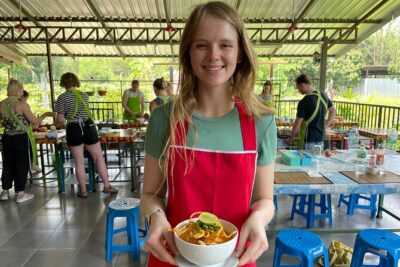
You finish by eating the home-cooked food you prepared. This is more satisfying than classes that serve a plate that looks similar but feels separate from the cooking process. Here, the meal is the proof, and it is your chance to taste your own balance and seasoning choices.

If you want the most enjoyment, plan to eat slowly at the end. You will taste the difference between dishes you cooked carefully and dishes you rushed through at 10 am.

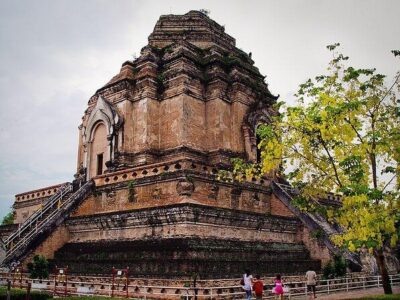
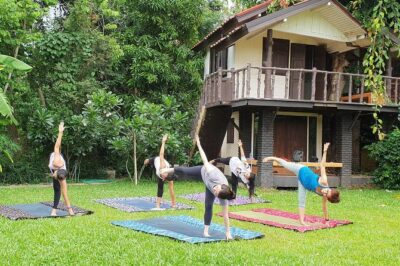
More Chiang Mai temple visits, food walks, elephant experiences, mountain trips, and northern Thailand day tours to compare

Market ingredients you can actually replace at home

Thai and Akha Cooking Class in Chiang Mai - Market ingredients you can actually replace at home
One of the quiet superpowers of this class is that it treats ingredients like tools. During the morning session, you shop in a market environment where you learn what fresh herbs and produce look like, how they smell, and how they behave in Thai cooking.

That matters when you try to cook later at home, because Thai flavors often depend on fresh aromatics and the right sour, salty, and sweet balance. Knowing the ingredient category helps you choose better substitutes. You do not need to find the exact same item in your local grocery store. You do need to match the role it plays.

For example, instructors have shared simple swap ideas for home cooking, like using cucumber instead of green papaya when recreating certain flavors. That kind of guidance is what keeps the cookbook from becoming a wall decoration.

Practical tip: if you choose the morning tour, do a quick mental list of what you smelled and tasted. When you get back home, those memory cues help you pick the closest substitutes.

Instructor style: why the small group changes everything

Thai and Akha Cooking Class in Chiang Mai - Instructor style: why the small group changes everything
The class repeatedly shines on instructor delivery. Names that show up in examples include On and Niti, with assistance mentioned as well (including Eveline in one account). Regardless of which instructor you get, the teaching style seems consistent: clear guidance, friendly energy, and attention to the details that actually make a dish work.

Here is what that looks like for you:

  • You get watched while you work, so mistakes do not snowball.
  • You get explanations that connect technique to flavor.
  • You get encouraged to taste as you go, so you learn what “right” tastes like instead of relying on guesswork.

In other words, you are not just following steps. You are building a flavor sense.

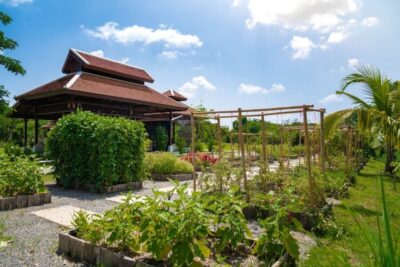
Also, the facilities are described as clean and well lit, with immaculate, well stocked stations that are not cluttered. That sounds minor until you are chopping herbs, stirring curry paste, and trying to keep track of multiple components. A tidy setup keeps you calm, and calm helps you cook better.

The Akha and Thai menu: what you will likely cook

Thai and Akha Cooking Class in Chiang Mai - The Akha and Thai menu: what you will likely cook
This experience is designed around both Thai and Akha cuisine. You are not just adding one “ethnic tasting dish” to a Thai set. You get multiple Akha-style items alongside classic Thai technique.

Akha dishes you’ll see on the menu

The class includes Akha specialties such as:

  • Akha salad
  • Akha soup
  • sapi thuong tomato dipping sauce

Even if you are new to Akha flavors, you will notice the consistency in how the class treats them. You learn which dish is built around freshness, which needs warming comfort, and which depends on balanced dipping sauce flavor.

Some Akha dishes highlighted in examples include soups like fuk kiow soup, which is a good reminder that the menu can lean into Northern Thai and hill tribe comfort styles. If you are a fan of soups and dipping sauces, this is your day.

Thai technique focus: curry paste to curry

On the Thai side, expect hands-on work that centers on curry paste and curry plus other components like appetizers and soup. Curry paste is where Thai cooking gets real. It is not only about the ingredients, it is about how you combine and coax flavor out of them.

When you cook curry paste yourself, you will understand what makes Thai curries taste deeper and more aromatic than the jarred shortcut version. Even after one session, you will start recognizing flavor patterns.

You may also make additional dishes as part of the “large menu” setup, including two appetizers and two desserts. The exact mix can feel full and varied, and that is part of the point. You keep switching tasks, so you do not get bored.

What you eat and how coffee fits in

Thai and Akha Cooking Class in Chiang Mai - What you eat and how coffee fits in
You start with a mindset of hunger, because you are instructed to come with an empty stomach. That advice is not just marketing. The class is long, and you are busy making multiple dishes. You will want your appetite.

Coffee is included, and you are served Akha Hill Tribe coffee. For many people, this becomes one of those final memories that feels like a bonus, not a separate add-on. It also ties the Akha theme together, since you are tasting the food culture in more than one way.

Alcoholic drinks are available to purchase, but they are not part of the included package. If you plan to drink, keep it light. Cooking with alcohol in your system can make it harder to judge seasoning.

Price and value: why $42 can make sense here

Thai and Akha Cooking Class in Chiang Mai - Price and value: why $42 can make sense here
At $42 per person for around 6 hours, this is priced like a budget-to-mid cooking class. But the value is not only the time. It is what is included.

You are getting:

  • Hotel pickup and drop-off in the central Chiang Mai area
  • Local market tour if you book the morning session
  • Individual cooking station
  • Akha Hill Tribe coffee
  • A full color cookbook as a souvenir
  • A meal made from multiple dishes

In other words, you are paying for guided instruction plus ingredients plus the recipe “exit ticket” to cook later. The cookbook is especially important. Without that, cooking classes can feel like a fun day you forget by week two. With a cookbook and practical swapping advice, you have a better shot at repeating at least a few dishes.

The small group size also raises the value. If the class were bigger, you would pay for the same set list but get less personal help. Here, the structure supports real learning, not just watching.

Who this class is best for (and who should skip it)

Thai and Akha Cooking Class in Chiang Mai - Who this class is best for (and who should skip it)
This is a strong pick if you:

  • Want a hands-on food day, not a sit and watch experience
  • Like Thai flavors and also want to experience Akha cuisine specifically
  • Prefer small group attention when you cook
  • Travel with family or mixed ages, because the class format is interactive and structured

It may be less ideal if you:

  • Want a short, relaxed activity. This is long and active.
  • Are not comfortable cooking while following fast instructions. The menu is large, so you have to stay switched on.

If you are the type who loves spice, fresh herbs, and learning how sauces and soups are balanced, you will fit right in.

Should you book this Thai and Akha cooking class?

If you want one Chiang Mai experience that mixes culture, technique, and food you can recreate at home, I think this is a yes. The best reason to book is the combination of small group instruction plus a menu that actually teaches you more than one dish. The morning market option is a smart add-on if you like understanding ingredients, not just learning recipes.

My final decision tip is simple: if you choose the morning session, go in hungry and ready to taste. If you choose the afternoon, still keep the empty-stomach plan, because the cooking run is full and you will want to fully enjoy the meal at the end. For most food lovers, this is a practical, satisfying day worth the time.

FAQ

What is the duration of the Thai and Akha Cooking Class?

The class runs for about 6 hours.

Does the class include hotel pickup in Chiang Mai?

Yes. Hotel pickup and drop-off are included for hotels within about 3 km of the city area.

Is there a market tour included?

There is a local market tour included for the morning session only.

How many dishes will I cook?

The session includes cooking two appetizers, a soup, curry paste and curry, two desserts, and several Akha-style dishes such as Akha salad, Akha soup, and sapi thuong.

What is included in the price?

Included are the market tour (morning only), individual cooking station, Akha Hill Tribe coffee, a full color cookbook, and hotel pickup and drop-off (within the stated area). Alcoholic drinks are not included.

How big is the group size?

The group size has a maximum of 12 travelers.

What should I bring or do before the class?

Come with an empty stomach. Coffee is included, and you’ll have a full meal at the end of the class.