REVIEW · CHIANG MAI DAY TOURS
Lamphun and Lampang City Temples Small Group Tour – Full Day
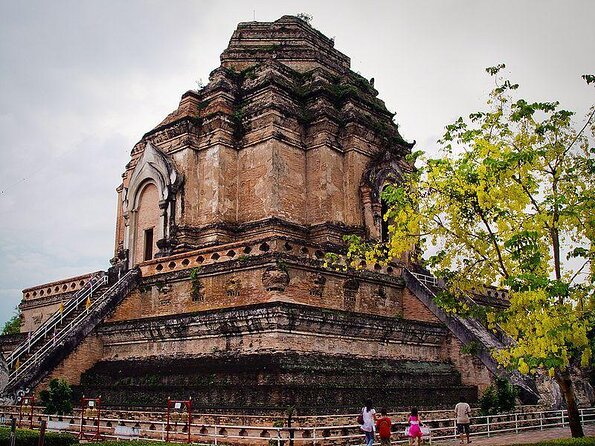
One morning. Four temples. A real taste of Northern Thailand’s spiritual side. This full-day small-group trip is a smart way to connect Lamphun and Lampang without wrestling with local transport, and you get enough time at each site to actually look, not just pose. I like that the day is built around photo-friendly landmark temples, including Wat Phra That Lampang Luang, plus a short stop at Wat Chedi Sao Lang.
I also like the small-group size (15 max). That matters when you want your guide to slow down for questions, or when the pace is tight but you still want to take in the details. And with hotel pickup and drop-off included, you avoid the most annoying part of temple-hopping days: getting yourself to the right start point on time.
One possible drawback: the big cost is the $90 price tag, and lunch is not included. If you expect meals handled and a longer temple list, you may feel the schedule is only as satisfying as what you personally value in temple architecture and photo time.
Key things that make this tour work

- Hotel pickup and drop-off saves time and stress, especially with a 7:00 am start.
- Small group up to 15 keeps the day manageable and makes questions easier.
- Temples with very different styles means you see more than one version of Northern Thai Buddhism.
- Wat Phra That Lampang Luang gives you the day’s big architectural photo moments.
- One quick free stop at Wat Chedi Sao Lang (Twenty Pagodas) is an easy add-on before the return trip.
Why this Lamphun and Lampang loop is a smarter plan than DIY

If you want to see temples in more than one province, DIY can get messy fast. You spend energy figuring out rides, timing, and the order of stops, then you rush because you are trying to beat transit schedules. This tour removes that friction with included round-trip hotel transfers and a planned day that runs about 9 hours.
The route also makes sense for a one-day visit. Lamphun and Lampang are close enough that you can move between them without losing your entire day to roads, but different enough that you do not feel like you are repeating the same site. That is the real value here: a single day that links distinct temple identities, with minimal logistical hassle.
And because it starts from the Chiang Mai city area (meeting at Tha Phae Gate) early, you get a better shot at cooler temperatures and calmer temple moments before the day heats up.
You can also read our reviews of more city tours in Chiang Mai
Pickup, pacing, and what the group limit changes

You start at 7:00 am, with the trip ending back at the meeting point. Expect an air-conditioned vehicle, an English-speaking guide, and bottled water. Those are not flashy details, but on a temple day they can change how you feel by mid-morning.
The 15-person cap matters. In a larger group, temples can turn into a conveyor belt: you move because you are told to move. With a smaller group, you tend to get more breathing room for slower viewing, and you can better hear your guide while you are standing in front of gates, chedis, or murals.
The pace still has structure. You get about an hour at the first stop, about an hour and a half at the second, about an hour at the third, then a shorter fourth stop. If you are the type who wants long wandering time, you may find the stops feel time-boxed. If you like a tight, efficient tour with clear highlights, it is a good fit.
Stop 1: Wat Chamthewi (Wat Ku Kut), a square chedi with 60 Buddha statues

Your first temple stop is Wat Chamthewi, also known as Wat Ku Kut, also called Jamdevi Temple in the description. This is a site for people who like unusual design, not just big names. The standout is a chedi surrounded by arches, where the arches hold 60 Buddha statues.
It also has a story element. The temple is said to contain the ashes of Queen Chama Devi. That combination of visual pattern and legend is a great way to start the day because you are not just looking at buildings, you are being pointed to one specific feature and asked to notice it.
This stop runs about 1 hour, and admission is included. Photo-wise, plan on spending extra time up front, because the chedi and its surrounding arches are the main composition. If you move quickly, you might miss the repetition of the statues and the way the structure frames the center.
Potential drawback here: if you prefer massive temple complexes with lots of buildings to explore, this first stop is more focused. You will likely appreciate it more if you enjoy detail and symbolism.
Stop 2: Wat Phra That Hariphunchai, a 9th-century temple complex by the river

Next comes Wat Phra That Hariphunchai, a 9th-century temple complex by the river. This is the stop where the day starts to feel more expansive. The temple is described as Lamphun’s biggest, oldest, and most attractive compound, and it is easy to see why that matters. When a temple is old and large, you tend to get more angles for photos, more structures to compare, and more time to notice changes in materials and craftsmanship.
You get about 1 hour 30 minutes here, and admission is included. That extra time helps because river-side temple areas often invite you to pause. Even if you are photographing, you need a moment to recalibrate your framing, because the river, the buildings, and the walkways can all be in the same shot depending on where you stand.
Practical note: this is also the stop where you will probably feel the most walking. Comfortable shoes help. If your legs get tired easily, this is the portion to take slower.
Stop 3: Wat Phra That Lampang Luang, Lanna-style architecture and a massive brick gate

Wat Phra That Lampang Luang is the headline temple of the day. It is described as one of the best examples of Lanna-style architecture in Thailand, and the complex comes with enough variety that it stays interesting even if you are already temple-exhausted.
A few specific features stand out: the complex houses a historical museum, there is a massive brick gate, and you can see intricately-painted viharas (temple halls). That museum note is important because it implies you are not just seeing decorative structures, you are also getting a more anchored sense of the temple’s place in the area.
You get about 1 hour here, with admission included. For photos, the brick gate is usually your first magnet. Then shift attention to the painted areas on the viharas. The trick is to avoid staying fixed on one target the whole time. Walk a little, zoom in where the guide directs your attention, then widen back out to capture scale.
Possible consideration: if your top priority is museum time, you may find the 1-hour window a bit tight. The tour gives you access, but it does not promise lots of solo museum wandering. Plan to focus on what matters most to you inside that hour.
More Chiang Mai temple visits, food walks, elephant experiences, mountain trips, and northern Thailand day tours to compare
Stop 4: Wat Chedi Sao Lang (Twenty Pagodas), a short free stop for variety

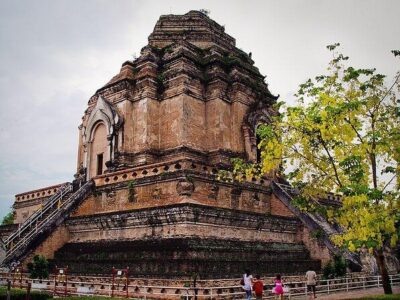
The final stop is Wat Chedi Sao Lang, also called the Twenty Pagodas. This is a quick hit, around 30 minutes, and it is free. That makes it a nice reset after the heavier architecture of the earlier stops.
Even with the short time, this is a good place to practice your temple photo rhythm. When you are moving from complex to complex, you want a stop that lets you take lots of small, satisfying frames without committing to a long walk or a long entrance line.
If you are shopping for value, this stop is a great example of how the day balances ticketed temples with at least one no-additional-fee site. It can also help you avoid that feeling of paying for everything while only seeing one main attraction.
Price and real value: what $90 buys, and what it does not

At $90 per person, the price can feel high until you break down what is included. This tour covers air-conditioned transportation, an English-speaking guide, hotel pickup and drop-off, bottled water, insurance, and entrance fees. For a day that runs about 9 hours with multiple temples, that bundle adds up quickly.
In Thailand, the day trip costs you often do not include everything. Here, you are paying for the convenience factor plus the on-site entry costs. That is why I think the value is better than it looks at first glance, especially if you do not want to plan transport between provinces.
What is not included is equally important. Lunch is not included, so you need to budget time and money for food on your own. Also, there is an optional horse-cart ride for 500 THB per cart for 2. If you were planning on riding, treat it as an add-on cost rather than something built into the price.
So who is this best for? If you value stress-free transfers and want entrance fees handled, it is a strong fit. If you want meals included and you are only interested in one or two major temples, you might feel the cost more sharply.
How to get better photos without rushing the sacred bits

You get multiple photo moments across the day, especially at Lampang Luang and Hariphunchai. To make your pictures look better, I suggest a simple approach.
First, decide what you are photographing: gate scale, mural detail, or temple layout. Then set a timer in your head and work in short bursts. You do not need to sprint through a site to get great shots.
Second, bring a little patience. When your guide points out a specific feature, like the 60 Buddha statue layout at Wat Chamthewi or the painted viharas at Lampang Luang, it usually means the best photos come after you shift your angle. If you already have your camera ready but you ignore the feature your guide is highlighting, your photos often turn into random temple shots.
Lastly, wear shoes you trust. Temple days include uneven stone, short stair segments, and small walkways. You do not want to spend the day adjusting your footing instead of composing images.
The guide makes a noticeable difference, especially if you speak up
The tour experience runs on guidance and pacing. The reviews highlight that the guides can explain history and culture clearly and stay flexible about how you want to follow the schedule. Names that stand out include Nicy and Faith.
I like that this matters because temples are not just pretty backdrops. If your guide is good, you stop seeing temples as one generic stop and start seeing how each place tells a different story. You also get more value from the short stops. A quick 30 minutes at Twenty Pagodas can still feel meaningful if someone helps you notice what to look for.
If you want the day to feel personal, ask one simple question at each site. What should I focus on here, and what is the one detail people miss?
Who this day trip suits best in Chiang Mai
This tour fits best if you want a structured temple day outside Chiang Mai, without the hassle of planning routes between provinces. It is also a strong choice if you like small-group tours and want an English-speaking guide to handle the context.
It is also a good fit for:
- Temple lovers who enjoy architecture and specific details, like gates, chedis, and painted halls
- Photographers who want multiple highlight stops in one day
- Anyone who prefers pickup and drop-off instead of negotiating transport on a deadline
It might be less ideal if you only care about one site, or if you want a long unstructured visit at a museum-style pace. The timing is efficient, not leisurely.
Should you book Lamphun and Lampang for a full day?
I would book this tour if you want an easy, high-efficiency way to see major temple landmarks across two provinces, with hotel transfers and entrance fees handled. At $90, the price feels fair when you remember what you are paying for: guided context, transportation, and multiple admissions in a single day.
Hold off or book with extra expectations if you need lunch included, or if you want long independent time at each temple. Also consider that optional activities like the horse-cart ride cost extra.
If your goal is a calm, organized day where you can focus on temples and photos instead of logistics, this is one of the cleaner ways to do it from Chiang Mai.
FAQ
How long is the Lamphun and Lampang City Temples small-group tour?
It runs for about 9 hours.
What group size limit does this tour have?
The maximum group size is 15 travelers.
Is hotel pickup and drop-off included?
Yes, the tour includes pickup and drop-off at your hotel.
Where does the tour start in Chiang Mai?
The meeting point is Tha Phae Gate on Tha Phae Road, and the start time is 7:00 am.
Which temples are included in the day?
You visit Wat Chamthewi (Wat Ku Kut), Wat Phra That Hariphunchai, Wat Phra That Lampang Luang, and Wat Chedi Sao Lang (Twenty Pagodas).
Are entrance fees and bottled water included?
Yes. Entrance fees and bottled water are included.
Is lunch included, and are there any extra paid options?
Lunch is not included. There is also an optional horse-cart ride costing 500 THB per cart for 2.
What is the cancellation window?
You can cancel for a full refund up to 24 hours before the experience start time.
More City Tours in Chiang Mai
More Tours in Chiang Mai
More Tour Reviews in Chiang Mai
Not for you? Here's more nearby things to do in Chiang Mai we have reviewed
Chiang Mai Day Tours, compared.
★ 5.0Half-Day Thai Cooking Class at Organic Farm in Chiang MaiFrom $2919,087 reviews
★ 4.8Elephant Sanctuary Feeding Program Half-Day TourFrom $274,527 reviews
★ 4.6Chiang Rai White Temple and Blue Temple Day TourFrom $273,366 reviews
★ 4.8Sticky Waterfall & Angel Waterfall Park Day TourFrom $411,371 reviews
★ 5.0Full Day Thai Cooking at Farm (Chiang Mai)From $391,127 reviews
★ 4.5Chiang Rai’s Temples Exploration Day TripFrom $51871 reviews
★ 4.7Doi Inthanon Park with Kew Mae Pan Hike Day TripFrom $62841 reviews
★ 4.9HALF-DAY COOKING COURSE at a Thai Cooking FarmFrom $28705 reviews
Browse the lists this tour appears in