
Choose Chiang Mai by the day you want to have.
Compare temple mornings, elephant sanctuaries, cooking schools and mountain day trips—with the practical details that decide whether an itinerary fits.
Start with the shape of your day.
Old City for lanes and temples. Doi Suthep for the first mountain view. Doi Inthanon for a full day above the heat.

Doi Inthanon National Park Eco-Friendly Tour
Spend a full day from Chiang Mai in Doi Inthanon National Park, with waterfall views, pagodas, and hill-tribe coffee in an eco tour.
From $46 per person
Read the review → ★ 4.9Traveller favouriteElephant Sanctuary & Waterfall Group TourFrom $505,780 reviews
 ★ 4.7Books out earlyChiang Rai Temples, Karen Tribe and Hot SpringsFrom $355,401 reviews
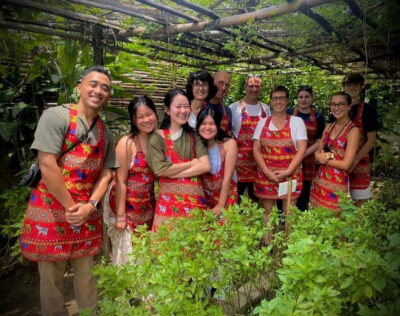 ★ 4.9Small groupsCooking Class, Market & Thai Herbs Garden TourFrom $314,824 reviews
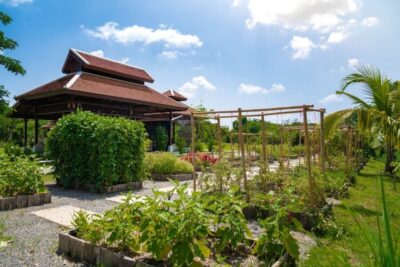 ★ 4.9Sells out fastAuthentic Cooking Class with Market & Farm VisitFrom $344,546 reviews
 ★ 4.8Locals send you hereElephant Sanctuary Feeding Program Half-Day TourFrom $274,527 reviews
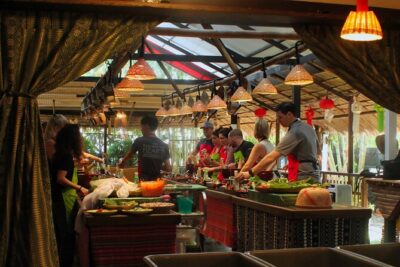 ★ 5.0First-timer pickThai and Akha Cooking Class in Chiang MaiFrom $424,358 reviews
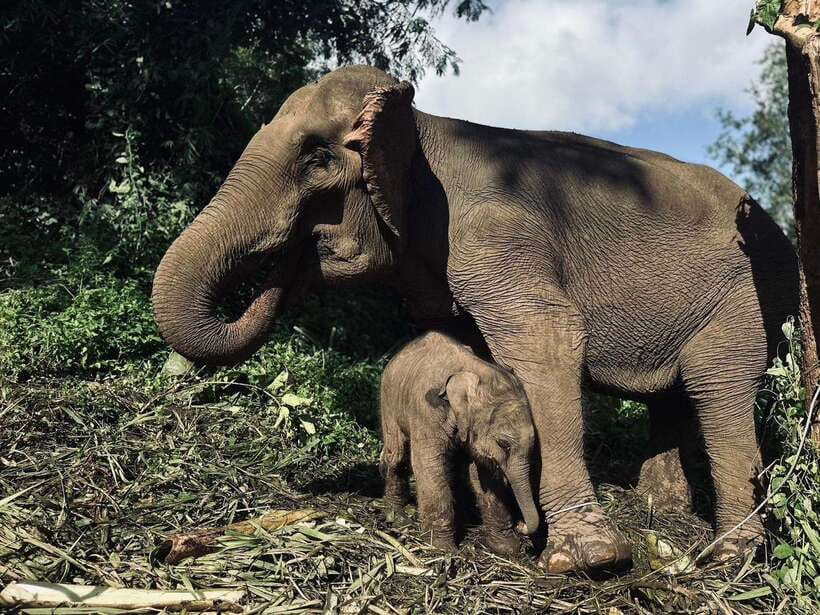
Choose the care, not the slogan.
Compare group size, travel time, walking demands and exactly what happens around the animals. The clearest listings explain the care policy before asking you to book.
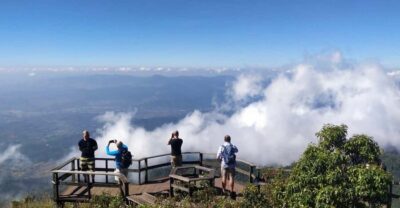
The mountains start at the edge of town.
Waterfalls, forest trails and northern temples all compete for a day. See which routes earn the early start.
 Thailand's highest peak
The summit day
9 hours · from $46 · 6,667 reviews
Doi Inthanon routes vary between summit viewpoints, waterfalls, village stops and trail time. Compare the actual route, walking demands and pickup hour before accepting the early start.
See the Doi Inthanon days →
Temples like nowhere else
The White Temple day
11 hours - 810 minutes · from $35 · 5,401 reviews
Chiang Rai is a long day from Chiang Mai. Compare how the temples are paired, whether the Golden Triangle is included and how much of the schedule is spent in the vehicle.
See the Chiang Rai days →
Thailand's highest peak
The summit day
9 hours · from $46 · 6,667 reviews
Doi Inthanon routes vary between summit viewpoints, waterfalls, village stops and trail time. Compare the actual route, walking demands and pickup hour before accepting the early start.
See the Doi Inthanon days →
Temples like nowhere else
The White Temple day
11 hours - 810 minutes · from $35 · 5,401 reviews
Chiang Rai is a long day from Chiang Mai. Compare how the temples are paired, whether the Golden Triangle is included and how much of the schedule is spent in the vehicle.
See the Chiang Rai days →
 Grippy underfoot
The waterfall you walk up
9 hours · from $63 · 2,262 reviews
Bua Tong works as a half-day escape or as one stop on a wider northern route. Compare pickup time, cave or temple additions and what the operator asks you to bring for the climb.
See the waterfall days →
Grippy underfoot
The waterfall you walk up
9 hours · from $63 · 2,262 reviews
Bua Tong works as a half-day escape or as one stop on a wider northern route. Compare pickup time, cave or temple additions and what the operator asks you to bring for the climb.
See the waterfall days →

Market first. Wok second.
Pick a tasting walk for the city after dark, or a cooking school when you want the recipe as well as dinner. Compare dietary flexibility, pickup and the time actually spent at the market.
Choose the class by the menu and pace.
Cooking classes range from quick evening sessions to market-and-farm days. Check the dishes, pickup area and how much of the meal you prepare yourself.



Match the route to your energy.
Trekking, rafting, zipline and ATV days differ as much in transfer time as activity time. Compare the route, fitness demands, safety inclusions and the hours left after pickup.


Temple lanes reward a focused route.
Walking, cycling and private tours connect different temple pairs. Compare the route, time on foot and whether Doi Suthep, Wat Umong or Wat Pha Lat belongs in the same day.
Start with the shape of your day.
Old City for lanes and temples. Doi Suthep for the first mountain view. Doi Inthanon for a full day above the heat.
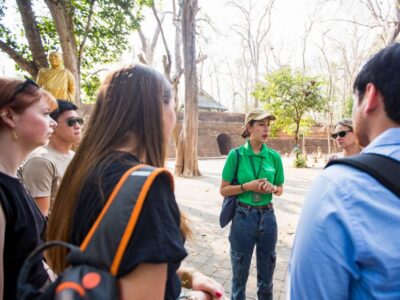


Pick a day that sounds like you.
Browse by pace and setting, then compare pickup, duration and inclusions in each review.







The mountains start at the edge of town.
Waterfalls, forest trails and northern temples all compete for a day. See which routes earn the early start.
Build three different days from one base.
Keep one day close to the moat, choose one animal or mountain route, then use the final day for the long drive that matters most to you.
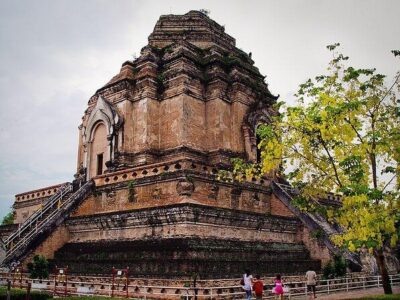 Day 1
Inside the old city
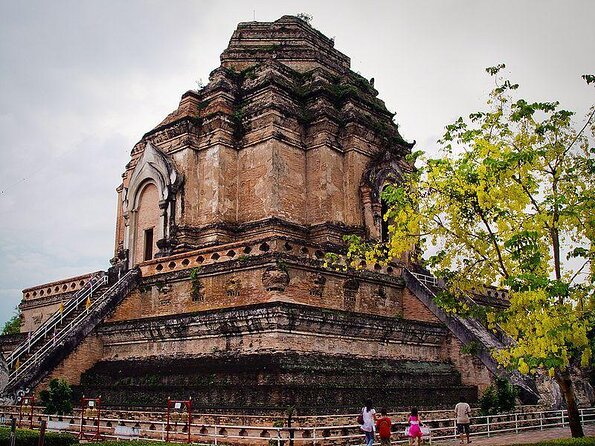
Wat Chedi Luang and the lanes around it in the cool of the morning, khao soi for lunch, then the Sunday Walking Street if the timing lands. Easy pace, jet-lag friendly.
Plan day one →
Day 1
Inside the old city
Wat Chedi Luang and the lanes around it in the cool of the morning, khao soi for lunch, then the Sunday Walking Street if the timing lands. Easy pace, jet-lag friendly.
Plan day one →
 Day 2
Elephants, then the wok
Up the Mae Taeng road at dawn to feed and walk with the herd, back in town by afternoon for a market-to-table cooking class. A full day, and no rushing.
Plan day two →
Day 3
Up Doi Inthanon
The early van to Doi Inthanon, the twin pagodas and Wachirathan falls, a Karen coffee stop on the way home. Check the forecast and save this day for the clearest sky.
Plan the Doi Inthanon day →
Day 2
Elephants, then the wok
Up the Mae Taeng road at dawn to feed and walk with the herd, back in town by afternoon for a market-to-table cooking class. A full day, and no rushing.
Plan day two →
Day 3
Up Doi Inthanon
The early van to Doi Inthanon, the twin pagodas and Wachirathan falls, a Karen coffee stop on the way home. Check the forecast and save this day for the clearest sky.
Plan the Doi Inthanon day →
Latest Chiang Mai Tour Reviews
 ★ 4.3Workshop Making Herbal ball & herbal inhalerFrom $383 reviews
 ★ 5.0Meditation Retreat and Self-Care in NatureFrom $474 reviews
 ★ 5.0Full Day Yoga, Meditation, and Thai Cultural Immersion in Chiang MaiFrom $813 reviews