
REVIEW · CHIANG MAI COOKING CLASSES
Chiang Mai: Morning Cooking Class with Market Visit
Food smells can change your day fast. This Chiang Mai morning cooking class starts with that exact moment, as you shop for ingredients and then cook real Thai dishes with an English-speaking instructor. It also includes a visit to an organic garden and herb picking, which makes the whole class feel more than just a hands-on meal.
I especially love two parts: the market ingredient hunt (you learn what to buy and why) and the PDF recipe book you take home, so your cooking doesn’t end when the class does. I also appreciate that you can choose dishes like Pad Thai, green curry, or Tom Yum Kung based on what you actually want to eat.
One possible drawback: the day runs tight, and you need to be ready for pickup timing. The driver waits only a short window after the scheduled pickup time, and if your hotel is outside the pickup area, you may need to get yourself to the market or studio.
Key Highlights You Will Actually Notice
- Local market shopping where you pick fresh ingredients instead of relying on pre-portioned supplies
- Organic garden and herb picking with real lessons about how Thai vegetables and herbs grow
- Cook a full set of 6 dishes, including curry paste options and a sweet dessert afterward
- Choose your dish style, from starters like Som Tam or spring rolls to curries like Massaman or Panang
- English instruction and step-by-step guidance, including follow-along tips if you’re a beginner
- Dietary flexibility, with options available for vegan, vegetarian, Halal, and gluten-free needs
Why This Chiang Mai Class Feels More Real Than Just Cooking
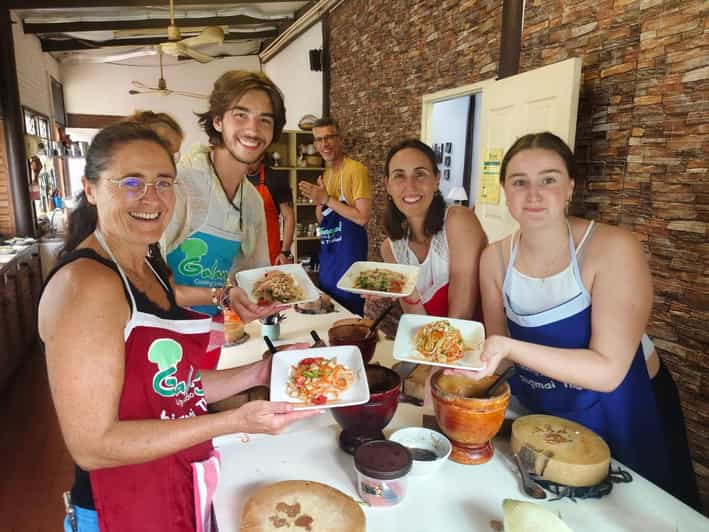
A Chiang Mai cooking class should do two things well: teach you how Thai food is built, and make you feel confident cooking it at home. This one does both because it starts upstream, at the market and garden level, then moves into the cooking studio with clear technique.
You’re not just copying recipes. You’re learning the logic behind Thai flavor. You see herbs and vegetables before they hit your cutting board. Then you practice the skills that connect those ingredients to dishes like stir-fried noodles, curries, and hot-and-sour soups.
And the best part for your future self, you get a PDF recipe book at the end. That matters, because Thai cooking can be hard to recreate from memory unless you have measurements and steps written down.
You can also read our reviews of more shopping tours in Chiang Mai
Hotel Pickup and Getting to the Market Without Stress
The day starts with hotel pickup in Chiang Mai. Pickup runs from about 8:30 to 9:00 AM, and you should wait in the lobby about 5 to 10 minutes early. The driver won’t wait more than 5 minutes after your scheduled pickup time, so plan for a little extra buffer if you’re ready and not rushing.
Pickup is offered for many hotels around the old city, Santitham, and along Huay Keaw Road up to Maya Shopping Mall, plus some areas of Nimmandhaemin Road and nearby roads. If your hotel isn’t included, you’ll be told in advance, and you’ll need to arrange your own way to the cooking school or the market.
Good news: you can come directly to the cooking studio if you prefer not to use the transfer. If you want the day to feel easy, consider doing that, especially if you’re staying slightly outside the main pickup zones.
The Morning Market Visit, Where the Shopping Teaches You
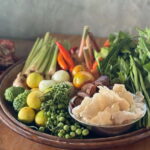
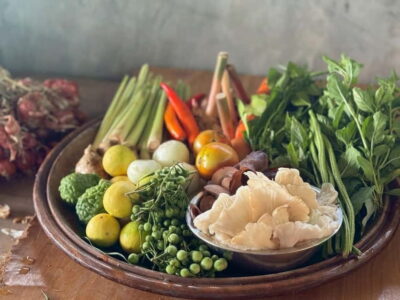
The market stop is not just a quick photo break. It’s where you understand what fresh ingredients should look like, smell like, and how they fit into Thai cooking.
As you walk the stalls, you’ll be shopping for ingredients that later show up in your dishes. You also learn what to look for when choosing items for soups, stir-fries, curries, and desserts. That’s the big value here. Once you know what good ingredients look like, Thai cooking stops feeling mysterious.
The pacing can feel busy, but in a useful way. Your instructor can guide you on how to compare things quickly. And since this class is taught in English, it’s easier to connect what you’re seeing with what you’ll be doing later in the studio.
Tip for you: come with an empty stomach. The class is designed so you’ll build meals, then sit down to eat what you made.
Organic Garden and Herb Picking, the Flavor Starts Outside
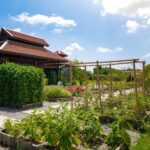
After the market, you’ll head to an organic garden and explore an organic farm setting. This part is practical, not preachy. The goal is to show you how Thai vegetables and herbs grow, and then let you pick some ingredients you’ll use later.
If you like food that tastes like it came from the garden, this is where you feel it. When you pick the herbs yourself, chopping them later feels different. You also get a better sense of why certain herbs show up in specific dishes, like salads and curry aromatics.
This section is also a nice change of pace. After the market’s movement, you get open-air time, and you’ll likely notice how much the green ingredients matter in Thai cuisine.
The Cooking Studio Rhythm, Technique Over Guesswork
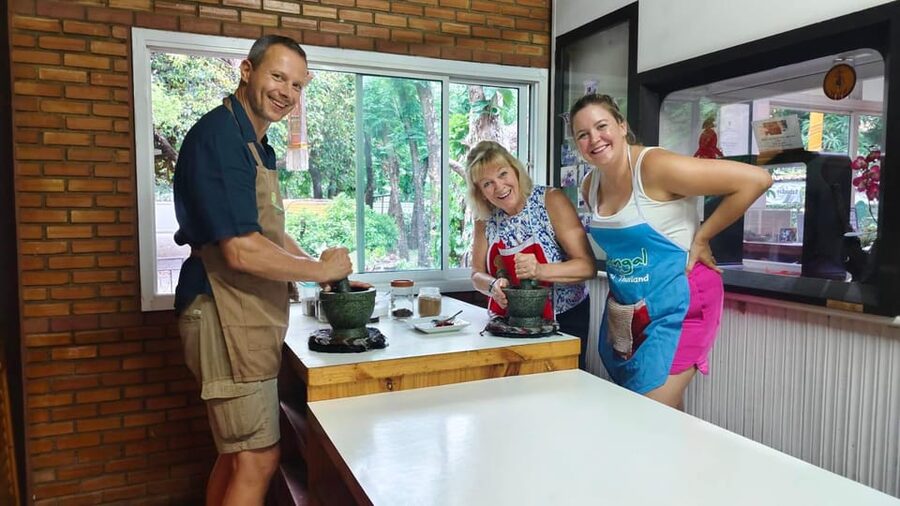
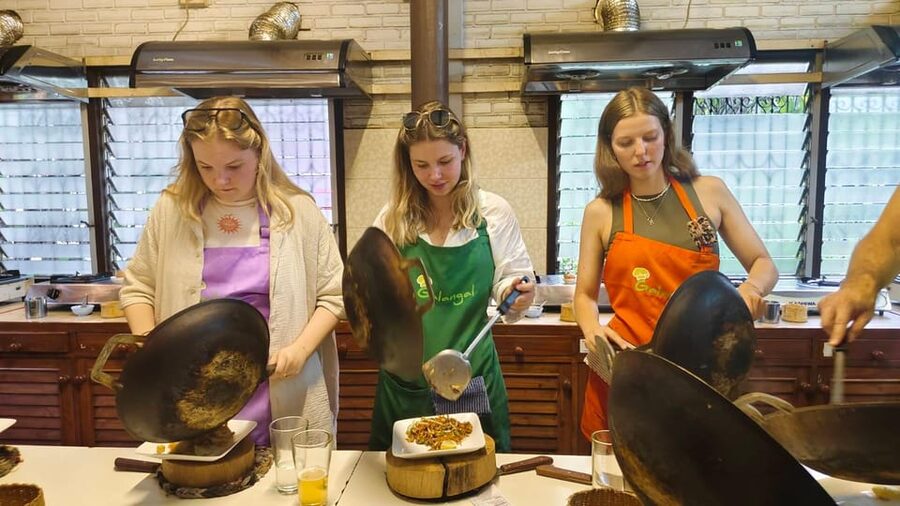
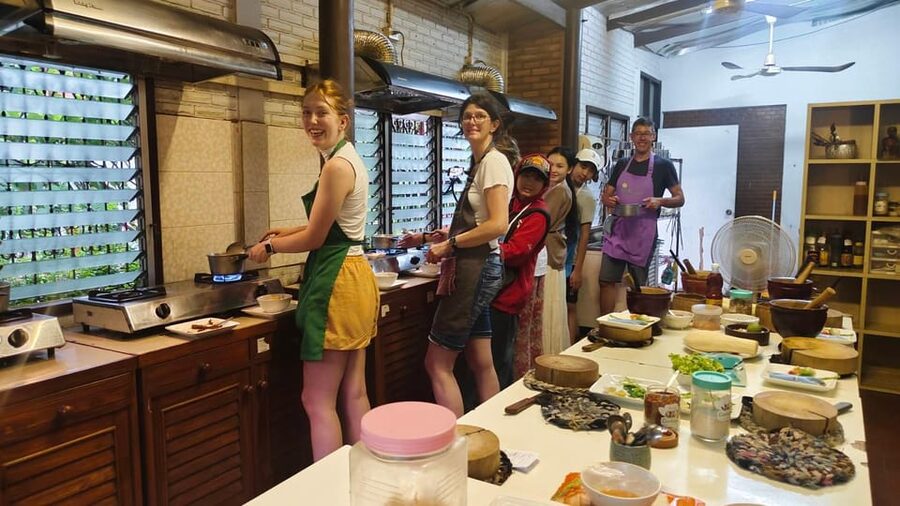
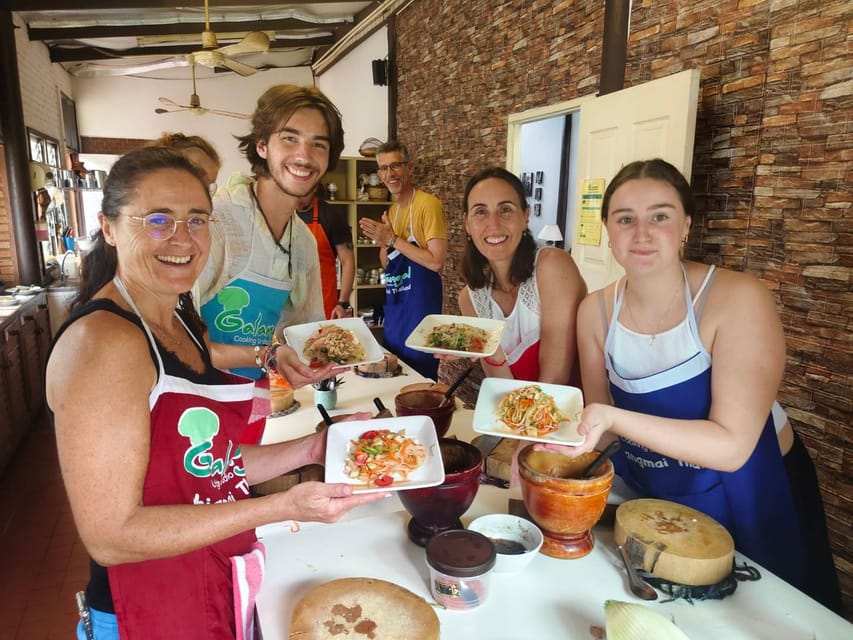
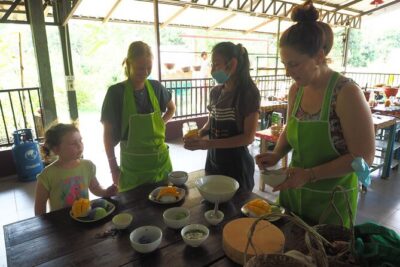
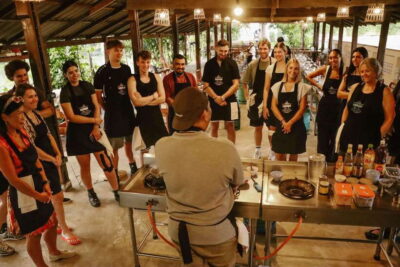
Once you reach the cooking studio, the classroom side starts. You’ll practice Thai cooking skills and learn how to handle the ingredients you picked. The teaching style here is very hands-on, with expert staff instructions in English, so you’re not left translating on your own.
You’ll also get what beginners often need: guidance that helps you avoid common mistakes. Thai dishes can look simple, but timing and heat control matter. During the class, you practice the steps that shape flavor, like stir-fry control, balancing soup sourness, and building curry components.
The meal setup is practical too. Dessert and eating happen in an indoor, air-conditioned dining room, which is a welcome relief in Chiang Mai mornings if the weather is already warm.
More Chiang Mai temple visits, food walks, elephant experiences, mountain trips, and northern Thailand day tours to compare


Choosing Your Dishes, So You Cook the Meals You Want
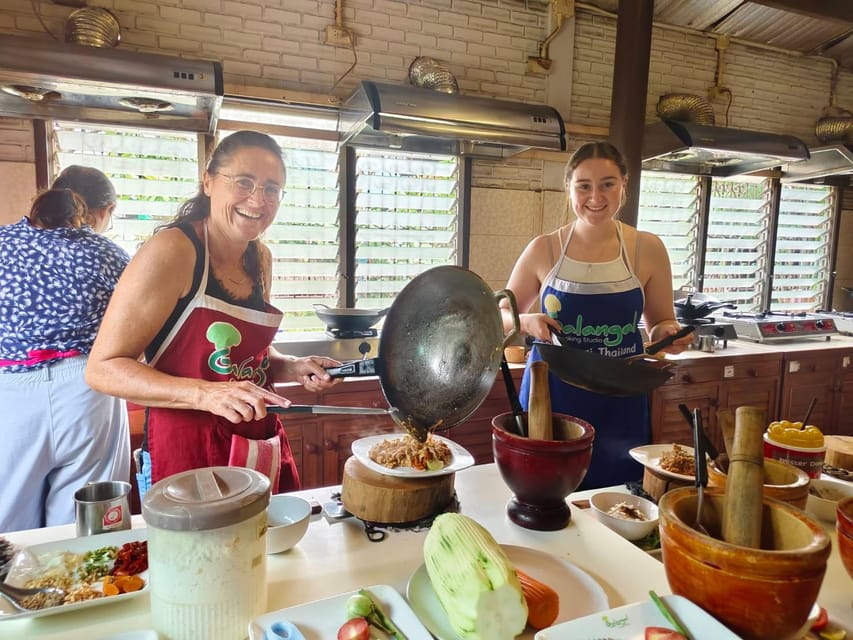
You’ll cook a total of 6 dishes, and the choices let you tailor the day. The class includes an appetizer or starter, a soup, a stir-fried dish or similar main, a curry paste component, a curry, and a dessert. That structure works well because it covers the main Thai flavor families in one half-day.
Starter options
You can choose one of these starters:
- Som Tam (papaya salad)
- Por Pia Thod (spring rolls)
- Larb Kai (chicken salad)
- Yam Woon Sen (glass noodle salad)
If you want something bright and tangy, Som Tam is a strong pick. If you prefer crunchy comfort, spring rolls are a great choice.
Main course and stir-fry options
You choose based on what you crave:
- Pad Thai (Thai fried noodles)
- Pad See Ew (stir-fried noodles with chicken)
- Kai Pad Med Mamuang Him Ma Pan (chicken with cashew nuts)
- Pad Kaphao Kai (minced chicken with holy basil)
Pad Thai is usually the crowd-pleaser because it teaches noodles plus sauce balance. Pad Kaphao Kai is more aromatic and herb-forward, and it’s the kind of dish you can recreate confidently once you learn the key steps.
Soup options
For soup, pick one:
- Tom Yum Kung (hot and sour prawn soup)
- Tom Kha Kai (chicken soup with coconut milk)
- Tom Kha Je (vegan coconut milk soup)
- Tom Zap Kai (hot and sour with chicken)
Tom Yum Kung is the classic choice if you want sharp sour heat and a fragrant broth. If you prefer creamy, go for Tom Kha Kai or Tom Kha Je.
Curry choices
You’ll also make curry options, including:
- Green, red, yellow curry
- Massaman curry
- Panang curry
If you enjoy warming spices and deeper flavor, Massaman can be a satisfying choice. Panang often feels rich and thick, with a strong curry aroma.
Curry Paste and the Real Skill People Forget
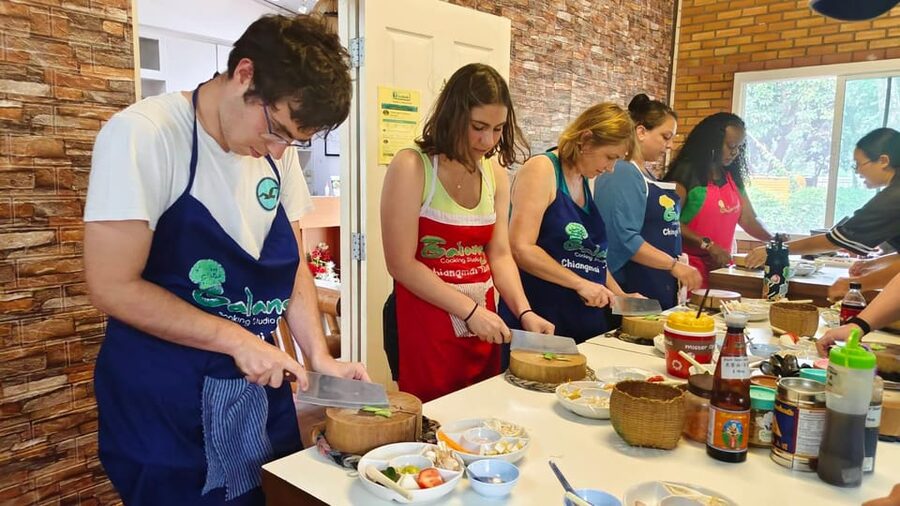
This class doesn’t stop at assembling a curry from a jar. You’ll learn the skills behind curry preparation, including working with curry paste in your cooking process.
That matters because Thai curries are not just “spicy sauce.” The paste is where the main flavor base comes from, and understanding that step helps you adjust future meals. Once you know how the paste supports the final taste, you can cook with confidence even when ingredients vary.
Dessert in Air-Conditioned Comfort, Mango Sticky Rice or More
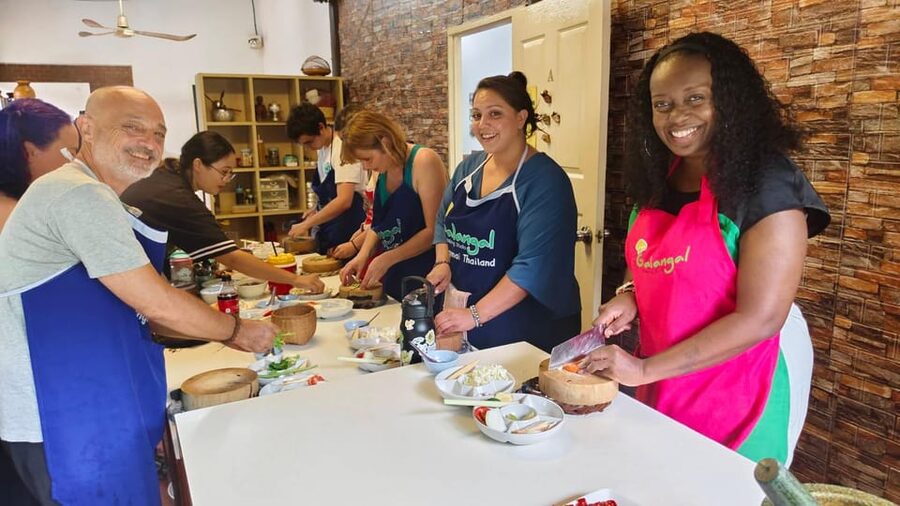
After the main course, you make dessert. Two options are included:
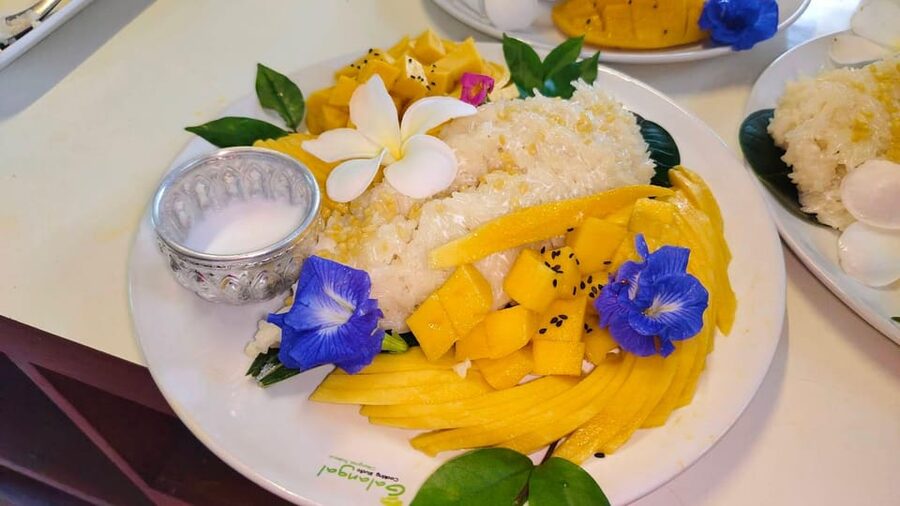
- Mango sticky rice with ice cream
- Kuay Tod (fried banana)
Mango sticky rice is great if you want something creamy and sweet with a Thai restaurant vibe. Kuay Tod is fun if you like contrast, warm crisp outside, soft inside.
Either way, the class keeps the dessert portion separate enough that you’re not just rushing through it. You finish with a sweet payoff and then eat everything you cooked.
What You Eat, How the Day Wraps Up, and the PDF You Keep
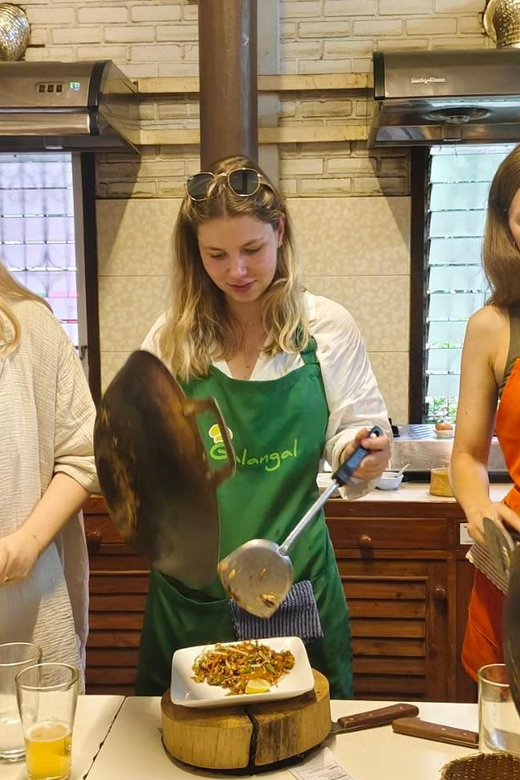
At the end of the class, you eat the dishes you prepared. That’s not a small detail. It helps you judge your results while the techniques are still fresh in your mind. If something tastes too sour, too salty, or not fragrant enough, you can connect it to what you did during cooking.
Then you receive the PDF recipe book. I like this part because it turns your class into a repeatable skill. You’re not relying on shaky memory when you shop for galangal, herbs, and curry aromatics back home.
Finally, the day ends with a drop-off back to your hotel.
Price and Value: Is $41 Worth It in Chiang Mai?
At $41 per person for a 5-hour experience, the value is pretty strong for what you get. You’re paying for multiple things at once:
- a market visit to learn ingredient selection
- garden time to pick herbs and learn organic growing
- guided cooking for 6 dishes plus dessert
- pickup and drop-off in many areas
- ingredients, equipment, staff instruction, and drinks like water, tea, and coffee
- a PDF recipe book for take-home use
The only clear cost warning is the separate visitor fee: 500 baht per adult and 350 baht per child (6 to 12 years) is listed as not included. Make sure you budget for that so there are no surprises.
For most people, the biggest value driver is the instruction plus the recipe follow-through. You’re not just eating Thai food in a class setting. You’re learning the steps you can repeat.
Who This Cooking Class Suits Best
This is a great fit if you want:
- a morning activity that feels local
- Thai food skills you can repeat later, not just a one-time meal
- a mix of market, herbs, technique, and cooking
- options for vegan, vegetarian, Halal, and gluten-free needs
It also works well for families. One booking included a child who cooked alongside the group and was made to feel welcome, which suggests the atmosphere can be friendly and accommodating.
If you’re the type who likes structure, this class helps because you cook from starter to curry to dessert in a single session. If you’re traveling with someone who wants Pad Thai but you want Tom Yum, you can usually choose dishes that match your preferences.
Quick Practical Notes Before You Go
- Bring personal medication if needed.
- Come with an empty stomach so you enjoy the food you make.
- Alcohol and drugs are not allowed.
- The class is taught in English.
- If you have mobility needs, it is wheelchair accessible and stroller accessible.
- Infant seats are available, and the activity is near public transportation.
For the smoothest day: plan your pickup timing carefully, and keep your phone ready in case your hotel location needs confirmation.
Should You Book This Chiang Mai Morning Cooking Class?
I think you should book it if you want more than a recipe list. If you enjoy markets, want to learn about Thai herbs and how they grow, and you like the idea of cooking 6 dishes plus dessert with real instruction, this class is a strong choice for Chiang Mai.
Skip it only if you hate market walking and tight schedules, because the morning is structured and timing matters. Also budget the extra visitor fee for adults.
If you’re excited to cook Thai food at home, the market-to-kitchen flow plus the PDF cookbook is the combo that makes this worth your time.
More Markets in Chiang Mai
More Shopping Tours in Chiang Mai
More Tour Reviews in Chiang Mai



Not for you? Here's more nearby things to do in Chiang Mai we have reviewed






Chiang Mai Cooking Classes, compared.
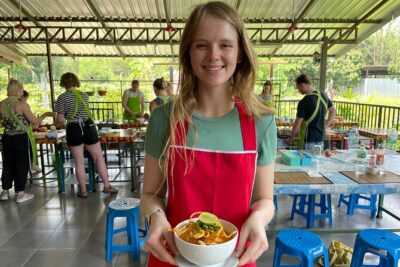 ★ 5.0Half-Day Thai Cooking Class at Organic Farm in Chiang MaiFrom $2919,087 reviews
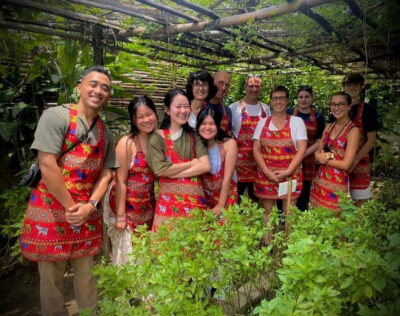 ★ 4.9Cooking Class, Market & Thai Herbs Garden TourFrom $314,824 reviews
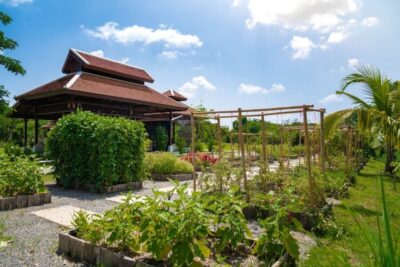 ★ 4.9Authentic Cooking Class with Market & Farm VisitFrom $344,546 reviews
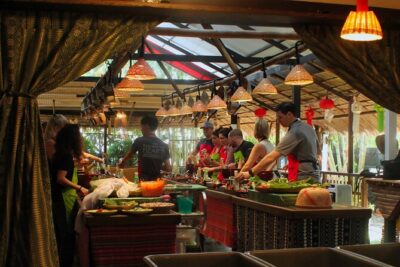 ★ 5.0Thai and Akha Cooking Class in Chiang MaiFrom $424,358 reviews
 ★ 4.9Cooking Class with Market and PickupFrom $251,365 reviews
 ★ 4.9Cooking Class with Organic Farm at Mama NoiFrom $321,151 reviews
 ★ 5.0Full Day Thai Cooking at Farm (Chiang Mai)From $391,127 reviews
 ★ 4.9HALF-DAY COOKING COURSE at a Thai Cooking FarmFrom $28705 reviews
Browse the lists this tour appears in