
REVIEW · CHIANG MAI DAY TOURS
Iconic Half-Day Landmarks & Temples of Chiang Mai
306 steps to a temple worth the sweat. This half-day Chiang Mai tour strings together Wat Phra That Doi Suthep with other Lanna-era favorites, using a comfortable air-conditioned van and a guide. I love the mountain viewpoint, especially when the sky cooperates. One thing to consider: you’ll climb 306 steps, and temples require covered shoulders and knees.
I also really like the way guides such as Tinny, Nu, Mick, Krisada, Yaya, and Jack translate Thai and Buddhist culture into plain English, so the temples make sense fast. The stop at Warorot Market adds a practical look at everyday Chiang Mai life, not just photo angles.
Key highlights that make this tour worth your time
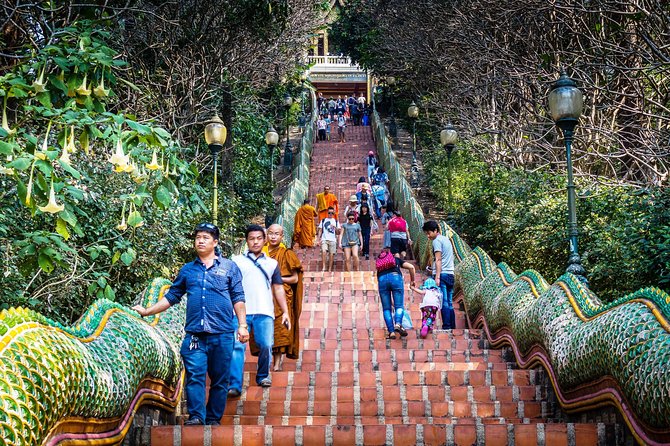
- Wat Phra That Doi Suthep’s 306 steps and the naga (dragon-headed serpent) staircase design
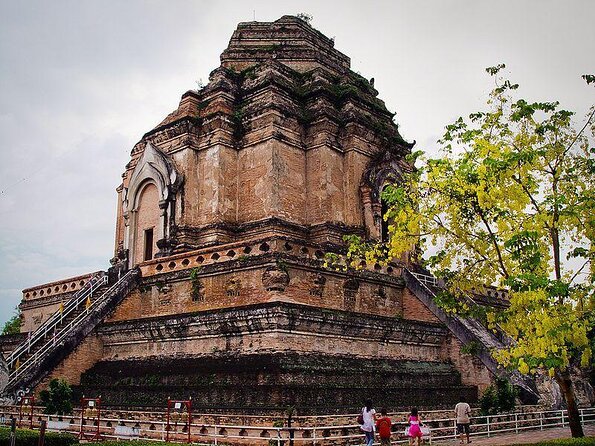
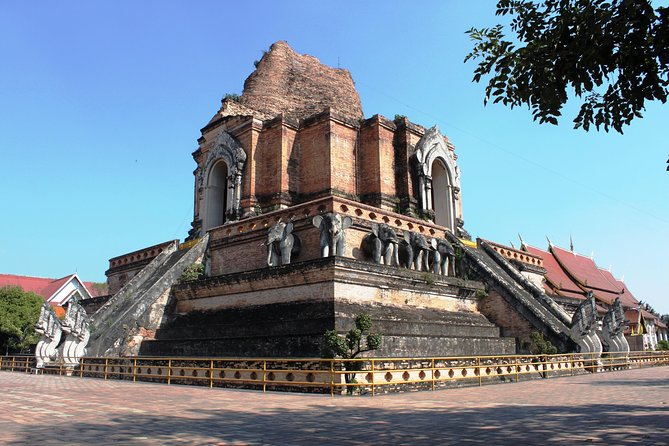
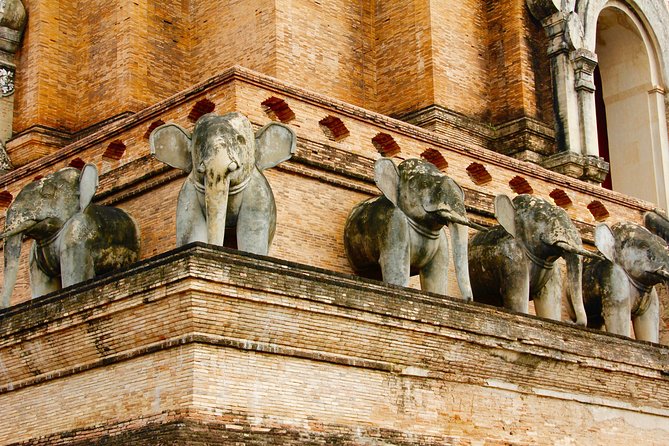
- Wat Chedi Luang Varavihara, including its towering 60-meter stupa and Emerald Buddha legacy
- Wat Phra Singh’s 1,500-year-old Buddha image and its role as a Lanna Kingdom religious center
- Wat Phan Tao, known for its teakwood ordination hall and classic Lanna details
- Small group size (max 15) with air-conditioned driving, so you’re not stuck in a huge crowd
A half-day Chiang Mai temples circuit, without the full-day slog
If you want the big-name temples of Chiang Mai without losing a whole day to traffic and logistics, this 4 hours 15 minutes format is a smart fit. You get a classic route, a professional English-speaking guide, and A/C transport between stops.
The best part is that it’s not just a door-to-door temple checklist. The guide helps you connect what you see, from temple architecture to the stories tied to sacred images.
The route also includes a market stop. That means you get one foot in history and one in modern Chiang Mai, which is how I like my travel days to feel.
More Chiang Mai temple visits, food walks, elephant experiences, mountain trips, and northern Thailand day tours to compare


Wat Phra That Doi Suthep: the stair climb with the best payoff
Doi Suthep is the headliner. You drive up the winding mountain road, then you finish with the famous staircase of 306 steps designed as a naga, meaning dragon-headed serpent.
It’s a workout, but it’s also part of the experience. You’re moving upward in a way that’s meant to feel ceremonial, and once you’re on the temple grounds, the effort makes sense fast.
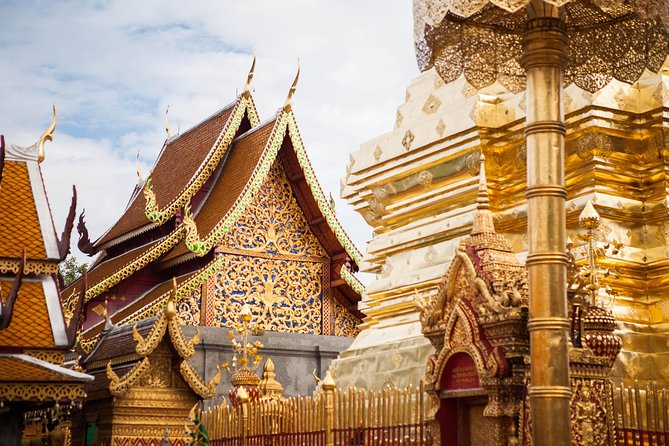
Inside the temple area, you’ll find a copper-plated chedi topped with a five-tiered gold umbrella. That top section is linked to beliefs about partial relics of Lord Buddha.
The views are the other reason people come. On clear days, you get commanding sightlines over Chiang Mai, which is the kind of payoff that makes the whole morning or afternoon feel like it actually “started” somewhere.
Practical note: if it’s hot or humid, take it slow on the climb and keep water handy. Even with the A/C van, you’re outdoors here for the steps and the photos.
Wat Chedi Luang Varavihara: a 60-meter tower that anchors the city
After descending from the mountain, the tour keeps rolling toward the heart of Chiang Mai. You’ll head to Wat Chedi Luang Varavihara, known as the revered home of the Emerald Buddha.
One detail that helps you visualize the scale is the stupa size. It towers about 60 meters (196 feet) high, so even if you’ve seen temple photos before, seeing the structure in person hits differently.
This is also a temple where the architecture and layout are the lesson. You’re not just looking at a single object, you’re walking through the grounds and seeing how the space supports worship and ceremonies.
A drawback to expect: like most central temples, it can get busy around certain times. If you’re sensitive to crowds, plan your photo moments and let the guide set the pace so you’re not constantly waiting.
Wat Phra Singh: 1,500-year-old Buddha imagery and Lanna pride
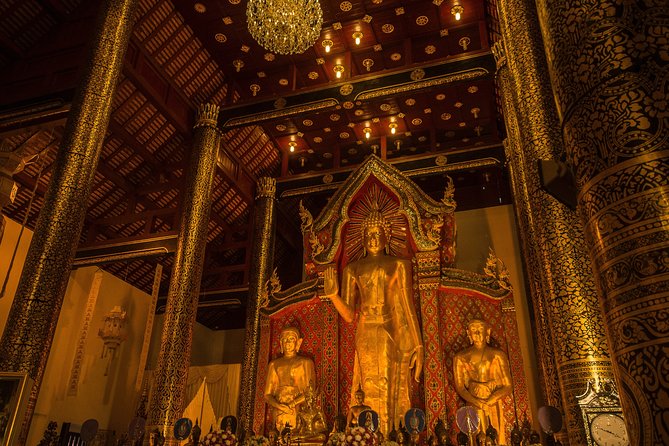
Next comes Wat Phra Singh, often described as the Temple of the Lion Lord. It’s tied to the Lanna Kingdom, and it played a major role as a principal religious center.
The focal point here is a sacred Buddha image believed to be around 1,500 years old. That alone gives the visit weight, but the reason it matters is how it shapes the whole complex.
You’ll notice the site is made up of several buildings with different styles and art details. The guide’s job is to point out what those differences mean, so you don’t miss the “why” behind the design.
If you like temples where you can keep noticing new architectural details for a full stop, this is one of the best fits on the route. You can treat it like a slow walk instead of a quick photo mission.
Wat Phan Tao: the teakwood ordination hall that feels different
Some temple visits blur together. Wat Phan Tao helps you avoid that.
This stop is known for its Lanna-style ordination hall built entirely from teakwood. It’s also one of the few remaining all-wood structures of its kind in Chiang Mai.
What I like about this kind of stop is that it reminds you temples are not all stone and gold. Wood craftsmanship matters here, and it’s the kind of detail you can appreciate once someone explains what you’re looking at.
It’s also a nice tempo change after the big iconic sites. You still get sacred spaces, but the focus shifts toward material and workmanship.




Warorot Market (Kad Luang): a real-life pulse between temples
The last stop is the Warorot Market area, also known as Kad Luang. It’s one of the biggest city markets and a classic place to see how Chiang Mai shops, eats, and moves day to day.
The tour keeps this portion shorter, about 45 minutes, which is the right length if you’re not trying to turn a market into a second half-day of shopping. You can browse, grab a quick snack if you want, and still make it back feeling like you completed the full circuit.
Wet market sections can be part of what you’ll see, so expect sensory chaos: smells, colors, and lots of action. If you’re going for photos, aim for corners and doorway frames, and keep your phone protected from heat and humidity.
If you’re the type who wants to buy something, this is a logical place. If you’re not, you’ll still get value by seeing how the city looks when it’s not staged for tourists.
Timing and transport: what the 4 hours 15 minutes actually feels like
You can depart in the morning or afternoon from downtown Chiang Mai hotels. The time of day matters because Doi Suthep’s views are best when the sky is clear, and temples are always hotter than you think.
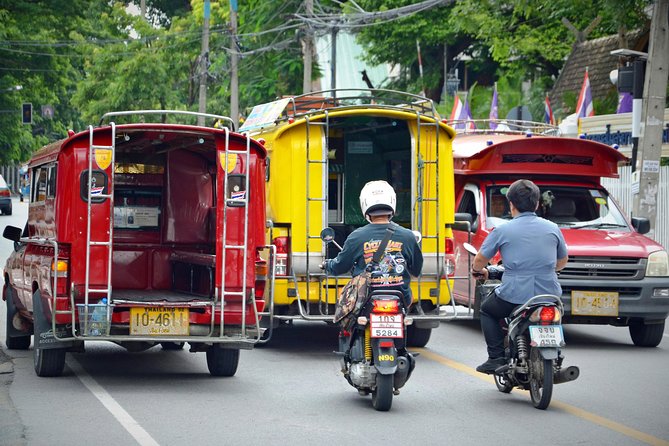
Transport is in a comfortable air-conditioned vehicle with a professional driver. That matters because Chiang Mai traffic and distances can make “half-day” tours feel longer than they should.
Group size is capped at 15 travelers. That’s a big deal for pacing. You can actually stop, look, and ask questions without feeling swallowed by a busload of people.
Also, you’re likely to do some walking between stops. It’s not a strenuous hike day, but your shoes and your tolerance for stairs at Doi Suthep still matter.
Private vs shared: choose your style of temple time
You can book this tour either shared (seat-in-coach) or private.
Shared tours are guided in English and typically run with a set structure. Private tours are better if you want flexibility, slower pacing, or you’d like your questions answered in a deeper way without timing pressure.
One nice touch is that the private option includes a personal guide. That’s especially helpful at temples, where it’s easy to feel like you’re staring at carvings and hoping someone explains them correctly.
If you’re traveling as a couple, a family, or you just prefer a quieter vibe, the private option is often the smoother way to experience the sites.
Temple etiquette you’ll want to know before you go
Temple visits in Thailand come with rules, and the tour sets you up for success by pointing them out along the way.
You’ll need to take off shoes for certain sites. Your guide will tell you in advance where shoe removal applies.
Also follow the dress code. Royal temples and palaces have strict expectations, so plan on clothing that covers shoulders and falls below the knees. Bright or disrespectful prints can lead to refusal of entry, so keep your outfits simple.
A practical packing list for this itinerary is less about fashion and more about comfort. Bring sunglasses, a hat, and sunscreen with high SPF. Even when it’s cloudy, the sun can still hit hard at elevation and in open temple courtyards.
And if you’re using a camera or phone, keep them protected. Humidity and outdoor conditions can be tough on electronics.
Price and value: why $66.20 can be a good deal
At $66.20 per person, this tour is priced like a mid-range “pay for convenience” experience. The value comes from what’s bundled.
You get a professional English-speaking guide, air-conditioned transport, and the entrance fees for the visits included in the route, plus applicable taxes and service charges. That matters because temple entry fees and getting between sites on your own can add up fast, especially if you’re trying to save time.
Also, you’re getting multiple major stops in one coherent flow. That’s not just about seeing more things, it’s about not wasting your Chiang Mai time figuring out routes, timings, and what each temple is actually about.
If you like to travel with a plan but still want the option to stop and look closely, this price point usually feels fair.
Who should book this tour (and who might want a different plan)
This tour fits best if you want a focused introduction to Chiang Mai’s most famous temple sites. It’s also a strong choice if you appreciate context, since the guide helps you understand what you’re seeing beyond surface-level sightseeing.
It can also work well for many travelers because it’s described as suitable for most people. Still, remember Doi Suthep includes that 306-step climb, so consider your comfort with stairs.
If you’re the kind of traveler who wants to wander slowly on your own, you might prefer a self-guided day plus a couple of guides for specific temples. But if you want to maximize learning in a half day, this structure helps you get answers without stopping to research.
If you hate markets or get overwhelmed by crowds and sensory input, the Warorot Market stop might be less appealing. You can treat it as a quick look and skip heavy browsing.
Should you book the Iconic Half-Day Landmarks and Temples of Chiang Mai?
I’d book this tour if your goal is to hit Doi Suthep, Wat Chedi Luang, and the Lanna temples in one tight day, with transport handled and a guide who makes the sites readable. The small group size up to 15 and the mix of temples plus Warorot Market feel like a practical “first trip” template.
Skip it or choose another plan if you’re not comfortable with stairs, you’re not willing to follow temple dress rules, or you want a completely flexible itinerary. The route is set for a reason, and you’ll feel that structure.
Overall, this is a good value way to get the highlights of Chiang Mai’s sacred side without turning your day into a logistics project.
FAQ
Which temples and stops are included?
You visit Wat Phra That Doi Suthep, Wat Chedi Luang Varavihara, and Wat Phra Singh, and you also include Wat Phan Tao and a stop at Warorot Market (Kad Luang).
How long is the tour?
The tour is about 4 hours 15 minutes.
Is there a private option?
Yes. You can choose between a shared (seat-in-coach) tour or a private tour.
Does the tour include an air-conditioned vehicle?
Yes. Transportation is by a comfortable air-conditioned vehicle with a professional driver.
Are entrance fees included?
Yes. Entrance fees for the visits described in the tour are included.
Is hotel pickup available?
Pickup is offered in downtown Chiang Mai areas, with transfers limited to main hotels. Resorts and areas outside the central business district may require a supplement.
Do I need to dress a certain way?
Yes. For royal temples and palaces, you need clothing that covers shoulders and falls below the knees. Avoid obscene or disrespectful prints, and very brightly colored clothing may lead to refusal of entry.
What if the weather is bad?
This tour requires good weather. If it’s canceled due to poor weather, you’ll be offered another date or a full refund.
What can I do about cancellation changes?
You can cancel for a full refund up to 24 hours in advance of the experience start time. If you cancel less than 24 hours before, the amount paid is not refunded.
More Half-Day in Chiang Mai


More Tour Reviews in Chiang Mai

Not for you? Here's more nearby things to do in Chiang Mai we have reviewed




Chiang Mai Day Tours, compared.
 ★ 5.0Half-Day Thai Cooking Class at Organic Farm in Chiang MaiFrom $2919,087 reviews
 ★ 4.8Elephant Sanctuary Feeding Program Half-Day TourFrom $274,527 reviews
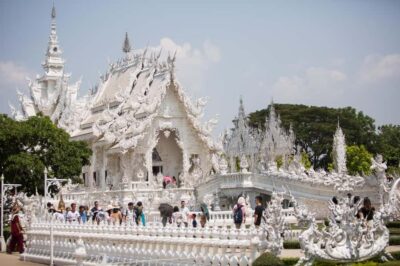 ★ 4.6Chiang Rai White Temple and Blue Temple Day TourFrom $273,366 reviews
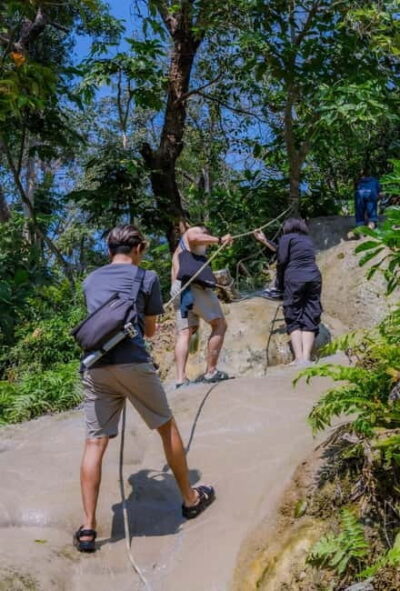 ★ 4.8Sticky Waterfall & Angel Waterfall Park Day TourFrom $411,371 reviews
 ★ 5.0Full Day Thai Cooking at Farm (Chiang Mai)From $391,127 reviews
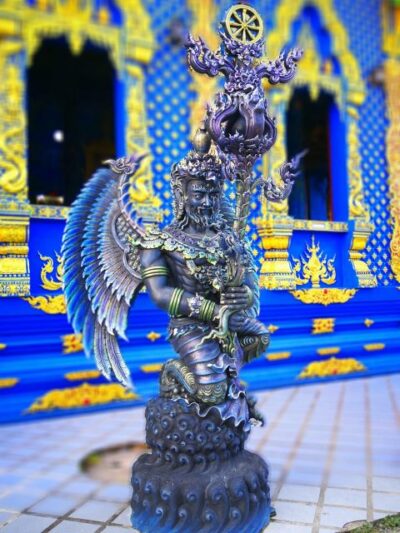 ★ 4.5Chiang Rai’s Temples Exploration Day TripFrom $51871 reviews
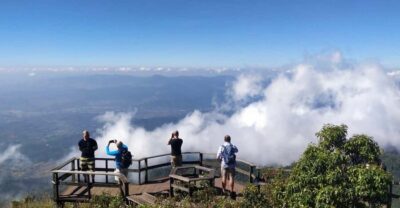 ★ 4.7Doi Inthanon Park with Kew Mae Pan Hike Day TripFrom $62841 reviews
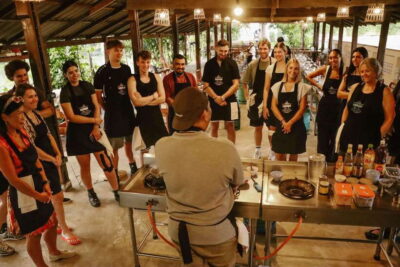 ★ 4.9HALF-DAY COOKING COURSE at a Thai Cooking FarmFrom $28705 reviews
Browse the lists this tour appears in