
REVIEW · CHIANG MAI COOKING CLASSES
Chiang Mai : Traditional Northern Cooking Class
Northern Thai cooking hits different. It is hands-on, family-style, and focused on the North, not generic Thai food. I especially like the small group limit and the chance to learn Northern staples like sticky rice, khao soi, and homemade chili sauce. One thing to consider: it is a 3-hour class, so you will be moving through several dishes without much extra time for slow wandering.
You also get a real sense of how Northern flavors work together. The food is built from aromatics and spice, then shaped into iconic dishes with specific textures, like silky noodles in khao soi and the right bite for sticky rice. A possible drawback is that this is a hands-on cooking session, so if you want a relaxed, sit-and-watch experience, you may find it a bit active.
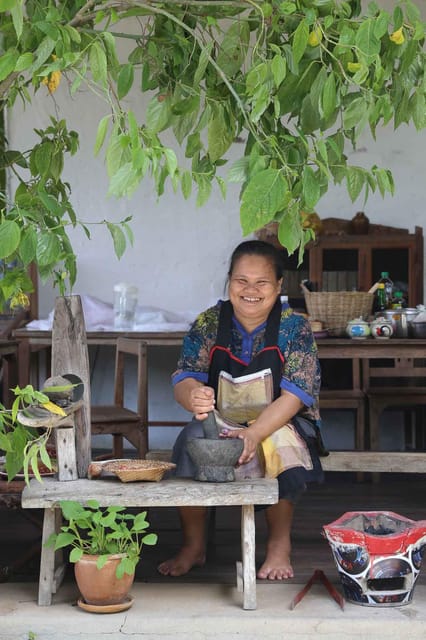
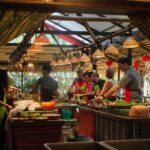
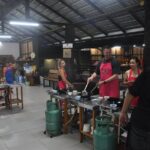
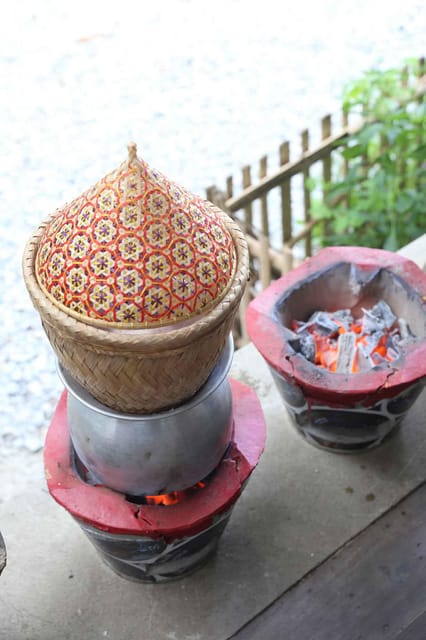
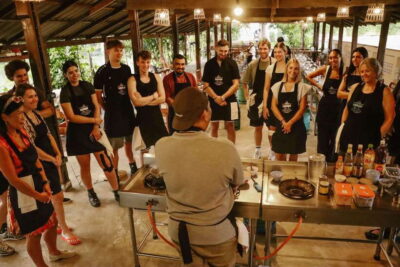
The vibe feels down to earth, with serious cooking at a practical pace. Reviews mention charcoal fire cooking on a porch setup, fresh ingredients, and instruction in English and Thai. If you are hungry for something more authentic than a quick tourist demo, this is a strong fit.
Key highlights that make this class worth your time
- Sticky rice mastery, with the texture and flavor tuned for Northern expectations
- Northern curry techniques, built from spice and method, not shortcuts
- Khao soi creation, learning the balance of noodles, sauce, and toppings
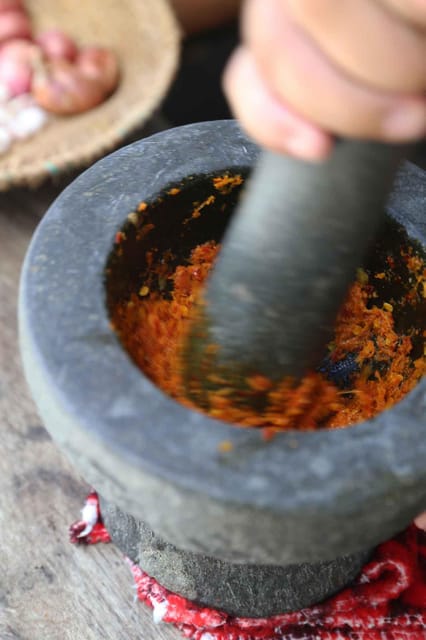
- Homemade chili sauce, where heat meets flavor in a usable recipe
- Grilled egg on banana leaf, a distinctly Northern way to cook with natural materials
Northern cooking in Chiang Mai: what you are really learning
Chiang Mai is famous for food, but most people only scratch the surface. This class zooms in on Northern Thai cooking, where flavors can feel sharper, richer, and more focused than the Thai dishes you might already know from Bangkok or street menus.
What I like about the approach is how it teaches building blocks. You are not just making one dish. You learn sticky rice, a Northern curry, khao soi, chili sauce, and grilled egg on banana leaf. That matters because Northern cuisine is about how components work together, not just one standout plate.
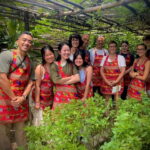
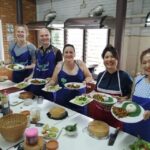
Also, the small group cap of 10 changes the whole experience. You can ask questions, get feedback, and actually handle ingredients instead of waiting your turn. One review described the feeling as welcome and happy from the start, with family-like instruction. That kind of atmosphere is often the difference between a good class and a memorable one.
Finally, you get instruction in English and Thai. That is practical for most visitors. Even if you only follow part of the explanation, the method is still taught through doing.
You can also read our reviews of more cooking classes in Chiang Mai
Price and value: is $38 fair for a 3-hour Northern class?
At $38 per person for a 3-hour class, you are paying for something more than a ticket to watch cooking. You are paying for guided technique, ingredients, and the structured chance to make and taste multiple Northern dishes.
In value terms, here is what stands out:
- You work through several iconic dishes, not one.
- You learn a sauce component, homemade chili sauce, which is usually the part people struggle to replicate later.
- You get at least one distinctive cooking method, grilled egg on banana leaf.
That makes it fairly good value for a half-day slot, especially if your Chiang Mai itinerary is already heavy. Food classes are often worth it when they teach you something you can reproduce at home. The menu here leans toward exactly those transferable items: sticky rice texture, curry and chili balance, and the method behind khao soi.
Meet the instructors and the “family kitchen” feel
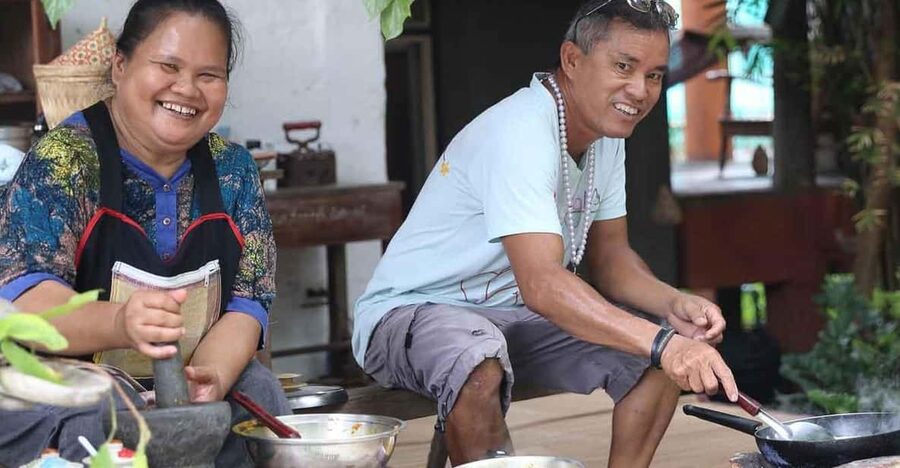
The provider listed for this experience is Baannoi Nornmuan. Based on the way the class is described, the instruction style feels personal and down to earth.
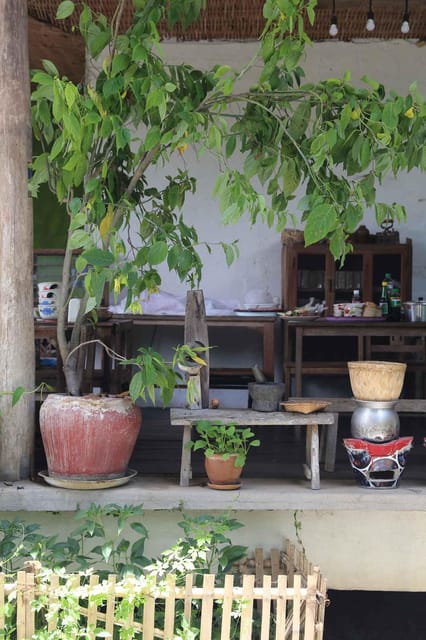
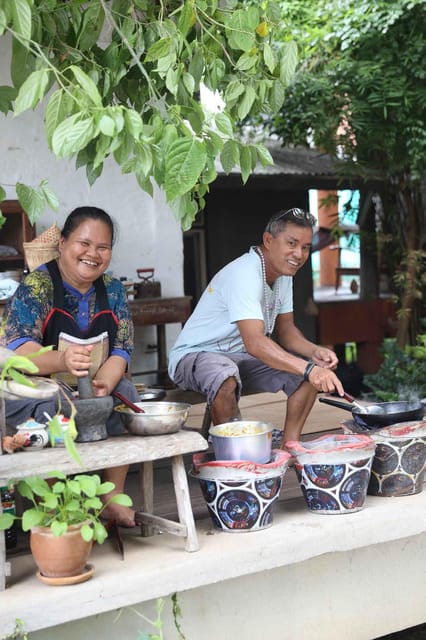
Some reviews mention that the session felt like it was taken by family members, cooking on charcoal fire, on a porch, using real ingredients and herbs. That does not mean it is rustic in an uncomfortable way. It means you are more likely to get actual technique and specific guidance instead of a polished, scripted performance.
In practice, this kind of teaching works best when you are willing to participate. If you ask simple questions, you will get more than a quick nod. The format supports back-and-forth, which is what you want if you care about why things taste the way they do.
Course breakdown: sticky rice, curry, khao soi, chili sauce, banana-leaf egg
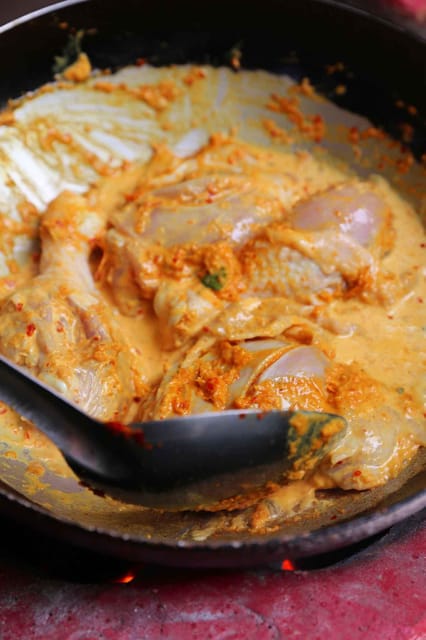
The class is structured around Northern cooking highlights. Here is how each part helps you understand the cuisine, and what to watch for while you cook.
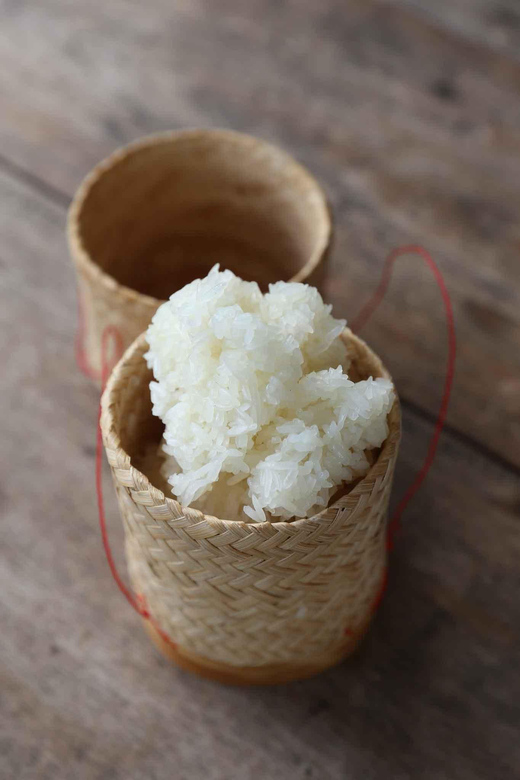
Sticky rice mastery for Northern flavor and texture
Sticky rice is a Northern staple, and it is not just a side dish. It is part of how meals are built, and it changes the way you experience curry and sauces.
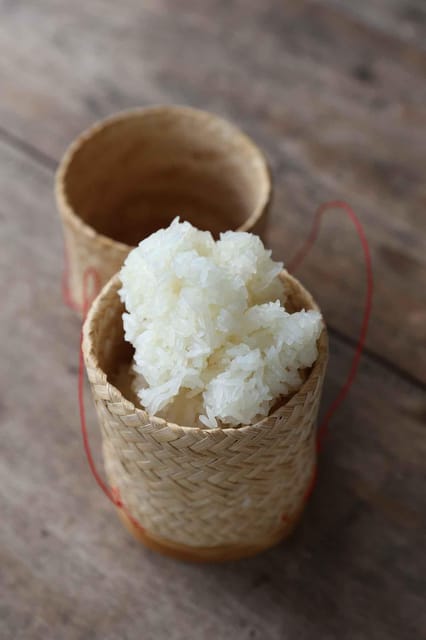
In class, you will learn the basics of preparing sticky rice, focusing on getting the right texture and flavor. The key thing to understand is that sticky rice is all about consistency. Too wet or too firm changes how it sticks and how it carries flavor.
When you are making it, pay attention to the steps that seem small but matter: how you handle the rice before cooking, how you treat timing, and how you judge doneness. This is one of those lessons that can pay off long after Chiang Mai, because sticky rice is common across Thailand, Laos, and Northern-style meals.
More Chiang Mai temple visits, food walks, elephant experiences, mountain trips, and northern Thailand day tours to compare

Northern curry expertise, with pork and Northern spice logic
Next comes Northern curry expertise, paired with pork on the menu. Northern curries are often built with aromatics and spices that create a deep base. The technique matters as much as the ingredients.
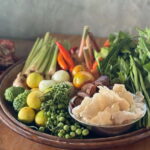
As you cook, focus on the process you are being guided through, not just the final look. Reviews mention ingredients being fresh and ready for you to use, which usually helps you stay on track. If the class explains what to add and when, take notes mentally. Later, when you try to recreate the curry at home, that order is often what saves the dish.
Also, if you enjoy curry, this is a good chance to separate Northern curry from the idea of curry as one generic flavor category. You are learning the local style.
Khao soi with chicken: learning the noodle and sauce balance
Khao soi is probably the dish most people have heard of. The real win is learning how its parts work together.
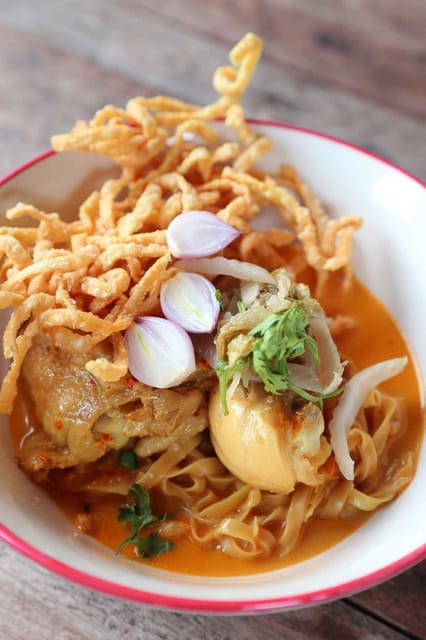
In this class, you will be making khao soi with chicken, described as a traditional noodle soup. The highlight here is the combination of silky noodles with a harmonious blend of spices and textures.
What to watch for while you cook:
- How the noodles are treated so they stay the right kind of soft.
- How the spice base becomes a sauce with body.
- How the final assembly gives you that mix of textures in one bowl.
If you want a souvenir you can eat again in your kitchen later, take extra attention to the seasoning logic and the sauce consistency. Khao soi is not just about flavor, it is about structure.
Homemade chili sauce: heat plus balance, not just spice
Many people love chili sauce, but most do not realize how much flavor balance is involved. This class includes homemade chili sauce with pork, which gives you a practical reason to care about balance. You are cooking a sauce that must work with rice, curry, or noodle soup flavors.
The highlight is learning the art of making chili sauce, and understanding the balance of flavors crucial in Northern cuisine. That means you should pay attention to how you adjust the mix, especially in terms of heat level and overall taste balance.
One review described the overall experience as authentic and fun, with kindness and a lot of warmth. When a class does homemade sauces well, it often explains the adjustments you can make when your chili is hotter or milder than expected.
Grilled eggs on banana leaf: a Northern technique with smoky character
The final highlight is a unique technique: grilled chicken egg on banana leaf. Banana leaf is used as a cooking aid and aroma layer. When you grill with it, you tend to get a smoky, earthy note that plain pan-frying does not.
This is the kind of lesson that makes the class feel distinct from a generic Thai cooking course. You are learning a method, not just a recipe. If you like the idea of bringing a Northern technique into your home cooking, this is your best chance to learn how banana leaf changes the flavor and smell.
It also keeps the class exciting at the end, so your last steps feel memorable instead of rushed.
Group size, pacing, and languages: how this affects your comfort
This is a small group limited to 10 participants, and that is a big part of the appeal. In a class that covers multiple dishes, small numbers help you stay involved. You are more likely to get direct help when you hit a snag.
The instructor language is listed as English and Thai. That helps you follow along even if your Thai is minimal. Still, cooking is visual. You will likely understand more than you think just by watching and doing, especially for sticky rice texture and assembly steps for khao soi.
Duration is 3 hours. That is enough time to learn multiple dishes without dragging into an all-day schedule. It is also a reminder to show up ready to cook, not hungry only in the sense of being late. You want a clear head so you can remember what the class emphasizes.
What to eat, what to remember, and how to make the recipes stick
Even if you come in with zero cooking confidence, the value here is that you go home with “muscle memory.” That is the difference between reading a recipe and actually understanding technique.
To make the most of the class:
- Focus on one or two key steps per dish. Example: sticky rice texture, curry method timing, or chili sauce balance.
- Ask questions when something feels off. The atmosphere described in reviews suggests you can do that without feeling awkward.
- If you taste as you go, pay attention to what you think is missing. Then connect that to what you were taught.
In terms of what you will likely take away, it is these core Northern flavor ideas:
- Sticky rice is a texture foundation.
- Northern curry is about spice base and method.
- Khao soi is about noodle and sauce balance.
- Chili sauce is about heat plus overall harmony.
- Banana leaf grilling adds a specific smoky aroma.
That set of lessons can turn into several future meals, not just one.
Is it authentic? Yes, but here is what that really means for you
When people say something is authentic, it can become vague. Here, authenticity is practical.
You are cooking Northern dishes that are recognizable and specific: curry, khao soi, chili sauce, sticky rice, and banana-leaf grilled egg. You are learning techniques tied to the region, like grilled eggs on banana leaf and the sticky rice approach that Northern meals depend on.
Also, reviews mention real ingredients and herbs, charcoal fire cooking, and a family-style feel. That usually means you are getting guidance that is used repeatedly in real kitchens, not just a one-off demo.
One more authenticity clue is the tone described: kind, professional staff, very well organized, and genuinely friendly. Authentic food experiences often feel welcoming because the food is treated with care.
Who should book this Chiang Mai Northern cooking class
This is a great match if you:
- Love Northern Thai food and want to go deeper than ordering a bowl or plate.
- Prefer small group learning, where you can ask questions.
- Want a short, focused 3-hour activity that still feels substantial.
- Like hands-on classes where you leave with repeatable skills.
It might be less ideal if you:
- Want a passive experience where you watch mostly.
- Are sensitive to heat and spice, since chili sauce is part of the menu.
- Are looking for a broader tour with lots of sightseeing stops. This is specifically cooking focused.
Should you book it? My practical call
If you are choosing between a generic Thai cooking class and one centered on Chiang Mai and Northern staples, I think this one is the better bet. The menu is cohesive, the group is small, and the class includes techniques that actually differentiate Northern cuisine: sticky rice texture, khao soi noodle and sauce structure, homemade chili balance, and banana-leaf grilling.
Book it if you want to come home with real knowledge, not just photos. If you are on a tight schedule in Chiang Mai, the 3-hour format is also a smart way to get a high-value experience without eating up your whole day.
If your priority is purely a cooking show vibe, you might feel you want more watching time. But if you like to get your hands in the food, this class should fit your travel style well.
FAQ
What is the price of the Chiang Mai Traditional Northern Cooking Class?
The price is $38 per person.
How long is the cooking class?
The class duration is 3 hours.
What dishes are included in the menu?
The menu includes sticky rice, Northern curry with pork, khao soi with chicken, chili sauce with pork, and grilled chicken egg on banana leaf.
Is the class taught in English?
Yes. Instruction is available in English and Thai.
How big is the class group?
It is a small group limited to 10 participants.
Is the class wheelchair accessible?
Yes, wheelchair accessibility is listed.
Are there different starting times?
The duration is fixed at 3 hours, and you should check availability to see starting times.
Is free cancellation available?
Yes, you can cancel up to 24 hours in advance for a full refund.
Can I reserve now and pay later?
Yes, reserve now and pay later is available, so you can book your spot and pay nothing today.
Who provides the experience?
The experience provider is Baannoi Nornmuan.
More Workshops & Classes in Chiang Mai
More Cooking Classes in Chiang Mai
More Tour Reviews in Chiang Mai




Not for you? Here's more nearby things to do in Chiang Mai we have reviewed







Chiang Mai Cooking Classes, compared.
 ★ 5.0Half-Day Thai Cooking Class at Organic Farm in Chiang MaiFrom $2919,087 reviews
 ★ 4.9Cooking Class, Market & Thai Herbs Garden TourFrom $314,824 reviews
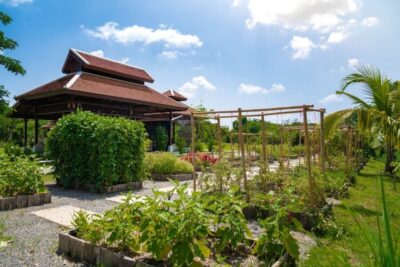 ★ 4.9Authentic Cooking Class with Market & Farm VisitFrom $344,546 reviews
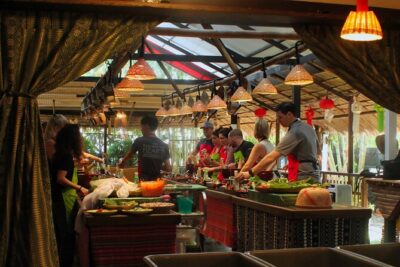 ★ 5.0Thai and Akha Cooking Class in Chiang MaiFrom $424,358 reviews
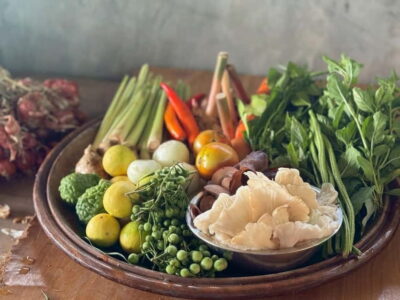 ★ 4.9Cooking Class with Market and PickupFrom $251,365 reviews
 ★ 4.9Cooking Class with Organic Farm at Mama NoiFrom $321,151 reviews
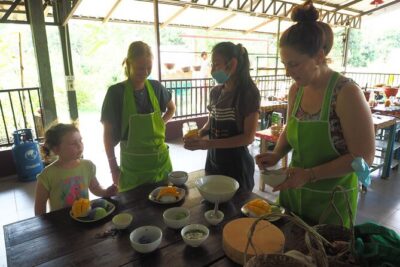 ★ 5.0Full Day Thai Cooking at Farm (Chiang Mai)From $391,127 reviews
 ★ 4.9HALF-DAY COOKING COURSE at a Thai Cooking FarmFrom $28705 reviews
Browse the lists this tour appears in