
REVIEW · CHIANG MAI DAY TOURS
Half Day Traditional Handicraft Craftsmanship Tour from Chiang Mai
Four hours, ten crafts, and real hands-on skill. This half-day tour takes you along San Kamphaeng Road and into Bo Sang Umbrella Village, where you can see Thai makers work with silk, wood, and Saa-paper umbrellas. I like the small group (max 10) and the door-to-door hotel transfers because it keeps the day calm and easy. I also like that the focus is on seeing processes, not chasing you into buying. A possible drawback: you will still pass through factory showrooms and you’ll have chances to shop, so if you dislike retail, go in with a clear plan and limits.
The tour runs about 4 hours and starts at 8:00 am, using an air-conditioned vehicle. You’ll visit workshops along the handicraft road, tour Baan Jang Nak (elephant wood carvings), then finish in the umbrella district for a little extra strolling time. If you’re short on time in Chiang Mai but want more than a quick market browse, this is a smart way to spend your morning.
Key Highlights You’ll Actually Care About
- San Kamphaeng Road craft stops in a tight, well-paced half-day schedule
- Hand weaving and umbrella making you can watch step by step, not just see finished products
- Max 10 travelers means your guide can answer questions without rushing
- Free admissions are listed for every main stop on the route
- Central hotel pickup is included within about a 3 km radius, with a clear surcharge if you’re farther out
San Kamphaeng Road: Chiang Mai’s Craft Highway, Without the Chaos
San Kamphaeng Road is where Chiang Mai quietly earns its reputation for Thai craftsmanship. In practice, that means your morning starts with a short drive to the Sankampaeng district and then you’re set loose on the “craft highway” route, where workshops and factories are lined up close enough that you can see how many different crafts share the same neighborhood.
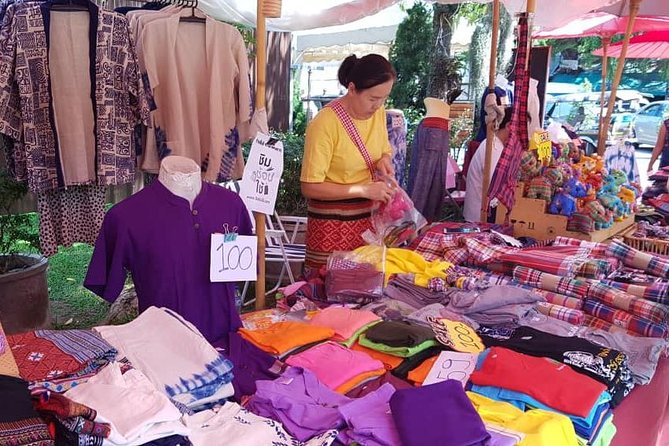
The first craft stop is the San Kamphaeng Saturday walking street market. Even if you are not a market person, this is useful because it’s not just stalls. You get a chance to watch locals demonstrate hand silk weaving, using a generations-old method. That matters, because it turns silk from a souvenir into something you can picture being made: the time, the steps, and the precision it takes.
What I like here is the contrast between the casual street setup and the serious production behind it. You might see artisans working through their process while nearby shops display the results. If you’re curious, ask your guide what you’re looking at. If you’re not, you can still walk at your own pace and just enjoy the visuals.
One consideration: because this is a craft hub, it can feel “shop-heavy” at certain moments. You can handle that by focusing on observation first, shopping last. Look at materials, see how items are constructed, then decide if you want to bring anything home.
You can also read our reviews of more tours and experiences in Chiang Mai.



Hotel Pickup, Small Groups, and the 8:00 am Start
The logistics are part of the value of this tour. The day starts at 8:00 am, which helps you beat heat and crowds. You’ll ride in an air-conditioned vehicle, and the itinerary is kept compact, so you’re not spending your morning stuck in long transfers.
Group size is capped at 10 travelers, so you avoid the big-bus feel. That smaller group also makes the guide’s role more practical. When you can hear instructions and ask a question, you learn more than you would in a crowd that moves like a train.
Pickup is offered from selected central hotels, with free door-to-door pickup in the City Center Chiang Mai District area within about a 3 km radius. The tour also lists specific meeting options if your hotel is outside that pickup zone, including joining at McDonald’s at Chiang Mai Night Bazaar.
If your hotel is farther out, there’s an added 300 THB surcharge for pickup and drop-off in hotels outside the city centre, defined as outside the 5 km range from the 3 King Monument. The easiest move is to check your distance from that area early, so you’re not surprised on the day.
Practical tip: wear comfortable walking shoes. The tour stays focused on craft stops, but you’ll still be walking around districts, and you’ll feel it if your footwear is wrong.
Inside the San Kamphaeng Workshops: Silk, Detail, and Patience
At the San Kamphaeng segment, the big attraction is the chance to watch craft production and process. The tour is framed around the idea that this is the center of Thailand’s handicraft production, and you’ll move through workshops and factories where artisans demonstrate their work.
The silk weaving demonstration is the standout listed experience. What you should expect is a slower, more methodical pace than you’d see at a fast souvenir counter. The point is to see how detail is built in, not added later. You’ll likely notice how much manual coordination is required, and how a finished silk item is the end result of repeating small actions over and over.
If you like photography, this is a better place for it than many markets because there’s actual work happening. Just be mindful, ask before taking close-up shots, and keep your movements respectful. A workshop is not the same as a street show.
If you’re someone who buys crafts as gifts, this is also where you learn how to spot quality. Even without a technical background, you can use observation to compare: how the weave looks, how materials are handled, and how consistent the work appears.
A slight drawback: because silk and other crafts are often connected to sales, the tone can shift from demonstration to showroom. I’d suggest you treat that as a chance to ask questions about materials and methods. If you go in planning to observe first, you’ll enjoy the experience more and feel less “pushed.”
Baan Jang Nak: Elephant Wood Carvings and Factory Reality
Next comes Baan Jang Nak, described as a Museum of Elephant Wood Carvings. This stop is interesting because it sits between museum-style explanation and real-world production. You’re taken through a renowned wood and furniture factory and shown how the journey moves from raw material to finished pieces.
This matters if you care about craftsmanship rather than just finished items. The tour doesn’t just say wood carvings exist. It’s meant to show the processes that turn a block into something detailed, plus the way furniture and wood goods are manufactured in a factory setting.
At Baan Jang Nak, you’ll also see an exhibit displaying locally made items like native costumes, jewelry, and home novelties. That mix is handy. If you’re traveling with someone who wants variety, the stop gives more than one category to browse or photograph.
One thing to keep in mind: factories can feel more “structured” than the earlier silk segment. You may see more steps, more equipment, and more rules about where to stand. That’s not a bad thing. It often makes the craftsmanship feel more real, because you see the full workflow.
From a shopping perspective, this is where you might spot pieces with more complexity or stronger artistic identity. But you should still shop with your eyes open. Look at what’s being emphasized: carving depth, finish, and how the item was made. If you’re not sure, ask your guide.
A fun detail from a prior visit experience: the guide’s communication can really change how much you get out of a craft stop. One guide name mentioned is Ms Ooh Lala, and the way she connected guests to multiple business enterprises helped make the day feel like a craft journey rather than a single showroom visit. You might even run into examples of ceramic skills like celadon (throwing, glazing, and painting) depending on what the route has lined up that day.
Bo Sang Umbrella Village: From Saa-Paper to Finished Parasols
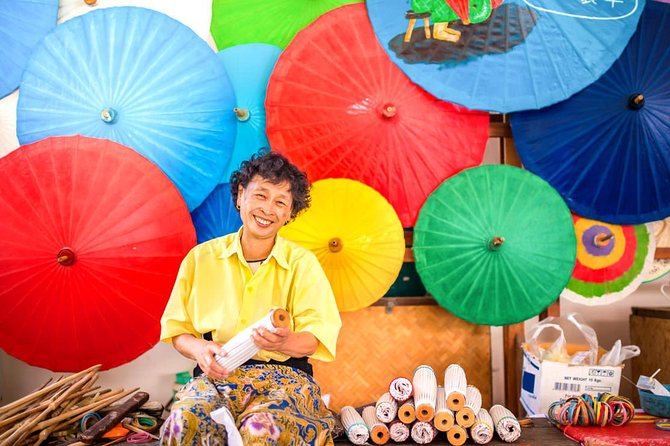
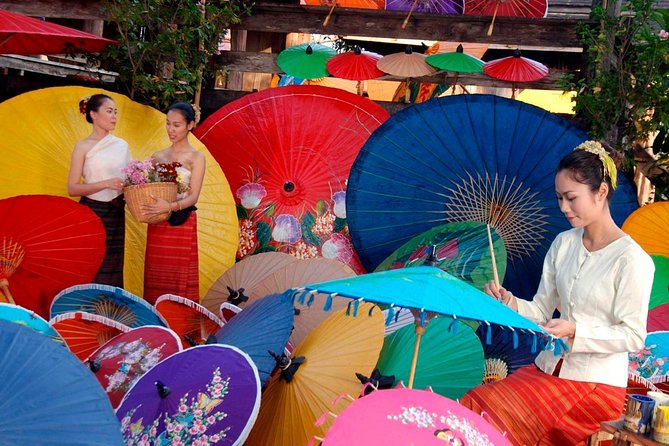
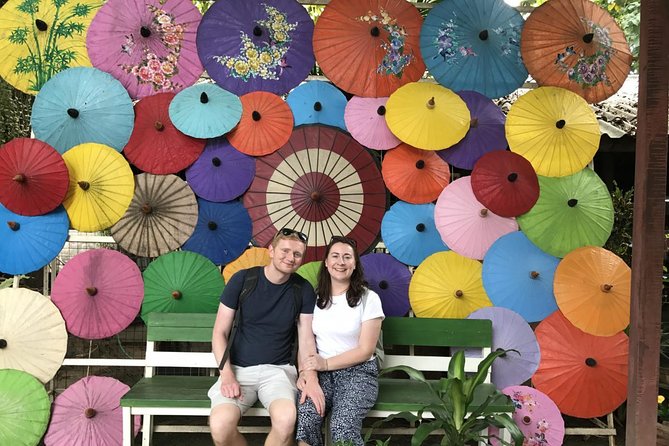
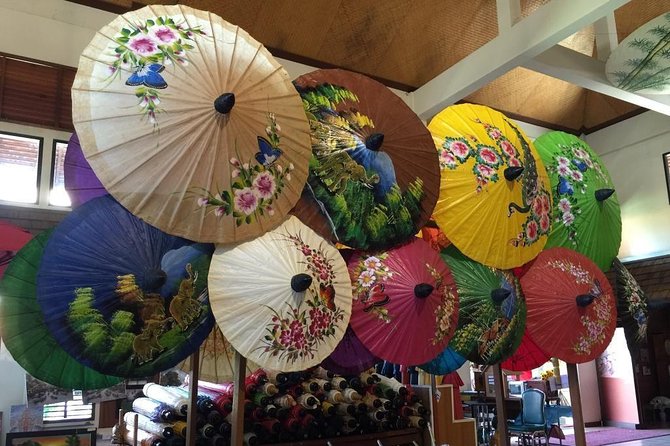
The final craft destination is Umbrella Village, also known as Bo Sang. This part of the tour focuses on the process of making the famous Saa-paper umbrellas from scratch.
If you only know umbrellas as something you buy, this stop will recalibrate that. Knowing that the materials start as Saa-paper and then become a functioning umbrella helps you appreciate the time and step-by-step work behind the final look. Even if you don’t catch every minute of every stage, you’ll usually see the transformation happen during the visit.
You’ll finish with time in the district to wander around and mingle with locals. This free wandering time is one of the best ways to keep the day feeling personal. You can slow down for pictures, observe what other craftspeople are doing nearby, and browse the shops at your own pace.
This is also where you’ll have your last, easiest souvenir window. The tour specifically notes that you should not miss the chance to purchase mementos before heading back to your hotel. If you do want to buy an umbrella, I’d treat this as your final check: compare sizes, designs, and how the finished product looks in person, not only in photos.
Possible drawback: umbrella villages can be very sales oriented. The tour is set up as a craftsmanship experience, but you’re still in a place where selling is part of the ecosystem. The smart move is to set a small shopping budget in your head before you arrive, so you’re choosing rather than reacting.


What You’re Learning About Thai Craftsmanship (And Why It’s Worth It)
The real value of this tour is how it trains your eyes. You’re not just collecting images of products. You’re learning to recognize craft as process.
On this route, you see multiple types of making, including:
- Hand weaving of silk, showing patience and precision
- Wood carving and production thinking, where steps matter from raw material to finishing
- Saa-paper umbrella making, where the transformation from material to finished shape is the main story
The tour also has a “guide in a small group” advantage. That’s important because it gives you context while you’re watching. You can ask what’s happening at each step. When the guide makes connections between different enterprises, the craft scene feels like an organized network of skills rather than random workshops.
One highlight from guide experience included the way the guide helped guests understand how different business enterprises keep old craft skills alive. That kind of framing is exactly what turns a factory visit into an experience with meaning. It’s also why this tour can feel like more than a simple shopping trip.
If you’re a person who enjoys buying thoughtful gifts, this learning makes your choices easier. You’ll understand why one item looks consistent, why another shows more careful detailing, and why handmade pieces carry effort you can actually see.
Price and Value: Is $65 Fair for a 4-Hour Craft Day?
At $65 per person for about 4 hours, this tour can be good value if you want the “guided craft route” experience without having to plan transport yourself.
Here’s what’s included:
- Guided tour to handicraft factories in the San Kamphaeng district
- Hotel pickup and drop-off (selected hotels)
- Air-conditioned vehicle
- A mobile ticket
And the itinerary lists admission tickets as free for the main stops. That removes a common travel annoyance, where you pay entry fees at each place and the day balloons in cost.
Where the cost can change is the pickup area. The tour includes free door-to-door pickup in the City Center area within about a 3 km radius, and a 300 THB surcharge applies outside the city centre range defined as beyond 5 km from the 3 King Monument. If you’re staying near the old city, Night Bazaar, or along key central roads, you’re likely fine. If you’re farther out, check before you go so you can budget correctly.
My take: if you’re paying for a morning with transport, a guide, and access to craft workshops in one run, $65 is a reasonable deal in Chiang Mai. If you’re already planning to visit all these places on your own and you don’t care about guidance, then the value depends on what you personally get out of the craft explanations.
Who Should Book This Craft Tour, and Who Might Skip It
This tour is a strong fit if you:
- Want to see Thai crafts in a focused half-day, not a full-day factory-and-shop marathon
- Like watching how items are made, silk weaving, carving, or umbrella production
- Prefer a small group with a guide who can answer questions
- Are staying in central Chiang Mai and want an easy pickup routine
It’s also good for families since children must be accompanied by an adult, and the tour is described as suitable for most travelers.
You might consider skipping or adjusting your expectations if you:
- Want mostly temple viewing or street culture instead of workshops and showrooms
- Hate shopping environments, even if the tour is positioned as not being pushy
- Want deep technical craft training, because this is framed as a sightseeing-style workshop tour, not a long class
Should You Book This Half-Day Traditional Handicraft Tour?
If you have one morning in Chiang Mai and you want a craft-focused plan that’s compact, guided, and easy to reach from central hotels, I’d book it. The combination of San Kamphaeng Road craft stops, a museum and factory stop at Baan Jang Nak, and the step-by-step Saa-paper umbrella making in Bo Sang is a logical triangle of skills.
Book it especially if you like process. This tour rewards you for paying attention. Look at hands at work, ask questions while you can, and treat shopping as optional, not the center of the day.
If you’re sensitive to retail environments, go in with a budget and a mindset of observation. You’ll still get a lot out of seeing silk weaving, wood carving workflow, and umbrella production, even if you end up buying nothing.
FAQ
How long is the tour?
The tour lasts about 4 hours.
What time does the tour start?
It starts at 8:00 am.
How much does it cost?
The price is $65.00 per person.
Is hotel pickup included?
Yes, hotel pickup and drop-off are included for selected hotels. Free door-to-door pickup is listed for the City Center Chiang Mai District area within about a 3 km radius.
Is there an extra charge for pickup outside the city centre?
Yes. A 300 THB surcharge applies for pick up and drop off in a hotel outside the city centre, described as outside 5 km from the 3 King Monument.
Are admission tickets included?
The tour lists admission tickets as free for the main stops.
What is the maximum group size?
The maximum group size is 10 travelers.
Can children join?
Children must be accompanied by an adult.
Is free cancellation available?
Yes. Free cancellation is offered, and you can cancel up to 24 hours in advance for a full refund.
More Tours in Chiang Mai



More Tour Reviews in Chiang Mai

Not for you? Here's more nearby things to do in Chiang Mai we have reviewed






Chiang Mai Day Tours, compared.
 ★ 5.0Half-Day Thai Cooking Class at Organic Farm in Chiang MaiFrom $2919,087 reviews
 ★ 4.8Elephant Sanctuary Feeding Program Half-Day TourFrom $274,527 reviews
 ★ 4.6Chiang Rai White Temple and Blue Temple Day TourFrom $273,366 reviews
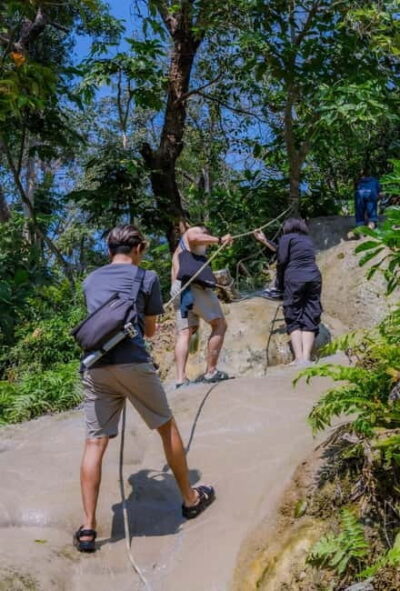 ★ 4.8Sticky Waterfall & Angel Waterfall Park Day TourFrom $411,371 reviews
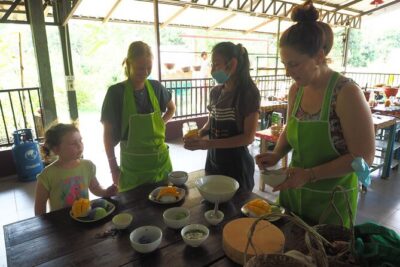 ★ 5.0Full Day Thai Cooking at Farm (Chiang Mai)From $391,127 reviews
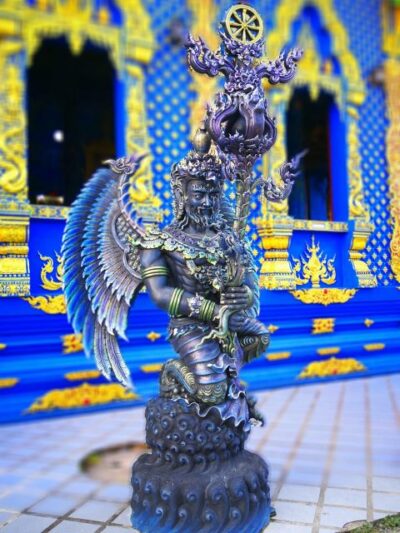 ★ 4.5Chiang Rai’s Temples Exploration Day TripFrom $51871 reviews
 ★ 4.7Doi Inthanon Park with Kew Mae Pan Hike Day TripFrom $62841 reviews
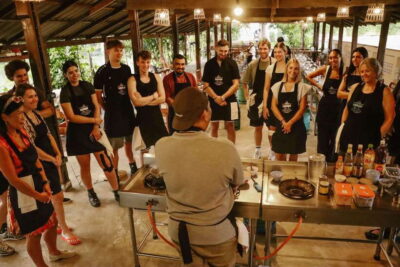 ★ 4.9HALF-DAY COOKING COURSE at a Thai Cooking FarmFrom $28705 reviews
Browse the lists this tour appears in