
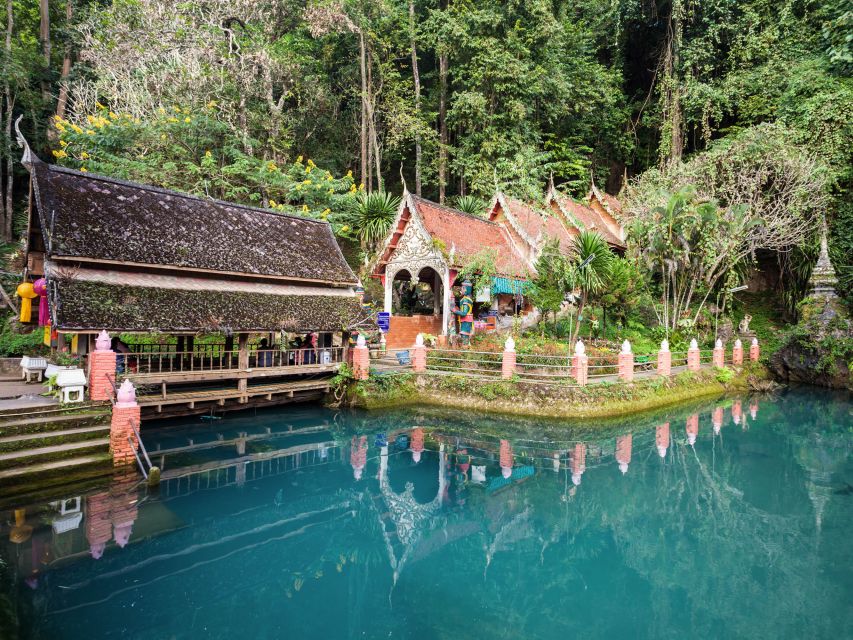
REVIEW · CHIANG MAI DAY TOURS
From Chiang Mai: Chiang Dao Cave Trekking Full-Day Tour
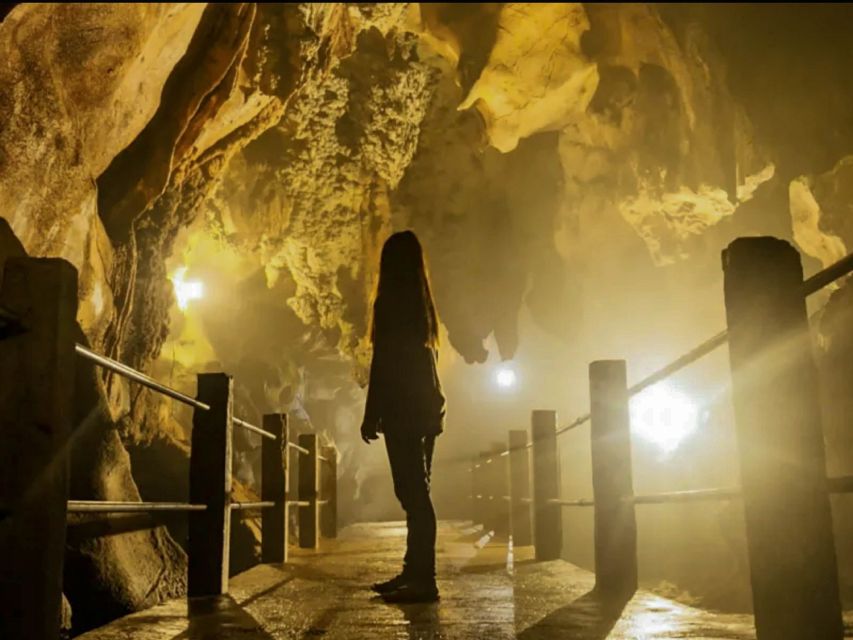
Cool caves and a climbable waterfall, one day. This full-day trip from Chiang Mai is built around Chiang Dao Cave, with five cavern halls packed with stalactites, Buddha statues, and even a 13-foot reclining Buddha, plus a separate option to go deeper with a lantern. I like the cool air and dramatic underground lighting inside the mountain, and I also like the small-group feel where guides can slow down for photos and questions. One thing to plan for, the cave route includes low spots and tight squeezes, so it is not ideal if you have mobility issues or claustrophobia.
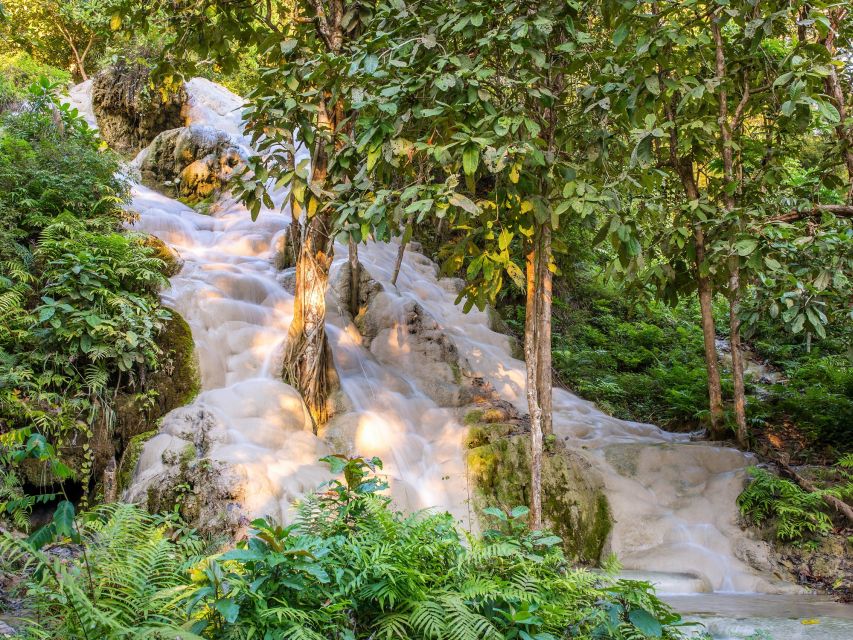
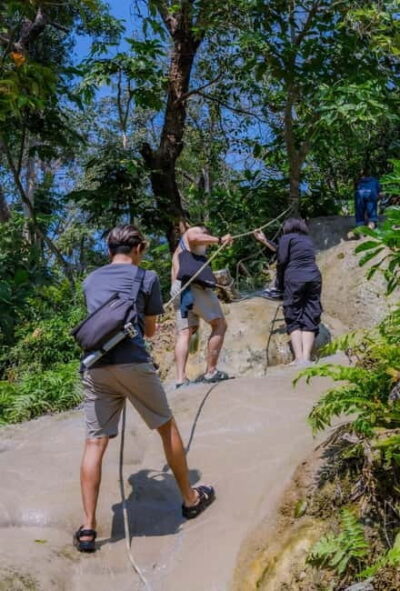
Outside the cave, you get the best Thailand-style payoff for the day: Bua Tong Sticky Waterfall, where mineral-sticky rock helps you climb upward with the help of a rope. I also appreciate the responsible approach here, including water in glass bottles and a carbon offset program that keeps the day trip from feeling wasteful.
Key things you will notice on this day trip
- Five interconnected cave caverns and a layout that stretches deep into the mountain (about seven miles total)
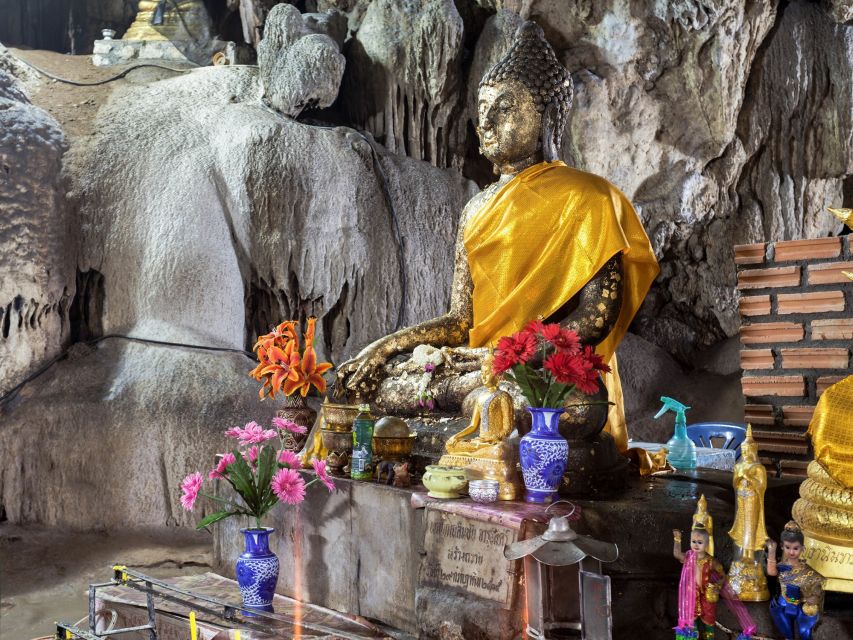
- Buddha details that feel real, including a row of five seated Buddhas in the first cavern and a huge reclining figure
- Optional deeper cave exploring with a lantern and local guide, typically paid on the spot in cash
- Sticky rock climbing at Bua Tong, with a safety rope and traction that makes an unusual waterfall walk possible
- Small groups of up to 9, and guides who manage timing so you do not feel rushed (I saw this reflected in guides like Art, Avi, and Nom)
Heading out from Chiang Mai: the drive, the pace, and why it matters
Pickup is from your hotel or registered accommodation in central Chiang Mai. From there, you transfer by air-conditioned van, and the ride to Chiang Dao takes about an hour. That might not sound like a lot, but it shapes the day. You get enough time underground and at the waterfall without turning the trip into a marathon.
This tour runs about 8 hours. The cave portion is long enough to feel like a real outing, not a quick stop. The waterfall stop then gives you that classic cool-down, plus a hands-on activity rather than just a viewpoint. You also pass Mae Malai Market along the way, which works as a light cultural punctuation mark without stealing time from the main highlights.
A small practical tip: I recommend keeping your day bag organized before you leave your hotel. You will be switching between cave essentials and then waterfall gear, and the less you dig around, the calmer the day feels.
You can also read our reviews of more hiking tours in Chiang Mai

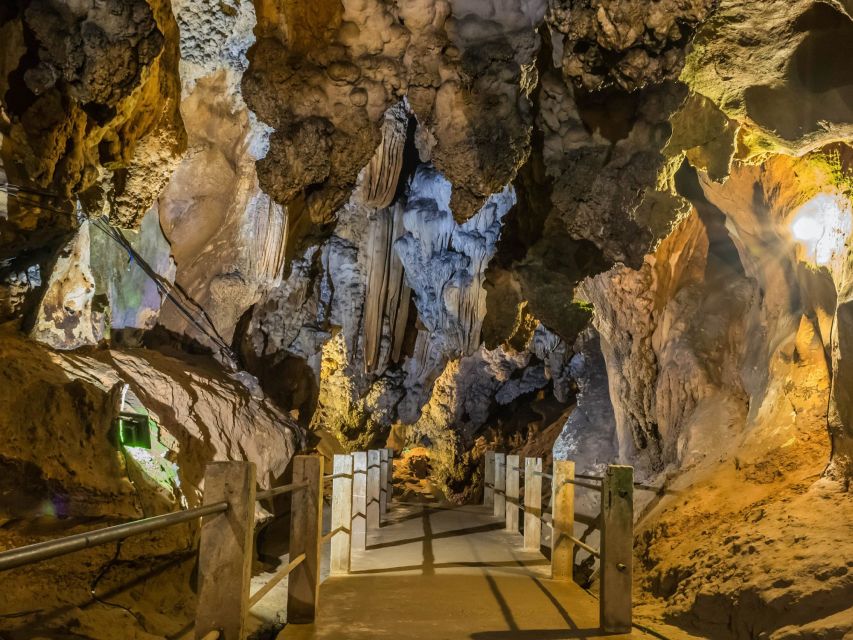
Chiang Dao Cave: five limestone caverns, Buddha shrines, and the lantern option
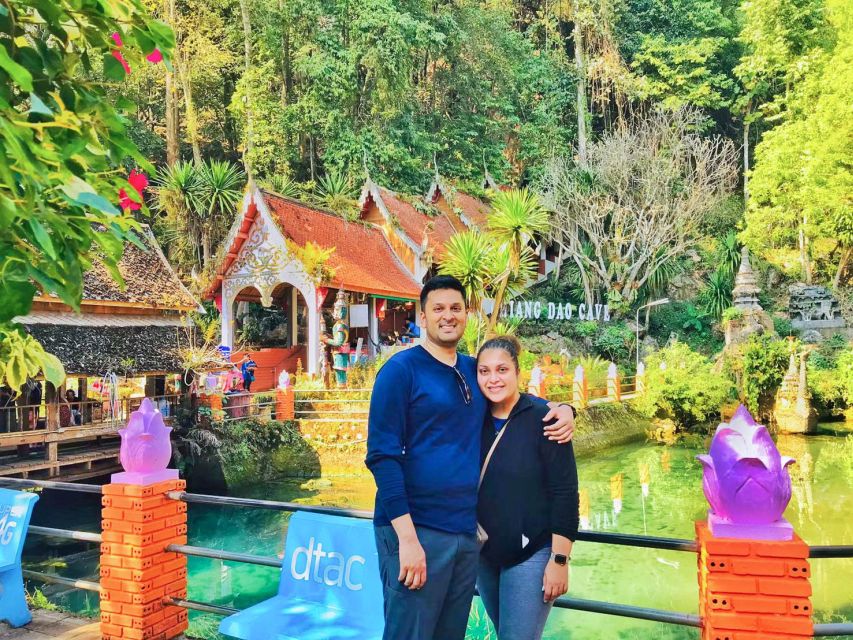
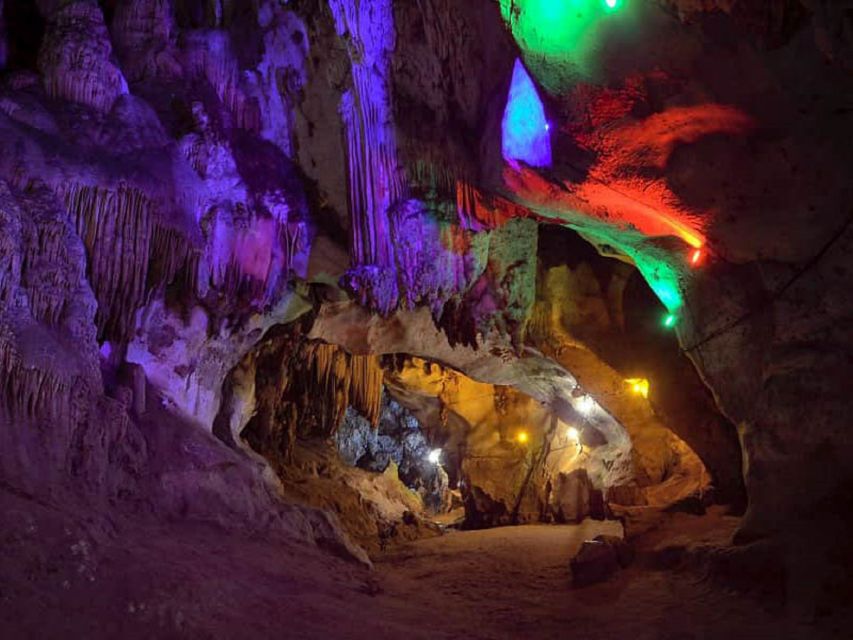
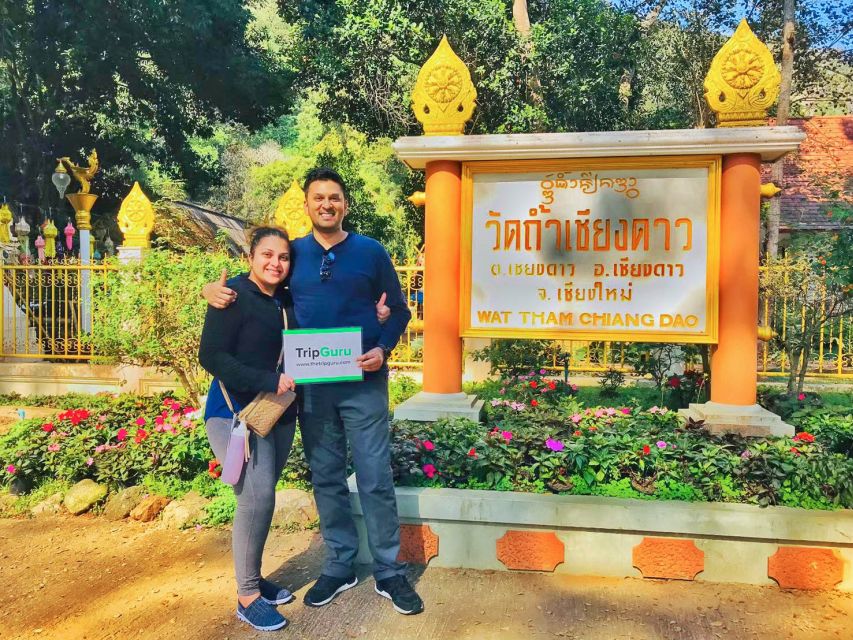
Chiang Dao Cave, also known as Wat Tham Chiang Dao, is the star. You start after a small entrance fee, then step into a connected system of caverns that runs deep under the mountainside. Expect cooler temperatures once you go in. On hot days it can still feel a bit humid, but the cave air is usually a nice change from Chiang Mai heat.
The cave experience is more than pretty stalactites. You move through multiple cavern halls, and some sections are lit by electric lights while other areas feel darker and more ancient. What really grabs you is the mix of geology and devotion: Buddha statues, shrines, and offerings left by pilgrims. If you want a wow moment, the first cavern includes a row of five seated Buddhas, and many people find that grouping especially striking. There is also a huge reclining Buddha figure that stands out because of its scale.
The route can feel tight, so pack for it
Plan for uneven ground and sections that are low or narrow. From the way guides talk about it and the way people describe it, the cave includes both easier walking areas and more challenging, squeeze-through sections. You should treat this as a hike with cave rules, not a smooth sightseeing stroll.
Bring long pants and a long-sleeved shirt. Even if you are comfortable in shorts outside, the cave setting asks you to cover your legs. Some visitors have mentioned wraps being available if you arrive improperly dressed, but I would not count on that as your plan. Also consider a small flashlight even though parts of the cave are lit, because it can help you feel oriented and safe in darker bits.
Should you pay for the deeper lantern-guided section?
Many people say the extra lantern-guided option in the darker deeper parts is worth doing, especially if you want the full sense of the cave. A fee is paid on the spot in cash. The deeper part tends to be more difficult, with tighter squeezes and more low crawling.
Here is how to decide. If you like adventure and do not mind squeezing and crouching, pay for the deeper section. If you want an easier walk, you can stick to the main area and still see the highlights like the Buddha sculptures and major formations. Either way, the cave is impressive, but the deeper part turns it from interesting into unforgettable.
What guides actually add inside the cave
In practice, the guide does two things at once: pacing and meaning. Guides such as Samphan and Art have a way of pointing out what you might otherwise miss, from specific Buddha placements to the shapes in the rock. Others, like Avi, also seem to help people slow down for photos, so you do not feel like you are always rushing to keep up.
And one more practical point: guides often manage how close the lighting source is to you when passages get narrow. That matters because a lantern is not just for seeing, it is for staying oriented.
More Chiang Mai temple visits, food walks, elephant experiences, mountain trips, and northern Thailand day tours to compare





Chiang Dao market and lunch: where you taste real northern flavors
After the cave, the day shifts gears into food and local life. You stop at the Chiang Dao market for a food market visit and time to eat. Then you move to a local restaurant for lunch.
Food is not included in the tour price, so you are paying what you choose. Still, the stops are useful because a market alone can be overwhelming if you do not know what to look for. With a guide, you get help picking items and understanding what you are eating. People who joined with guides like Pranom have talked about how the market explanations made the food choices more fun, not just random bites.
What to expect from lunch time
This is a good moment to reset, use the restroom if you need to, and refuel before the sticky waterfall. I suggest you keep your lunch lighter than a full buffet. You will be changing into swimwear and moving around a lot, and you do not want to feel heavy afterward.
If you are a picky eater, tell your guide early. Most guides can steer you toward options that fit your comfort level. Some have also guided people toward regional favorites like khao soi.
Bua Tong Sticky Waterfall: how the climb works and what to bring
Then comes Bua Tong Sticky Waterfall, one of the most distinctive waterfall experiences in Thailand. The standout feature is the mineral deposits on the rock. That sticky surface gives you traction so visitors can actually climb upward. A safety rope is part of the experience, which is a relief if you are not sure about your balance.
The waterfall stop lasts around 2 hours. That is enough time to walk up, take photos, cool off, and then decide whether you want to go higher or just enjoy the calmer sections below. Some groups have climbed more than once, so if you feel energetic, you might do a second run.
What to wear so you enjoy it, not just tolerate it
Bring swimwear, a change of clothes, and a towel. The tour also recommends trekking gear, long pants, and a long-sleeved shirt. That combo might sound odd for a waterfall day, but it makes sense when you consider you might climb and walk over wet stone before you fully settle in.
Shoes are a personal choice. Some visitors have recommended rubber sea shoes for grip, but others have said bare feet can work fine because the surface is actually sticky. Either way, you want traction and you want to protect your feet from sharp rock edges.
Also bring cash. Not because you will pay for the waterfall, but because the day includes small on-the-spot payments for optional cave exploring, and it is easier if you are not scrambling at the last minute.
The small-group and guide factor: why this tour often feels personal
What makes this tour rise above the basic cave-plus-waterfall script is the way guides manage the day. You can book small-group service limited to 9 people, and on quieter days it can become effectively private if you are the only booking. That matters. You get more attention, more time at photo spots, and better flexibility if you want a slower pace.
People have praised a range of guides, including Art, Avi, Cookie, Leela, Nom, Tik, Nong, Tim, Owen, and Pranom. Even with different personalities, the common thread seems to be good timing and care. Some guides also bring extra photo help, with people describing getting lots of pictures without having to ask.
A practical way to use this advantage: ask your guide what to focus on at each stop. In caves, it is easy to miss details if you are just walking with your camera. In markets, asking what something is and how it is eaten can turn a random snack into a memory.
Also, the driver gets credit in feedback because safe, smooth driving helps you enjoy the day. On an 8-hour schedule with roads that twist toward Chiang Dao, that comfort adds up.
Price and value: what you are paying for at $106 and where the extras appear
At about $106 per person for an 8-hour outing, this sits in the mid-range for Chiang Mai day trips. The value comes from what is included and what is handled for you.
You get:
- Hotel pickup and drop-off in central Chiang Mai
- An English-speaking live guide
- Air-conditioned transportation
- Entrance fee to Chiang Dao Cave
- Insurance
- A glass bottle of drinking water
What is not included:
- Food and drink
- The fee for a local guide and lantern if you want to explore the deeper cave section, typically paid on the spot in cash
Here is the key value math. If you would otherwise pay for a cave entrance and hire a guide locally, the $106 starts looking reasonable. The tour also prevents you from piecing together a driver, tickets, and time management on your own. That can cost more than you expect, especially when you want the day to flow without stress.
If you do pay for the deeper lantern segment, budget extra cash for that. But many visitors feel the deeper exploration is the difference between seeing the cave and fully experiencing it.
Responsible touring that actually fits the day
This is labeled GSTC-certified, and the tour aims for low-impact sightseeing. Two details matter because they show up in your hands, not just in a policy statement: you get water in glass bottles, and the tour offsets carbon emissions for the activity.
For you, that means you are not walking around with a pile of plastic bottles, and you can feel better about choosing an organized day trip that tries to reduce waste. It is not a substitute for conservation everywhere, but it is a meaningful step for a high-traffic area like Chiang Mai when you are doing something as hands-on as caves and waterfall hiking.
Who should skip this day trip
This outing is not suitable for everyone. It specifically is not recommended if you have:
- Back problems
- Mobility impairments
- Heart problems
- Claustrophobia
The cave route includes low and tight sections, and the waterfall climbing is physical, even with a rope. If you are unsure, think about how you handle crouching, squeezing, and slippery stone for an extended period. If those sound like a struggle, choose a different style of Chiang Dao visit.
Also keep your energy in mind. The day feels active even when the pace is managed well, because you are constantly switching from walking to stairs and then to waterfall terrain.
Should you book this Chiang Dao cave and sticky waterfall tour?
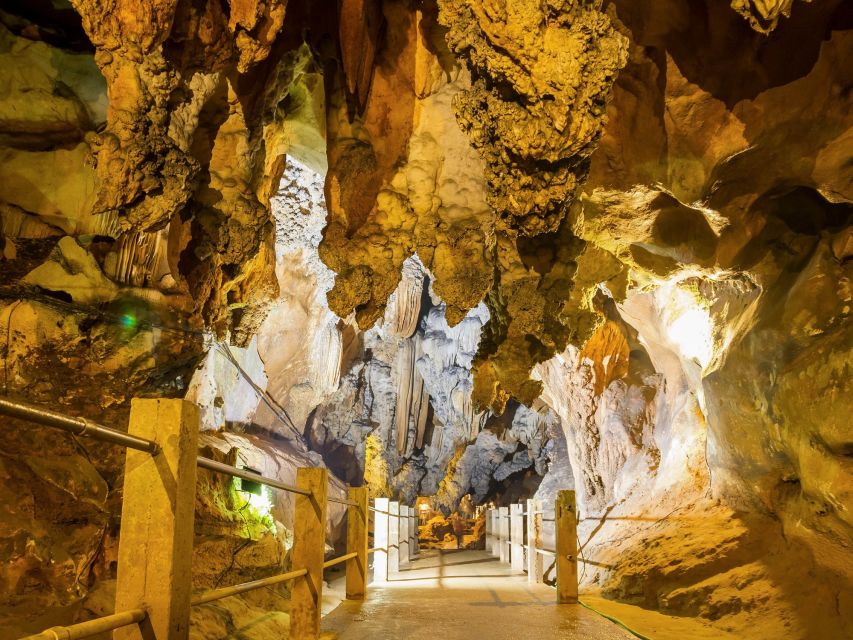
If you want a classic northern Thailand day with a real sense of adventure, I think this is a smart booking. The cave is the main event, and it delivers with Buddha shrines, multiple cavern halls, and the option to go deeper with lantern help. Then the waterfall adds a physical, unique twist that most places in Thailand do not offer.
I would book it if:
- You like caves and do not mind tight spots
- You want one guide and one schedule rather than organizing transport yourself
- You are okay paying extra cash for the deeper lantern segment if you want it
I would skip or rethink it if:
- You are claustrophobic or strongly uncomfortable with narrow, low passages
- Your mobility needs are limited
- You prefer gentle sightseeing with minimal crawling and climbing
Bottom line: this is a well-paced day built around two genuinely different experiences, cave wonders and sticky-rock waterfall climbing. If that sounds like your kind of Chiang Mai, you will probably come away feeling like you used your day wisely.
FAQ
How long is the Chiang Dao cave and sticky waterfall tour?
The tour runs about 8 hours total.
How many people are in the small group?
The group is limited to 9 participants.
Is there an English-speaking guide?
Yes, the live tour guide speaks English.
What is included in the price?
Included items are hotel pickup and drop-off, the tour guide, air-conditioned transportation, a glass bottle of drinking water, the entrance fee to Chiang Dao Cave, and insurance.
What is not included?
Food and drink are not included. Also, the fee for a local guide and lantern in the cave is paid on the spot in cash.
Will I get time to eat locally?
You stop for a local restaurant lunch and you also visit the Chiang Dao market, but you pay for what you eat since food and drink are not included.
Do I have the option to explore deeper inside the cave?
Yes, there is an optional deeper section that uses a local guide and lantern, and it has an extra fee paid in cash.
How do they handle pickup timing?
Exact pickup time depends on where you are staying. The team emails you the evening before to confirm pickup time and meeting point, and the driver contacts you to confirm the exact timing.
Is pickup available from anywhere in Chiang Mai?
Pickup is only offered from hotels or registered accommodations. For safety reasons they cannot pick up from roadsides or shopping malls.
Is the tour suitable for claustrophobia or mobility issues?
No. It is not suitable for claustrophobia, mobility impairments, or back problems, and it is also not recommended for heart problems.
More Hiking & Trekking Tours in Chiang Mai


More Tours in Chiang Mai






More Tour Reviews in Chiang Mai



Not for you? Here's more nearby things to do in Chiang Mai we have reviewed



Chiang Mai Day Tours, compared.
 ★ 5.0Half-Day Thai Cooking Class at Organic Farm in Chiang MaiFrom $2919,087 reviews
 ★ 4.8Elephant Sanctuary Feeding Program Half-Day TourFrom $274,527 reviews
 ★ 4.6Chiang Rai White Temple and Blue Temple Day TourFrom $273,366 reviews
 ★ 4.8Sticky Waterfall & Angel Waterfall Park Day TourFrom $411,371 reviews
 ★ 5.0Full Day Thai Cooking at Farm (Chiang Mai)From $391,127 reviews
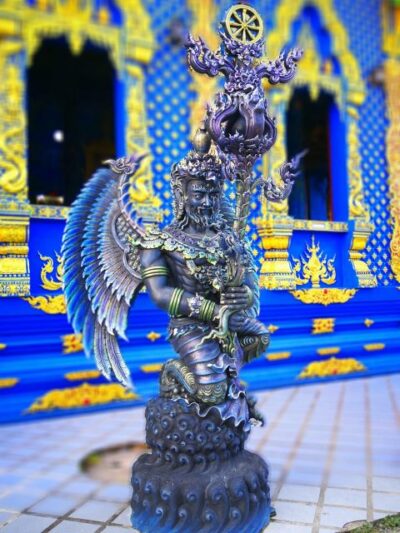 ★ 4.5Chiang Rai’s Temples Exploration Day TripFrom $51871 reviews
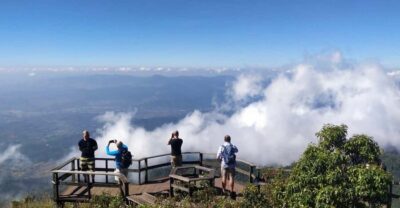 ★ 4.7Doi Inthanon Park with Kew Mae Pan Hike Day TripFrom $62841 reviews
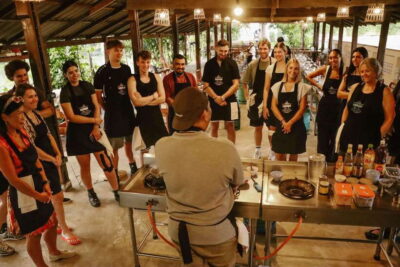 ★ 4.9HALF-DAY COOKING COURSE at a Thai Cooking FarmFrom $28705 reviews
Browse the lists this tour appears in