
REVIEW · CHIANG MAI ELEPHANT SANCTUARY TOURS
Elephant Habitat Park Feeding Entry & Rafting Van Transfer
Elephants, mud, and bamboo rafting in one day. This Mae Wang Elephant Habitat Park trip from Chiang Mai is built around up-close elephant time, plus the hands-on work of making herbal vitamin balls for the animals. You also get a guided day flow that mixes learning, feeding, bathing, and an easy nature break on the Mae Wang River.
My favorite parts were how personal the elephant interaction felt, and how the guides kept things practical, including instruction before you start feeding. One thing to plan for: you should expect close contact and a good chance of getting wet and muddy, so pack a towel and bring a clothes change.
Key things to know before you go
- Hotel van transfer from Chiang Mai: saves you from figuring out rural transport on your own.
- Meet-and-greet plus handler talks: you get care facts before you interact with elephants.
- You make herbal vitamin balls: not just watching, you get involved.
- Afternoon mud-bath viewing: learn why elephants bathe and what it does for their bodies.
- Bamboo rafting on Mae Wang River: calm, scenic, about 45 minutes.
Chiang Mai To Mae Wang: The Van Ride That Turns Stress Into Time
The day starts with a 1-hour and 20-minute journey south of Chiang Mai. That sounds like a chunk of time, but the transfer is one of the best value perks here. You are not hunting taxis, negotiating for pickup points, or timing your own schedule.
Once you arrive at the habitat park, the day feels less like a rushed checklist and more like a guided experience with structure. There’s a meet-and-greet with the local staff, then handlers share facts about elephants and how they are cared for before you jump into anything physical. That order matters. It helps you understand what you are seeing, and it gives you context for why the staff ask you to behave a certain way.
Also, this tour is offered in English, so you can actually follow what’s happening instead of just nodding politely. The pacing is built for a full day flow: drive, elephant interaction, then an afternoon session, and finally bamboo rafting.
One more practical note from the day’s rhythm: you will likely be outdoors in warm weather, then you’ll get hit with water and mud during the bathing segment. Plan your mindset for that mix. Bring sun protection, and be ready to change your clothes at the right moment.
More Chiang Mai temple visits, food walks, elephant experiences, mountain trips, and northern Thailand day tours to compare

Arrival Ritual: Meet The Staff, Learn Elephant Care, Then Interact
When you reach the park, you start with a meet-and-greet with the local staff. After that, handlers explain how elephants are taken care of and share interesting facts before the feeding begins. This isn’t just small talk. It sets the tone for how you approach the animals and how you understand their routines.
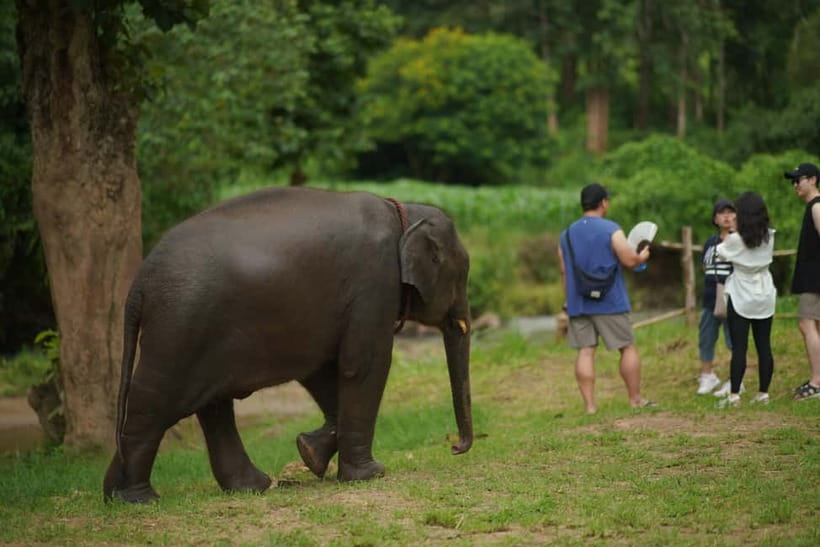
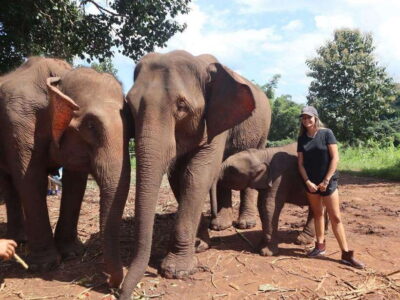
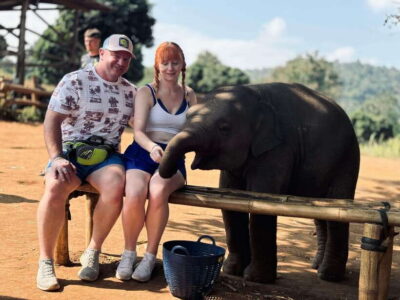
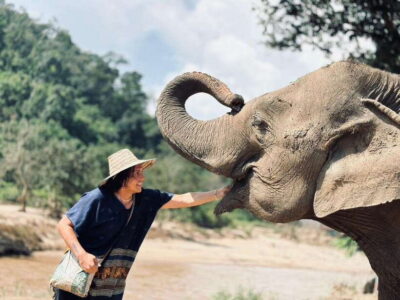
From what you will see, the park experience is guided and photo-friendly. That matters because elephant days can move fast if you are not sure where to stand or what moment to capture. The guides help you with positioning during the interaction and feeding, and there are photography opportunities built into the flow.
You should treat this part as your warm-up phase. Pay attention to the guidance, ask quick questions if you’re unsure, and follow instructions closely during the interaction. The tour’s whole design depends on you knowing what to do when it’s your turn.
Another reason this start feels good: it turns the day into learning plus action, not just an animal “photo stop.” You’re building a mental picture of elephant needs, especially around feeding and temperature comfort. That sets you up well for the afternoon mud-bath segment later.
Feeding Up Close And Making Herbal Vitamin Balls
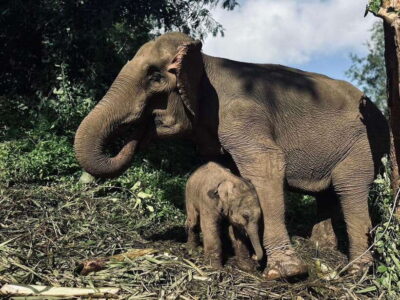
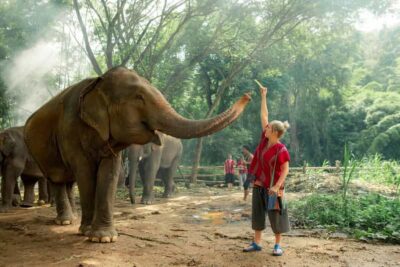
Here’s the heart of the experience. After the handler talk, you follow your guides while they assist you in feeding elephants. You get up close and personal interaction in their habitat area, and you can photograph the elephants during this time. The experience also includes the option to hug and interact, with staff guiding you on how to do it safely and respectfully.
The standout activity is making herbal vitamin balls for the elephants. This is not a passive add-on. You’re taught the process and then you help prepare nutrition for the animals. You’ll walk away with more than memories, you’ll remember a specific activity you did, which makes the whole day feel more earned.
Why this matters for you: when tours are only about watching, it can feel distant. When you actually make the food and then feed it, you understand the day in a more grounded way. You also get to slow down just enough to notice how elephants respond, how handlers manage timing, and how the environment supports their routine.
The guides are a big part of the success here. In real life, things go wrong. Phones die, bags slip, cameras get temperamental. The guide style on this outing seems to handle that kind of chaos with a calm attitude. For example, John has been described as taking photos for someone when their phone stopped working. That kind of practical problem-solving is exactly what you want on an animal day, where you do not want one device failure to ruin your photos.
Afternoon Mud Baths: Why Elephants Bathe In Heat
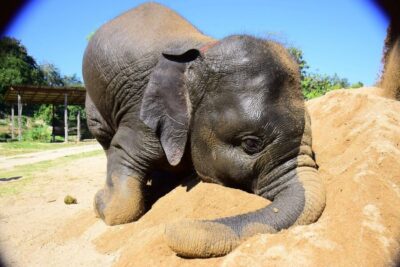
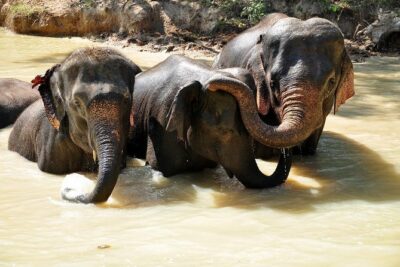
In the afternoon session, you get to observe elephants bathing. This is one of the most interesting parts of the itinerary because it explains the “why,” not just the “look.” The tour notes that mud baths help regulate body temperature in hot climates. It also mentions that mud acts like a natural barrier, helping protect the skin from sunburn and insect bites.
You’ll likely see the elephants doing what they want, not just performing. That distinction is important. Even without being a wildlife expert, you can tell when animals are comfortable. Mud baths are one of those behaviors that can look playful but also serves real body needs.
For your comfort, this is where the packing list becomes very real. Bring a towel and a change of clothes. Even if you are not splashed directly every time, the day’s wet and muddy moments can catch up to you. A waterproof bag helps keep electronics and dry items safe.
Also, consider your footwear. Comfortable shoes are recommended for a reason. You are on a schedule, walking around before feeding and during the day’s activity changes, and you want stable footing if the ground is damp near bathing areas.
If you’re visiting specifically to beat Chiang Mai heat, this bathing segment is a natural payoff. You will spend part of the day outdoors, then watch a behavior that clearly helps elephants cool down and care for themselves.
Bamboo Rafting On Mae Wang River: Calm Water With Big Scenery Payoff
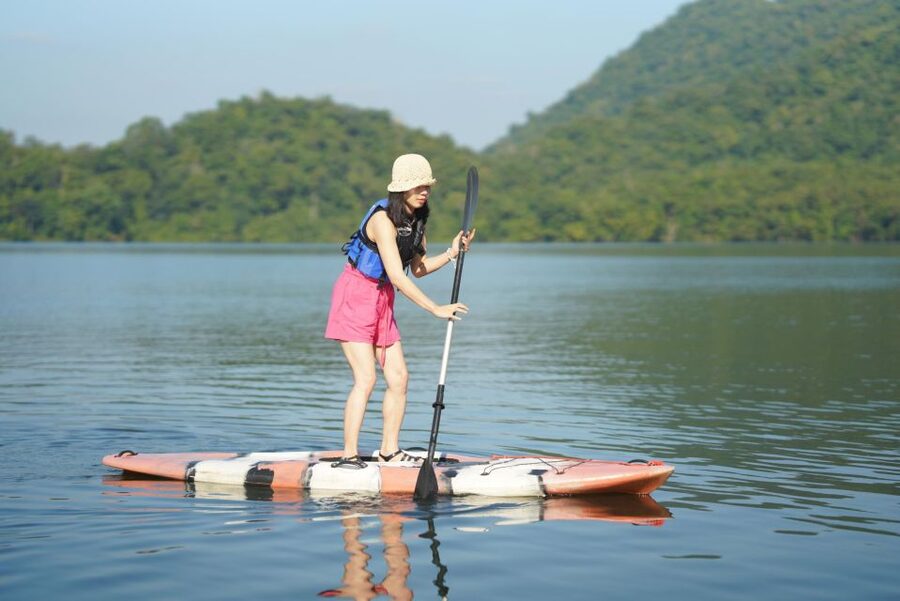
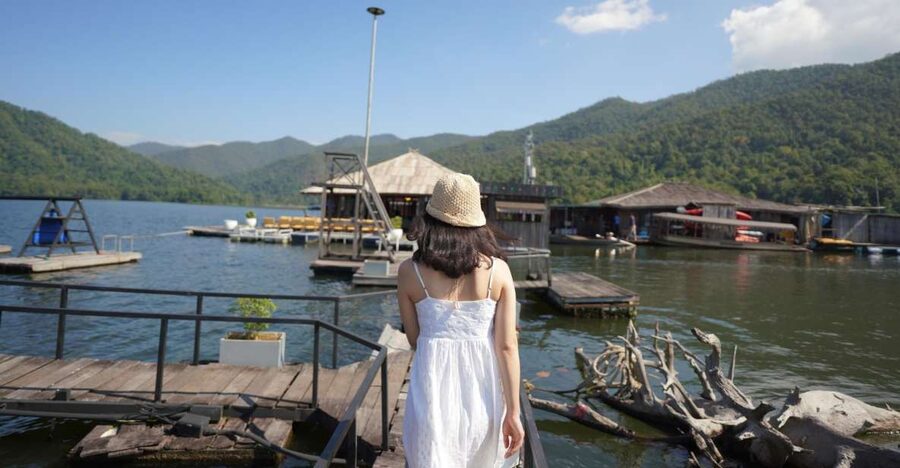
After elephants, you end with bamboo rafting along the Mae Wang River for about 45 minutes. This portion is gentle and scenic, and it serves as the decompression moment of the day. You get a chance to sit, breathe, and appreciate the river setting without needing to manage another animal-focused activity.
The best part for many people is the calm vibe. The tour experience is described as peaceful, not white-knuckle. That’s good news if you want nature time but you’re not trying to add adrenaline to your already active day.
You will also find that the river segment works well for photos. You can capture movement, reflections, and the sense of being away from the city. It’s also a smart way to end the day because you’re tired but not wiped out. After feeding and bathing activities, a relaxed raft beats scrambling into another demanding stop.
If you’re the type who likes a final “easy win,” this rafting finish is it. You get the feeling of travel progress, but you also have time to enjoy the ride.




Price And Value: Is $33 Actually Worth It?

At $33 per person, the biggest value point is that this price includes more than just the elephant visit. You also get a hotel van transfer from Chiang Mai, guided tour time, elephant interaction, feeding help, making herbal vitamin balls, observation of bathing, and the bamboo rafting segment.
If you tried to piece together transportation and activities separately, you’d likely spend more in both money and time. The transfer alone reduces friction a lot. It also keeps your day structured, so you’re not guessing timing around a rural schedule.
Here’s how to judge the value for your own trip style. If you want a day that mixes hands-on elephant interaction with a calm outdoor finale, this fits well. If you only care about seeing elephants from a distance, you might find this is more interactive than you want. The tour is designed for people who want to participate, make the vitamin balls, and get close enough for real moments and photographs.
Also, the day includes drinking water. That sounds basic, but on hot days it matters. You are outdoors for multiple parts of the itinerary, and not having to worry about water logistics is part of why the price feels fair.
What To Pack For Elephants, Mud, And Rafting
Bring gear that matches the reality of the day: you’ll be outdoors, you’ll get close to animals, and you’ll do a mud-bath observation segment plus rafting. The tour’s recommended list is very practical.
Plan to bring:
- Comfortable shoes
- Sunglasses
- Change of clothes
- Towel
- Sunscreen
- Waterproof bag
Clothes wise, wear something you feel okay getting damp. This is especially important for the afternoon bathing time. If you prefer to stay dry at all costs, consider that this tour is built around elephants doing elephant things, including bathing behavior.
If you’re bringing a camera or phone, a waterproof bag is your best friend. Even if you think you will stay totally dry, you do not want to risk one careless splash ruining the rest of your day.
And yes, it helps to bring a small towel even if you think you can dry off another way. The mud and water elements are exactly why the list includes both towel and a clothes change.
Who This Tour Is Best For (And Who Should Think Twice)
This outing makes the most sense if you want:
- Real interaction with elephants, including feeding
- Hands-on involvement through making herbal vitamin balls
- A structured day with guided learning before action
- A calm, nature-based finish on bamboo rafting
It also pairs well with visitors who want to get out of the city for a bit, beat the heat, and still end the day feeling like they did something memorable. Many people enjoy how friendly and supportive the staff can be, and guides have been praised for making the day feel smooth and encouraging.
There is one “think twice” factor. This is close interaction, and the day includes wet and muddy elements. If that’s not your thing, you might find the experience more intense than you want. Also, it’s not suitable for children under 2 years old, so check ages carefully before you book.
Should You Book This Elephant Habitat Park And Rafting Day Trip?
If you want a single-day experience that combines elephant interaction with a real activity payoff (herbal vitamin balls) and ends with relaxed bamboo rafting, I think it’s an easy yes. The transfer from Chiang Mai is a big convenience, and the $33 price looks reasonable because you’re not just paying for entry, you’re paying for guided time, feeding assistance, and rafting.
Book it if your travel style is hands-on and you’re comfortable getting a bit messy. Skip it if you mainly want “view only” wildlife time and prefer not to deal with mud and water.
If you’re still deciding, this is my simple decision rule: if you can picture yourself helping feed elephants and then cooling off with a calm river ride, you’ll likely enjoy this day.
FAQ
How do I get from Chiang Mai to the Mae Wang Elephant Habitat Park?
You get a hotel van transfer from Chiang Mai as part of the tour.
How long is the drive from Chiang Mai?
The journey is about 1 hour and 20 minutes.
What elephant activities are included?
The experience includes elephant interaction and feeding the elephants, plus observation of elephants bathing in the afternoon session.
Do I get to make herbal vitamin balls?
Yes. You’ll make herbal vitamin balls for the elephants during the experience.
What is the afternoon bathing session about?
The tour explains that bathing helps regulate elephant body temperature in hot climates. Mud baths also help protect their skin from sun and insects.
How long is the bamboo rafting part?
Bamboo rafting on the Mae Wang River lasts about 45 minutes.
Is drinking water provided?
Yes, drinking water is included.
What should I bring?
Bring comfortable shoes, sunglasses, a change of clothes, a towel, sunscreen, and a waterproof bag.
Are meals included, and is the tour suitable for young children?
Meals are not included. The tour is not suitable for children under 2 years old, and the tour language is English.
More Private Drivers in Chiang Mai

More Tour Reviews in Chiang Mai

Not for you? Here's more nearby things to do in Chiang Mai we have reviewed






Chiang Mai Elephant Sanctuary Tours, compared.
 ★ 4.9Elephant Sanctuary, Waterfall & Bamboo RaftingFrom $609,160 reviews
 ★ 4.9Elephant Sanctuary & Waterfall Group TourFrom $505,780 reviews
 ★ 4.8Elephant Sanctuary Feeding Program Half-Day TourFrom $274,527 reviews
 ★ 4.9Elephant Sanctuary, Long Neck & Sticky WaterfallFrom $632,262 reviews
 ★ 4.8Elephant Care Program and Nursery TourFrom $531,899 reviews
 ★ 5.03-in-1: Doi Inthanon Tour, Elephant Sanctuary, and Trekking TrailFrom $481,087 reviews
 ★ 5.0Chiang Mai Elephant Sanctuary, Bamboo Rafting and Waterfall TourFrom $58870 reviews
 ★ 4.7Kerchor Eco Elephant Park TourFrom $48704 reviews
Browse the lists this tour appears in