
REVIEW · FOOD
Cook Local Northern Thai Food in Traditional House
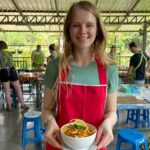
Charcoal, herbs, and five Northern dishes. This 7-hour Lanna cooking class in Chiang Mai takes you from a local market to an organic farm and then into hands-on cooking.
I really like two parts: you practice classic methods like the charcoal grill, and the class stays intimate with a max 6 travelers and English-speaking instructors. It feels like you get real guidance, not just a demo.
One thing to keep in mind: this is a cooking school setup, not someone’s actual private Grandma kitchen. The experience is very well organized, but it can feel a bit staged if you expect pure home-kitchen chaos.
Key Things to Know Before You Go
- Start at the market: you pick ingredients and learn what goes where, not just what it tastes like.
- Farm work with real payoffs: you harvest herbs and vegetables and collect eggs from the chicken coop.
- Traditional tools, used hands-on: lighting charcoal, millstone flour, grating coconut meat.
- Five dishes, full process: Northern Thai sausage, nam prik (ong or num), pork belly curry, young jackfruit curry, coconut pancakes.
- Included meals and tastings: lunch and a dessert refreshment session let you compare flavors as you go.
Getting to Grandma’s Home Cooking School From Your Hotel
The day starts at 9:00 am, and you’ll have round-trip transfers to and from your hotel. That matters in Chiang Mai, because the best culinary days are the ones where you can relax and focus on the food instead of timing taxis and traffic.
You also get welcome snacks and a refreshing drink when you arrive. It’s a small touch, but it helps set a calmer pace right away, especially if you’ve been walking around town before the class.
Group size stays small, with a maximum of 6 travelers, so you’re not shouting over a crowd. That usually translates into more practical feedback, like how you’re chopping, stirring, or balancing heat.
You can also read our reviews of more food & drink experiences in Chiang Mai
Market Shopping in Chiang Mai, Where Flavor Starts
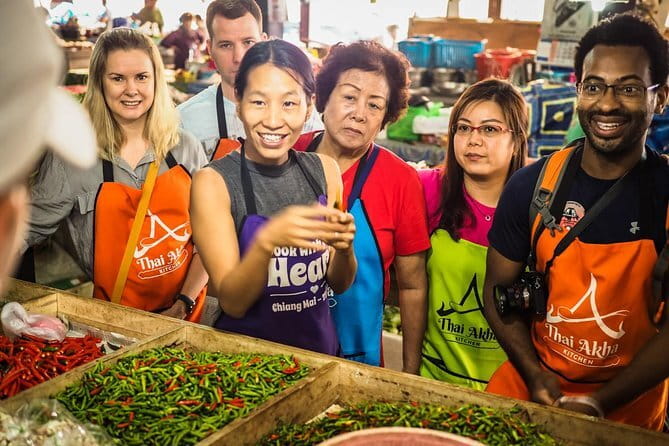
The class begins with a visit to the local market, and that part is more useful than it sounds. The instructors introduce ingredients and seasonings as you shop, so when you cook later, you already know what you chose and why.
You’ll be selecting items for a range of Northern Thai flavors, including chili-based sauces (you’ll make either Nam Prik Ong or Nam Prik Num), curries, and coconut-based desserts. When the market portion is done well, it stops the class from feeling like a factory. You can see how ingredients connect to the dish.
A practical upside: shopping in a group of 6 means you can actually ask questions without feeling rushed. If you like learning how Thai cooks think in terms of ingredients, this market step is the backbone of the whole day.
Organic Farm Time, Herbs and Vegetables for Your Cooking
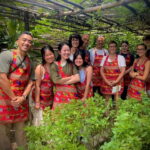
After the market, you head to an organic farm. This is where the day gets more hands-on, and it’s not just a scenic walk. You’ll pick Thai herbs and vegetables for your dishes, which gives you a clearer sense of what the flavors are supposed to be like.
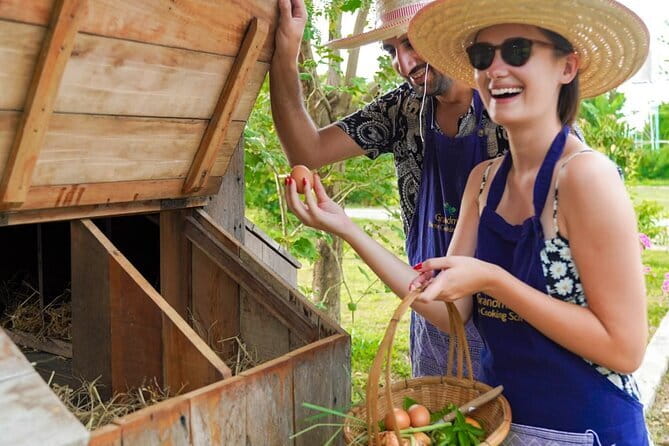
The farm tour also includes visiting the chicken coop to collect eggs. That’s a concrete step in the workflow, and it adds a little meaning to the ingredients. Even if you already cook at home, it’s satisfying to know you helped gather what ends up in the meal.
One more thing: the instructors explain how herbs and vegetables are used in cooking. That turns the farm stop from sightseeing into an ingredient lesson you can use later when you’re trying to recreate these dishes at home.
Traditional Techniques You Actually Practice (Not Just Watch)
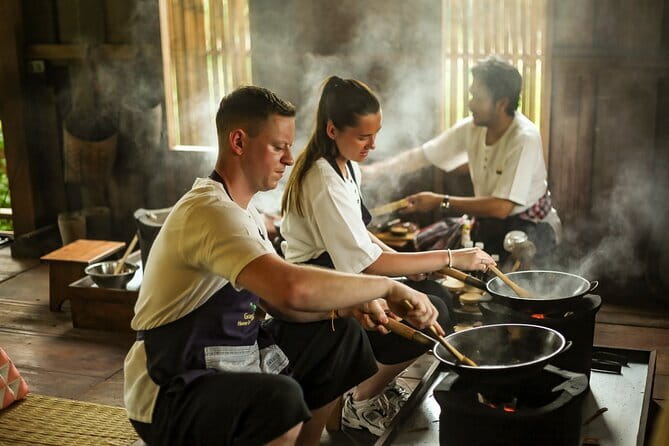
This class is built around technique. You’ll do tasks that many home cooks never attempt, like working over coals and using traditional tools.
You’ll have a chance to learn how to light a charcoal grill. Then you practice flour and coconut work the traditional way, including milling flour with a millstone and grating coconut meat using a coconut grater. Those steps change the cooking experience, because you’re not skipping the “why” behind texture and flavor.
It also teaches you how to make coconut milk using that grating process. For me, this is one of the most valuable parts of the day, because coconut milk can be hard to judge if you only use store-bought cartons. Doing it from the ingredients helps you understand what fresh coconut brings to the dish.
This is also where the class feels most “real.” You’re working with your hands, not just taking notes, and that makes the later dishes easier to follow.
Cooking the Five Northern Thai Dishes Step by Step
You’ll cook five dishes during the day, which is a lot for a single 7-hour session. The key is that you’re not just finishing plated food. You’re learning an order of operations, ingredient by ingredient.
Here’s what you’ll make:
More Chiang Mai temple visits, food walks, elephant experiences, mountain trips, and northern Thailand day tours to compare


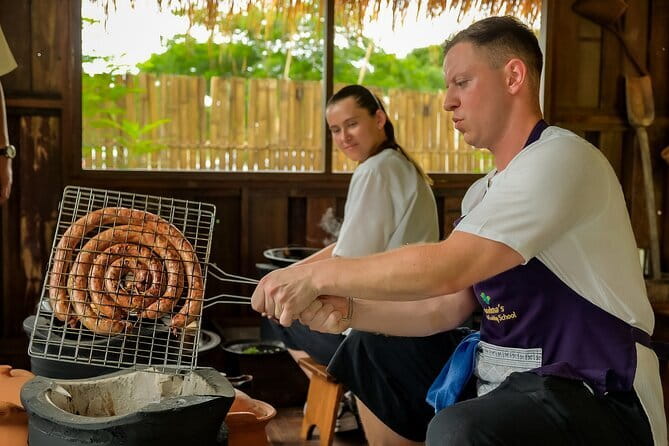
1) Northern Thai Sausage
You’ll learn how sausage fits into Northern Thai flavor profiles and get hands-on practice tied to the class’s cooking workflow. If you enjoy savory, aromatic foods, this is a dish that helps the day feel more than “just another curry.”
2) Nam Prik Ong or Nam Prik Num
You’ll make either Nam Prik Ong or Nam Prik Num. Both are chili-based and anchored by the ingredients you gathered, so this dish is where your market and farm shopping pays off immediately.
3) Northern Pork Belly Curry
This curry is one of the core dishes in the class. Expect it to use the seasoning and coconut flavor logic you’ve been practicing, because the class is designed to connect techniques to the final taste.
4) Curry Young Jackfruit
The young jackfruit curry broadens the day beyond pork. It’s also a good test of your skills, since you’re building flavor through curry steps rather than treating it like a simple one-pan meal.
5) Thai Coconut Pancakes
You finish by making Thai coconut pancakes. This dessert-style finale is a smart way to wrap up the class, because you already practiced coconut milk production earlier. When you reach the pancakes, you’re not starting from scratch. You’re applying what you learned.
Lunch, Dessert, and Refreshments That Keep You Grounded
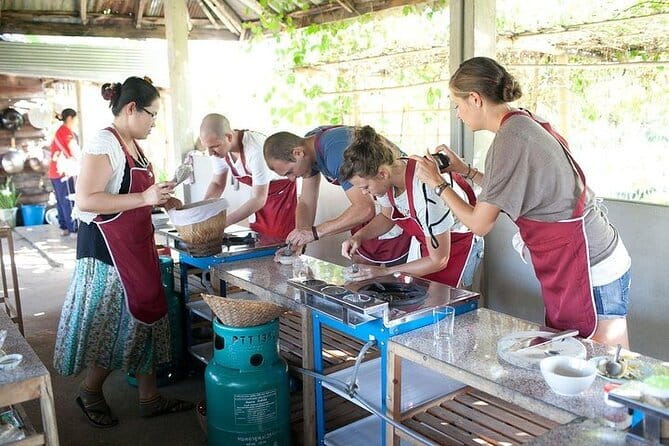
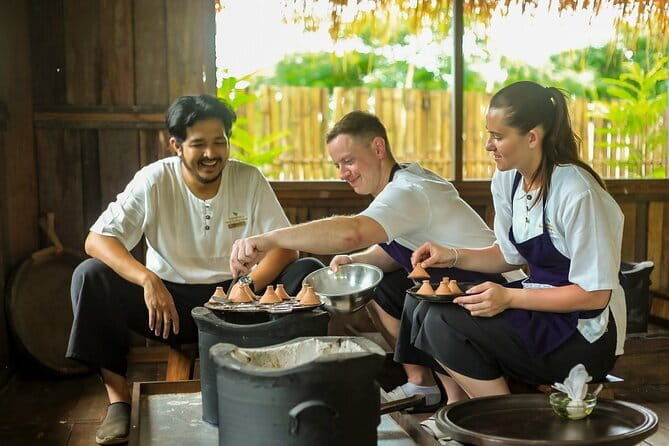
The experience includes lunch, and you get a chance to taste what you made. You also get traditional Thai desserts and refreshments during a dessert session.
These tasting breaks matter. Without them, cooking classes can feel like a blur of steps. With lunch and dessert included, you get time to slow down, evaluate your food, and see how different flavors sit next to each other.
It also helps if you’re the type who learns by comparison. You can taste a dish, then refine how you think about the next one instead of only cooking for the final plate.
Price and Value in Chiang Mai: What $57.99 Buys
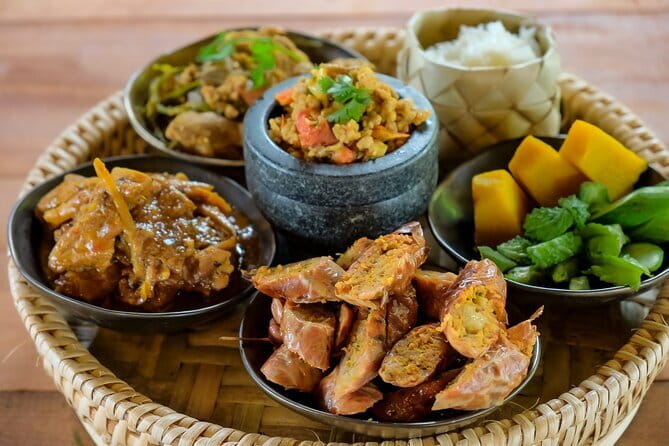
At $57.99 per person for an approximately 7-hour experience, you’re paying for more than a recipe. You’re paying for market time, farm harvesting, traditional tool instruction, included meals, and round-trip transfers.
It’s also an all-in day: welcome snacks and drinks, lunch, dessert tastings, and an e-recipe book to download after. Alcohol is not included, so if you expect cocktails, you’ll need to plan for that separately.
For me, the best value signals here are the included transportation and the amount of hands-on practice. When you factor in that you cook five dishes and learn multiple traditional techniques, the price starts to look more fair than a typical short demo class.
How to Get the Best Results (And Enjoy the Day)
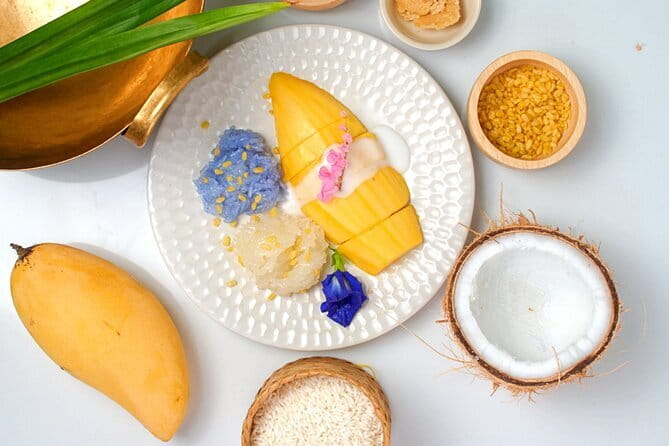
Wear shoes you can walk in. The schedule includes a market and an organic farm, and you’ll likely be moving between areas during harvesting and tool practice.
Go in hungry, but not stressed. The day includes welcome snacks and a full lunch, plus dessert and refreshment. If you eat a huge breakfast first, you’ll miss part of the enjoyment later.
Most importantly, ask questions while you’re doing the steps. This is the kind of class where the instructor feedback is most valuable right at the moment you’re lighting the charcoal or grating the coconut. If you wait until you sit down, you’ll lose some of the learning momentum.
Who Should Book This Northern Thai Cooking Class
This works especially well for people who want to understand ingredients and techniques, not just collect a few recipes. If you like cooking in a structured way with an instructor, you’ll feel right at home.
It’s also a solid choice for visitors who want more than city eating in Chiang Mai. Market plus farm gives you a fuller picture of how the day’s food starts.
Because children under 12 are welcome as visitors, it may suit families who have younger kids but want them to watch rather than cook. The class can accommodate special dietary requirements, which is a big plus for anyone who needs flexibility.
Should You Book Grandma’s Home Cooking School in Chiang Mai?
I’d book this if you want a practical, technique-heavy Northern Thai day. You’ll shop at a market, harvest at an organic farm, collect eggs, then cook five dishes using traditional methods like charcoal grilling, millstone flour, and coconut grater coconut work. Add included lunch, dessert tastings, transfers, and a downloadable recipe book, and it becomes a full day of food education.
I would think twice if your top priority is a truly “authentic home kitchen” vibe. This is a cooking school experience, and it can feel prepared and organized. The tradeoff is that you’ll get smooth instruction and a structured path to five complete dishes.
If that balance sounds good to you, this class is a smart bet.
FAQ
What time does the cooking class start?
The experience starts at 9:00 am.
How long is the class in Chiang Mai?
It lasts about 7 hours.
What dishes will I learn to cook?
You’ll cook five traditional Northern Thai dishes: Northern Thai Sausage, Nam Prik Ong or Nam Prik Num, Northern Pork Belly Curry, Curry Young Jackfruit, and Thai coconut pancakes.
Is hotel pickup and drop-off included?
Yes. Round-trip transfers to and from your hotel are included.
Does the price include lunch?
Yes. Lunch is included, and you also get dessert and refreshments during the dessert session.
Is alcohol included?
No. Alcohol drinks are not included.
Will I get a recipe book?
Yes. You’ll receive an e-recipe book to download.
Can the class accommodate special dietary requirements?
Yes, the activity is able to accommodate special dietary requirements.
How big is the group?
The class has a maximum of 6 travelers.
Can children under 12 join?
Children under the age of 12 are welcome as visitors.
Is free cancellation available?
Yes. You can cancel for a full refund up to 24 hours in advance of the experience’s start time.
More Food Experiences in Chiang Mai
More Food & Drink Experiences in Chiang Mai
More Tour Reviews in Chiang Mai



Not for you? Here's more nearby things to do in Chiang Mai we have reviewed







Food, compared.
 ★ 4.5Small-Group Chiang Mai Evening Street Food TourFrom $42826 reviews
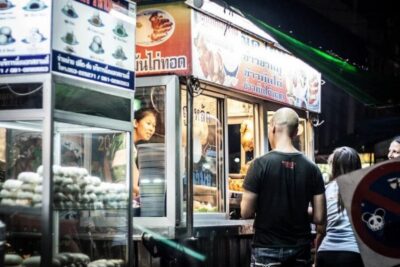 ★ 4.8Evening Local Street Food Market TourFrom $40604 reviews
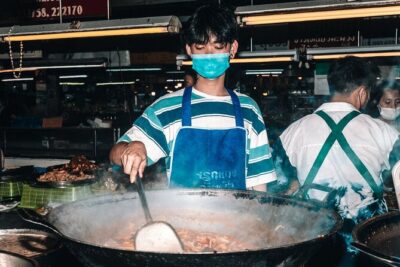 ★ 5.0Northern Flavours Chiang Mai Food Tour with 15+ TastingsFrom $59513 reviews
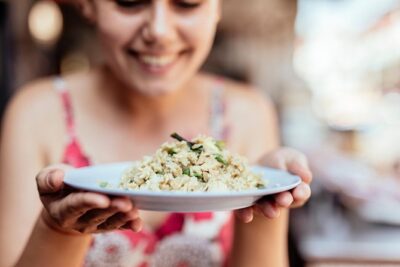 ★ 5.0The 10 Tastings of Chiang Mai With Locals: Private Street Food TourFrom $78216 reviews
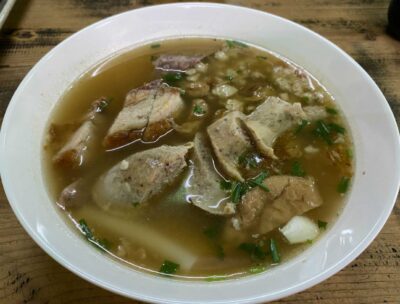 ★ 4.3Local Food and Markets Guided Walking TourFrom $48175 reviews
 ★ 4.9Taste of Chiang Mai: Michelin Guide & Street Food TourFrom $31159 reviews
 ★ 4.9Food Tour by Songtheaw Truck with 15+ TastingsFrom $62157 reviews
 ★ 5.0Go where the locals go, Eat what the locals eat! Food Tour with Local FoodiesFrom $50138 reviews
Browse the lists this tour appears in