
REVIEW · CHIANG MAI DAY TOURS
Chiangmai Half Day Visit and Wildlife Experience
Elephants in the wild, without the circus act. This half-day visit at Smile Elephant Chiang Mai is built around rescue and welfare, with local caretakers and a calm, nature-first setting in Banchang. What I like most is that you learn the day-to-day care behind the scenes, not just snap photos, and you get hands-on moments like feeding and washing while the focus stays on elephant well-being. One thing to consider: you will be outdoors and you may get wet, so this is best if you have a moderate fitness level.
The group size also keeps the experience from feeling rushed. With a maximum of 30 people, it’s easier to hear explanations, follow caretakers’ instructions, and stay aware of the elephants’ needs. The other consideration is that you are booking a sanctuary-style encounter, so you should expect rules, patience, and a slower pace than typical theme-park elephant shows.
Key things to know before you go
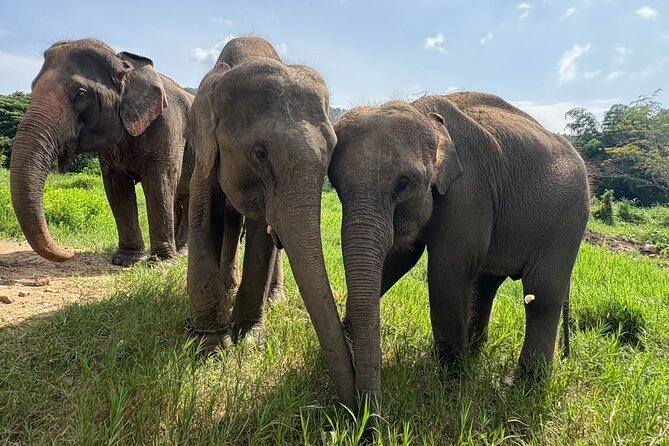
- Ethical eco-tourism approach focused on elephant welfare, rescue, and long-term management
- Local expert guidance, with caretakers and community members running the experience
- Hands-on interaction like feeding and river washing, designed around the animals’ comfort
- Small-group feel, capped at 30 people, which makes the morning easier to manage
- A meaningful support angle, since your visit helps fund food, veterinary care, and care routines
A Half Day at Smile Elephant Chiang Mai, and why it feels different

If you’ve been unsure about elephant tourism in Thailand, this is the kind of place that tries to answer the big question: what happens after the visitor leaves? Smile Elephant Chiang Mai is described as an ethical and sustainable eco-tourism project, run through a cooperative effort that connects traditional Thai elephant caretakers with local residents.
The day is set up as more than a quick animal viewing. You’re there to learn how elephants are cared for, why rescue matters, and how the sanctuary uses visitor support to keep that system running. That changes the vibe from entertainment to education, and it also changes what you should pay attention to.
You can also read our reviews of more tours and experiences in Chiang Mai.



Ethical elephant care, rescue mission, and what your money supports
The core idea here is elephant welfare. The project’s mission is to rescue elephants and give them a better quality of life, with a practical focus on feeding, veterinary care, and overall sanctuary management. In real terms, that means your visit is tied to ongoing costs, not just a one-day interaction.
I also like the way the experience is framed around transparency and respectful interaction. You’re not just told that the elephants are treated well, you’re also guided through why certain behaviors and routines matter for the animals’ health and happiness. That’s useful, because it gives you a way to judge the experience while you’re there, instead of taking it on faith.
One more point: the sanctuary model tends to reduce the kinds of stress that come with performance-style tourism. You may still be close enough for interaction, but the intent is not to turn elephants into rides or props. In fact, some past visitors specifically noted the lack of elephant riding and a clear animal-friendly approach.
What the 5.5-hour experience feels like from start to finish
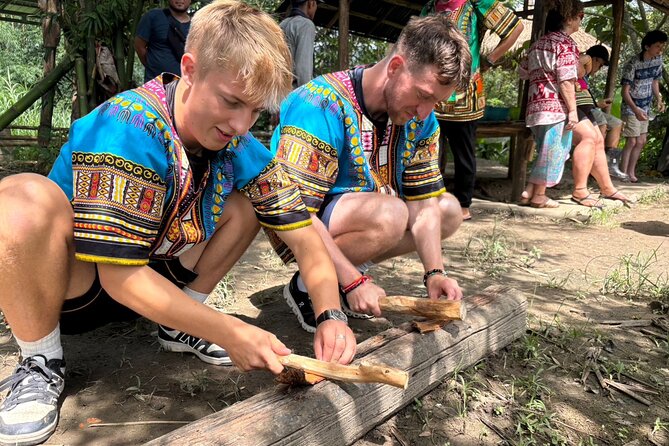
This is a morning 5 hours 30 minutes experience that starts at 8:00 am. Since pickup is offered, you’ll likely be collected from your accommodation area and taken out toward the Banchang area where the sanctuary is based.
Because it’s a half-day, the schedule is efficient but not frantic. You’re not spending a full day in transit, and you still get time for explanations, interaction, and time outdoors in the natural setting. Also, it helps that the group size is capped at 30. Smaller groups mean fewer people competing for attention and fewer interruptions for caretakers.
One planning tip: this is the type of outing that fills up. It’s often booked about 135 days in advance on average, so if you’re traveling in peak season, treat early booking as part of your strategy.
Getting there, meeting the team, and learning the rules before you meet elephants
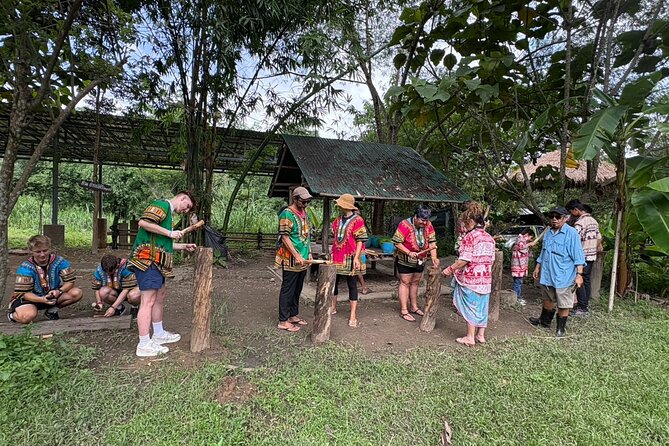
Your morning starts at 8:00 am, and once you’re picked up and arrived, you’ll get set up for the sanctuary visit. This part matters more than people think, because ethical elephant programs often rely on clear routines and respectful behavior from visitors.
You’ll spend time learning the sanctuary mission and how the caretakers work. That includes understanding the goal of rescue, plus how day-to-day support like food and veterinary care fit into the larger management of the sanctuary. When you know the mission before you start interacting, it’s easier to recognize good handling and proper boundaries.
Guides are a big part of why the experience lands well. Names like Jack, Adison, and Arison come up in the experience descriptions, and multiple guests highlighted how friendly and funny the guiding can be. The takeaway for you is practical: choose the questions you want answered early, because the guide is the bridge between you and elephant care.
Feeding elephants the right way, and staying focused on welfare
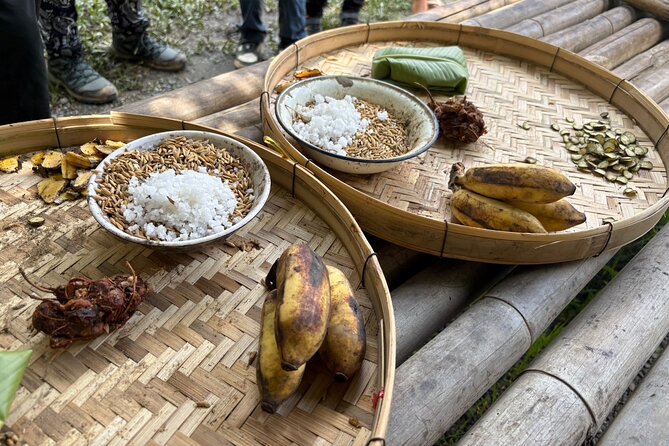
The hands-on interaction is one of the main reasons people choose this tour. You can expect to feed elephants up close as part of the experience, and that’s where ethical instruction matters most.
I love that the encounter is paired with education. You’re not just handing over food and snapping photos, you’re learning how caretakers think about elephant comfort, routine, and well-being. That makes the moment feel less like a stunt and more like a supervised, respectful interaction.
Also, feeding is a perfect time to notice body language. Elephants communicate in ways that are obvious once someone points them out: relaxed ears and calm movement usually signal comfort, while agitation should be treated as a stop-and-wait moment. Since the tour emphasizes animal welfare, you should expect caretakers to guide the pace and prevent anything that looks like excitement turning into stress.



Washing elephants in the river, what to wear, and how to read the moment
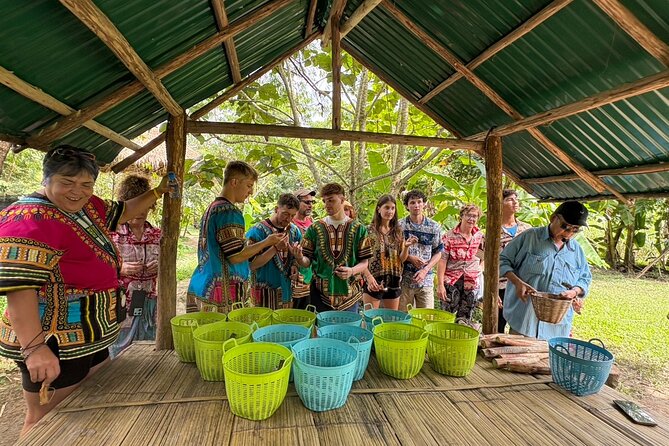
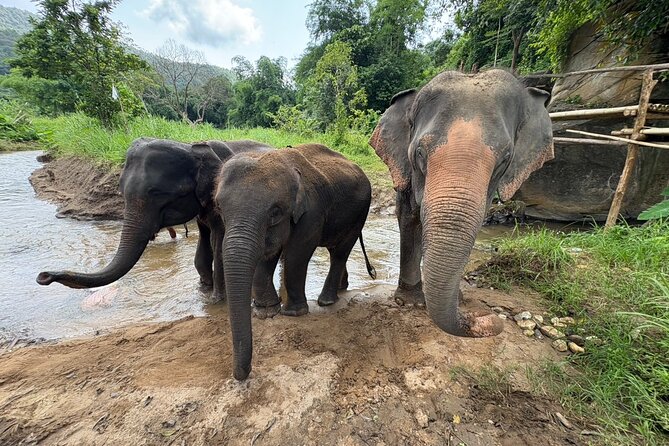
Another standout activity is washing elephants in the river. Some visitors describe the sanctuary as peaceful and natural, and they specifically call out the chance to wash the elephants and spend time in the water with them.
This is also where your “moderate physical fitness” level matters. Even if you are not doing anything intense, you may be walking on uneven ground and spending time outdoors. You should also be ready to get wet, since river washing is the point.
What I recommend for you: bring or wear quick-dry clothes, plan for wet hair and a damp bag, and keep your phone protected. If you’re unsure, treat this as a swim-day outing and pack like one.
Most importantly, watch for how the elephants respond. Ethical elephant encounters should feel calm, and you should feel the caretakers constantly managing the environment. If you ever feel pushed to do something quickly, that’s your cue to slow down and follow the guide’s pace.
The culture angle: caretakers, community, and why it matters
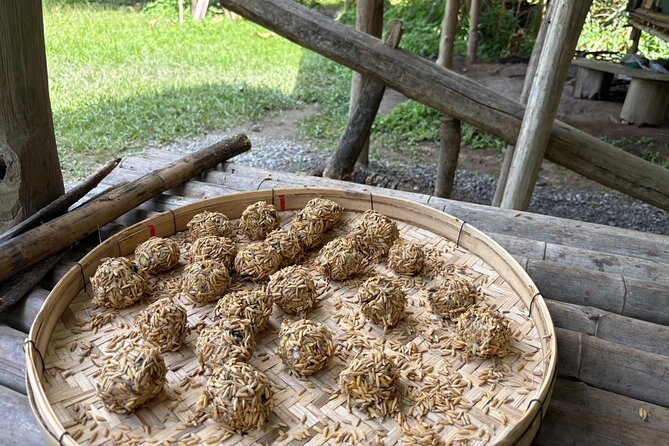
This isn’t presented as a sterile animal exhibit. The cooperative model brings in traditional Thai elephant caretakers and local residents, and the day is designed to show how those two parts connect.
That’s valuable because elephants in Thailand are often part of a complicated history. When you learn how caretakers think about rescue and welfare, you start understanding elephants not as attractions but as working animals with needs and individual personalities. You also get a sense that the project isn’t just dependent on a single person, it’s a community-based effort.
The guide’s personality also sets the tone. Past visitors mention guides like Boy for warmth and humor, along with other guide names such as Jack, Adison, and Arison. That human element matters, because it makes the learning easier to absorb while you’re standing in the mud, listening to how care routines work.
Food time and the local touch, including pad thai
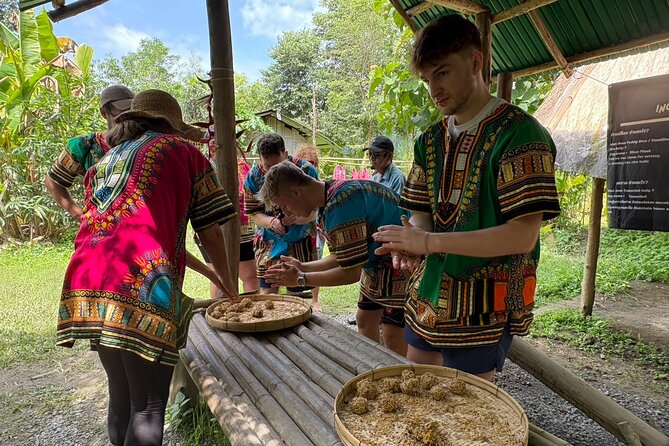
One of the nicer “small moments” at the end is food. Some past visitors mention being served local pad thai made with care, and that kind of detail is more than a snack. It’s a way to connect the sanctuary experience to local daily life.
I like these small finishers because they give the day a satisfying ending. You’ve spent hours outdoors and focused on elephant welfare, and then you get a simple local meal that feels grounded in the region rather than like a tourist add-on.
Price and value: is $51.84 worth it?
At $51.84 per person, this isn’t the cheapest elephant option you’ll find. It is also not priced like the cheapest “big factory” animal experience. So the value question is fair.
Here’s how I’d judge it for you. The price makes more sense if you care about three things:
- You want a sanctuary-style model with a welfare-first approach
- You want a guided learning component, not just time to pose and leave
- You like hands-on moments that still follow animal-comfort rules, like feeding and river washing
If all you want is the fastest elephant photo, you might find cheaper options. But if you want to leave with an understanding of rescue care, and you like the calm, nature setting, this price can be reasonable.
Also remember the bigger picture. The sanctuary mission includes food, veterinary care, and long-term management. When you pay for a program like this, you are helping fund the work that continues long after your visit.
Who should book Smile Elephant Chiang Mai, and who should think twice
This is a good fit if you:
- Want a half-day morning activity with pickup and a small-group vibe
- Prefer animal welfare focused on care routines and rescue support
- Enjoy calm, outdoor experiences more than performance-style attractions
It might be a tougher fit if:
- You do not do well with getting wet or spending time outside
- You have trouble with moderate activity levels, since river washing and walking can take some stamina
- You want a rigid schedule with lots of indoor time, since this is nature-based and outdoors
A final thought: if you care about ethical tourism, this is exactly the kind of program where you should look for transparency and clear guidance. Smile Elephant Chiang Mai’s structure is designed around those principles, and the experience is meant to help you understand what welfare really means in practice.
Quick practical tips to make your morning smoother
- Dress for water: quick-dry clothes help a lot
- Bring a small waterproof pouch if you plan to use your phone
- Go in with a few questions about elephant care and rescue so the guide time feels productive
- Keep expectations realistic: this is a sanctuary routine, not an instant thrill ride
- Take breaks as needed. Outdoors for a few hours adds up, even when it feels calm
If you do these, you’ll get the most out of the day and avoid the common “I wish I packed better” regret.
Should you book this Chiang Mai half-day elephant visit?
Book it if you want an ethical, rescue-focused elephant encounter that includes real guidance, and if you’re excited about feeding and river washing in a nature setting. The small-group size and the welfare emphasis are the main reasons I’d put it on your shortlist.
Think twice if your comfort level with getting wet outdoors is low, or if you expect a quick, no-rules attraction. This is built to prioritize elephant well-being first, so you’ll feel that in the pace and the way interactions are handled.
If you’re trying to pick one “elephant day” in Chiang Mai, this is the sort of option where your choice can feel aligned with the bigger story of rescue and care.
FAQ
What time does the Chiangmai Half Day Visit and Wildlife Experience start?
The start time is 8:00 am.
How long is the experience?
It lasts approximately 5 hours 30 minutes.
Is pickup included?
Yes, pickup is offered.
Is there a mobile ticket?
Yes, mobile ticket is included.
How many people are in the maximum group?
The maximum group size is 30 travelers.
When do I receive confirmation after booking?
Confirmation will be received at the time of booking.
What fitness level do I need?
Travelers should have a moderate physical fitness level.
What is the cancellation policy for a full refund?
Free cancellation is available, and you can cancel up to 24 hours in advance of the experience for a full refund.
What happens if I cancel less than 24 hours before the start time?
If you cancel less than 24 hours before the experience’s start time, the amount you paid will not be refunded.
More Tour Reviews in Chiang Mai

Not for you? Here's more nearby things to do in Chiang Mai we have reviewed







Chiang Mai Day Tours, compared.
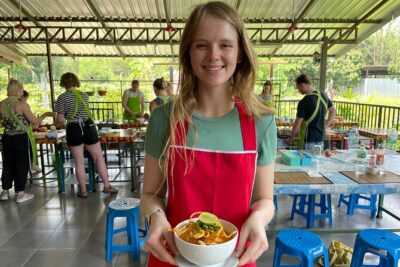 ★ 5.0Half-Day Thai Cooking Class at Organic Farm in Chiang MaiFrom $2919,087 reviews
 ★ 4.8Elephant Sanctuary Feeding Program Half-Day TourFrom $274,527 reviews
 ★ 4.6Chiang Rai White Temple and Blue Temple Day TourFrom $273,366 reviews
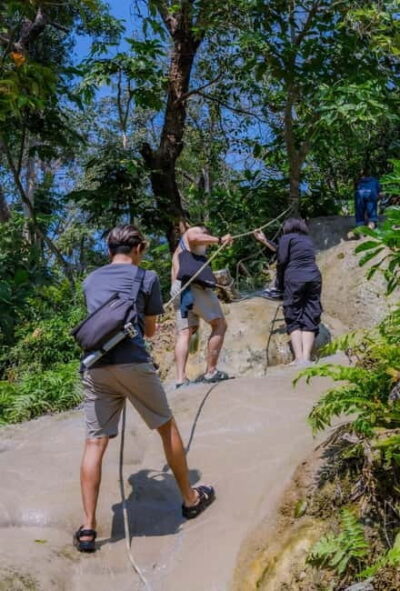 ★ 4.8Sticky Waterfall & Angel Waterfall Park Day TourFrom $411,371 reviews
 ★ 5.0Full Day Thai Cooking at Farm (Chiang Mai)From $391,127 reviews
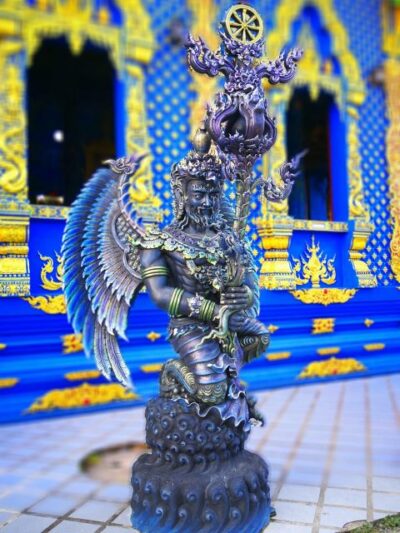 ★ 4.5Chiang Rai’s Temples Exploration Day TripFrom $51871 reviews
 ★ 4.7Doi Inthanon Park with Kew Mae Pan Hike Day TripFrom $62841 reviews
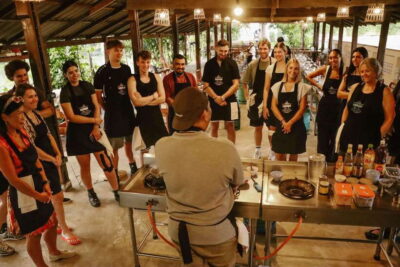 ★ 4.9HALF-DAY COOKING COURSE at a Thai Cooking FarmFrom $28705 reviews
Browse the lists this tour appears in