
REVIEW · CHIANG MAI TREKKING & HIKING TOURS
Chiang Mai Authentic Trekking
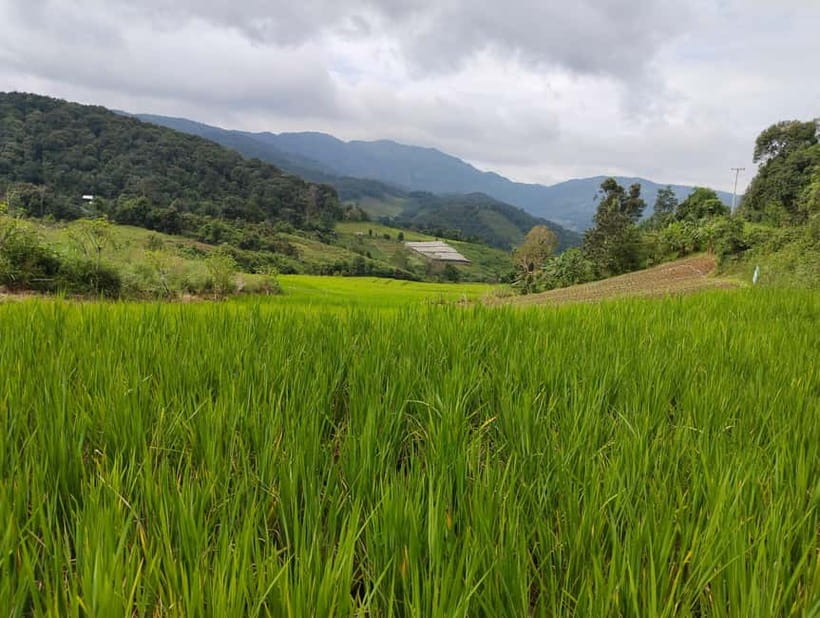
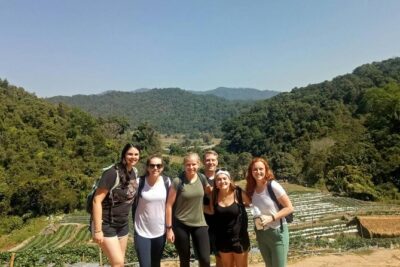
Rice terraces beat the usual Chiang Mai crowds. This 1-day Chiang Mai trek is a small-group outing with a strong sustainability angle, focused on real hill-tribe life and big mountain views. I like that the day starts early, heads into the countryside fast, and keeps the pace purposeful with plenty of cultural stops along the way.
I also like the guide style. On days with English guide Pan (and his local team), you get plant knowledge that goes beyond photos, plus access to trails used by local people. The main drawback is physical, it is a medium trek with about 10 to 12 km of mountain terrain and roughly 4 to 5 hours of walking, including steep and slippery sections.
Key Things You’ll Notice on This Chiang Mai Trek
- Small group pace (up to 8 people) so you spend time with the guide, not watching around the edges.
- Karen hill tribe culture in Khun Poi with a school start, village context, and agricultural life.
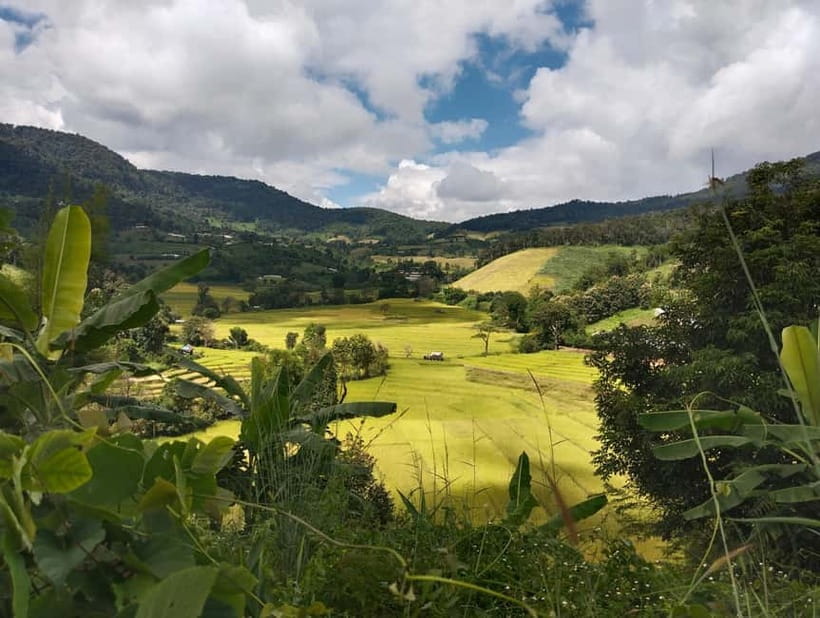
- Real mountain trekking, not a scenic walk with rice fields, evergreen forest trails, and a real uphill to Phalai Mountain.
- Forest lunch and farming paths where you learn about edible plants and see crops like coffee and passion fruit.
- Waterfall refresh at the end with time to swim, relax, and take photos before heading back to town.
Why This Chiang Mai Trek Feels Local, Not Theme-park
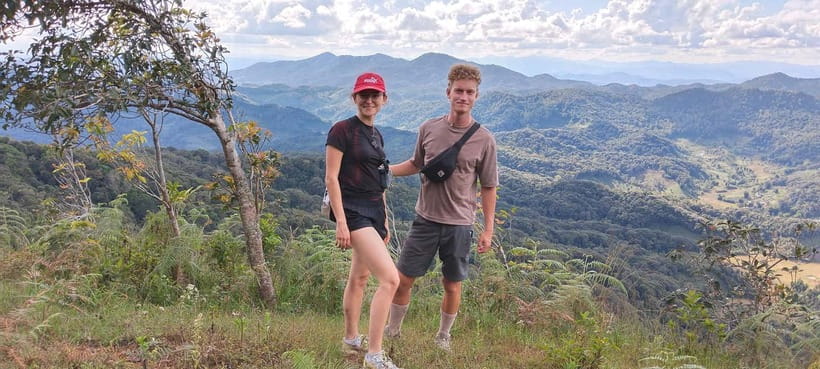
This is the kind of day that makes Chiang Mai feel more like northern Thailand than a postcard. You leave the city behind, go south into mountain country, and spend hours moving through rice fields, forest, and farm paths rather than doing a quick stop-and-photo loop.
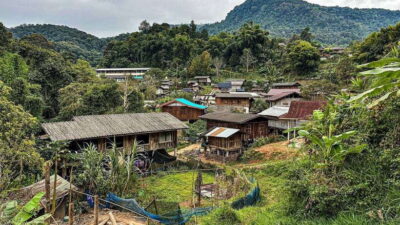
The focus stays on people and the land they work. You visit a Karen Hill Tribe community in Khun Poi, then you trek through areas tied to daily life like farmland and homegrown crops, not just viewpoints.
And it is built around responsible tourism, including support for local businesses. That shows in the rhythm of the day: market first for food and water, village stops that explain routines, and trekking routes that are used in local life.
You can also read our reviews of more hiking tours in Chiang Mai

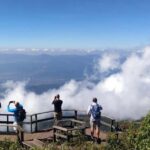
Meet Your Guides: Pan, an English Guide, and a Small Team
The experience runs with an English-speaking tour guide plus a local assistant. In the best accounts from the group, the lead guide is Pan, known for clear communication and practical explanations.
I like this setup because the guide is not just narrating scenery. Pan’s strong point is plant knowledge, including what people use for food and daily life, and how you might recognize different edible plants in the forest. One review also mentioned learning with a local colleague and seeing dogs with the team, which adds to the sense that this is a working route, not a staged one.
With a group limited to 8 participants, questions actually get answered on the spot. It also helps you keep pace with the terrain instead of being stuck behind a slow chain of walkers.
7:45 AM Pickup, Van Ride, Market Stop, and Viewpoints South of Chiang Mai
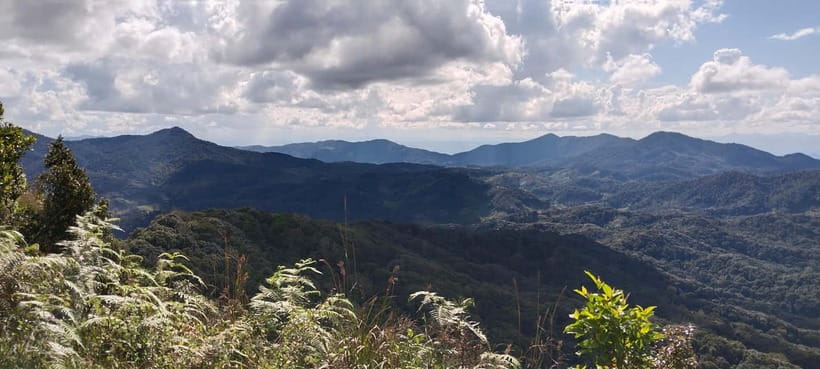
Your day starts with hotel pickup in the 7:45 to 8:00 AM window. From there, you head south of Chiang Mai by van, about one hour before you start stopping for the first views and food.
The first culture-and-food stop is a traditional Thai market. You pick up lunch and drinking water, and your guide walks you through local ingredients and snacks. This is more than a convenience stop. It gives you a better sense of what people actually eat on normal days, then you carry that food into the mountains.
After the market, there are scenic viewpoint pauses on the way to Khun Poi Village. These are short walks, quick photo moments, and a chance to see the valley from a higher angle before the trekking starts in earnest.
Khun Poi Village (Karen Hill Tribe): A School Start That Changes the Mood
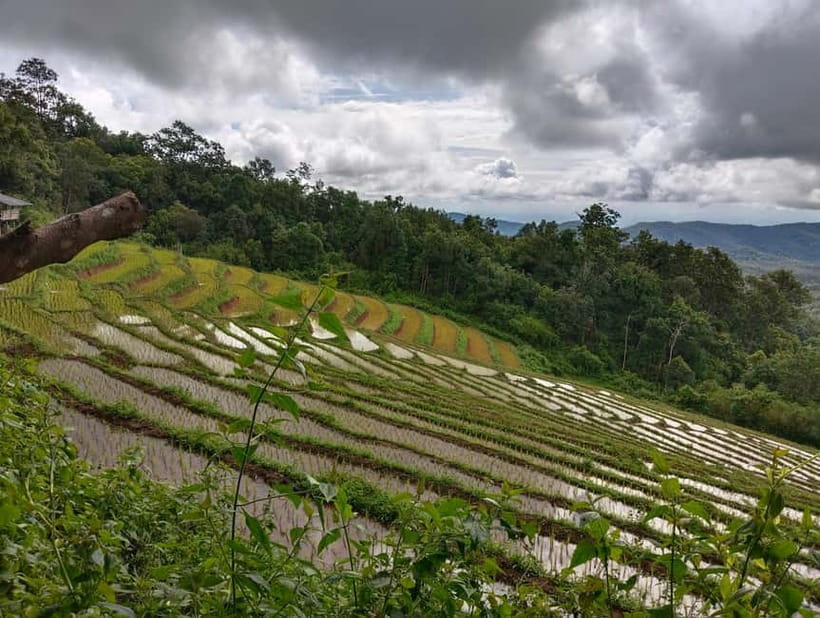
Once you reach Khun Poi Village, you get context for life in the surrounding hills. The village is set among farmland and lush mountains, and the focus is on agriculture and everyday rhythms.
Then the trek starts at the village school. Even if you are not a kid person, this is a meaningful transition. You are not just hiking at the edge of a community, you begin by seeing children enjoying their day while your route is explained in human terms.
The guide explains cultural details and agricultural lifestyle, which helps you understand why the trekking path matters. You are moving along places that connect crops, homes, and local routines, not just following a GPS line.
The 4 to 5 Hours of Trekking: Rice Fields, Evergreen Forest, and Phalai Mountain
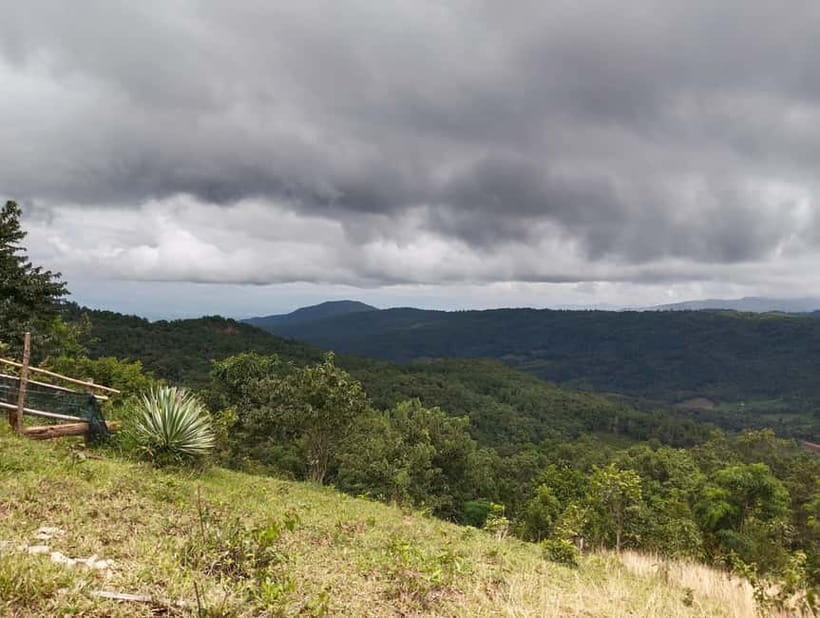
This is the heart of the day. The trail type is mountain trail, and the trek covers about 10 to 12 km total with an overall duration of around 4 to 5 hours on foot.
You start walking through rice fields and then transition into forest and natural trails. One reason this trek feels different from many “nature walks” is that your guide points out plants used for food and medicine, plus examples of edible plants you might not notice on your own.
The uphill builds as you work toward Phalai Mountain peak. This peak sits between the Chom Thong and Mae Wang districts and is connected to the Doi Inthanon National Park area. When you reach the top, you get panoramic valley views, plus a sense of how communities fit into mountain geography.
Wildlife is not guaranteed, but the area can include animals like wild boar, gibbons, barking deer, and many bird species. Even if you do not see wildlife, the forest mix and the climb itself make this the kind of trek that resets your brain.
One practical tip from the on-the-ground accounts: expect sections to be steep and sometimes slippery. Comfortable shoes matter, and trekking with attention is part of the experience.



Forest Lunch, Hill-Tribe Farms, and the Hidden Waterfall Swim
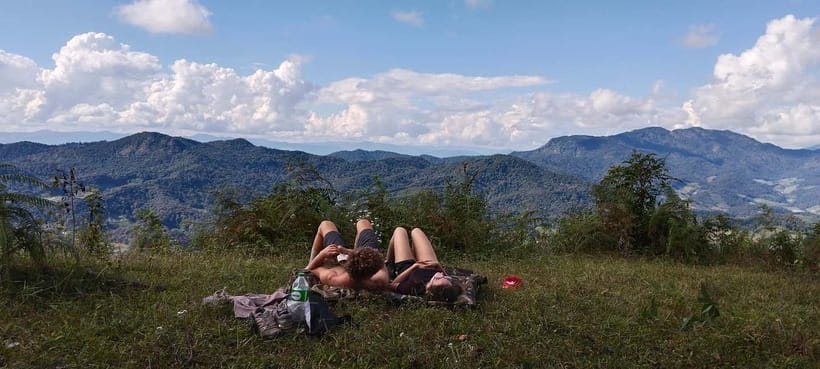
After the uphill, you stop for lunch in the forest. The day includes lunch and drinking water, and the setting is a big part of why this works. Fresh air, quieter surroundings, and a break that feels earned after the climb.
Then you keep moving. The route continues through hill tribe farms, with crops that can include coffee, passion fruit, cape gooseberry, tomatoes, zucchini, taro, and more. The goal is not just to look at plants, it is to understand what people grow and how farming fits with living in harmony with the landscape.
The final “reward” moment is the waterfall refresh. After trekking, you get to cool off at a secluded waterfall. Swimming is allowed, and the area is also good for relaxing and photos. It is one of those end-of-day shifts from effort to recovery.
Then you drive back to Chiang Mai, typically arriving around 5:00 to 6:00 PM.
Fitness Check: Medium Trek, Steep Moments, and What to Watch For
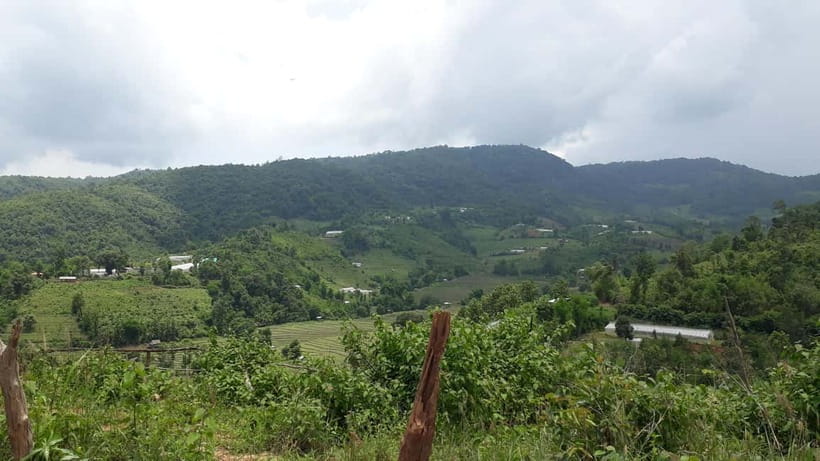
Medium difficulty here is real walking distance on uneven ground. You are looking at about 10 to 12 km of mountain terrain, plus 4 to 5 hours of trekking. That means you should feel comfortable with sustained uphill segments, not just a casual stroll.
If you have any mobility constraints, this is not the match. The activity is listed as not suitable for people with mobility impairments and wheelchair users, and it also excludes people with heart problems. Pregnant women are also not recommended.
In the real-world accounts, the steep climb is highlighted as a key feature, not a minor detail. So I suggest you treat this as a workout day. Pack for it, move at your pace, and do not show up with flip-flops and optimism.
Price and Value at $57: What You Actually Pay For
At $57 per person for a full day, this trek is priced like an active cultural outing rather than a luxury tour. The value comes from what is included: hotel pickup and drop-off, transportation, an English-speaking guide, local assistant support, accident insurance, and both lunch and drinking water.
You are also paying for time in places that take effort to reach, like the hill tribe village start, the multi-hour trek to Phalai Mountain, and the waterfall break. With a group capped at 8 people, you are not just buying transportation and a quick photo stop.
What is not included is mostly personal extras like souvenirs, soft drinks, and snacks. If you want additional snacks beyond lunch, plan for some cash spending.
One smart money tip: buy what you need at the market stop. That way you are not scrambling later when you are in trek mode.
What to Bring, What to Wear, and Best Timing in Chiang Mai’s Seasons
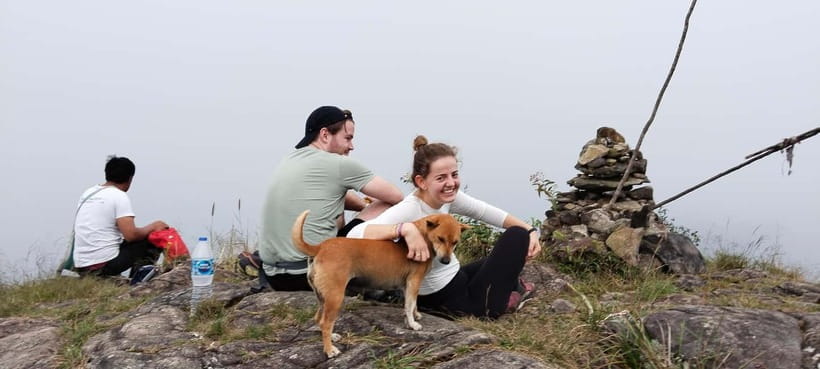
This trek is weather-dependent because you spend hours outdoors. The seasons are:
- Summer: mid-February to mid-May
- Raining: mid-May to mid-October
- Winter: mid-October to mid-February
You will want comfortable clothes and footwear you can trust on slopes. Bring comfortable shoes or hiking shoes, plus a daypack for water, snacks, and layers. Sunscreen and a sun hat are important, since you’ll be walking under open sky parts of the route.
Since you swim at the waterfall, pack swimwear and a towel. Insect repellent is also a good idea, because you are in forest and farmland areas.
Other items that make life easier:
- Camera for valley views and village moments
- Insect repellent
- Cash
- Personal medication
- Weather-appropriate clothing
The activity information also lists passport as something to bring, so I would follow that request to avoid last-minute surprises.
Should You Book This Chiang Mai Authentic Trek?
Book it if you want a day that mixes culture and trekking, with real walking time, a village start at Khun Poi, and a strong guide focus on plants and how people live in the hills. The small group size helps the day stay human, and the market-to-trek flow makes it feel grounded.
Skip it if you want a gentle walk or you have concerns about steep terrain. If you do go, come prepared for a medium hike, especially with sections that can be steep or slippery.
If you are in Chiang Mai and you like experiences where the land and the people are the point, this trek is a solid choice.
FAQ
How long is the Chiang Mai Authentic Trekking experience?
It is a 1-day activity. You’ll trek for about 4 to 5 hours, covering roughly 10 to 12 km on mountain terrain.
What time does pickup start?
Pickup is typically between 7:45 and 8:00 AM, with hotel pickup and drop-off around Chiang Mai.
How many people are in the group?
The group is small, limited to 8 participants.
What language is the tour guide?
The tour includes an English-speaking tour guide.
Is lunch included?
Yes. Lunch and drinking water are included, and there is also a stop at a traditional Thai market.
How difficult is the trek?
It is rated medium. Expect a moderate trek on mountain trails with steep uphill segments.
Is there swimming during the day?
Yes. After the trek, you can swim at a secluded waterfall, if conditions allow.
What should I bring?
Bring comfortable shoes (or hiking shoes), sun hat, sunscreen, insect repellent, comfortable clothes, a daypack, swimwear and a towel, and any personal medication. Cash is also recommended, and passport is listed as a bring-along item.
Who should not join this trek?
It is not suitable for pregnant women, people with mobility impairments, wheelchair users, people with heart problems, babies under 1 year, people over 95 years, or people over 70 years.
Is there accident insurance?
Yes, accident insurance is included.
More Hiking & Trekking Tours in Chiang Mai
More Tour Reviews in Chiang Mai
Not for you? Here's more nearby things to do in Chiang Mai we have reviewed

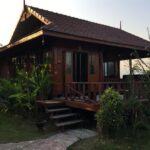
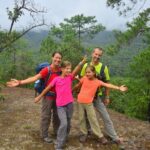
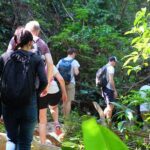
Chiang Mai Trekking & Hiking Tours, compared.
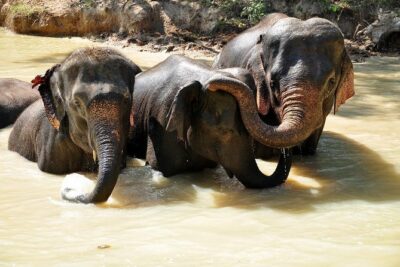 ★ 5.03-in-1: Doi Inthanon Tour, Elephant Sanctuary, and Trekking TrailFrom $481,087 reviews
 ★ 4.6Doi Inthanon Trip with Pha Dok Siew Guided TrekFrom $50910 reviews
 ★ 4.7Doi Inthanon Park with Kew Mae Pan Hike Day TripFrom $62841 reviews
 ★ 4.6Doi Inthanon Park and Pha Dok Siew Trail TrekFrom $61752 reviews
 ★ 4.6Chiang Mai – Doi Suthep Temple & Wat Pha Lat HikeFrom $25740 reviews
★ 5.0Chiang Mai – Doi Suthep Temple & Wat Pha Lat HikeFrom $26657 reviews
★ 4.6Chiang Mai – Doi Suthep Temple & Wat Pha Lat HikeFrom $25740 reviews
★ 5.0Chiang Mai – Doi Suthep Temple & Wat Pha Lat HikeFrom $26657 reviews
 ★ 5.0Doi Inthanon Private Tour with Trek & Lunch from Chiang MaiFrom $135622 reviews
 ★ 4.5Doi Inthanon National Park and Pha Dok Siew TrekFrom $39527 reviews
Browse the lists this tour appears in