REVIEW · CHIANG MAI
3D2NTrek Adventure at Chiang Mai Mea Wang Including Overnight at Karen Hilltribe
Three days of jungle, elephants, and Karen village life. This tour strings together Mae Wang trekking, waterfall breaks, and an elephant center visit, all with a guide who helps you read the area as you go, like Witoon did for one group. The best part is the chance to get hands-on with elephant feeding in a way that feels more personal than a quick photo stop.
You’ll also spend the night in a Karen hill tribe village, which is the headline experience here. The tradeoff is simple lodging, and some past participants reported that the bedding was not up to par, so plan for basic conditions.
Key points worth knowing before you go
- Guides can shape the whole trek (one standout guide name you might hear is Witoon)
- Elephant time includes feeding and more active interaction
- You get waterfall swimming breaks during the hike rhythm
- The Karen village overnight is a rare add-on for a short Chiang Mai adventure
- Small group size max 10 travelers keeps things manageable
A tight 3-day mix: jungle hikes plus real animal time
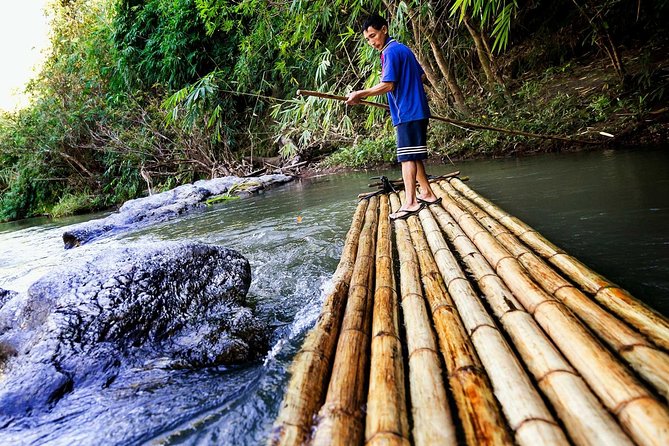
If you want Chiang Mai to feel like more than temples and cafés, this 3 day trek is built for that. The day schedule is active, but not random. You move by truck between experiences, then you hike in stretches that fit a “moderate fitness” level. You’ll also get downtime in the right places, like when you reach a waterfall and can swim, cool off, and reset.
What I like most is the way the trip balances moving with moments. Bamboo rafting gives you something physical without being a long hike. Then the trekking days bring you into the jungle for hours, with waterfall stops that break the day up. Finally, the elephant center visit is the kind of finale where you’re not just standing at the fence line.
The tour runs as a small group, up to 10. That matters. With fewer people, you can actually keep track of the group, and the guide can notice who needs a slower pace or a hand to find safe footing.
You can also read our reviews of more tours and experiences in Chiang Mai.


Day 1: Bamboo rafting, waterfall lunch, then onward to Karen village
Day 1 starts with an early pickup from the Duangtawan Hotel Chiang Mai (132 Loi Kroh Rd, Chang Khlan). You leave around 9:00 to 9:30, then ride by truck for about an hour before stopping for food. After another hour, you reach the Bamboo Rafting Camp.
Bamboo rafting at Mae Wang
You get roughly a 2 hour block at the camp, and bamboo rafting is included. Some people felt the rafting itself felt short, around 30 minutes. Still, even that short section is a nice change from hiking, and it helps break the day up before the jungle work begins.
Trek to a waterfall for lunch
After rafting, there’s a short truck transfer (about 20 minutes) to the hiking point. Then you trek to a waterfall area for lunch. This matters because it turns lunch into part of the environment, not a separate stop where the day stalls. From there, the jungle trekking continues for about 3 hours to reach the Karen village.
The big emotional beat
By late day, you’re stepping into overnight hill tribe village life. This is one of those experiences that can feel more meaningful than a visit where you leave by mid-afternoon. You’re there long enough for the pace of the place to take over.
Day 2: Morning jungle walk, jungle lunch, then waterfall swim
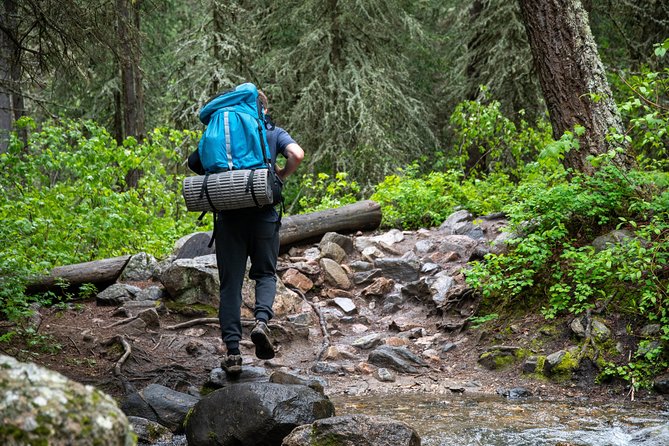
Day 2 begins with breakfast around 8:30. Then you start walking in the jungle, about 2.5 hours. You’ll eat lunch inside the jungle, which keeps you from turning the day into a series of short relocations.
After lunch, you trek another stretch, around 2 hours, to reach the waterfall. This is your main reset point: relax and swim. That swim is more than a fun extra. It’s also a practical way to cool your body down, especially if the air feels humid after hours on the trail.
By evening, you stay overnight again at the village. This is where the trip stops being a “tour” and becomes a night in a remote setting with simple routines. If you’re someone who gets uncomfortable with basic bedding, this is where you’ll want to prepare mentally and pack accordingly, because this is not a hotel night.
Day 3: Final hike, another waterfall break, then the elephant camp
Breakfast is again around 8:30 to 9:00. Then you start trekking for about 3 hours. The rhythm stays similar: hike, then reach the waterfall area for relaxing and swimming, then trek again toward the meeting point.
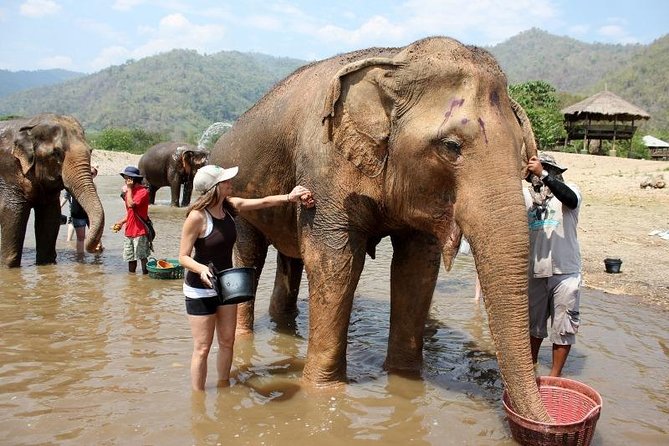
From there, it’s a truck ride to the elephant camp. Lunch is included at the elephant camp. The elephant experience is one of the main reasons people book this, and the trip includes elephant food for feeding, plus the chance to help with activities like feeding, playing, and giving elephants baths.
Why the elephant stop works so well as a finale
Ending with elephants makes the whole arc feel complete. Day 1 and Day 2 are about moving through nature, listening for wildlife, and reaching water. Day 3 gives you a different kind of “close encounter” moment, one that’s more interactive than a roadside viewing stop.
A careful note: this is still an animal-centered experience where you follow instructions closely. If you want to feel confident around elephants, bring patience and listen to the staff and guide. You’ll enjoy it more when you treat it as time spent learning how to behave in the setting, not just time for selfies.
Elephant camp interaction: what to expect and how to enjoy it
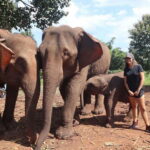
The elephant portion is described as more than watching. You’ll have elephant food for feeding. You also get time to interact in ways like bathing. That’s the kind of experience that tends to create strong memories, including those “elephants nearby” moments where you can feel the scale up close.
One practical tip: keep your camera settings ready before you start. When you’re actually involved in the activity, it’s not the time to figure out your settings or argue with a wet phone. Also plan for water and mud. Even if you dry off, you might carry dampness for the rest of the day.
Ethics awareness is worth bringing in your own head. If anything about animal care practices concerns you, you should ask your guide what the day-to-day routine is like at that center, before you commit emotionally to the experience. The tour data confirms feeding and bathing are part of what’s included, so your questions should focus on how they handle safety and welfare, not whether elephants are present.
Karen village overnight: a rare add-on with real “basic lodging” tradeoffs
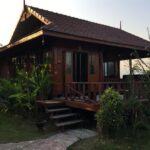
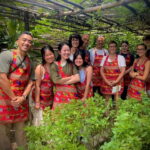
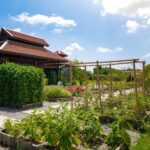
This is one of the most distinctive parts of the trip: a Karen hill tribe overnight. For many people, that overnight time is what makes the trek feel different from a one-day excursion. You’re not rushing through a quick cultural stop. You sleep there, so you experience the pace after visitors are gone.
That said, the tradeoff is lodging. Some people described sleeping conditions as very basic, including reports of dirty or smelly bedding and thin mattresses. In other words, this is not a soft-cushion night.
If you’re considering booking and you know you’re picky about bedding hygiene, bring a lightweight sleep liner or a sleeping bag liner if you can. Also bring a small bag for your personal items so you’re not stuck digging through a shared space. Even with good intentions, overnight conditions in remote areas are unpredictable, so you’ll feel better if you show up prepared.
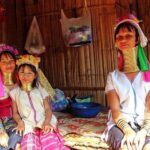
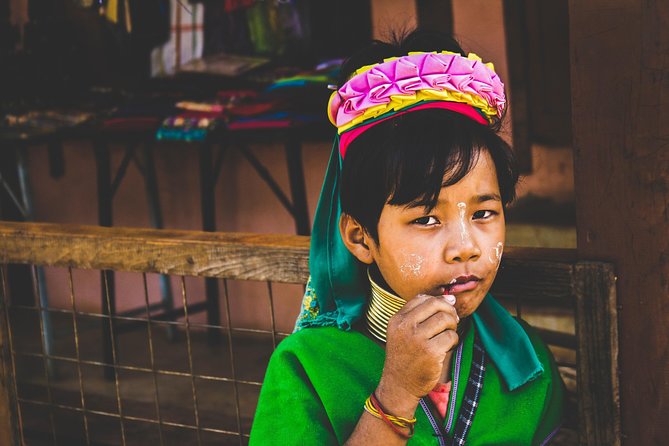
Also note a common expectation issue: some promotional photos or assumptions may imply a long neck Karen tribe experience. The reality for this specific trek can differ, and you should not count on seeing long neck women as part of the visit.
Trekking reality check: moderate fitness, long stretches, and jungle timing
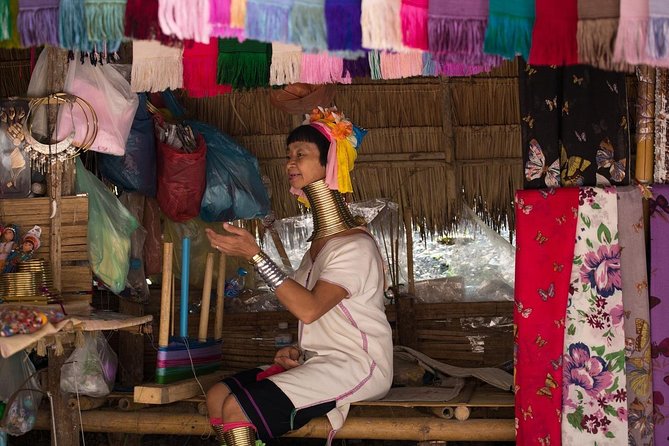
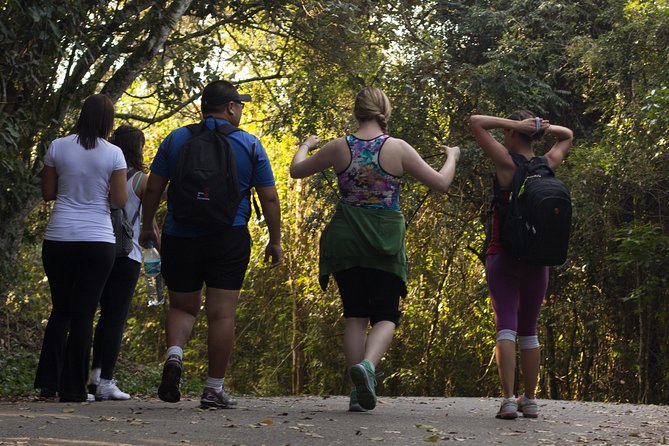
The tour lists “moderate physical fitness” as the target level. Translating that into real life: you should be comfortable walking for multiple hours with uneven terrain. You’re not just doing a short trail walk between stops. Each day has a real trekking block.
Day 1 includes a jungle trek of around 3 hours after lunch, while Day 2 has a morning walk of about 2.5 hours plus another 2 hours after lunch. Day 3 includes a longer overall hiking sequence as well, with another waterfall swim included along the way.
If you’re not used to humidity, start slower than you think you need to. Guides often manage pace by group, but you’ll get a better day when you work with the rhythm instead of pushing it.
Good footwear matters. Even if the bamboo rafting is the headline for some people, the jungle days are where you’ll appreciate shoes with grip. If you plan to swim, also think about a way to keep your essentials dry.
Group size and guide quality: where the experience can tip
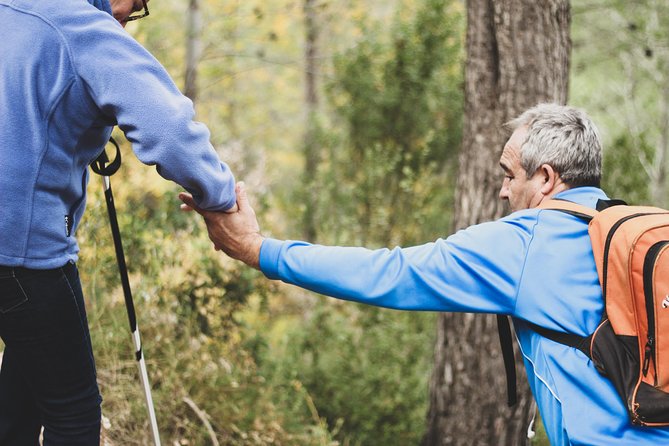
The group is capped at 10 travelers. In practice, this can make the trip feel friendly and coordinated rather than chaotic.
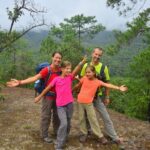
Guide quality makes a huge difference on jungle treks. One guide name you may hear is Witoon, and the strong feedback is that he pointed out small wildlife and plant life, helping people notice details in the jungle that most visitors would miss. That kind of guidance turns a “walk in the woods” into something you remember.
One more practical note: on small groups, schedules can still vary, and not every part always has the same level of English guidance. If you rely heavily on explanations for every moment, you might want to ask your guide what the best times are for questions and deeper context.
Price and value: what $162.76 really covers
At about $162.76 per person for 3 days, you’re paying for a package that includes a lot of the heavy lifting. Your itinerary runs with transport by truck, accident insurance, and a licensed English speaking guide. You also get accommodation, meals (2 breakfasts, 3 lunches, plus dinner), trekking support (a trekking backpack is included), and paid activities like bamboo rafting.
When you break it down, the value comes from the combination:
- multiple paid outdoor activities
- food across several meals
- transportation between sites
- a guided experience that keeps you safe and moving
This is also why the “basic lodging” factor is so important. If bedding hygiene is a dealbreaker for you, that can reduce value fast. But if you’re okay with simple conditions and you really want the full jungle-to-elephants arc, the price feels reasonable for the scope.
What to pack so you enjoy the whole trip
You’ll be active and you’ll get wet. Pack for that, not for a city day.
Bring:
- swimwear and a quick dry layer
- insect repellent (jungle days make this worth it)
- a small dry bag for your phone and documents
- sandals or water-friendly footwear for waterfall time
- something for sun protection
- a liner or sleeping bag liner if you’re sensitive to bedding cleanliness
Also remember that the trek can be long on humid days. Water planning matters, and you should follow your guide’s instructions for where and when to hydrate during the day.
Who should book this trekking adventure
This tour is a good fit if:
- you want a true outdoor experience, not a quick highlight tour
- you’re comfortable with moderate hiking and jungle terrain
- you want more than one “set piece,” like rafting plus a waterfall plus elephants
- you value the Karen village overnight for longer, lived-in exposure
It’s less ideal if:
- you need comfortable hotel-level bedding and cleanliness standards
- you want a perfectly staged cultural visit with specific expectations like long neck displays
- you dislike animal interaction experiences that involve active activities like feeding and bathing
If you’re flexible, the trip can feel deeply satisfying, because it connects nature and animals into a single short adventure.
Should you book 3D2NTrek with Karen village overnight?
I’d book it if you’re chasing a full-bodied Chiang Mai nature and animal experience, especially if the elephant interaction is a top priority for you. I also think the small group setup helps, and the guide can strongly influence your day-to-day experience, with standouts like Witoon making wildlife-spotting and explanations feel easy.
I would hesitate if you’re highly sensitive to lodging hygiene or you have a fixed expectation about specific hill tribe presentation, like long neck women. The trek offers a genuine overnight with the Karen community angle, but it is still basic overnight lodging and it may not match certain photo expectations.
FAQ
FAQ
Where does the tour pick up in Chiang Mai?
The meeting point is Duangtawan Hotel Chiang Mai, 132 Loi Kroh Rd, Tambon Chang Khlan, Amphoe Mueang Chiang Mai, Chang Wat Chiang Mai 50100, Thailand.
What time does the tour start?
The tour starts at 9:00 am.
How long is the experience?
It’s a 3 day experience (3D2N).
Is this trekking tour suitable for my fitness level?
It’s listed for travelers with a moderate physical fitness level.
What meals are included?
You get 2 breakfasts, 3 lunches, and 1 dinner.
What is included in the elephant experience?
The tour includes elephant food for feeding, and time for activities such as feeding, playing, and giving elephants baths, plus lunch at the elephant camp.
How many people are in the group?
The maximum group size is 10 travelers.
What happens if weather is bad or I need to cancel?
You need good weather for the experience. If it is canceled due to poor weather, you’ll be offered a different date or a full refund. You can cancel for a full refund up to 24 hours in advance of the experience start time.