
REVIEW · CHIANG MAI TREKKING & HIKING TOURS
3-Day Chiang Dao Mountain Trek
Three days in the Chiang Dao mountains feels real. You hike remote ridges and jungle trails north of Chiang Mai, then sleep in hill-tribe village homestays with meals cooked along the way. It is the kind of trip where you notice details, from forest plants to village routines, not just photos.
I especially like the small-group feel, usually capped at 10 people, with a maximum stated for the activity of 12. I also love that the trek is built around local life, including home-cooked Thai food and honest time on the trail with your guide.
One drawback to plan for: this is a serious hiking experience. You should be ready for 5 to 6 hours of hiking on undulating ground, plus the reality of night sounds in villages, like dogs and roosters.
Key things that make this Chiang Dao trek worth your time
- A real small-group trek with a max of 10 people (activity maximum can be 12)
- Homestay nights in the Maetang River area where you experience village life firsthand
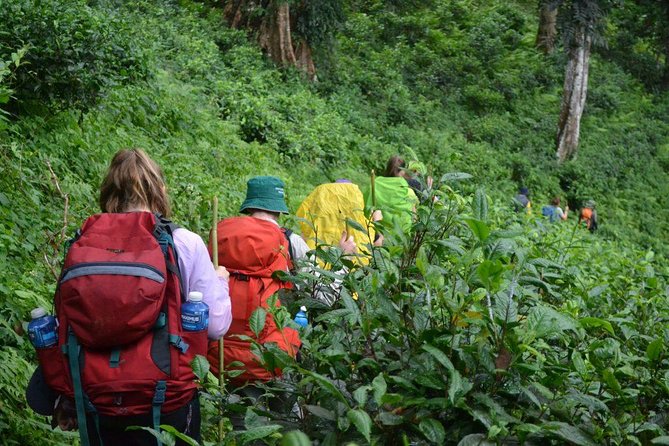
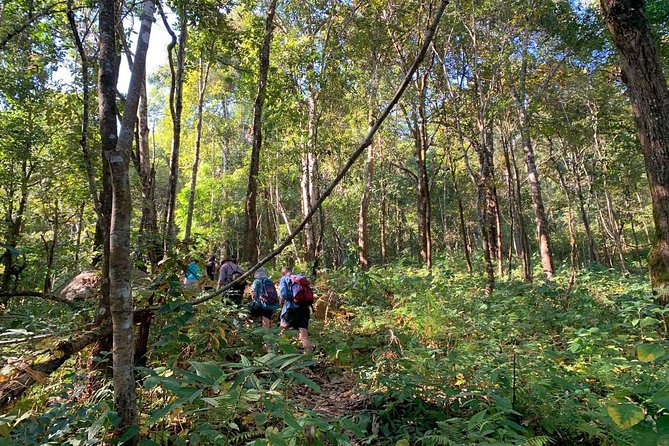
- Guide-led trail time through bamboo forests, jungle paths, and ridge walking
- Meals included for the full rhythm: breakfasts, lunches, and dinners during the trek
- Hassle-free transport from Chiang Mai, plus a market stop early on day 1
- You carry a 45L backpack and keep your own essentials moving for the whole hike
Why the Chiang Dao Mountains trek feels more grounded than a city tour
Chiang Mai has plenty of day trips, but this one trades buses and shopping stops for actual walking. You head north from the city and get into the Chiang Dao mountain zone, where the pace and the air feel different after a few hours.
The trek is designed for people who want the trail to be the main event. Expect bamboo forest sections, jungle paths, and ridge walking, not just easy viewpoints. And because it is small-group, you are not constantly waiting in line for the next photo.
I also like that the trip builds in time for local connection. You are not bouncing through villages like a drive-by. Instead, you end the day in homestay-style accommodation and share the food and routine of the people who live there.
You can also read our reviews of more hiking tours in Chiang Mai


Guides and small-group pace: Tan, Sap, Tri, and Room in the mix
This is one of those tours where the guide can make or break the experience, and the guides here get strong, specific praise. Names you may hear in your group include Tan and Sap, plus assistants like Tri, and a role called Room for driving and cooking duties in at least some runs.
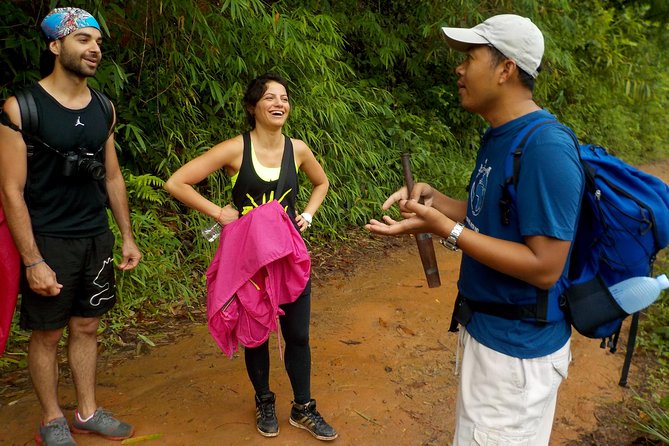
The common thread is how hands-on guides are on the trail. You will likely get trail explanations tied to what you are seeing, not just generic talking points. Some guides also share plant tasting along the way, which is fun in a very practical way because it forces you to pay attention to details at ground level.
You are also supported on effort. Multiple comments highlight that the guide manages the group across different fitness levels, including people who were newer to trekking and people who were older but still active. If you are willing to hike at your own pace, you should feel looked after without feeling rushed.
Day 1 in Chiang Dao: market stop, pickup, and your first push into the hills
Day 1 starts early in Chiang Mai. The tour includes pickup within the second ring road radius, and you should plan for a morning departure around the time hotel pickups begin. The formal start time listed is 9:00 am at Le Dta’ Wan Food Market in Chang Khlan, so the day moves fast once you meet up.
One of the smart touches is the local market stop on the way north. Your guide can explain ingredients you will see and how people use them. This gives you a head start on the food theme of the trip, which matters because meals are a big part of why this trek feels personal.
On the walking side, day 1 is often described as an easier on-ramp compared to day 2. One guest noted around four hours of walking on day 1. Even if your exact route changes with trail conditions, that first day is still real walking, just paced so you can settle in before the longer effort.
Day 2: ridges, jungle trails, and the hardest day of the trek
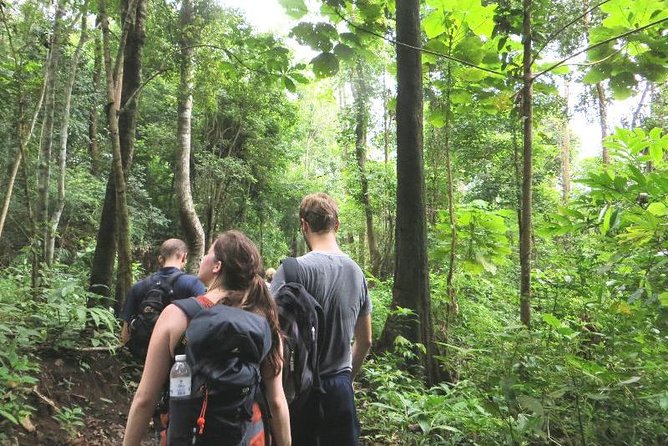
Day 2 is where you feel the challenge. The schedule is built around a mix of jungle paths and criss-crossing trails that follow mountain ridges. You wake up to mountain sounds, enjoy breakfast linked to local tea or coffee from the surrounding plantations, and then head out for a tougher hike.
This is also the day that gets called out as long and physically demanding. One review flagged about nine hours of walking for day 2. Even if your group ends up with a slightly different timing, you should treat day 2 as your primary workday.
What I like here is that the difficulty feels connected to scenery and access. It is not a contrived grind. The long day takes you through bamboo forests and dense trail sections, where you actually see the texture of the jungle and not just the big view from one viewpoint.
If you want to be comfortable, start day 2 with good shoes and steady pacing. Undulating ground can tax you even when the climbs are not extreme. And if you are dealing with knee sensitivity, remember that downhills can be rough too, not just uphill segments.
Day 3: a three-hour descent to the Maetang River valley and a riverside lunch
Day 3 shifts from climbing energy to a finishing rhythm. You have breakfast on the mountain, then you begin the final leg, which includes a roughly three-hour descent into the Maetang River valley.
This descent is a key part of why the trek works as a package. You go from ridge walking to a valley setting, and you can feel the scenery change as you move lower. There is also a break at a waterfall along the way, which gives your legs a chance to reset without turning the day into a sightseeing-only shuffle.
Lunch is served in a calmer riverside setting. Even with trekking fatigue, meals after a descent tend to feel like a reward, not a necessity. Then you finish with the drive back toward Chiang Mai, and the activity ends back at the meeting point.
More Chiang Mai temple visits, food walks, elephant experiences, mountain trips, and northern Thailand day tours to compare
Homestays and village nights: what you should realistically expect
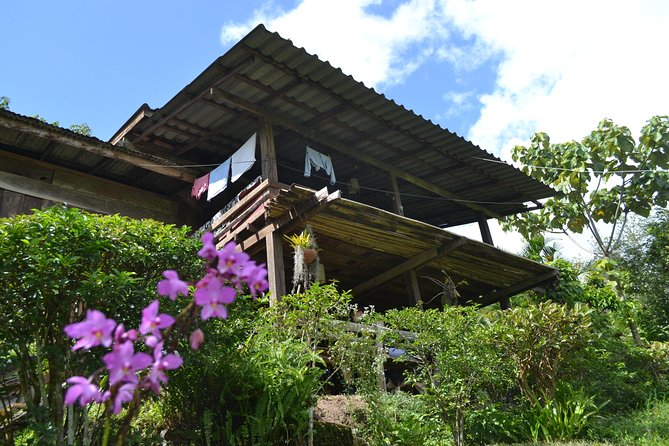
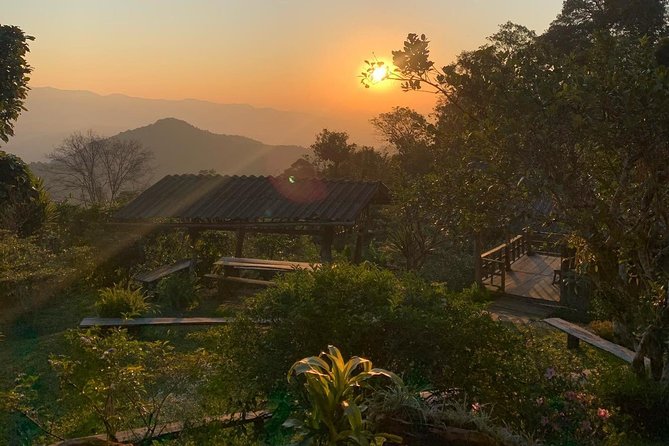
The homestay part is one of the biggest selling points, and it is also where you need the right expectations. You are sleeping in hill tribe village accommodation as part of the local experience. Some stays are described as clean, and some have features like solar-powered electricity.
At the same time, village life is village life. One of the most repeated practical notes is that you may hear dogs and roosters at night. It can be intense enough that earplugs come up as a real suggestion, not a throwaway tip.
I think this is worth saying clearly. If you want a silent hotel room, this trek is not your match. If you can roll with the sounds and treat them as part of the authentic setting, you will probably love the experience even more.
Also, homestays can be basic, but they are not treated as a punishment. Comments point to accommodations that are basic but workable, with some nights described as peaceful and picture-perfect, then other nights more noisy. Bring earplugs and a flexible mindset and you will be much happier.
Food on the trek: guide-cooked Thai meals you can taste
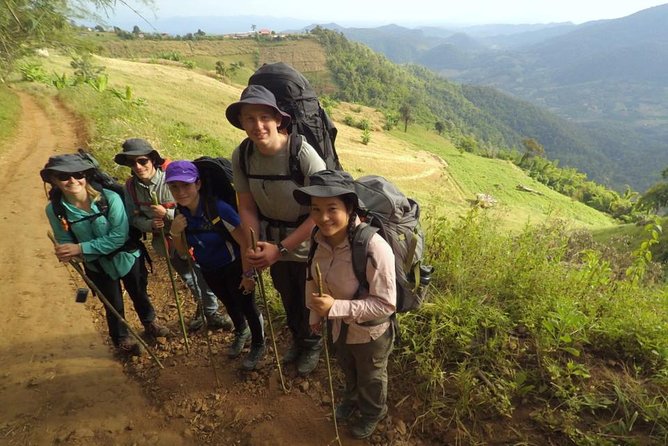
Food is not an afterthought here. Meals are included across the days, with 2 breakfasts, 3 lunches, and 2 dinners during the trek. That is a big value point because it reduces decision fatigue. You are not constantly hunting for meals on the move, and you are not relying on convenience stores in remote areas.
Breakfast choices you might see include locally grown tea or coffee tied to nearby plantations, and the food style is Thai. Dinners and lunches are prepared as part of the trek rhythm, and multiple guests mention the guide cooking the Thai meals, with specific praise for how good the food was.
One fun detail that came up: guides may let you taste cool plants along the trail. That is not a gimmick. It is a way of making you pay attention and learn something small but real as you walk.
If you need vegetarian meals, plan in advance. Vegetarian options are not assumed. You have to advise at reservation time.
One more practical note: beverages at homestays and local restaurants are not included. So if you like tea, juice, or extra water, budget for your own drinks.
Price and value: why $256 can make sense for an off-trail trek
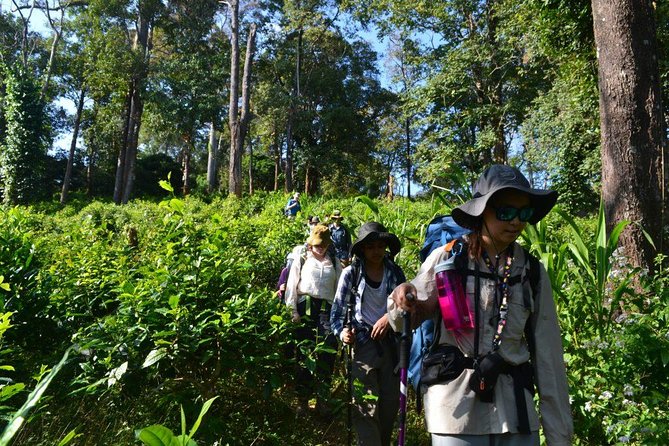
$256 for a 3-day guided trek in northern Thailand is not just a walking tour price. In this case, it bundles the parts that normally cost extra if you try to DIY it: guided hiking, meals during the trek, homestay-style accommodation, and round-trip transport from Chiang Mai.
You are also paying for the small-group format. A cap around 10 people means less crowding and more flexibility for your guide to manage the route and pace. That matters on a trail where you are not just following a marked city path.
Then there is the intangible value: you get a chance to experience hill tribe village life without turning it into a theme-park stop. That is hard to price, but it is usually what people remember most when they get home.
If you like having an organized plan and you do not want to chase logistics for transport, meals, and overnight stays, this is a strong value approach.
Gear, fitness, and the small details that save your trip
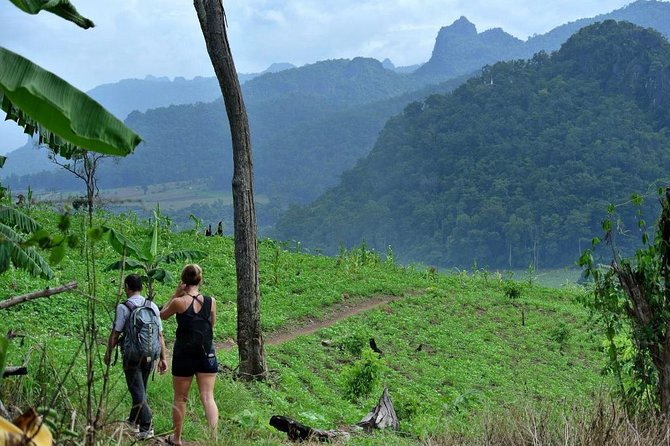
This trek asks for moderate physical fitness. You should be able to hike 5 to 6 hours on undulating landscapes. If you have never hiked for long stretches, it is smart to build up before you go, especially for day 2.
Footwear matters. Wear suitable outdoor clothing, including hiking boots or runners. You will be on jungle trails and uneven ground, so choose shoes that feel stable to you.
Your personal effects need to fit in a 45L backpack, and you carry it through the trek. Travel light is not a slogan here. If your pack is too big, it becomes extra work all day.
You will receive a kit list based on the season. So plan for weather variation and pack accordingly, rather than copying someone else’s bag from a different month.
Two practical tips I would not skip:
- Bring earplugs for homestay nights where dogs and roosters are part of the background sound.
- Consider how your knees handle long downhills. People note that even when you think the work is uphill, the downhill can feel heavy too.
Finally, remember the group size. Maximums are listed as 10 people for the tour experience, with the overall maximum stated for the activity as 12. Either way, you are not in a crowd, but you are still sharing the day with others.
Who should book this Chiang Dao Mountain Trek, and who should skip it
This trek is a great fit if you want real hiking, real village nights, and food that is part of the experience. It works especially well for people who:
- Enjoy off-the-beaten-path travel
- Want guided interpretation from the trail level up, including plant and culture discussions
- Are comfortable with basic accommodations and village sounds
- Can hike for half a day each day without needing constant breaks
It is not a fit if you are looking for stroller-level comfort or zero-noise accommodation. Also, it is not suitable for children under 10 unless they are used to multiple hours of hiking.
If you are older but active, the group mix can be workable, because your guide can steer the pace. Just be honest with yourself about endurance and how your body handles long walking days.
Should you book this 3-Day Chiang Dao Mountain Trek?
Book it if you want a structured trek that still feels local. The small-group size, the homestay nights, and the guide-led jungle walking are the core wins here. When you find the right mindset, the sounds, the effort, and the pace all become part of the story.
Skip it if you need polished comfort and quiet nights, or if long hiking days on uneven ground are a stretch for you right now. This is a hiking trip first, sightseeing second.
If you are ready to work for it a little, you will probably feel like you stepped into northern Thailand instead of passing through it.
FAQ
Where does the trek start and what time do we meet?
The activity starts at Le Dta’ Wan Food Market (Chang Khlan, Chiang Mai) with a start time listed as 9:00 am. Pickup is also offered from Chiang Mai city accommodations within the second ring road radius.
How large is the group?
The experience is described as a small-group trek with a maximum of 10 people. The activity maximum is listed as 12 travelers.
What fitness level do I need?
You should have moderate physical fitness and be able to hike 5 to 6 hours on undulating terrain. It is not suitable for children under 10 unless they are used to multiple hours of hiking.
What meals are included?
Meals included are 2 breakfasts, 3 lunches, and 2 dinners. Vegetarian meals need to be planned in advance, so you should advise at reservation.
Do I need to carry my own backpack?
Yes. You should limit your personal effects to fit in a 45L backpack, and you will need to carry it through the trek.
Are drinks included?
Beverages at local homestays and restaurants are not included.
What if the weather is bad or the tour can’t run?
This experience requires good weather. If it is canceled due to poor weather, you will be offered a different date or a full refund. It can also be canceled if a minimum number of travelers is not met, with the same options. You can cancel up to 3 days in advance for a full refund.
More 3-Day Experiences in Chiang Mai
More Hiking & Trekking Tours in Chiang Mai

More Tour Reviews in Chiang Mai



Not for you? Here's more nearby things to do in Chiang Mai we have reviewed

Chiang Mai Trekking & Hiking Tours, compared.
 ★ 5.03-in-1: Doi Inthanon Tour, Elephant Sanctuary, and Trekking TrailFrom $481,087 reviews
 ★ 4.6Doi Inthanon Trip with Pha Dok Siew Guided TrekFrom $50910 reviews
 ★ 4.7Doi Inthanon Park with Kew Mae Pan Hike Day TripFrom $62841 reviews
 ★ 4.6Doi Inthanon Park and Pha Dok Siew Trail TrekFrom $61752 reviews
 ★ 4.6Chiang Mai – Doi Suthep Temple & Wat Pha Lat HikeFrom $25740 reviews
★ 5.0Chiang Mai – Doi Suthep Temple & Wat Pha Lat HikeFrom $26657 reviews
★ 4.6Chiang Mai – Doi Suthep Temple & Wat Pha Lat HikeFrom $25740 reviews
★ 5.0Chiang Mai – Doi Suthep Temple & Wat Pha Lat HikeFrom $26657 reviews
 ★ 5.0Doi Inthanon Private Tour with Trek & Lunch from Chiang MaiFrom $135622 reviews
 ★ 4.5Doi Inthanon National Park and Pha Dok Siew TrekFrom $39527 reviews